© Shefa Salem
The emergence of shamanism was a sudden flash, and the West was unable to move forward without feeling shocked. In its simple essence, shamanism is based on the idea that rock art derives from ecstatic visions, that the prehistoric artist is a shaman above all, and that elements of rock art are born during the shaman's entry into an altered state of consciousness. In
Libya, unfortunately, none of the researchers realized that rock art is connected to shamanism.
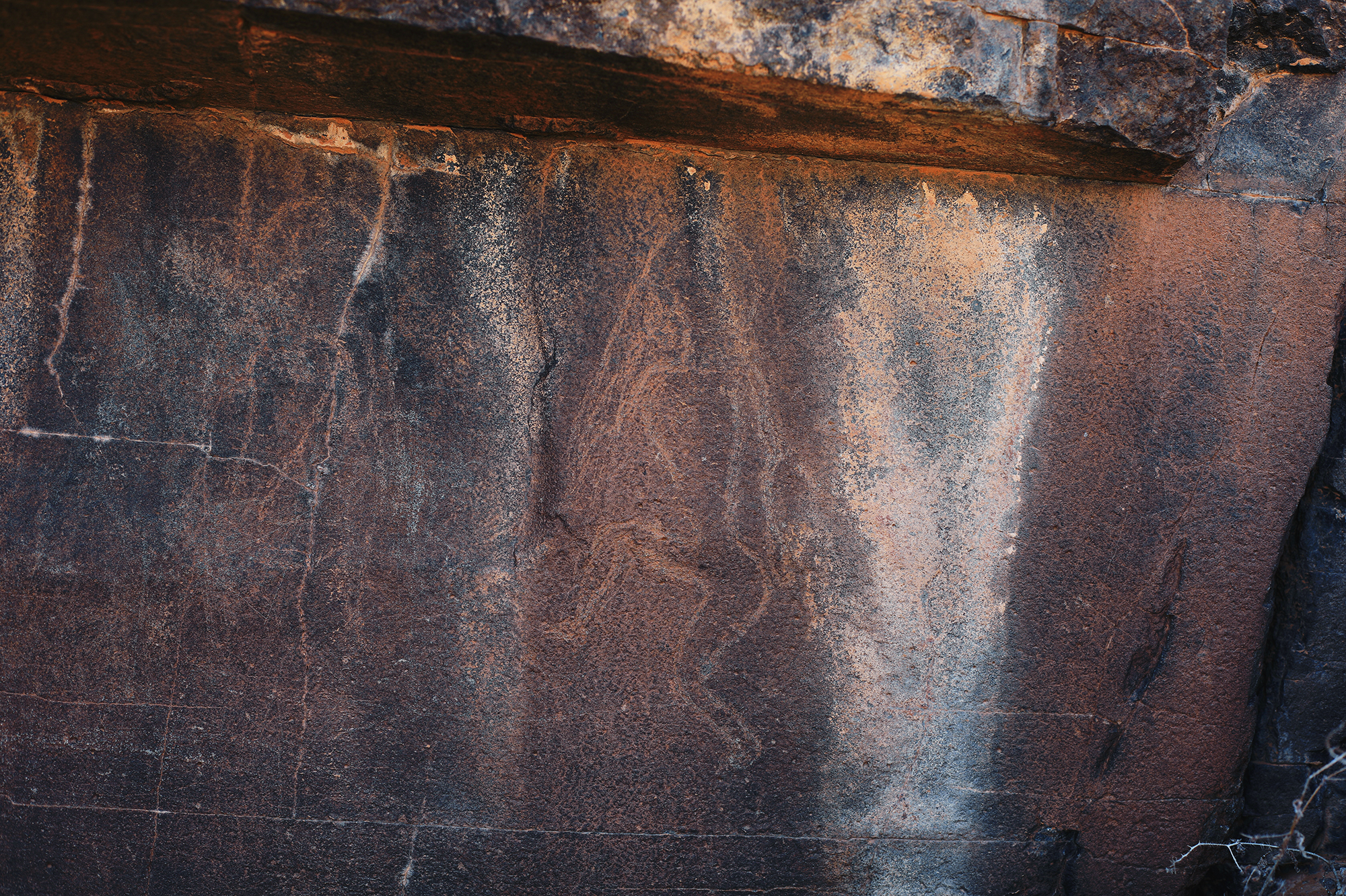
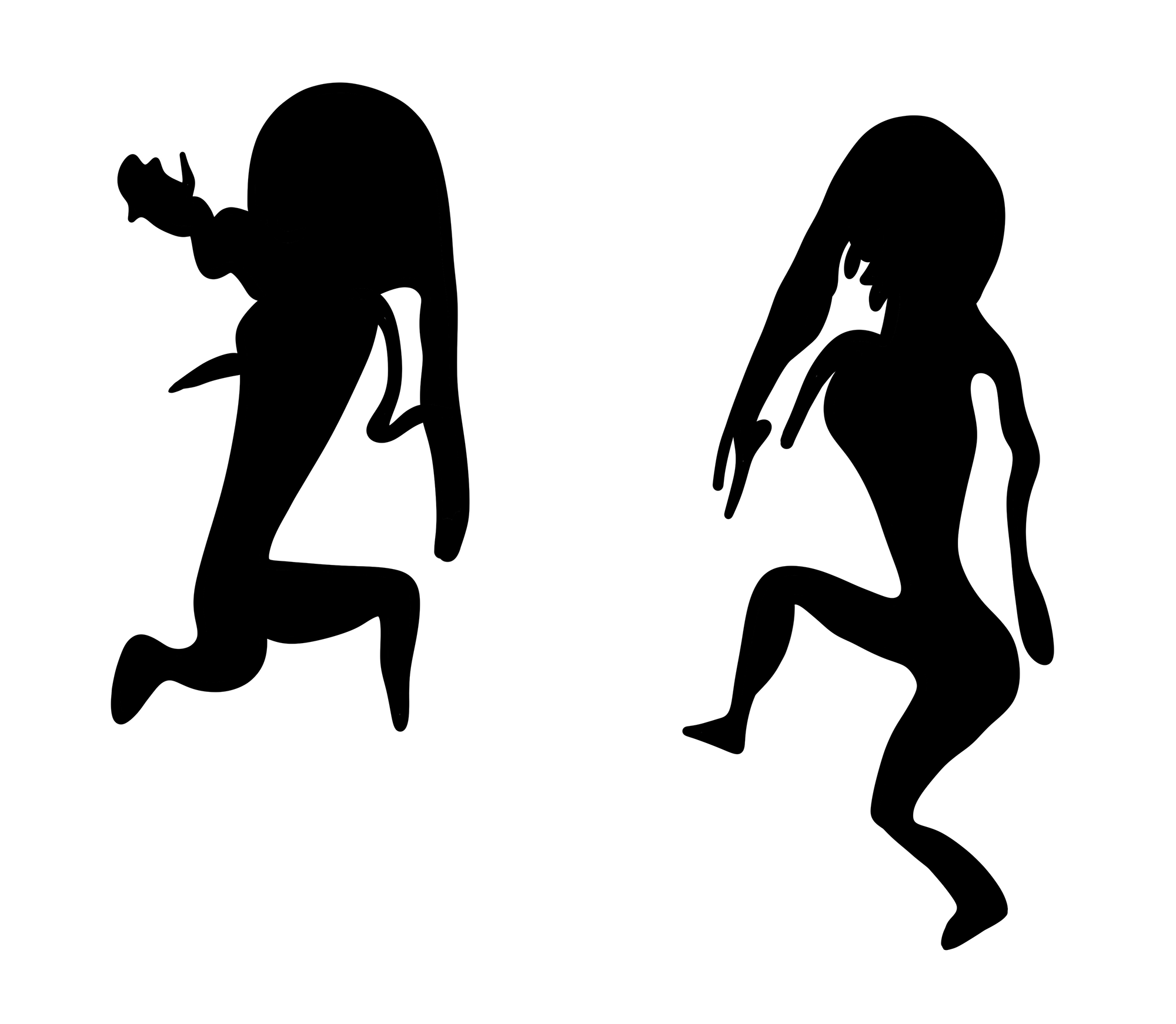
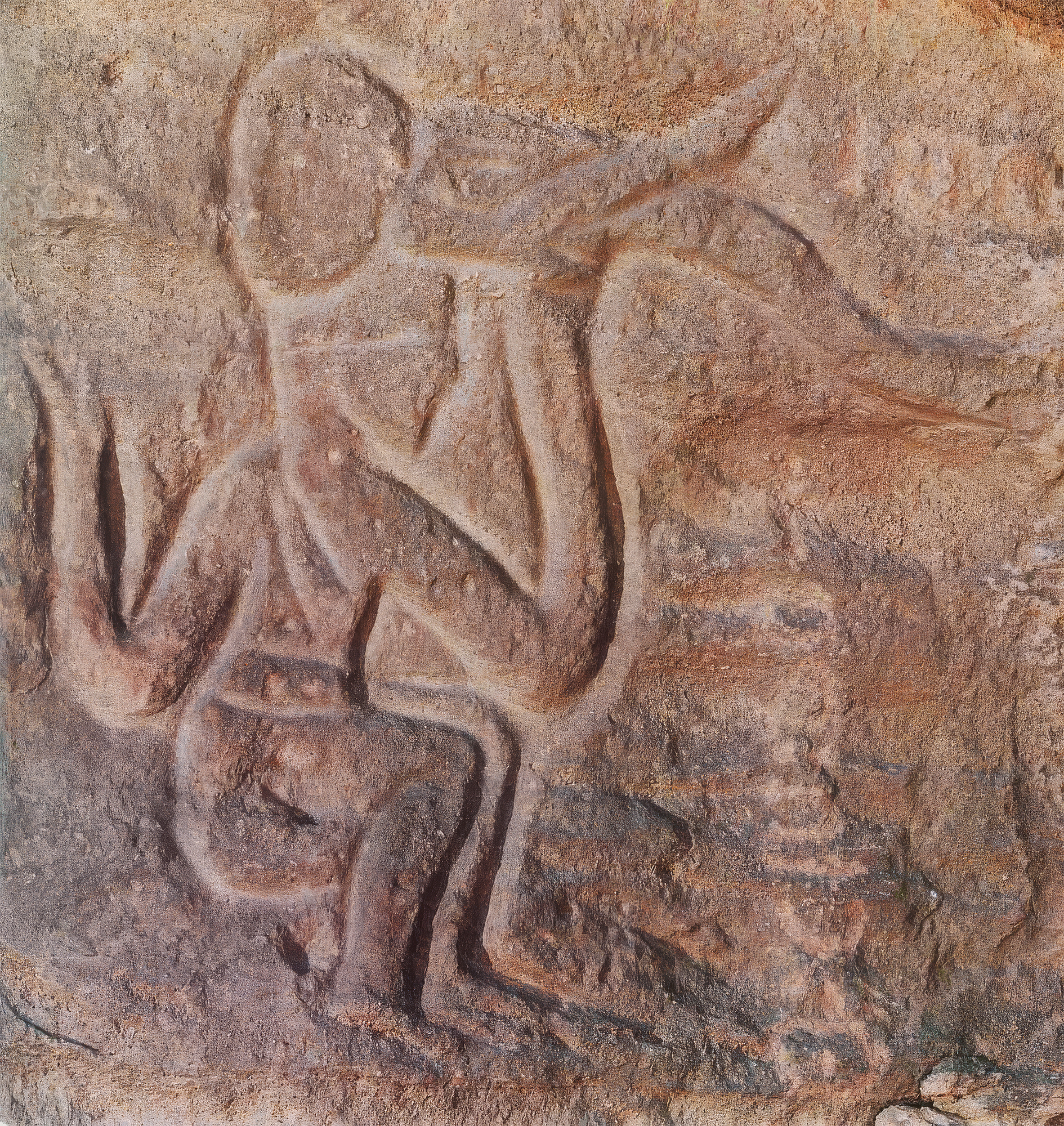
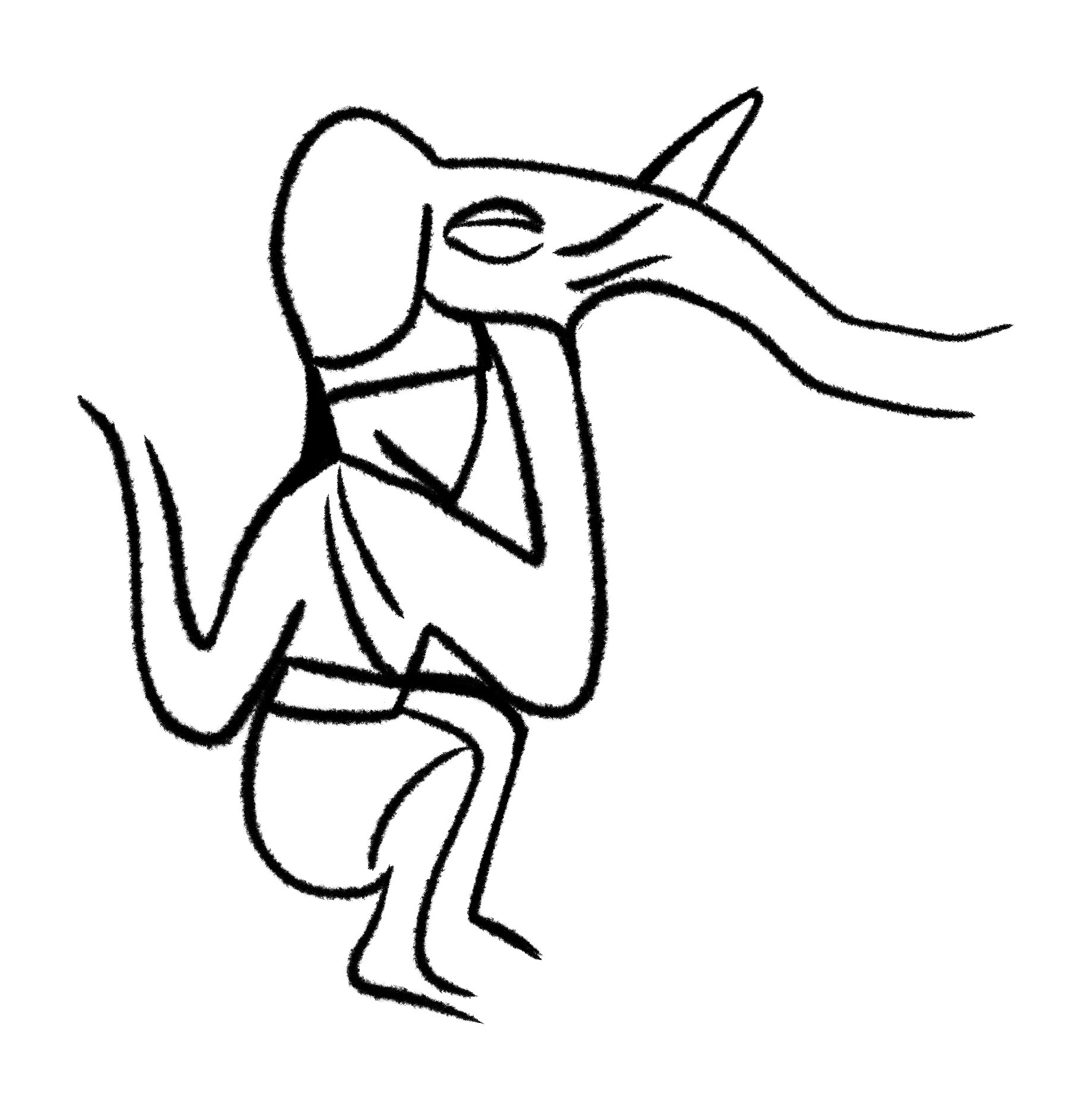
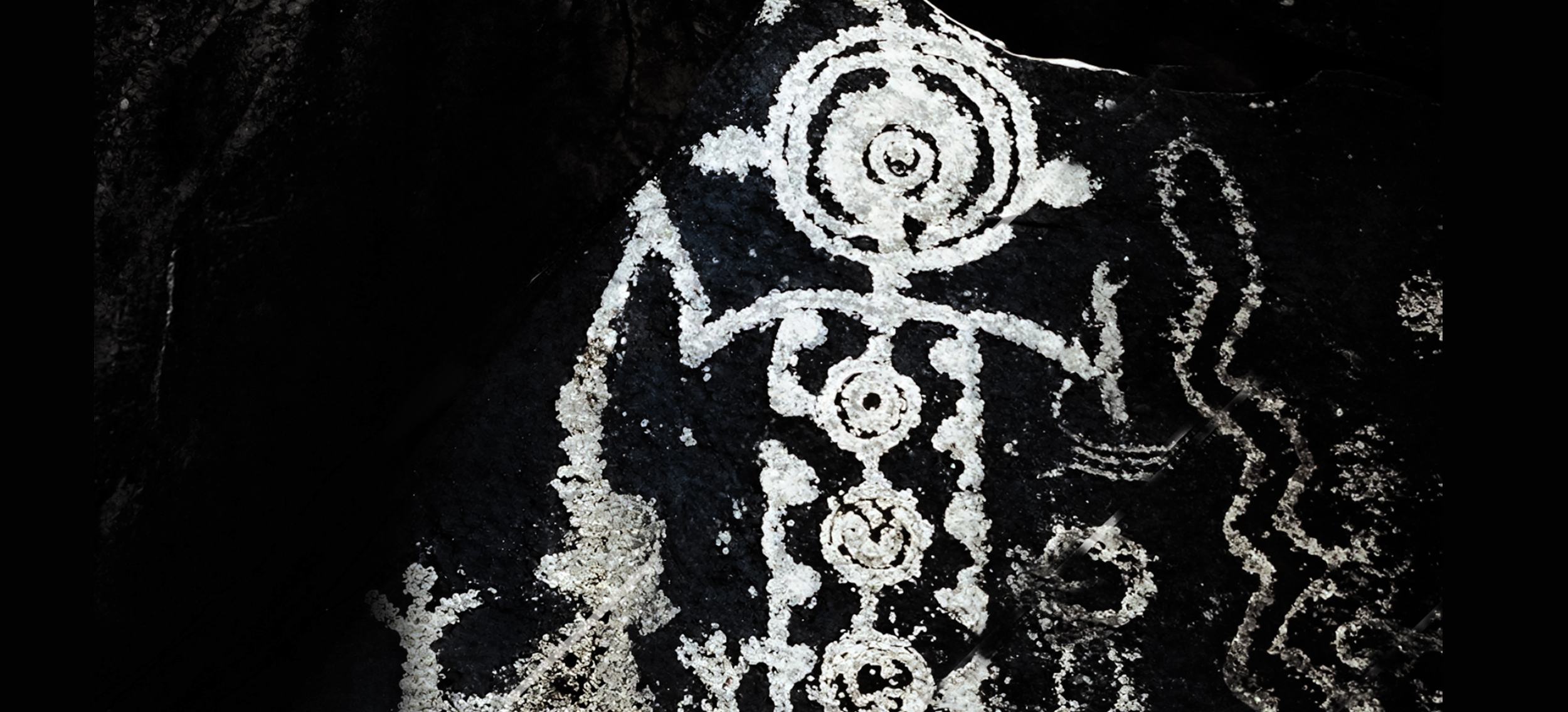
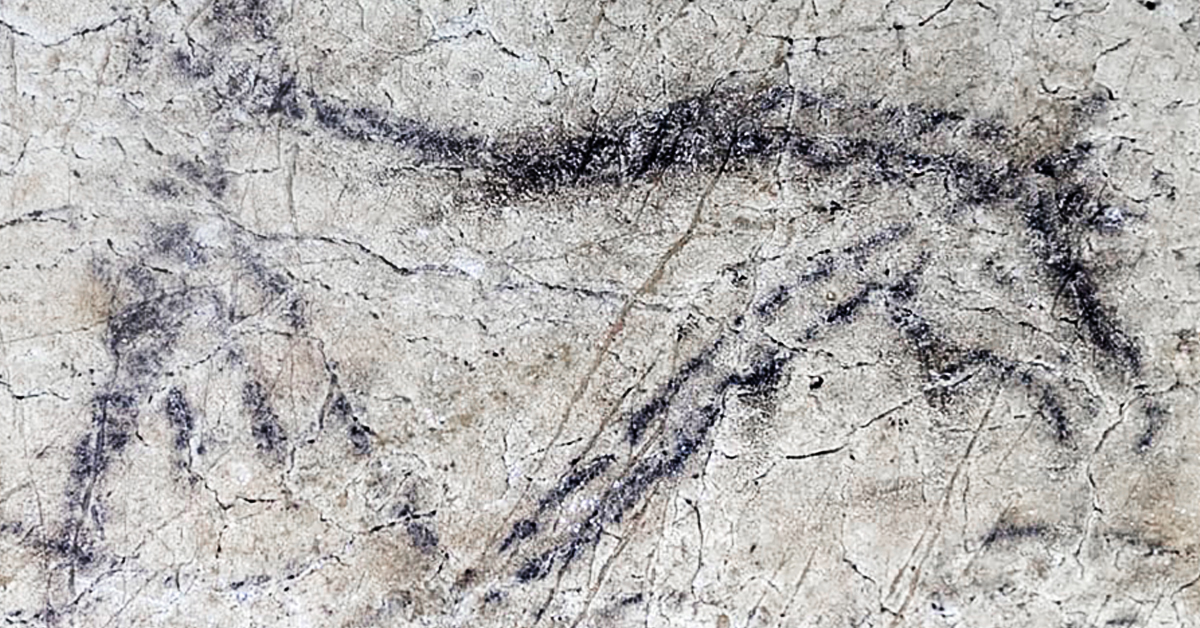
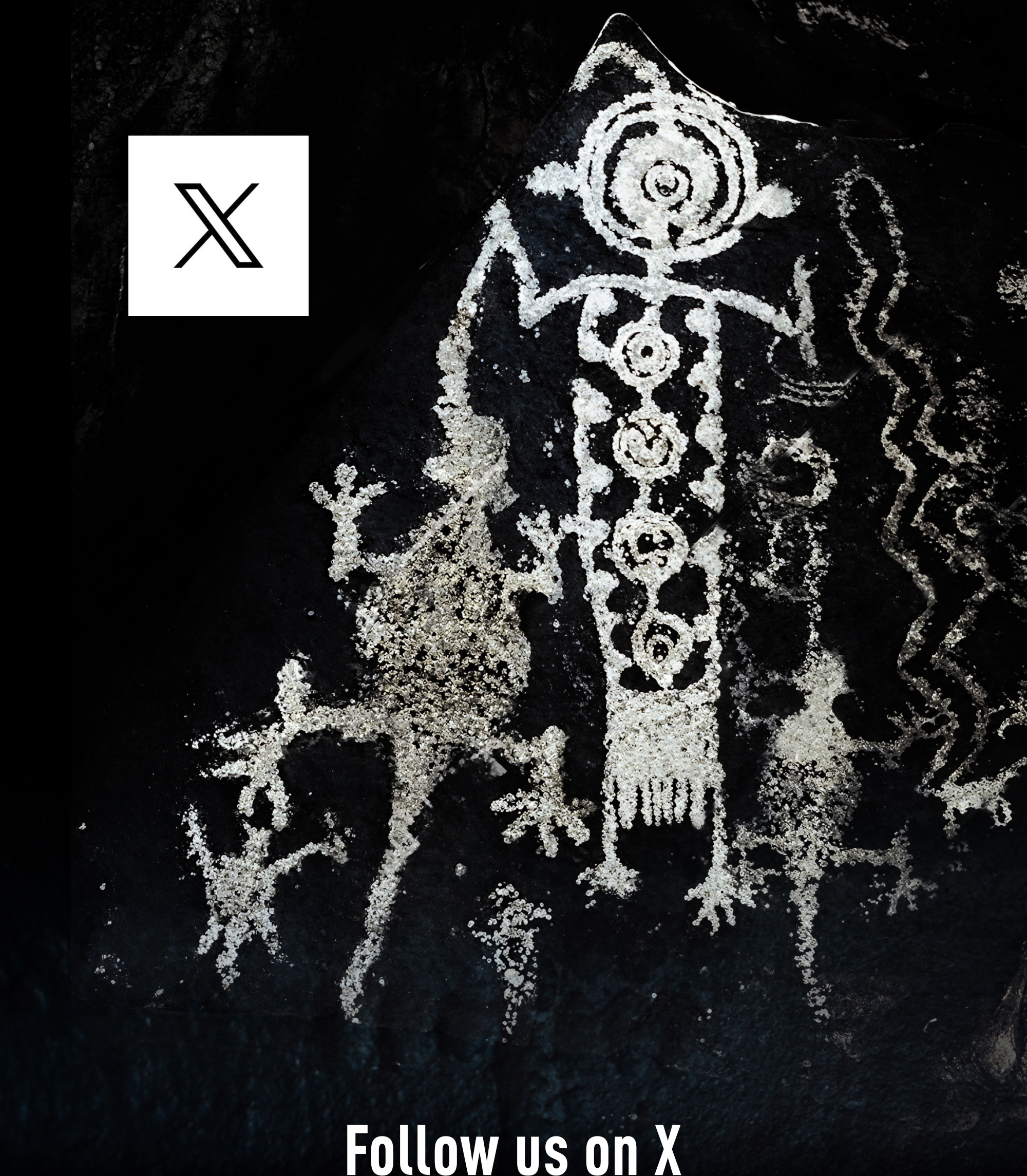
However, after using ethnographic studies from South Africa and other countries, it became clear that shamanism and the rain religion are linked, and that the basic elements of shamanism are present in a large number of rock art petroglyphs in Messak, Acacus, Tajent, Jebel Arkanu, and Jebel Ben Ghanimah.
© Shefa Salem
In
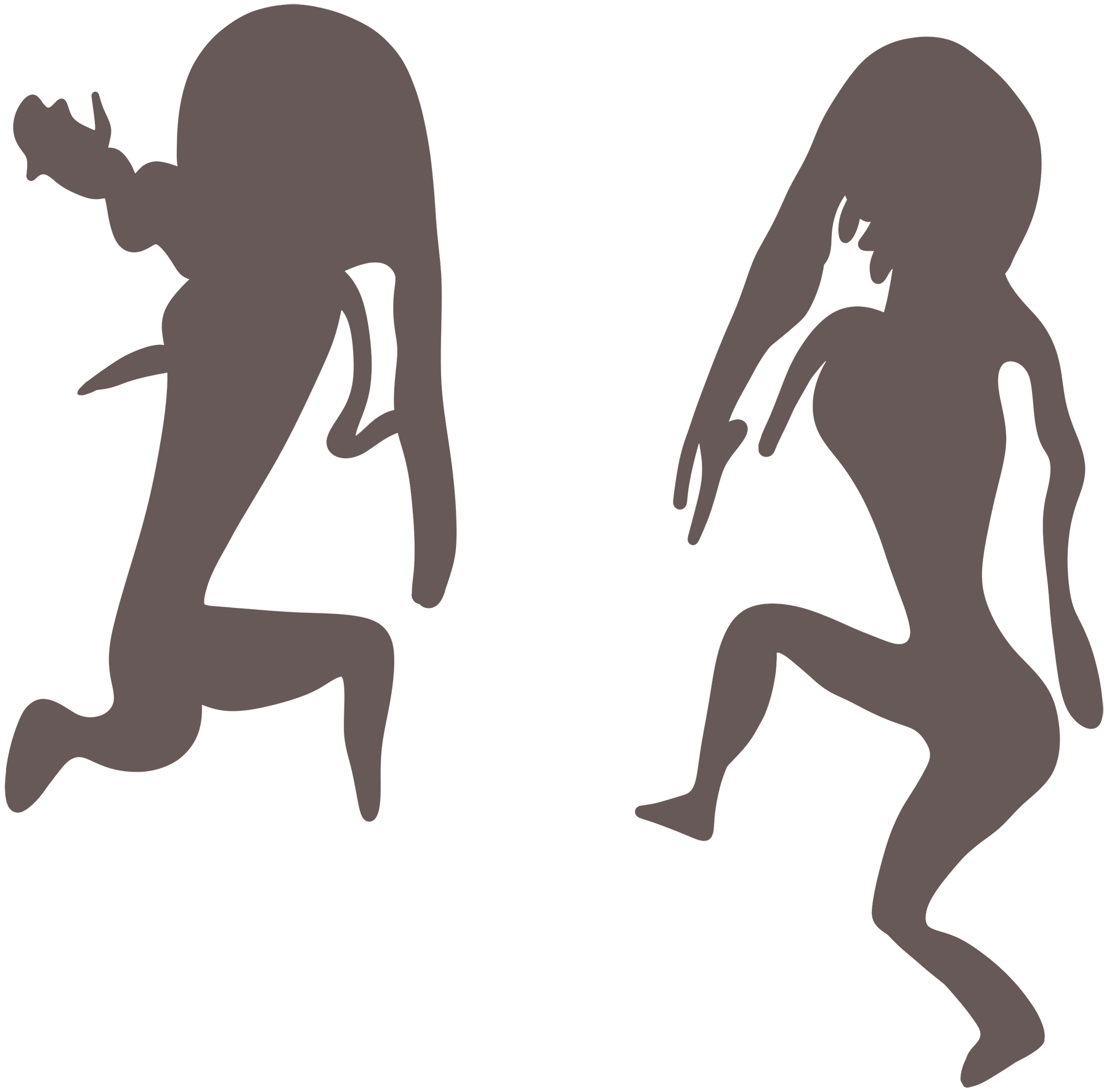
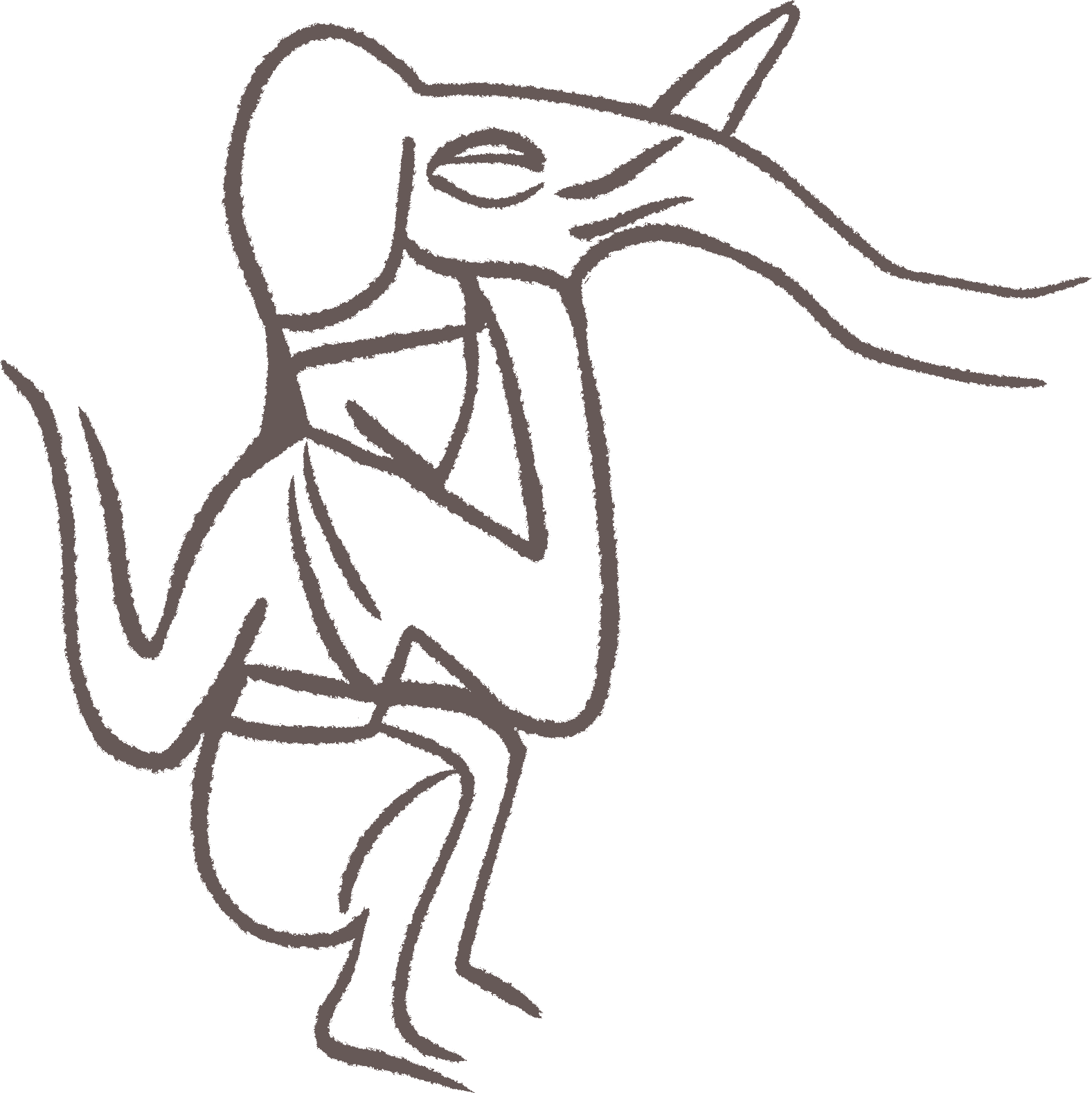
Libyan rock art, symbols appear such as the healing dance, the shaman in a trance state, hunting the water animal and dragging it across arid places, and the shaman negotiating with the spirits of the dead to control rain. There are some murals embodying shamanic ideas that have no parallels in other countries, highlighting the importance of shamanism in Libya and its role in completing the general understanding of shamanism in
Africa. Failure to view
Libyan rock art in a shamanic context led explorers, researchers, and archaeologists to neglect shamanic rock art they could not interpret, and thus
Libyan rock art lost many important murals that would have significantly added to the shamanic perspective.
Libya Rock Art Links
Bradshaw Foundation