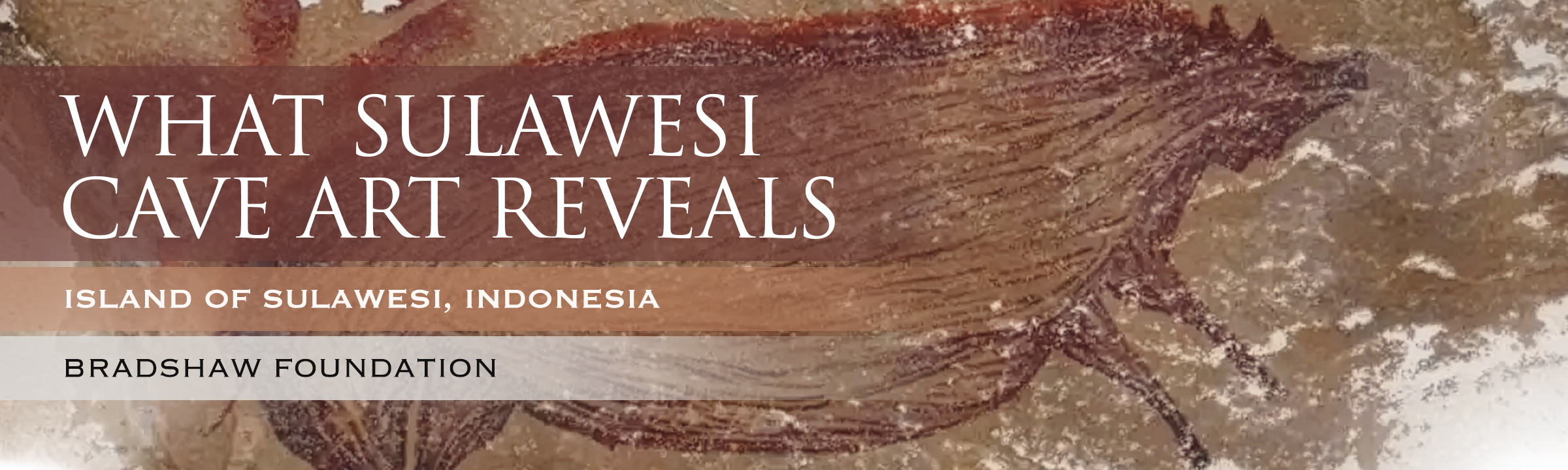
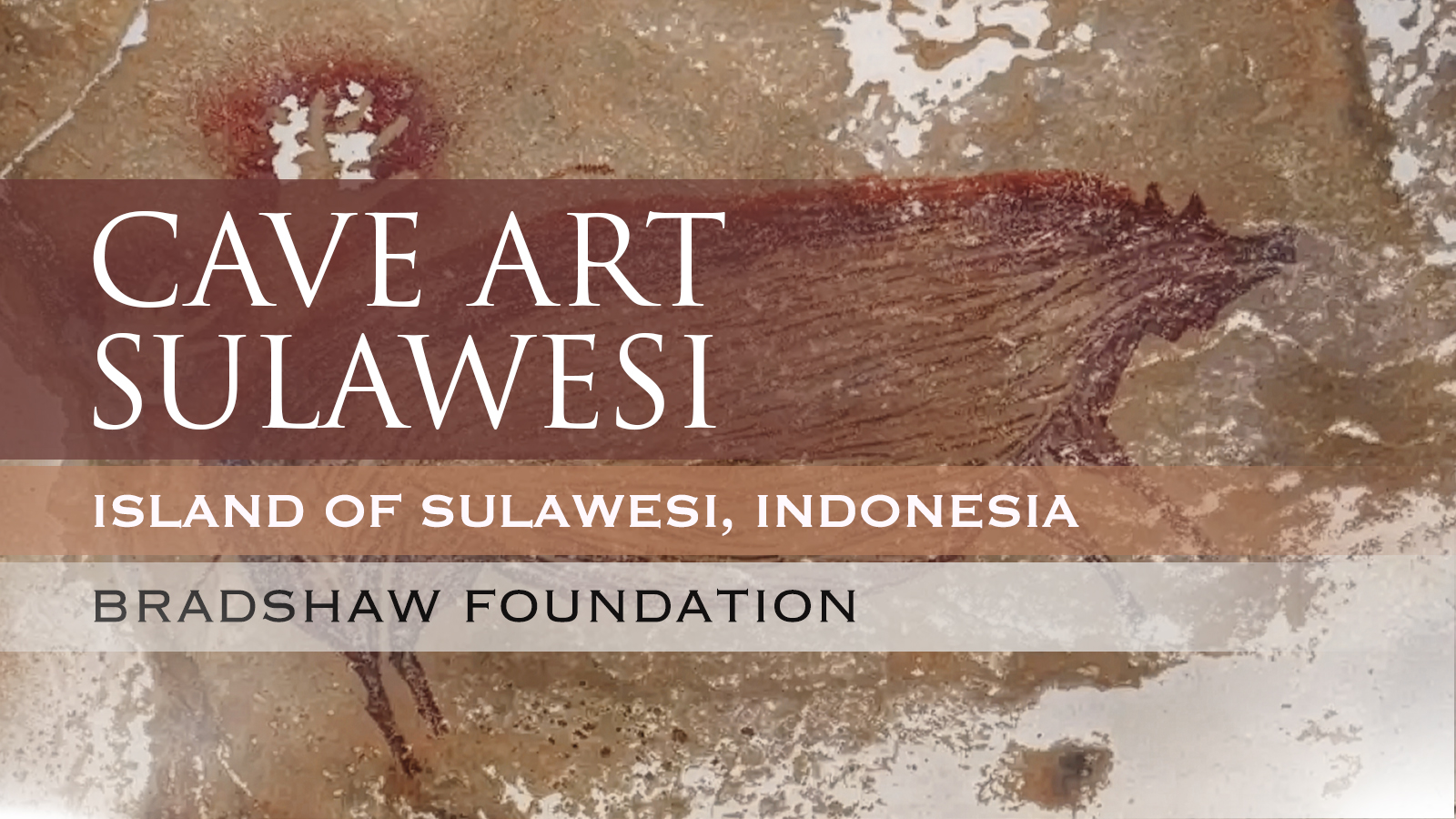
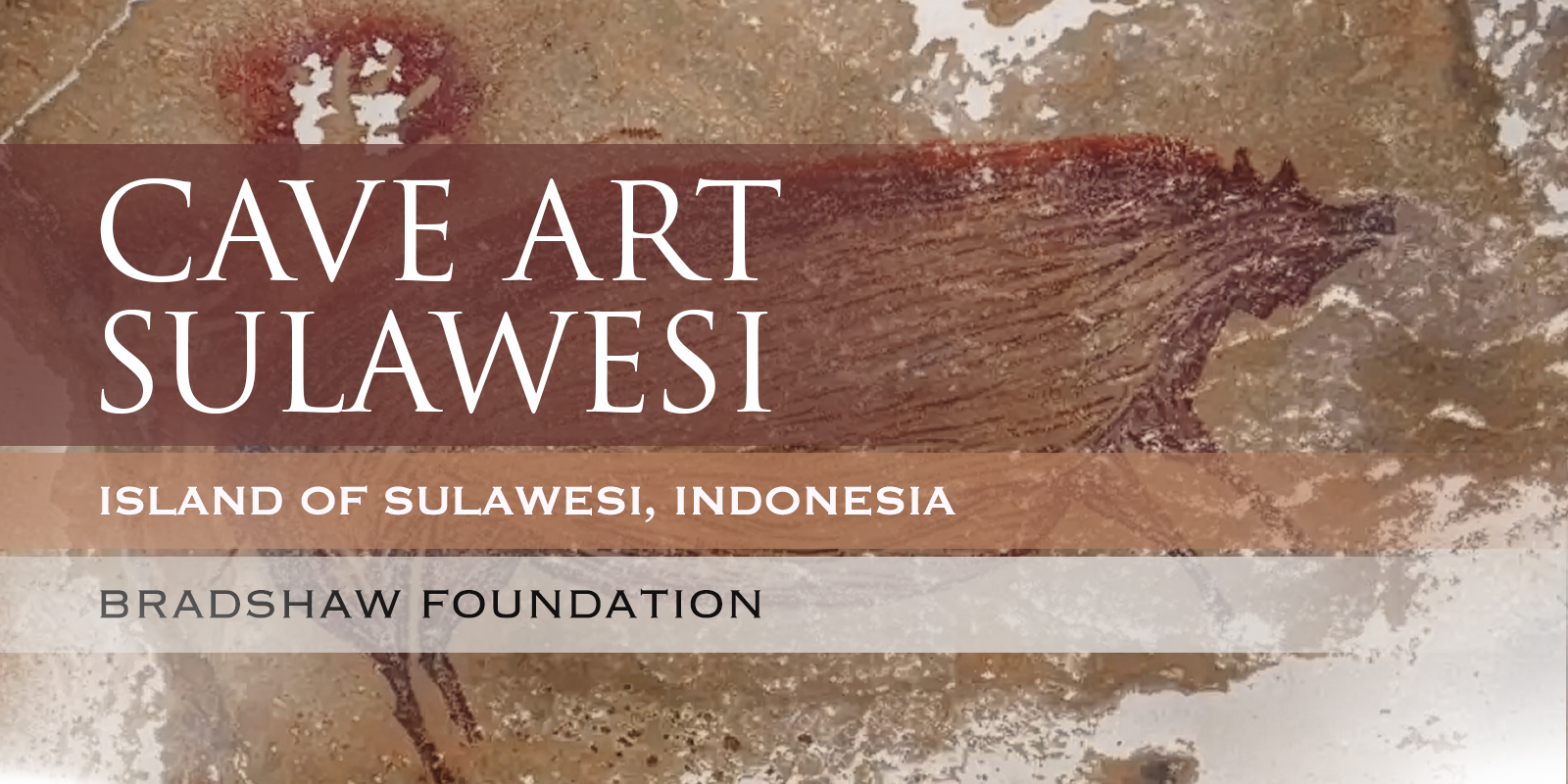

What The Oldest Known Cave Painting Reveals About Early Humans (And What It Doesn't) - reports on how ancient humans were drawing and painting symbols on cave walls at least 45,500 years ago according to research on the Indonesian island of Sulawesi.
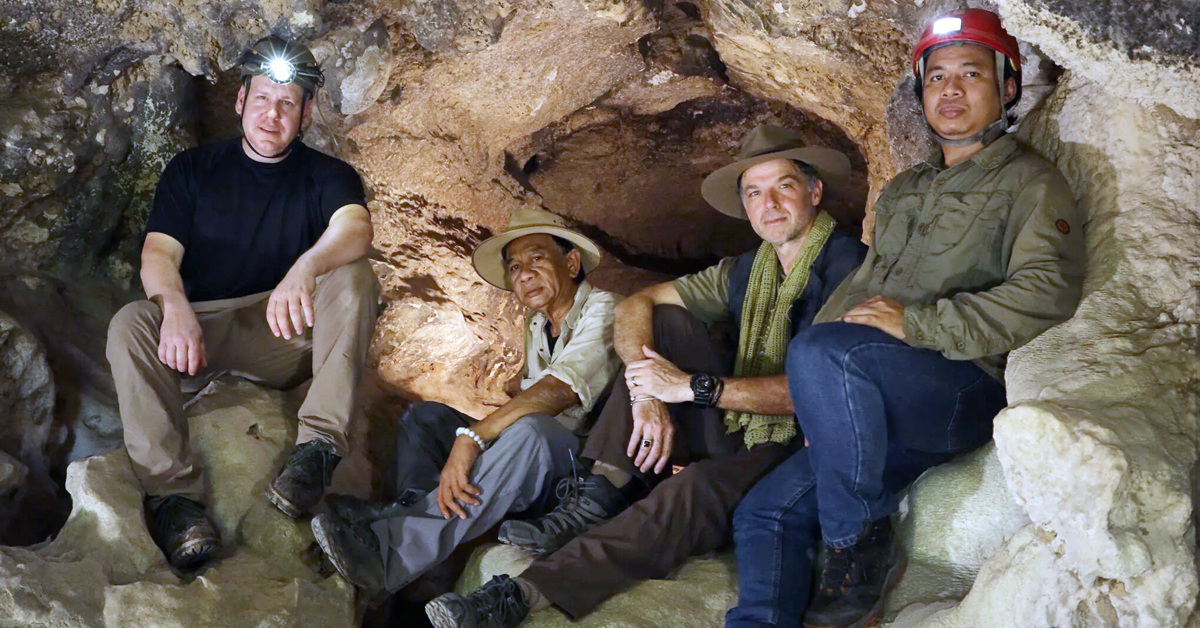
In 2018, researcher Maxime Aubert and his crew were passing through a remote valley on the island of Sulawesi. Across the valley, Aubert, an archaeologist and geochemist at Griffith University in Queensland, Australia, could glimpse the Leang Tedongnge cave. The team were heading towards it following reports from the Indonesian archaeologist Basran Burhan. Aubert had previously studied what were possibly the world’s oldest-known examples of rock art from as long as 44,000 years ago, but as he would later learn, the art Leang Tedongnge would date back even further.

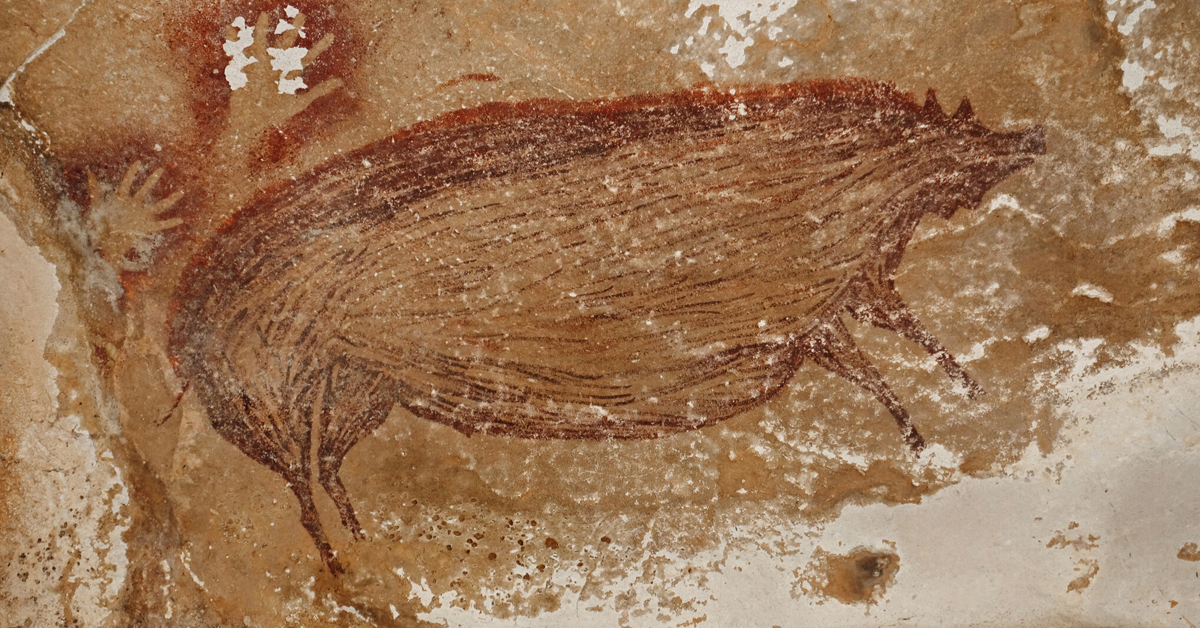
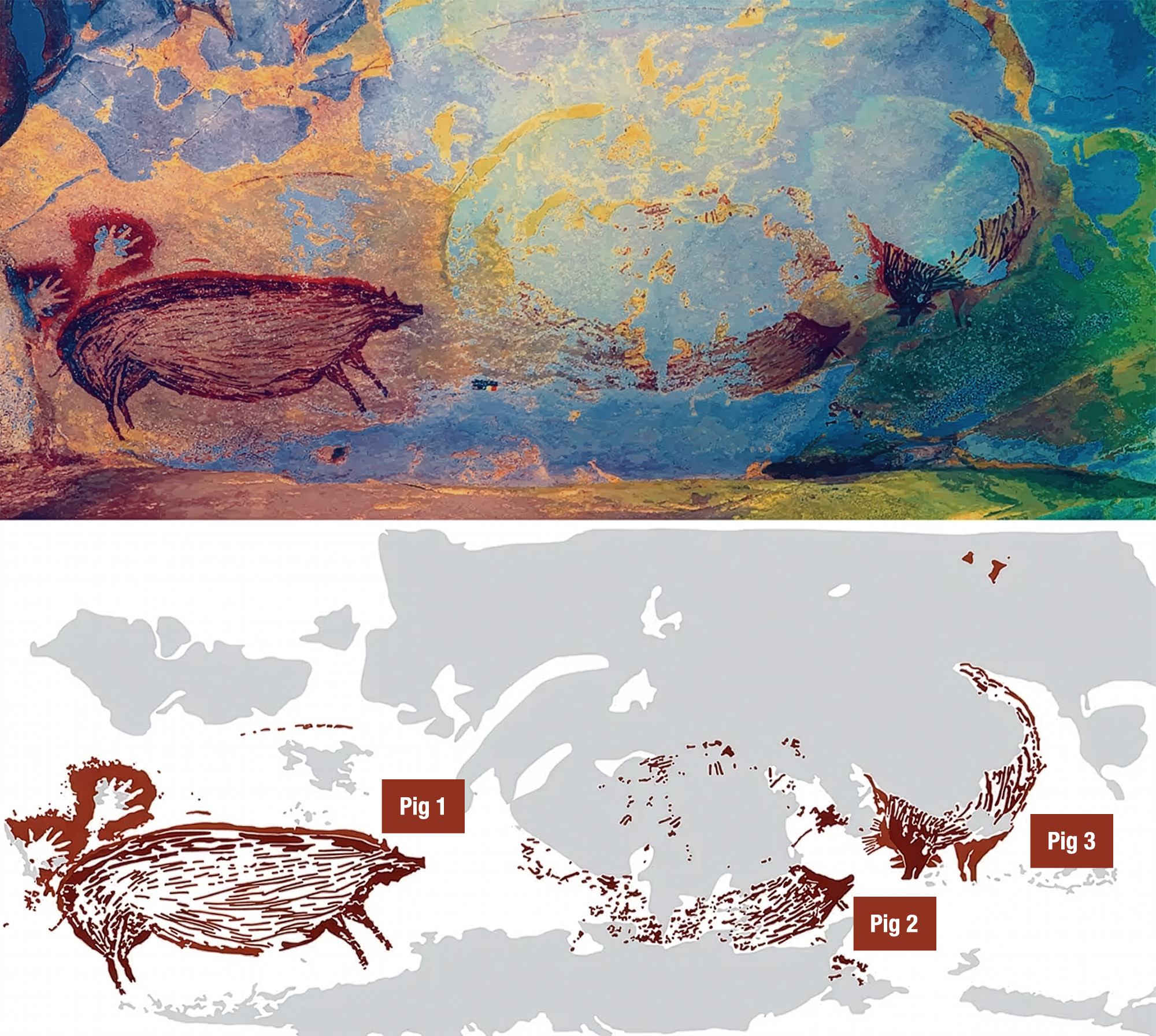
Aubert studied the calcite that had built up on one of the animals. Uranium-series isotope dating of the calcite revealed it was at least 45,500 years old, making it the world’s oldest human cave art discovered so far.
This revelation was surprising because researchers have previously found most ancient cave art in Europe in sites such as Chauvet. In recent years, Aubert and other archeologists have turned back the clock on the beginnings of human art, with a number of high profile discoveries in Indonesia.
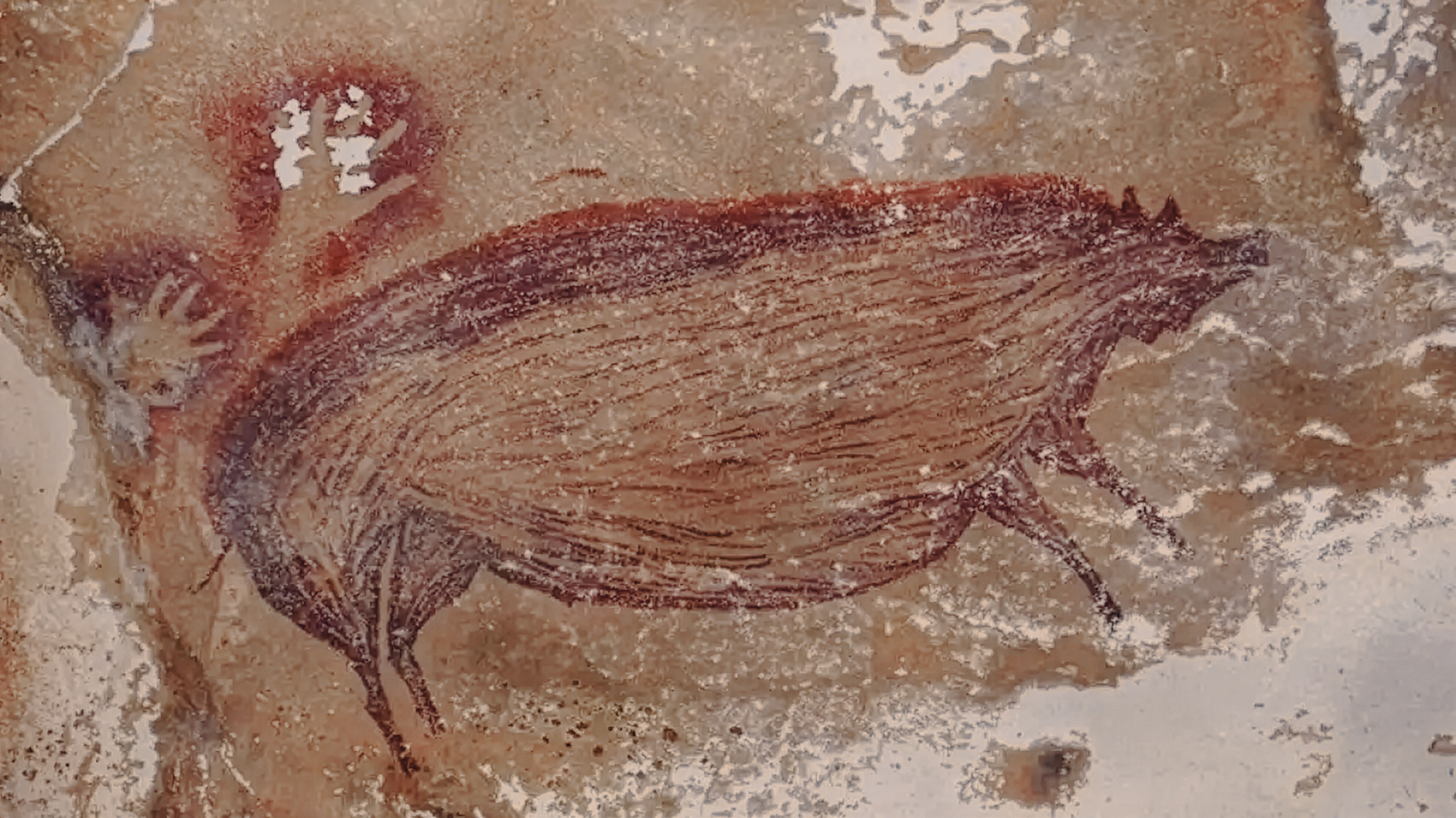
Interpreting this cave art is clearly difficult, but the researchers have proposed a number of explanatory theories, including everything from the development of early storytelling to the roots of spirituality. Dating the art can also reveal a timeline of our ancestors’ early cultural development, one of the key traits that later allowed our species to succeed.
Most of the ancient sketches in both Europe and Indonesia involve large mammals or hand stencils. The former may have represented some of the species that people hunted, but much of the other prey animals found in archaeological deposits weren’t included in these pictures. Therefore, Aubert believes these specific shapes may have been important in some spiritual sense. The handprints could have been a way that people once identified themselves.
The first narrative scene may have arrived with 'Leang Bulu' Sipong 4, a cave discovered in 2017 which Aubert has since studied. Also located in Sulawesi, this art is at least 43,900 years old and shows a series of hybridized animal-human figures hunting pigs. “It’s the first evidence of storytelling,” Aubert says. “The narrative scene was special because I’ve never seen anything like it.”
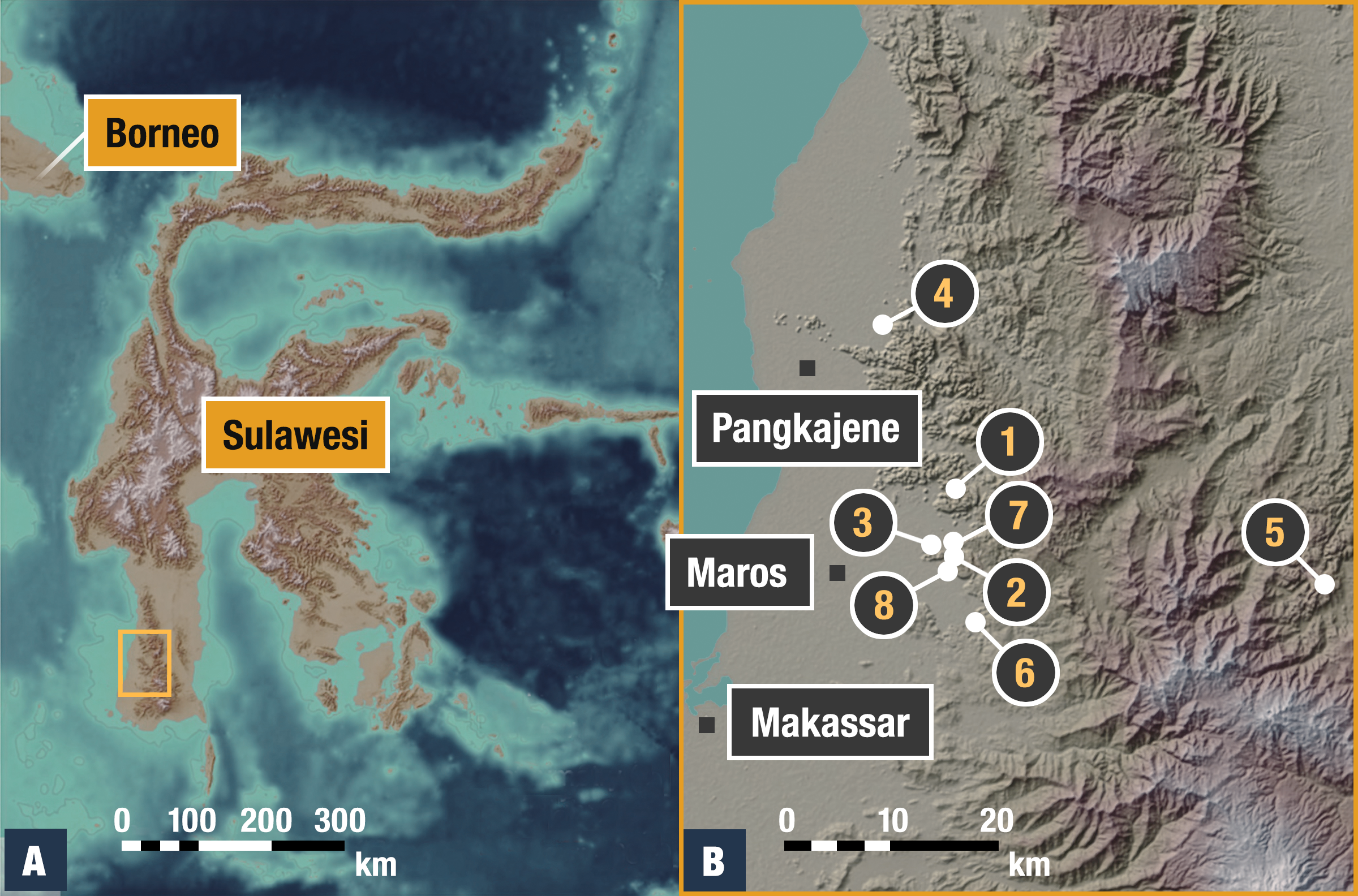
(A) The rock art sites under study are all situated in limestone karst areas in the island’s southwestern peninsula [see (B) for detail of area shown inside the rectangle]. (B) Locations of limestone caves or shelters discussed in the study: 1, Leang Tedongnge; 2, Leang Timpuseng; 3, Leang Barugayya 2; 4, Leang Bulu’ Sipong 4; 5, Gua Uhallie; 6, Leang Balangajia 1; 8, Leang Bulu Bettue; and 8, Leang Burung 2. Map data: Shuttle Radar Topography Mission 1 Arc-Second Global by NASA/NGS/USGS and GEBCO_2014 Grid version 20150318 (http://gebco.net).
He compares this to other early anthropomorphic figures, such as the lion man ivory carving figure dating back between 35,000 and 40,000 years ago that was found in the Hohlenstein-Stadel cave in Germany. This shows us that the artists were not only telling tales at this time, but conceiving things that didn’t actually exist in the real world. “That’s the root of religious thinking,” Aubert explains.
Some researchers claim that these hybrid animal-human figures represent shamanistic beliefs. But Davidson believes you can’t use such a broad brushstroke when examining anthropomorphic drawings, and not all things should be quite so generalized. To him, figures like the lion carving could represent rituals, like people dressing up as animals while hunting. Still, he says, it’s difficult to say for certain.
In general, there are two ways of thinking about the spread of cave art. One is that it started in a single region and gradually spread to other continents. If the current discoveries represent the actual oldest versions, it would mean that cave art originated in Indonesia at least 45,000 years ago, then found its way toward Europe over the next 10,000 years. In contrast, some archeologists think cave art may have independently developed in multiple areas simultaneously.
The Indonesian caves present relatively new revelations. Since Aubert and his colleagues only dated calcite that formed on top of the art rather than the ochre itself, the paintings themselves might be much older. We know that modern humans arrived in Australia around 65,000 years ago, and that they likely came through Indonesia (after spreading from Africa through the Middle East). It’s possible that cave art developed along the way, or that earlier samples in Africa haven’t survived - or have yet to be found.
- The Rock Art of Sulawesi, Indonesia
- Indonesian govt pledges to protect world’s oldest rock art site in Sulawesi - 25 January 2026
- Oldest cave painting of red claw hand could rewrite human creativity timeline - 23 January 2026
- World’s oldest rock art holds clues to early human migration to Australia - 22 January 2026
- Humanity’s oldest known cave art has been discovered in Sulawesi - 21 January 2026
- New dating for the oldest known rock art in Indonesia - 4 July 2024
- What The Oldest Known Cave Painting Reveals About Early Humans (And What It Doesn't) - 20 April 2021
- 40,000 year old rock art found in Indonesia - 9 October 2014