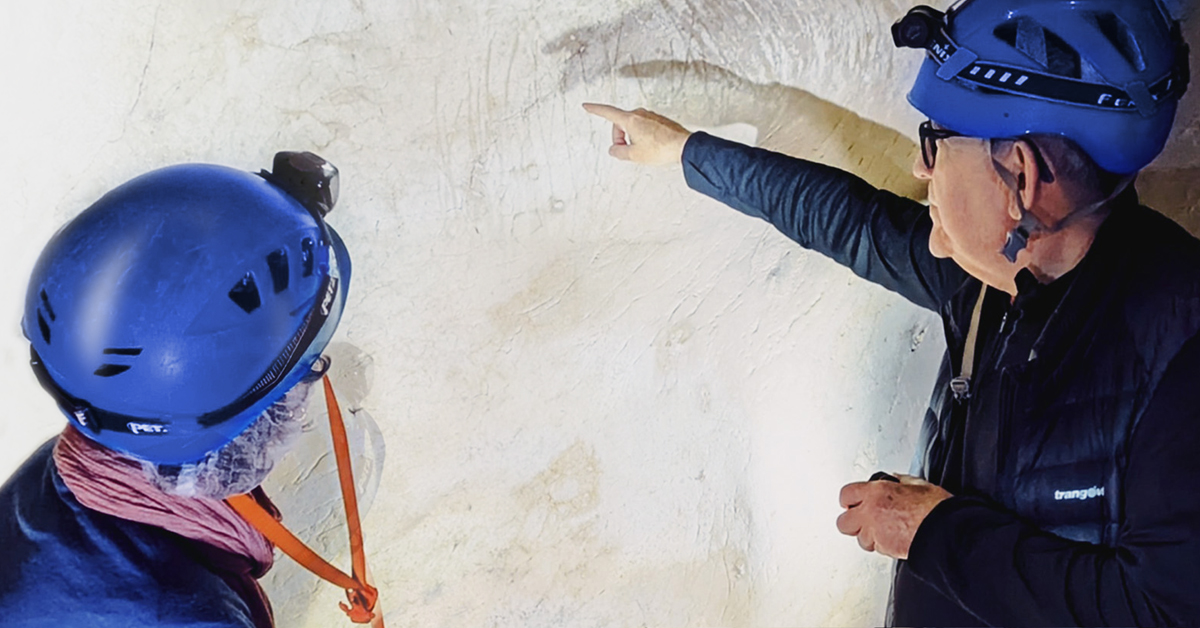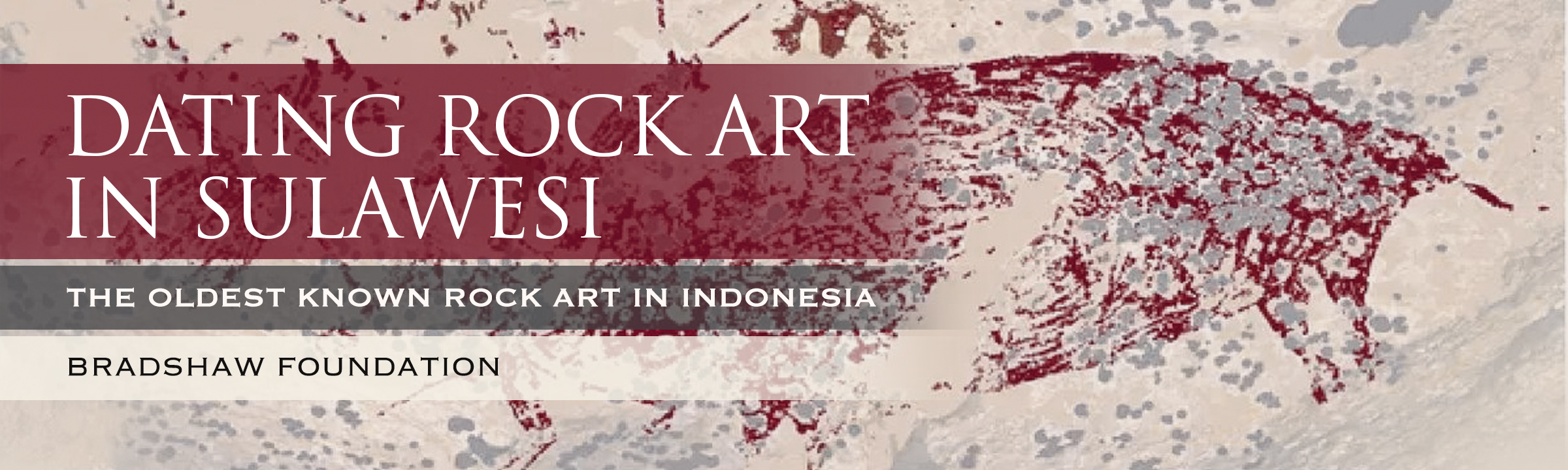
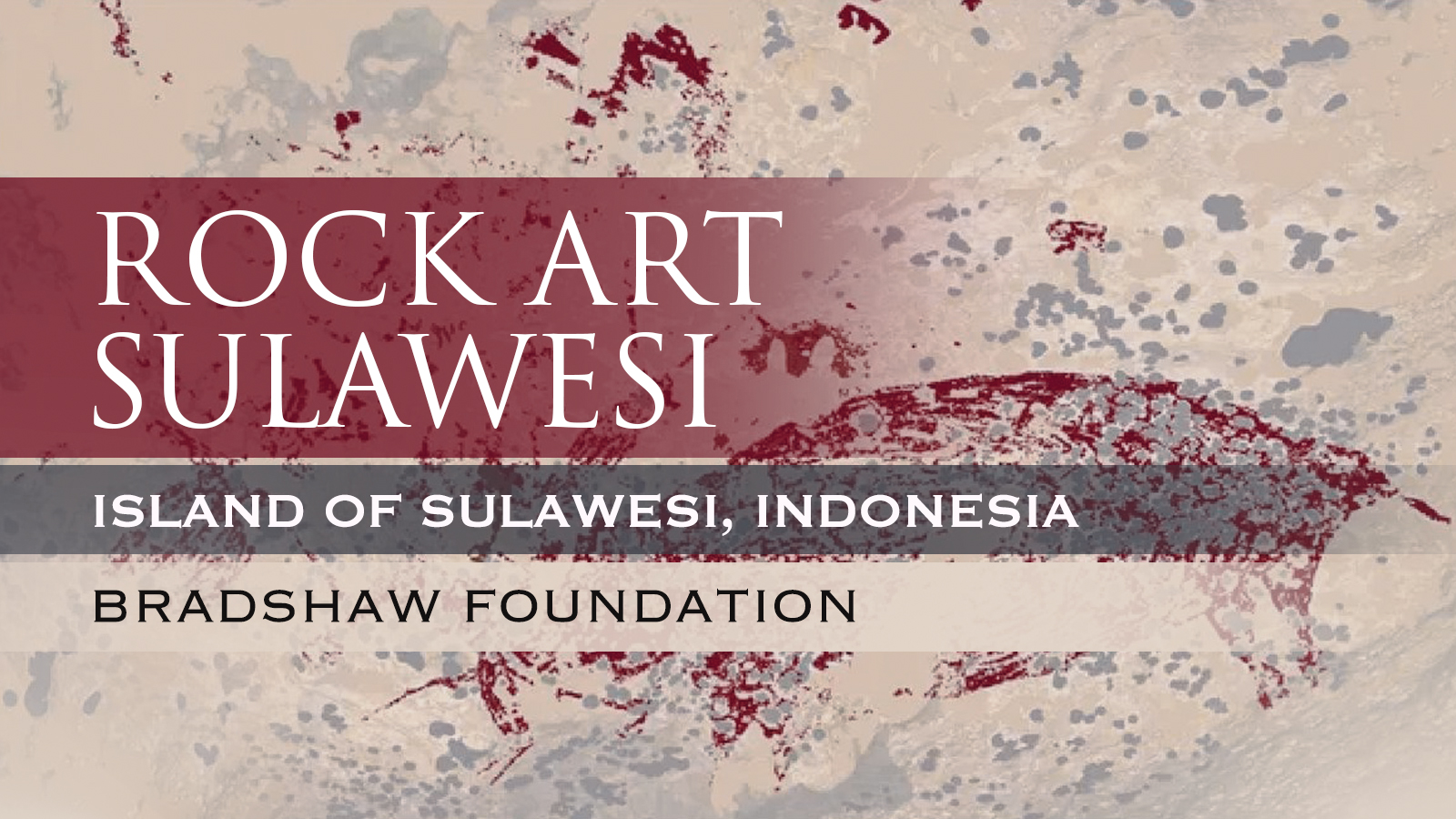
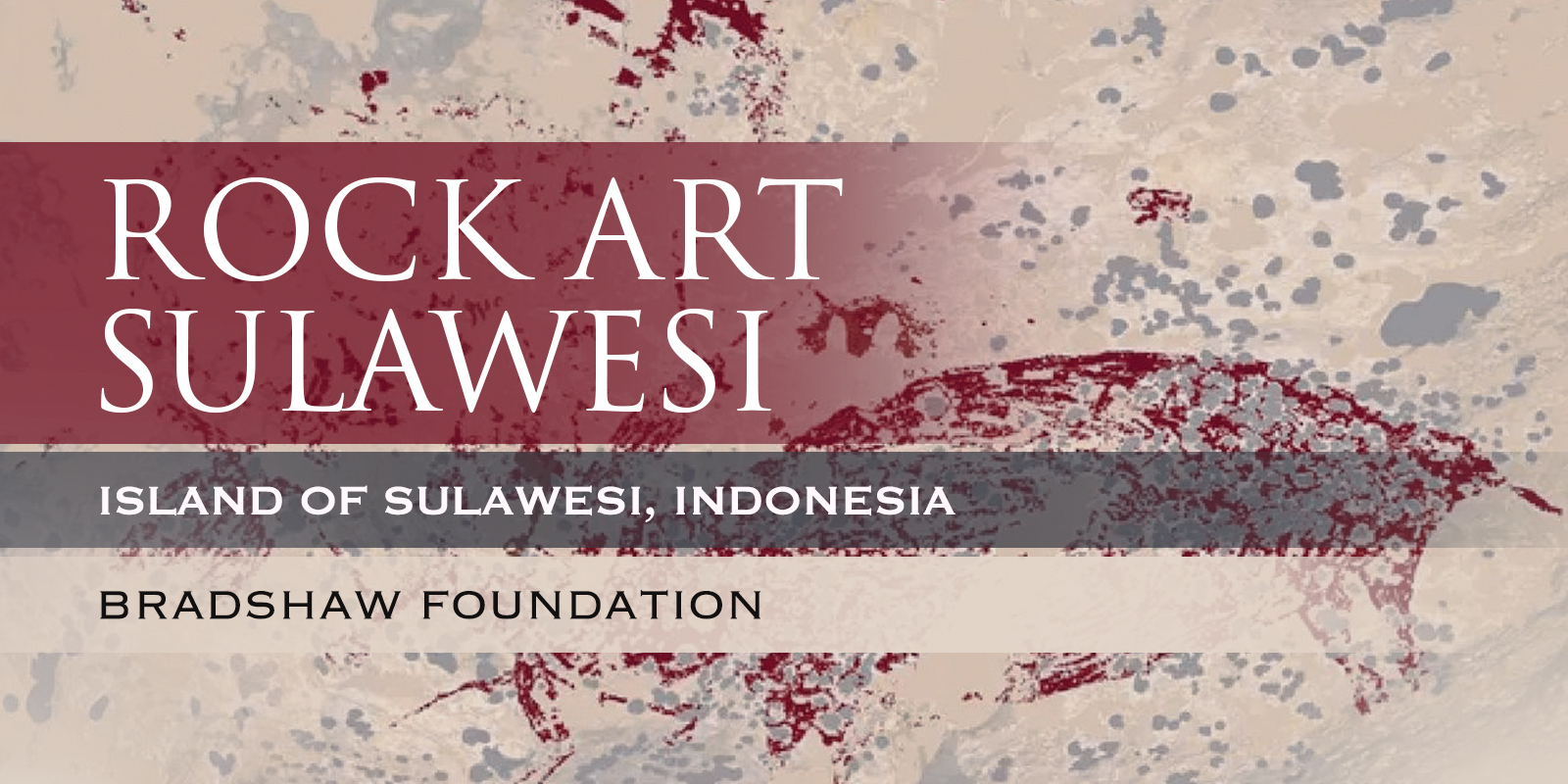
The oldest example of figurative cave art has been discovered in the Indonesian Island of Sulawesi by Australian and Indonesian scientists. The cave is located within the Maros-Pangkep karst hills, part of the Bantimurung-Bulusaraung National Park in South Sulawesi.
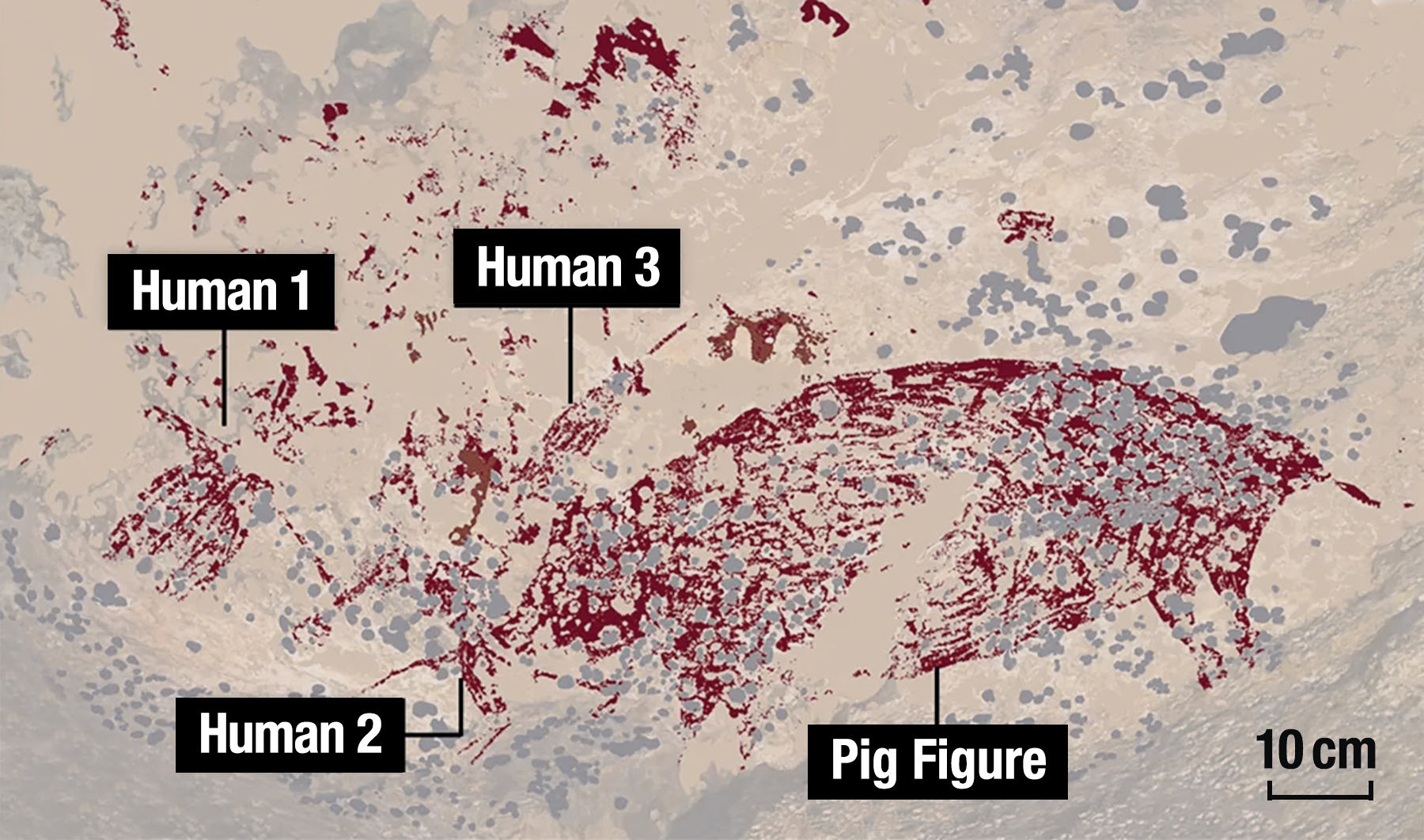
The artwork is over 51,200 years old, making it significantly older than previous, similar finds in the region and rewriting the history of human symbolic art. It indicates that early humans in Southeast Asia had the capacity for complex, narrative-driven thought much earlier than previously thought. The scene features three therianthropes (figures that are part human, part animal) interacting with a Sulawesi warty pig. esearchers used a novel "laser-ablation U-series" technique to date the calcium carbonate (mineral) layer that formed on top of the painting, providing a minimum age.
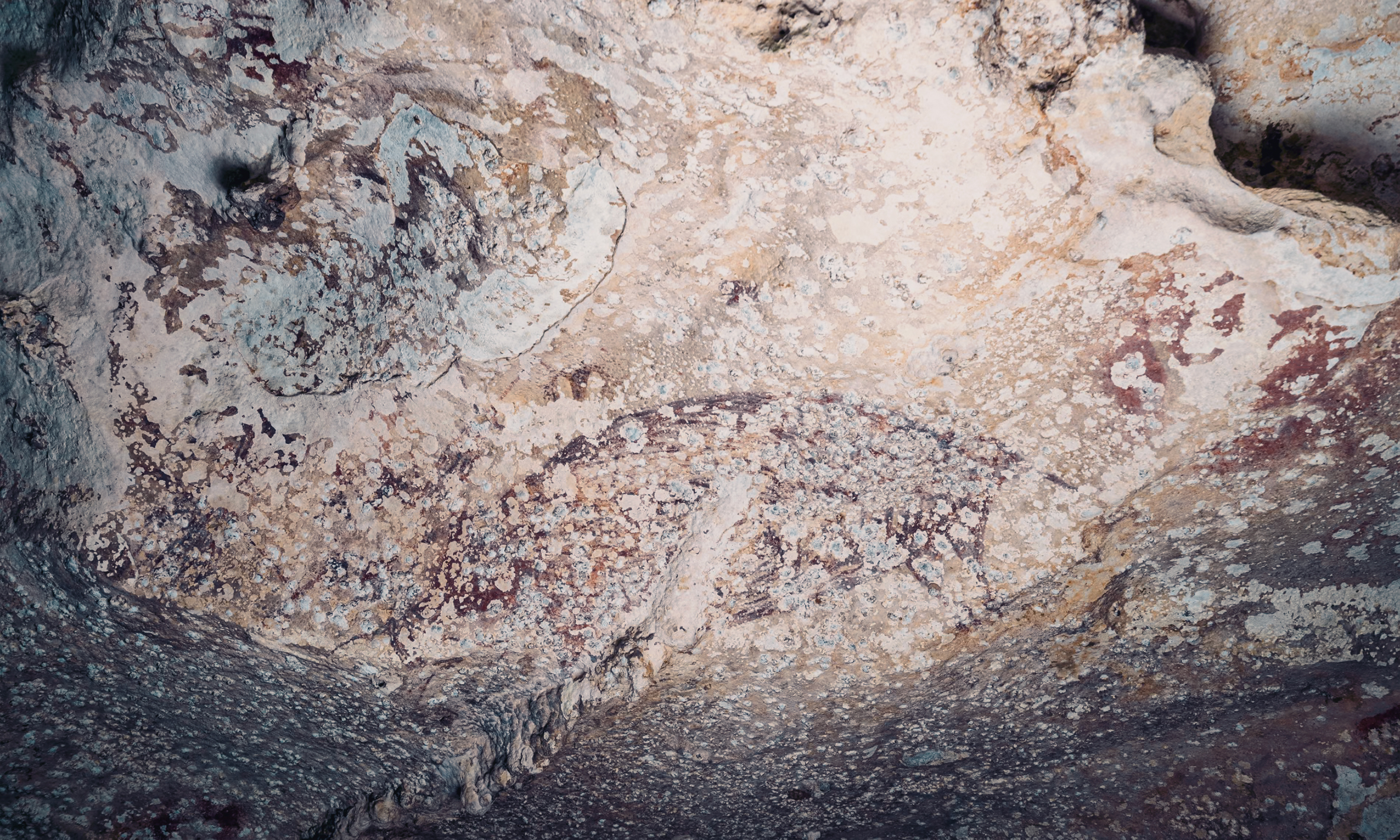
Unlike isolated depictions (like single hand stencils or individual animals), this scene shows grouped figures whose arrangements imply interaction - a form of visual 'storytelling'. The discovery pushes back the time that modern humans first showed the capacity for creative thought. Prof Maxime Aubert from Griffith University in Australia told BBC News that the discovery would change ideas about human evolution: “The painting tells a complex story. It is the oldest evidence we have for storytelling. It shows that humans at the time had the capacity to think in abstract terms.”
The team of scientists was led by Adhi Agus Oktaviana, an Indonesian rock art specialist from the National Research and Innovation Agency (BRIN) in Jakarta. He says that that narrative storytelling was a crucial part of early human culture in Indonesia from a very early point in time: “Humans have probably been telling stories for much longer than 51,200 years, but as words do not fossilise we can only go by indirect proxies like depictions of scenes in art – and the Sulawesi art is now the oldest such evidence by far that is known to archaeology.”
As the Abstract to the recently published paper in Nature - 'Narrative cave art in Indonesia by 51,200 years ago' - by Adhi Agus Oktaviana et al explains:
- The Rock Art of Sulawesi, Indonesia
- Indonesian govt pledges to protect world’s oldest rock art site in Sulawesi - 25 January 2026
- Oldest cave painting of red claw hand could rewrite human creativity timeline - 23 January 2026
- World’s oldest rock art holds clues to early human migration to Australia - 22 January 2026
- Humanity’s oldest known cave art has been discovered in Sulawesi - 21 January 2026
- New dating for the oldest known rock art in Indonesia - 4 July 2024
- What The Oldest Known Cave Painting Reveals About Early Humans (And What It Doesn't) - 20 April 2021
- 40,000 year old rock art found in Indonesia - 9 October 2014