

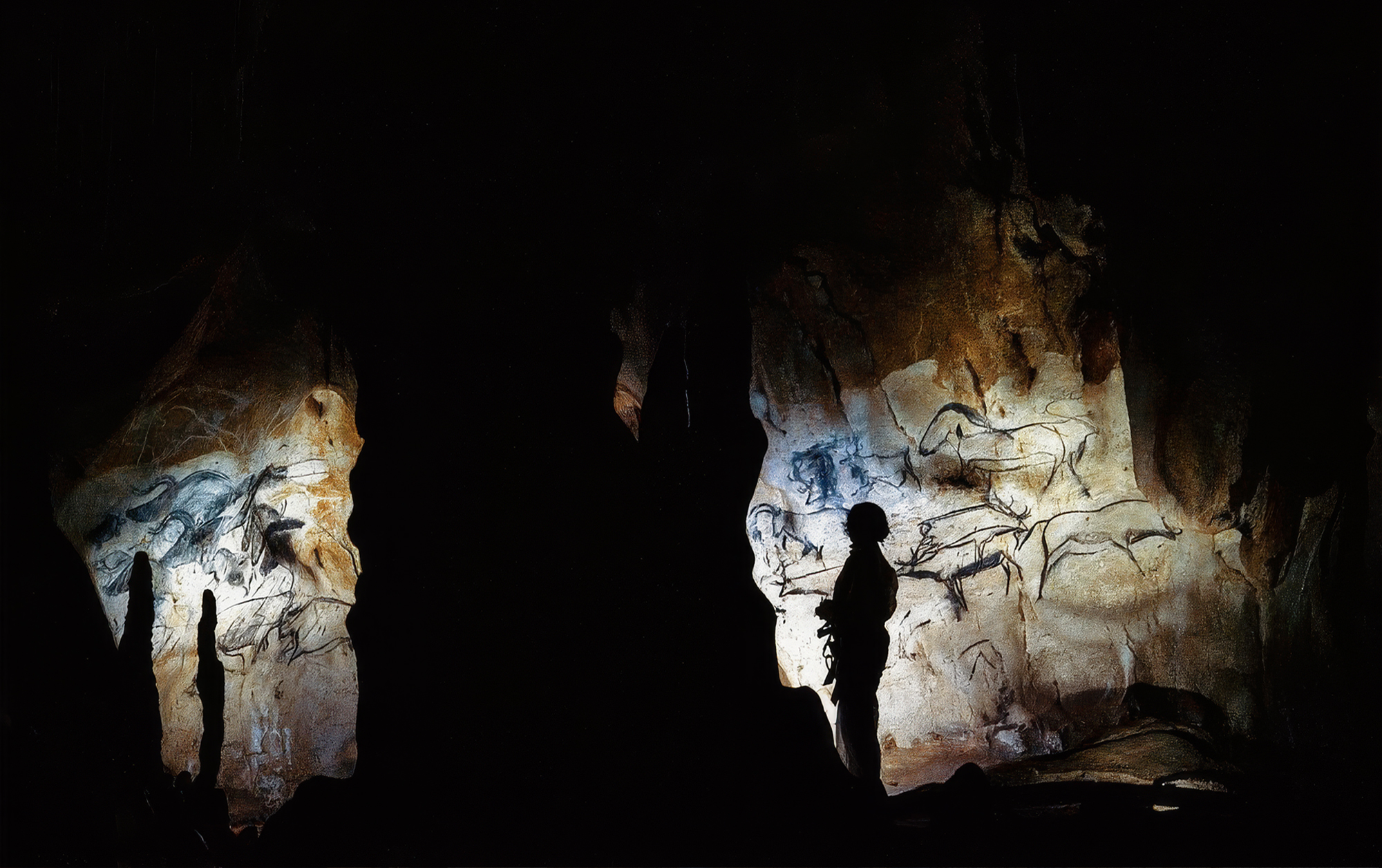
Located in the Ardèche region of France, Chauvet cave survived for millennia before being discovered in 1994 and contains over 1,000 cave paintings dating to 36,000 years ago. French Culture Minister Aurelie Filippetti called the Chauvet cave 'a major site for humanity' that provides an exceptional opportunity for study. It is 'a jewel whose emotional power is as strong today as when it was conceived,' she said in a statement. While a French lawmaker for the Ardèche, Pascal Terrasse, went on to describe the cave as 'a first cultural act'. 'This artist has now been recognised,' Terrasse said. 'May he forgive us for waiting 36,000 years.'
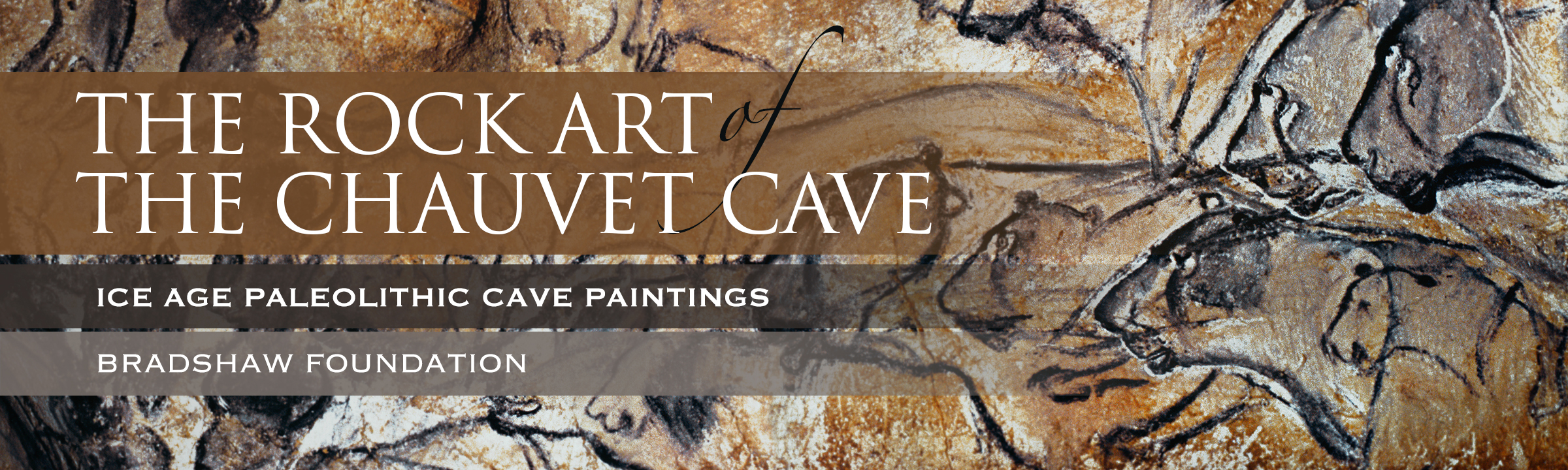
Located in the Ardèche region of France, Chauvet cave survived for millennia before being discovered in 1994 and contains over 1,000 cave paintings dating to 36,000 years ago. French Culture Minister Aurelie Filippetti called the Chauvet cave 'a major site for humanity' that provides an exceptional opportunity for study. It is 'a jewel whose emotional power is as strong today as when it was conceived,' she said in a statement. While a French lawmaker for the Ardèche, Pascal Terrasse, went on to describe the cave as 'a first cultural act'. 'This artist has now been recognised,' Terrasse said. 'May he forgive us for waiting 36,000 years.'

French Culture Minister
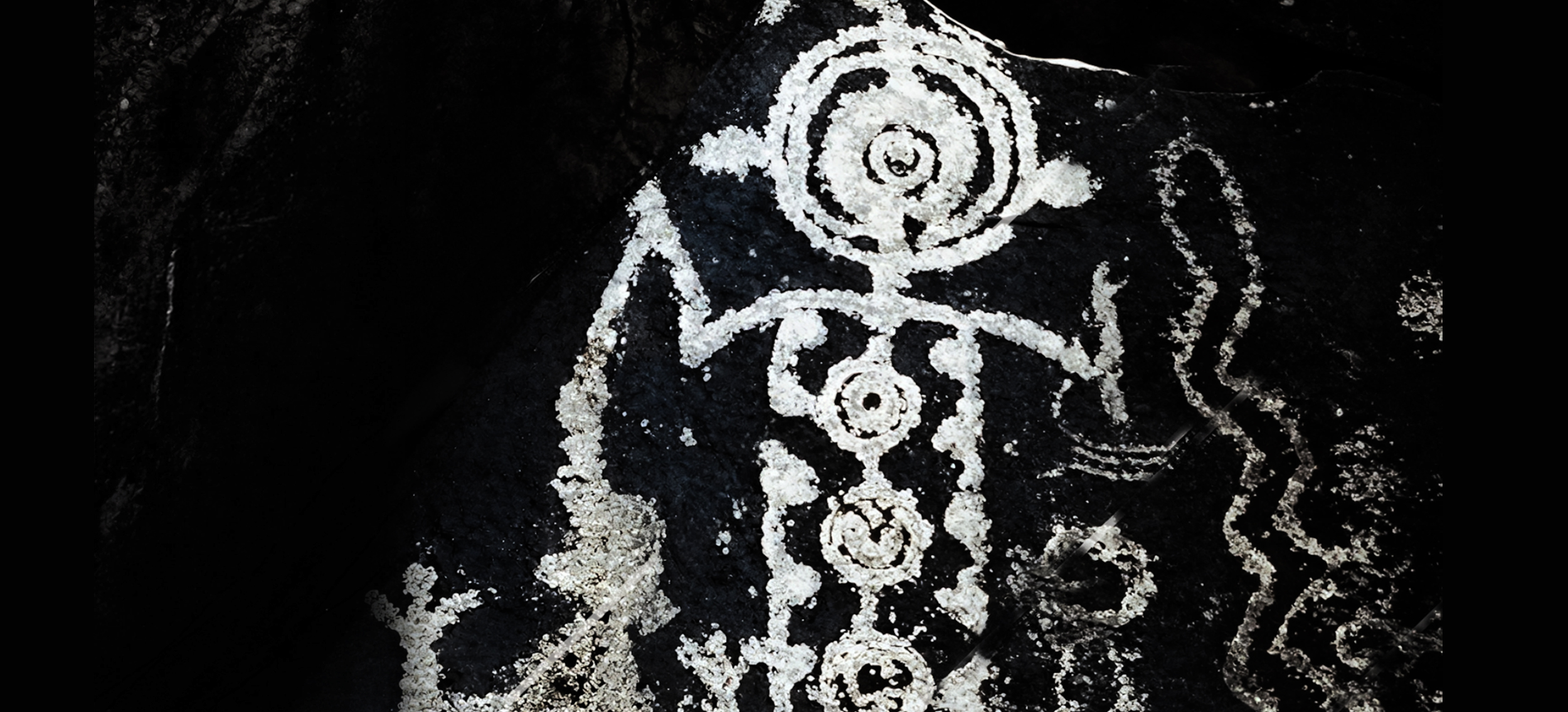
Speaking about the Chauvet cave, UNESCO said "Grotte Chauvet contains the earliest and best-preserved expressions of artistic creation of the Aurignacian people, which are also the earliest known figurative drawings in the world".
"The large number of over 1,000 drawings covering over 8,500 square metres (90,000 square feet), as well as their high artistic and aesthetic quality, make Grotte Chauvet an exceptional testimony of prehistoric cave art."
"Its state of preservation and authenticity is exceptional as a result of its concealment over 23 millennia."
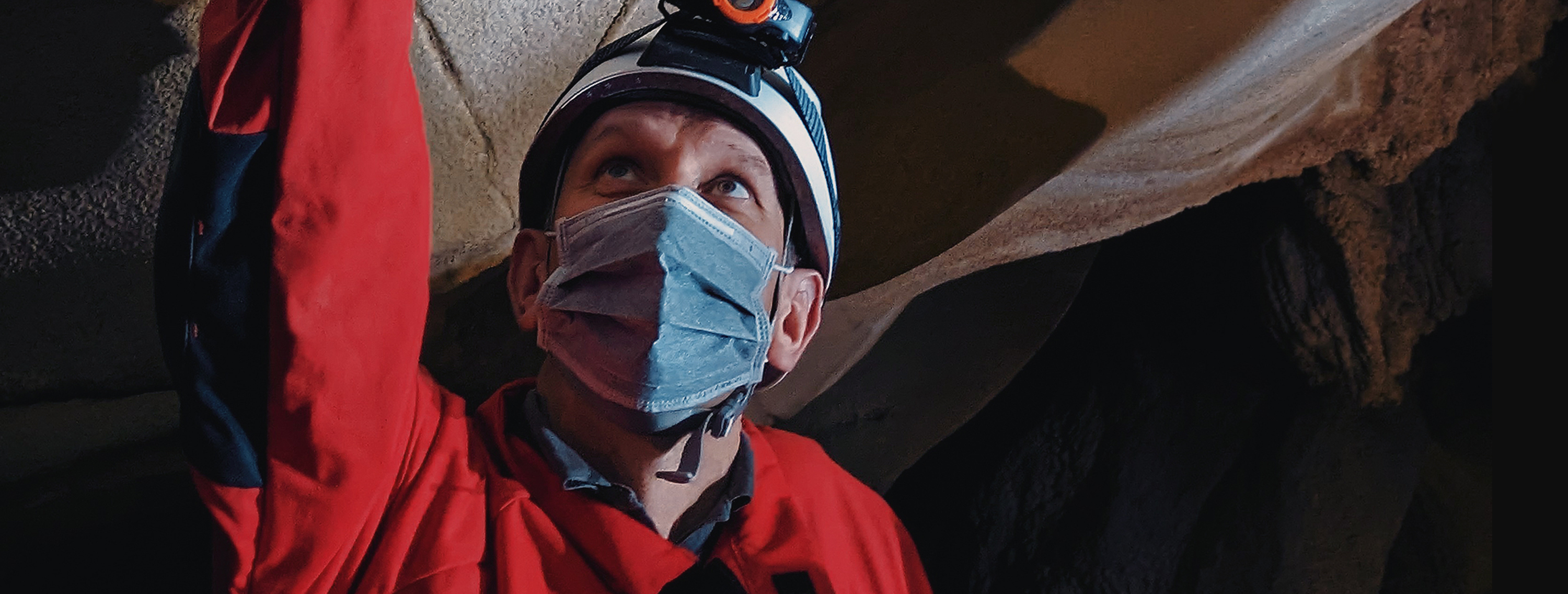
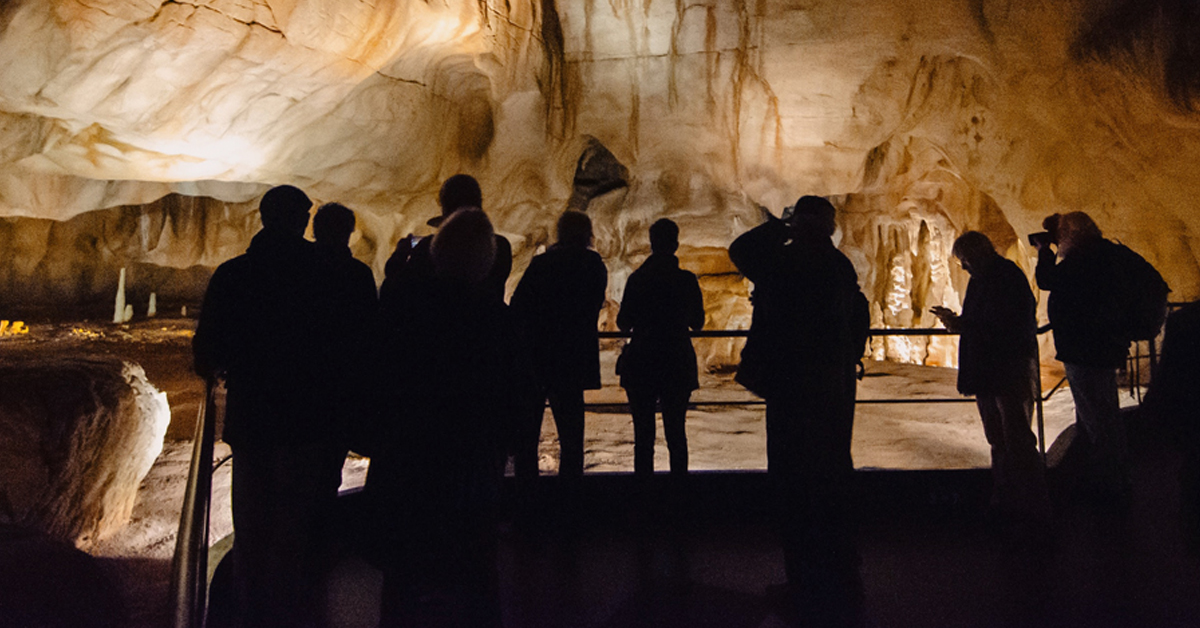
23,000 years ago a rockfall sealed of the opening to Chauvet which is located about 25 metres underground. There it lay undisturbed until 1994 when it was rediscovered by three French cave experts, leading to France declaring it a a protected heritage site. The caves access has been severely restricted and very few researchers have been allowed to visit Chauvet. Members of the Bradshaw Foundation were fortunate to visit the cave, guided by the eminent French prehistorian Dr. Jean Clottes, former director of prehistoric antiquities for the Midi-Pyrenees region of France and scientific advisor on prehistoric art to the French Ministry of Culture.
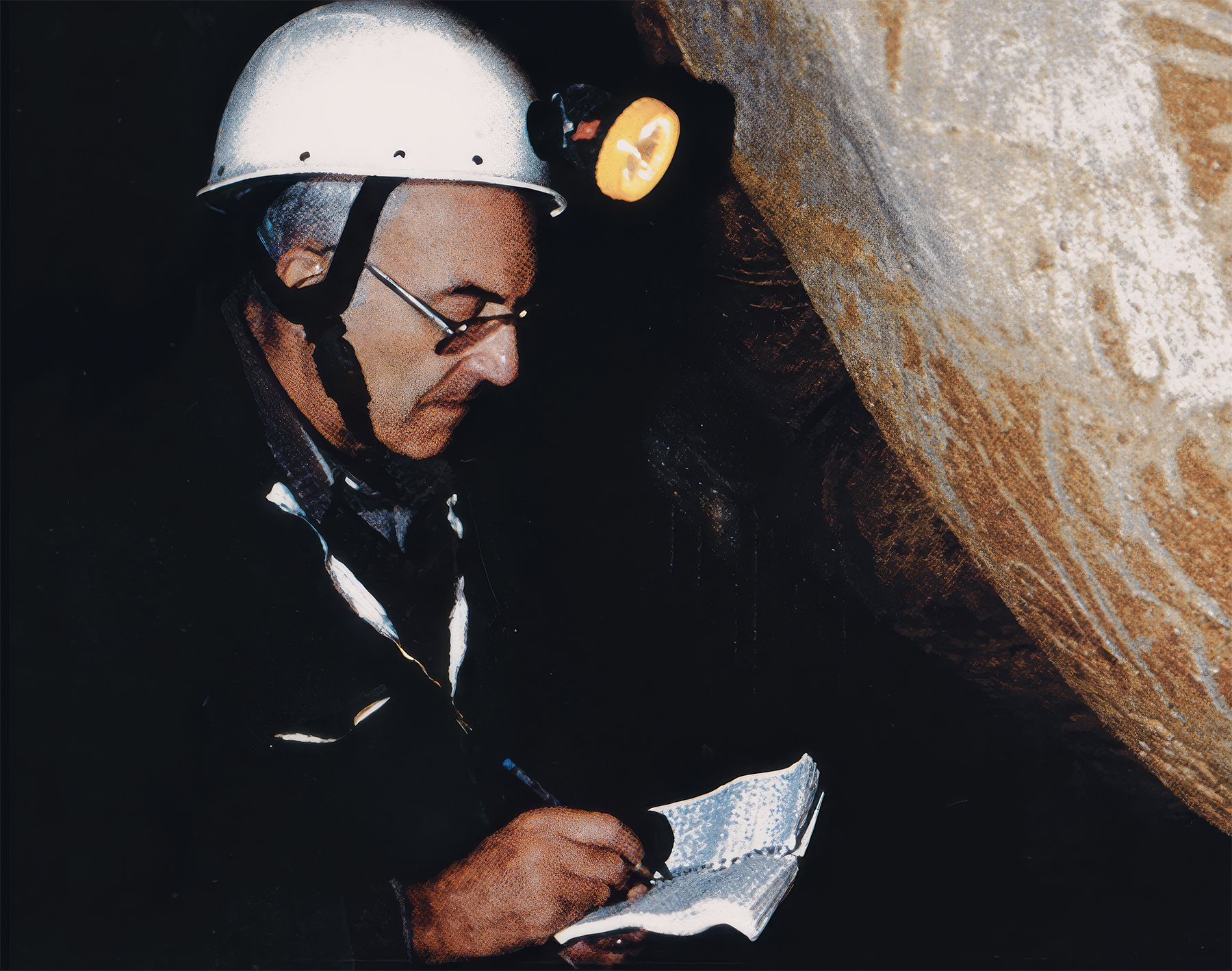
research team in Chauvet Cave
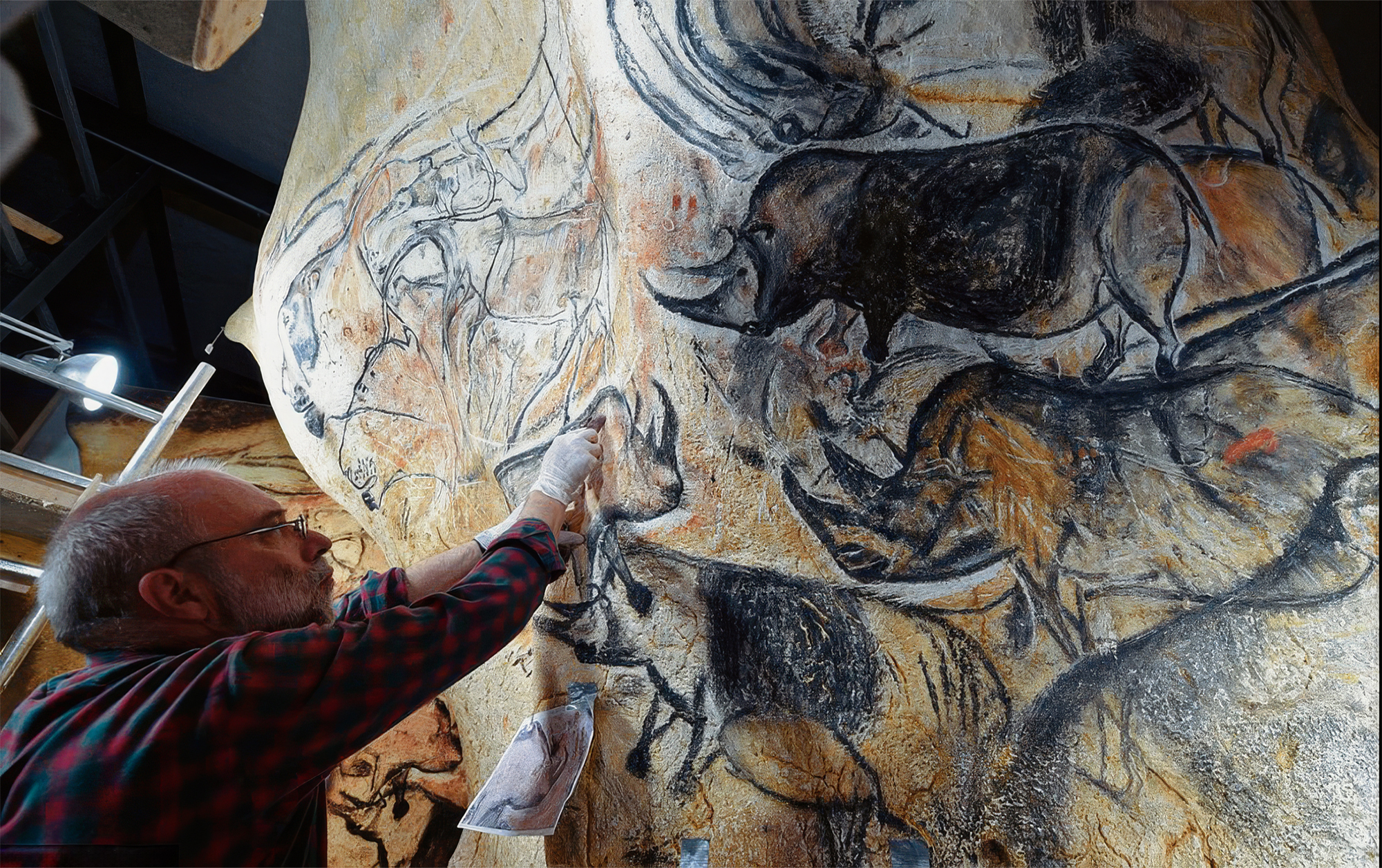
Speaking to the Bradshaw Foundation Dr. Jean Clottes, who headed the first research team in Chauvet cave, commented "On 22 June 2014, the Chauvet cave in southern France was put on UNESCO’s World Heritage List by a unanimous vote of the Committee members at their meeting in Doha (Qatar), under the name “Grotte ornée du Pont d’Arc, dite grotte Chauvet-Pont d’Arc, Ardèche”. It is a welcome official recognition of the outstanding importance of the Cave in particular and of cave art in general. For preservation reasons, the cave will never be opened to the public. An ambitious replica (called Caverne du Pont d’Arc – Ardèche) is however being built (a 55 millions euros project). It will allow all those interested to visit the reconstructed main panels as if one were inside the cave. It is planned to open on 26 April 2015".
Speaking to the Bradshaw Foundation Dr. Jean Clottes, who headed the first research team in Chauvet cave, commented "On 22 June 2014, the Chauvet cave in southern France was put on UNESCO’s World Heritage List by a unanimous vote of the Committee members at their meeting in Doha (Qatar), under the name “Grotte ornée du Pont d’Arc, dite grotte Chauvet-Pont d’Arc, Ardèche”. It is a welcome official recognition of the outstanding importance of the Cave in particular and of cave art in general. For preservation reasons, the cave will never be opened to the public. An ambitious replica (called Caverne du Pont d’Arc - Ardèche) is however being built (a 55 millions euros project). It will allow all those interested to visit the reconstructed main panels as if one were inside the cave. It is planned to open on 26 April 2015".
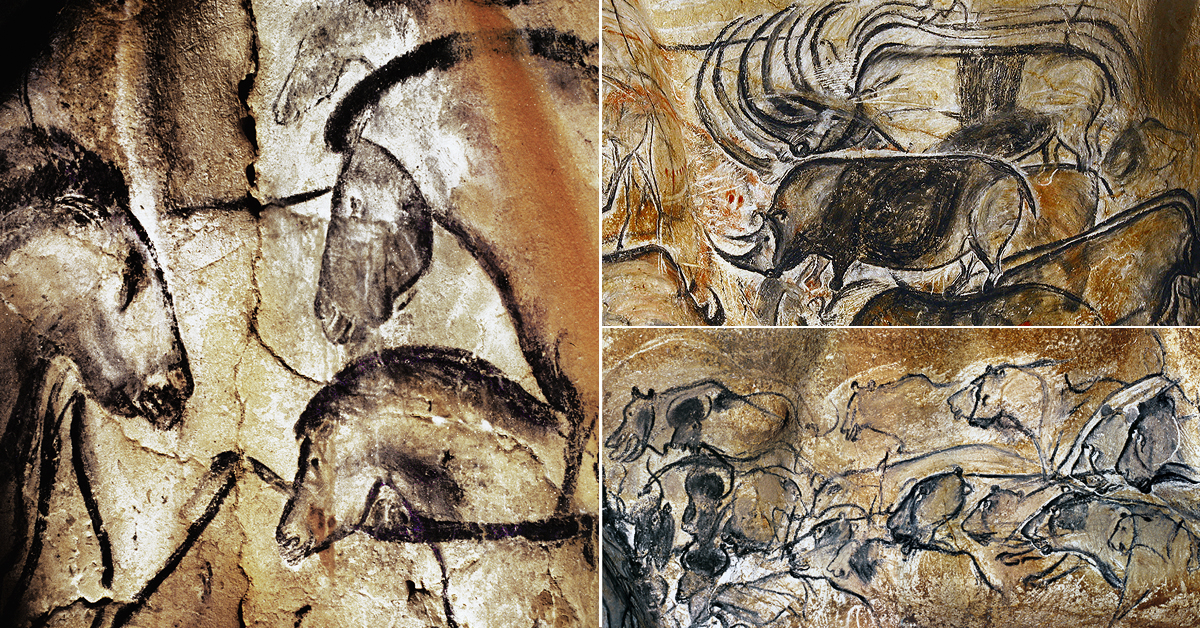
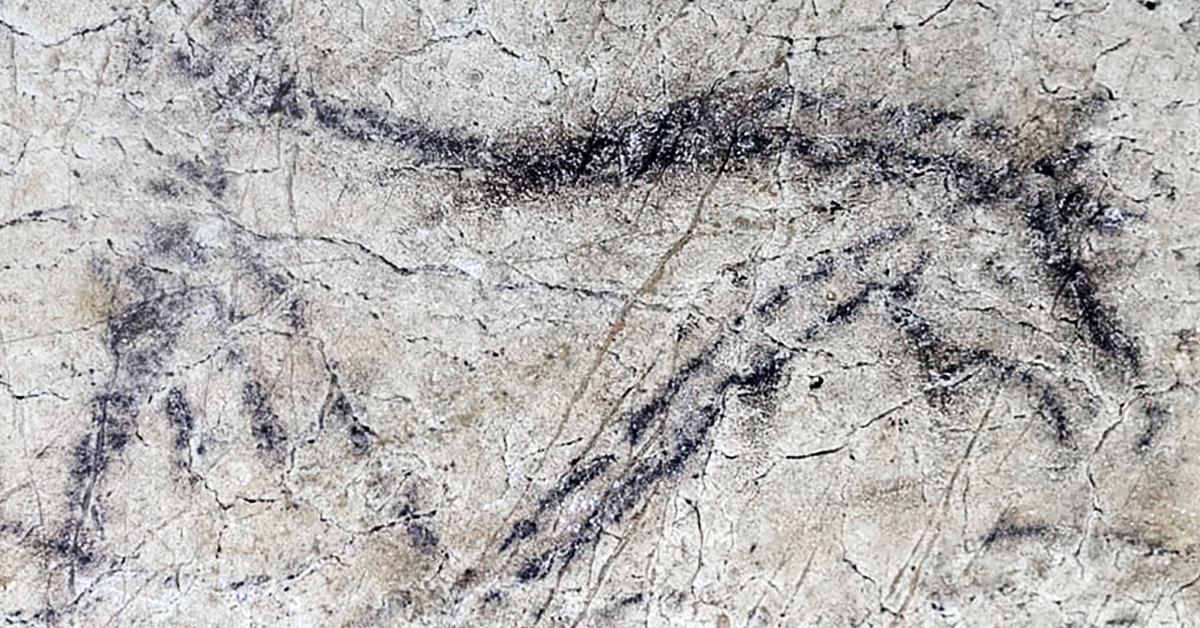
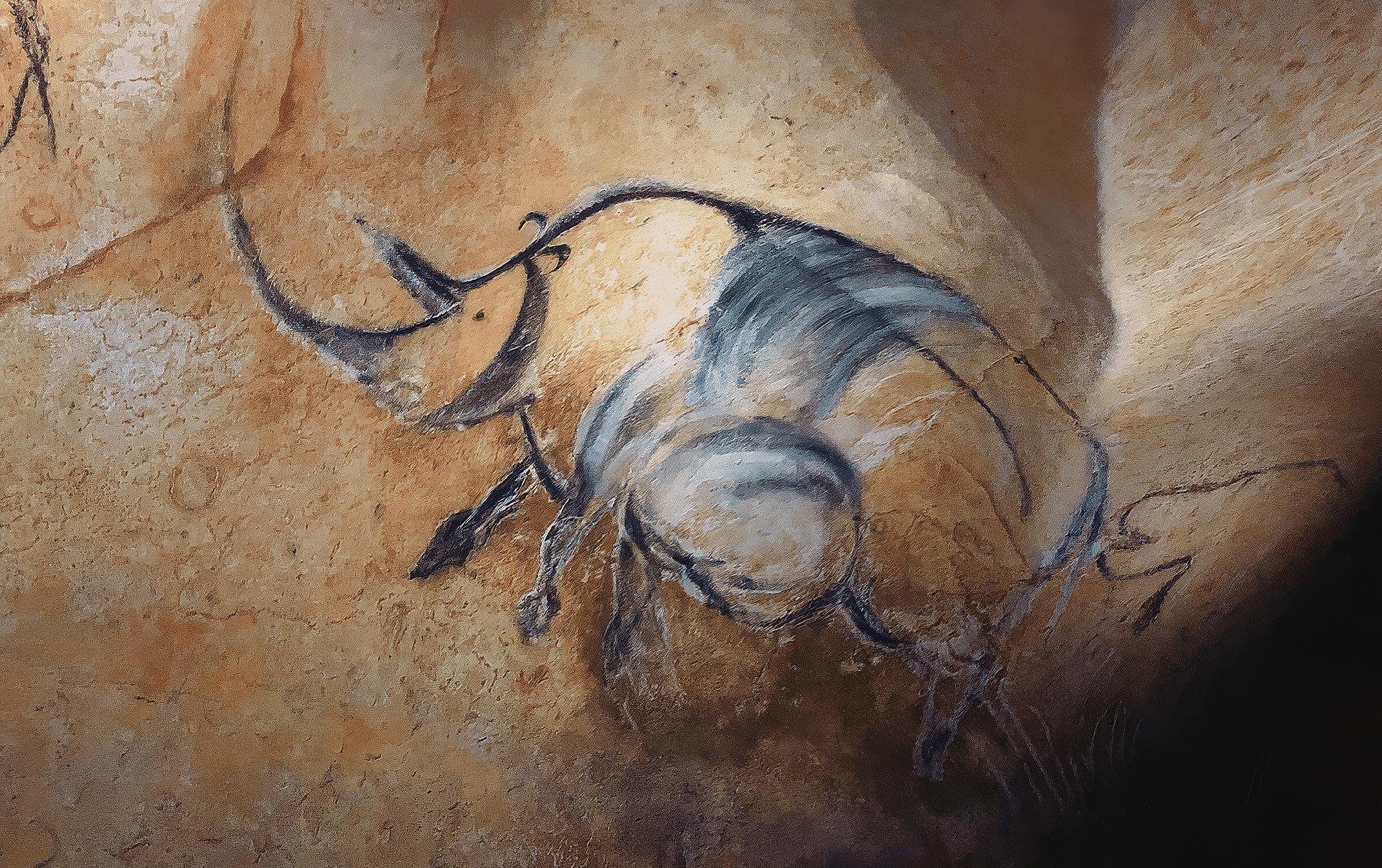
The caves paintings include that of mammoth, wild cats, rhinos, bison, bears, aurochs and the famous venus and the sorcerer, found in the last and deepest of the Chauvet cave chambers, the Salle du Fond. Researchers believe the cave was never permanently occupid by humans "but was instead of a sacred character" and "used for shamanist ritual practice". Future discoveries are expected to be made in remote and as of yet unexplored parts of the cave.
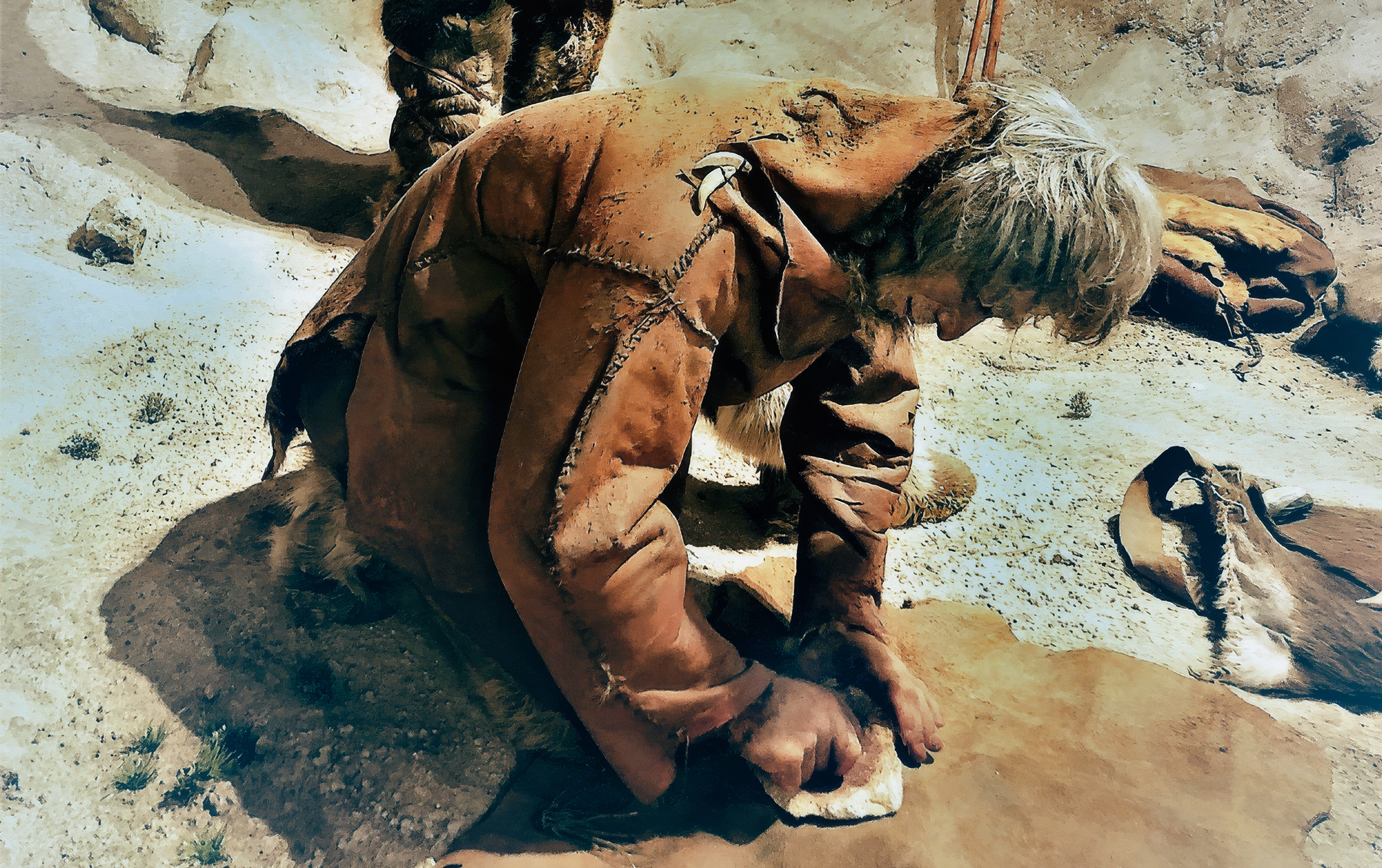
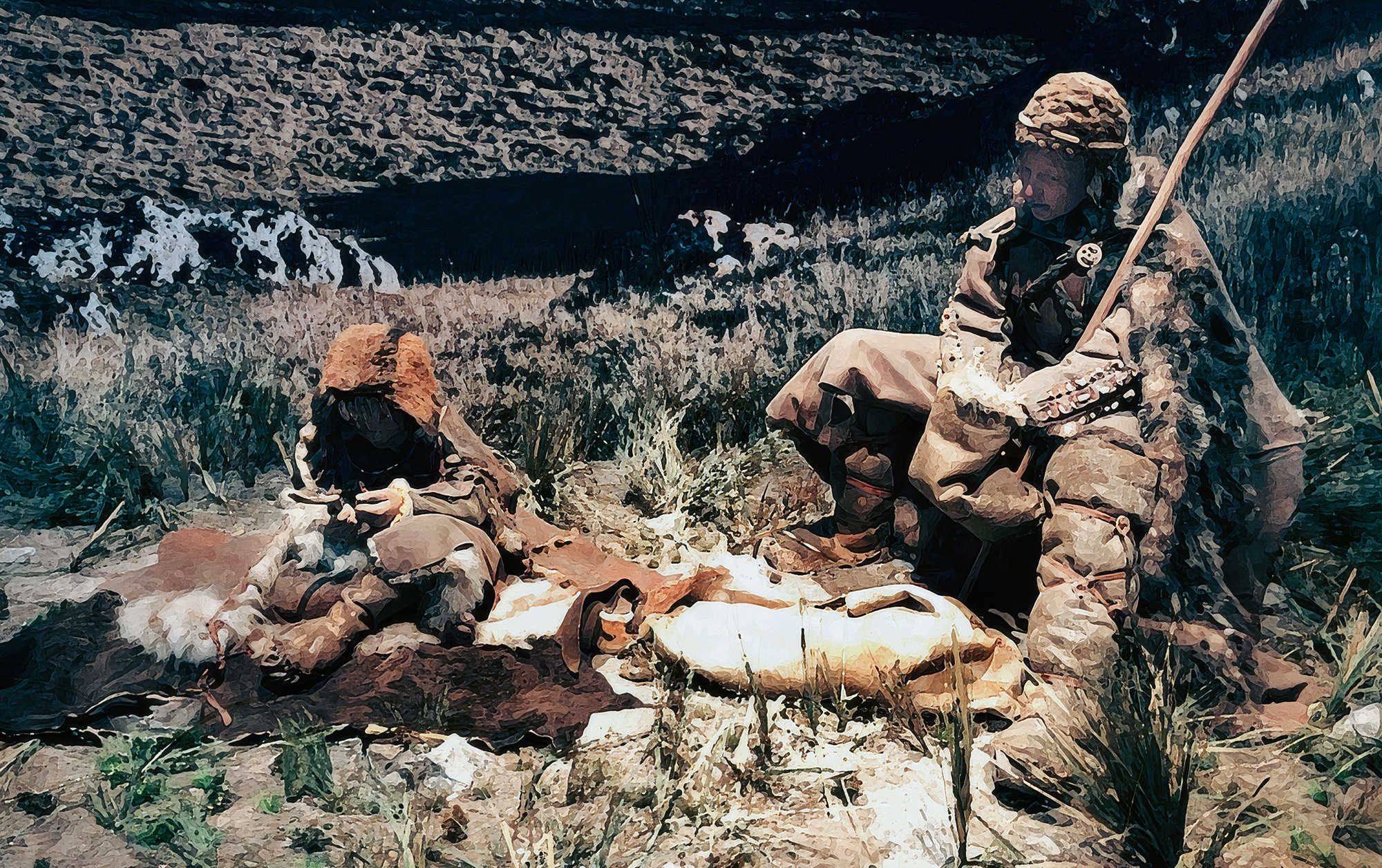
The Caverne du Pont-d'Arc, Chauvet 2, is a replica of the Chauvet Cave in the commune of Vallon-Pont-d'Arc, in the department of Ardèche and in the Rhône-Alpes region of France. Construction began in October 2012 and it was opened to the public on the 25th April 2015.

- Chauvet Cave
- Chauvet Cave Granted UNESCO World Heritage Status
- Introduction to the Chauvet Cave Paintings
- Chauvet Cave Gallery
- The Venus & The Sorcerer
- Frequently Asked Questions
- Frequently Asked Questions
- L'Atlas de la grotte Chauvet-Pont d'Arc
- Preserving the Chauvet Cave
- The Final Passage
- Cave of Forgotten Dreams
- Chauvet Cave Visit 2005
- Chauvet Cave Visit 2001
- Chauvet Cave Visit 1999