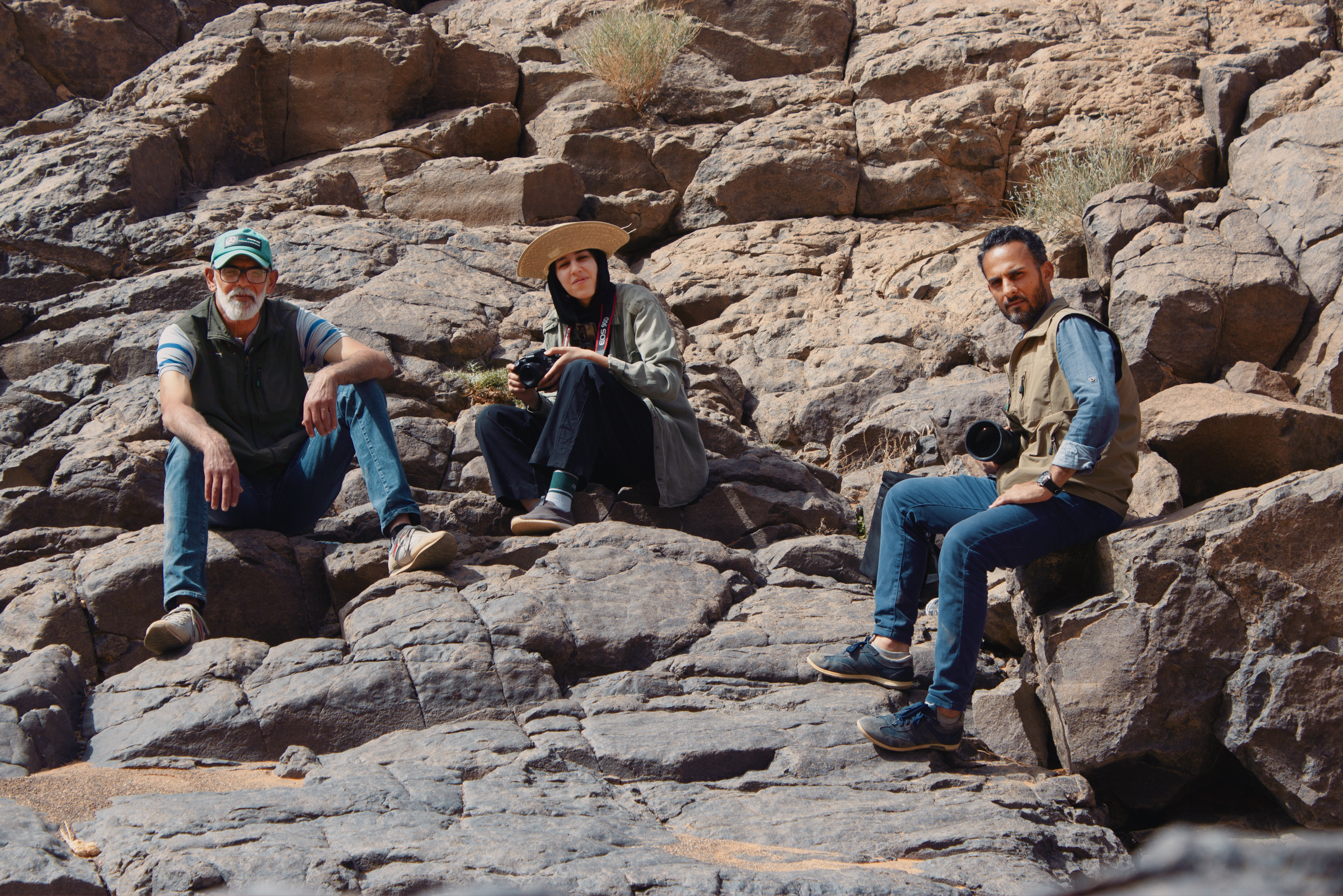
Teshuinat is a Libyan research organization, and its team possesses expertise in producing cultural and digital content directed toward a diverse range of audiences, including researchers, storytellers, tour guides, and the general public, as part of a new cultural initiative aimed at researching Libya's visual heritage. The organization was founded by four Libyan researchers and creatives: the writer and researcher Mohamed Abdullah Altrhouni, the writer and researcher Hamza Alfallah, the visual artist Shefa Salem, and the writer and researcher Youssef Isndil.
This institutional work stems from the synergy of writing, research, and drawing as integrated practices in the study of rock art. Writing contributes to documenting engravings and drawings, reading their historical and cultural contexts, and building knowledge narratives around them, while drawing allows for the re-exploration of their forms and visual compositions, understanding their aesthetic elements, and highlighting the meanings they carry.
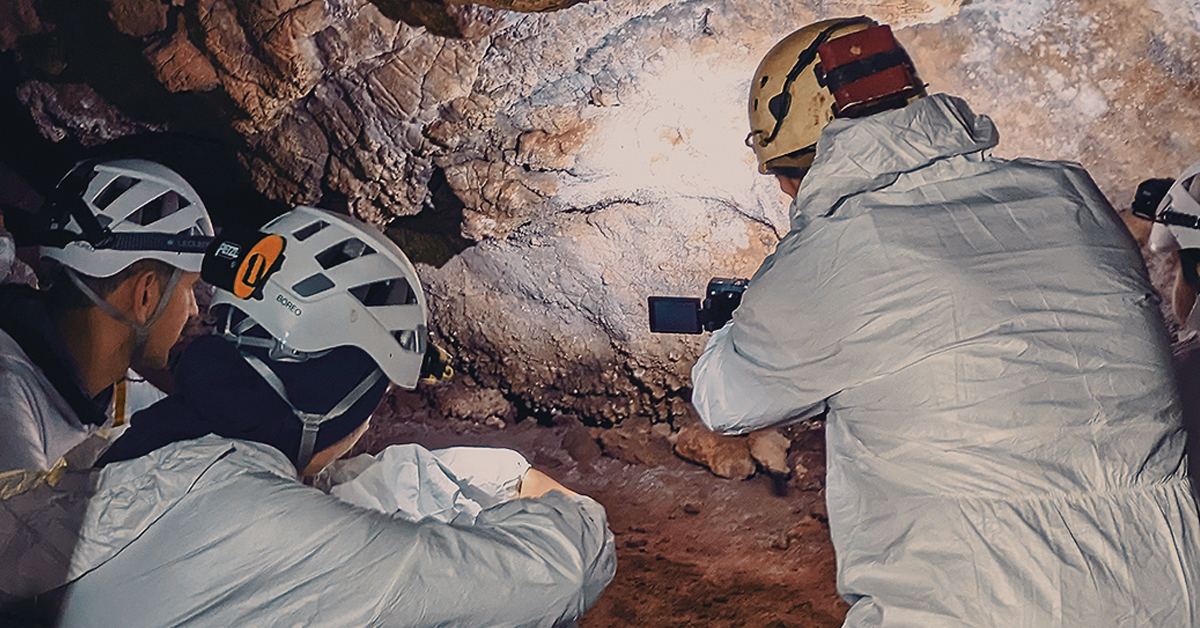
Teshuinat specializes in rediscovering prehistoric rock art, archaeological engravings, and ancient murals across Libya through field expeditions, documentation, digital archiving, and cultural interpretation, contributing to reconnecting modern Libya with its ancient visual heritage.
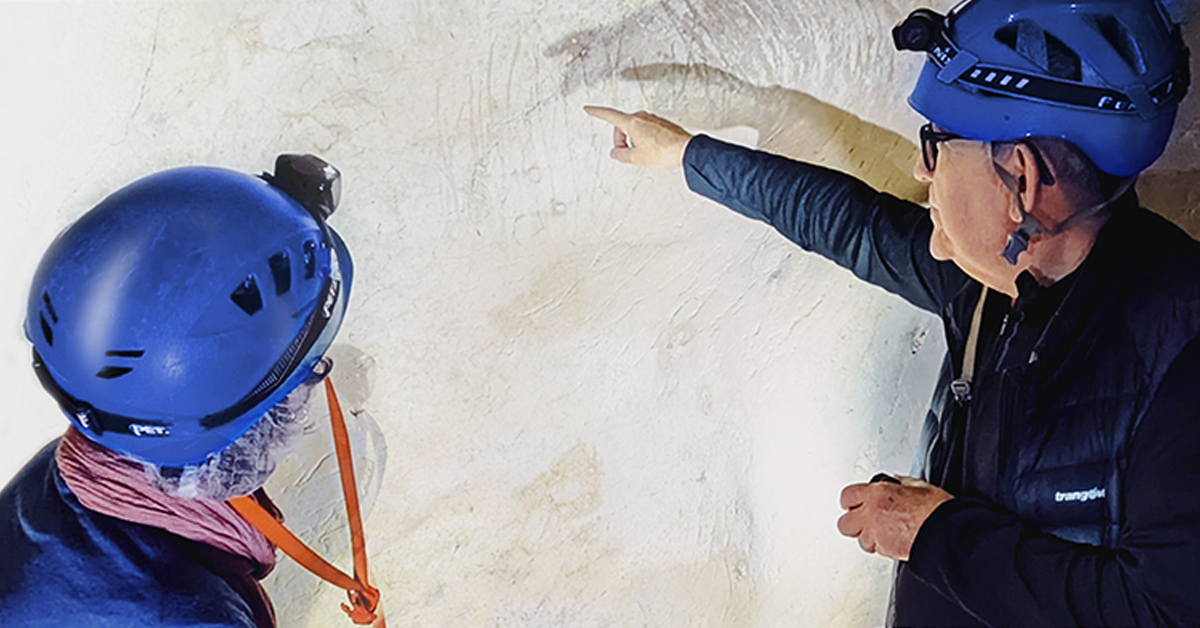
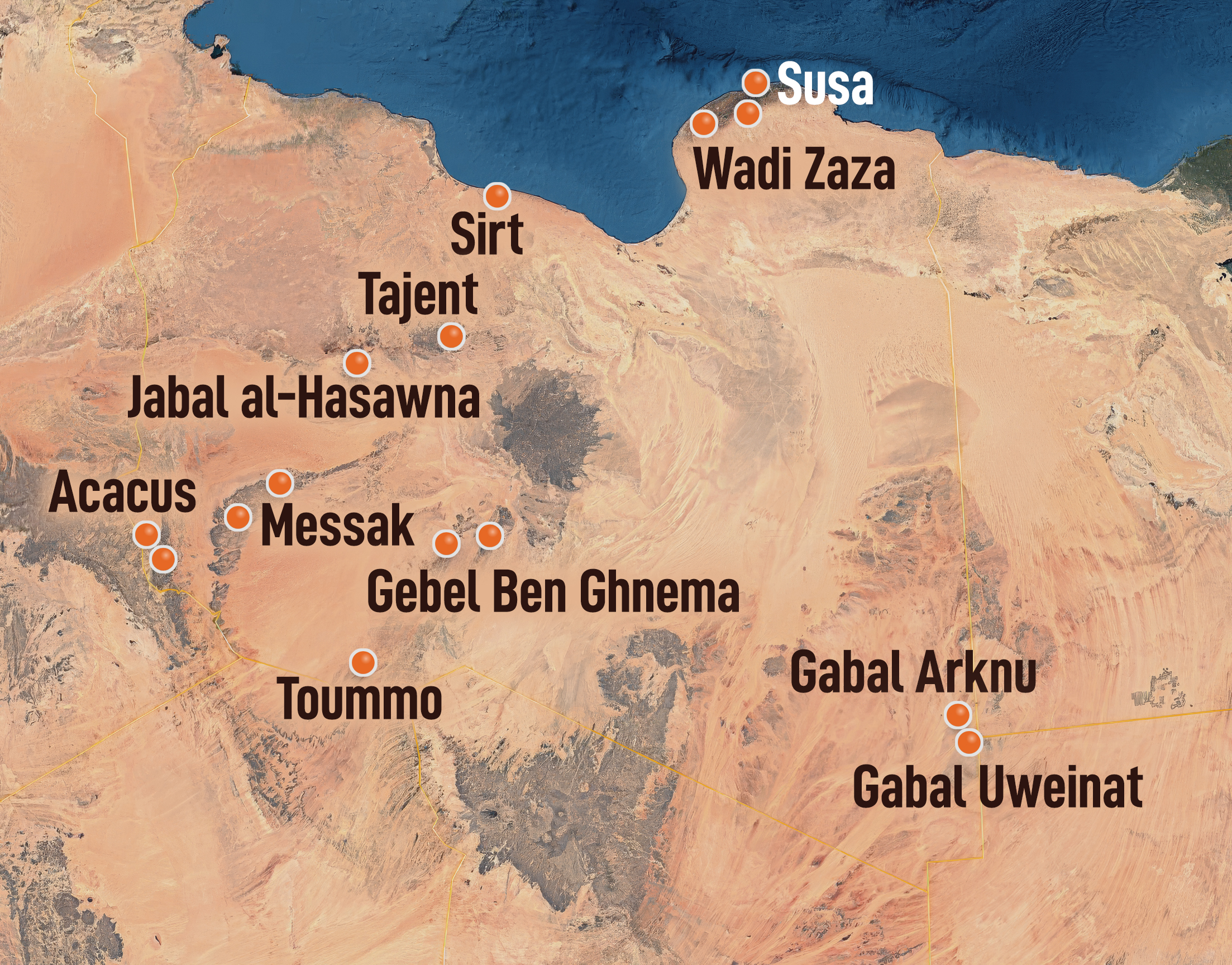
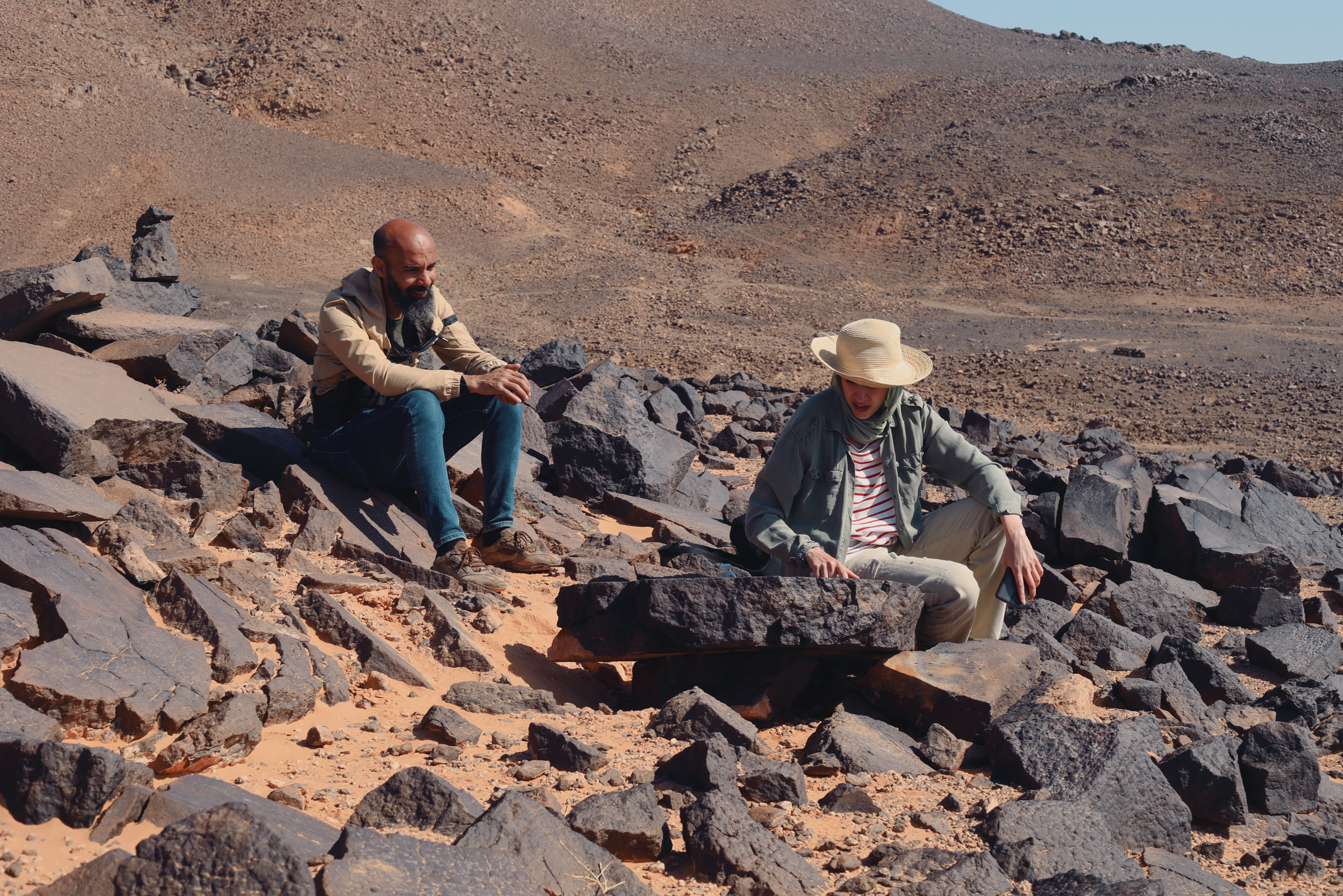
Over years of work, the organization's project has gained specialized expertise in documenting Libyan rock art and making it accessible to the public through an independent website dedicated to prehistoric engravings in Libya. Work has been carried out in several rock art regions, including the Black Mountains region and the Al-Hasawnah mountain region. Since the website's launch, the team has conducted self-funded expeditions along a defined route tracking these sites, encompassing three levels of documentation (photographic, written, and illustrative), in order to produce content based on archaeological studies. The team is committed to presenting this content through an interdisciplinary text that allows for the interpretation of murals using a cross-cultural approach to understand the nature of interactions and cultural contact in prehistory, grounded in a framework that adopts the shamanic perspective in interpretation, while preserving the local specificity of Libyan heritage and its symbols in this field, and its close relationship with climatic changes that took shape in the context of environmental transformations witnessed by the Sahara from the end of the Pleistocene to the Bronze Age, in a language that facilitates access to knowledge without compromising its accuracy.
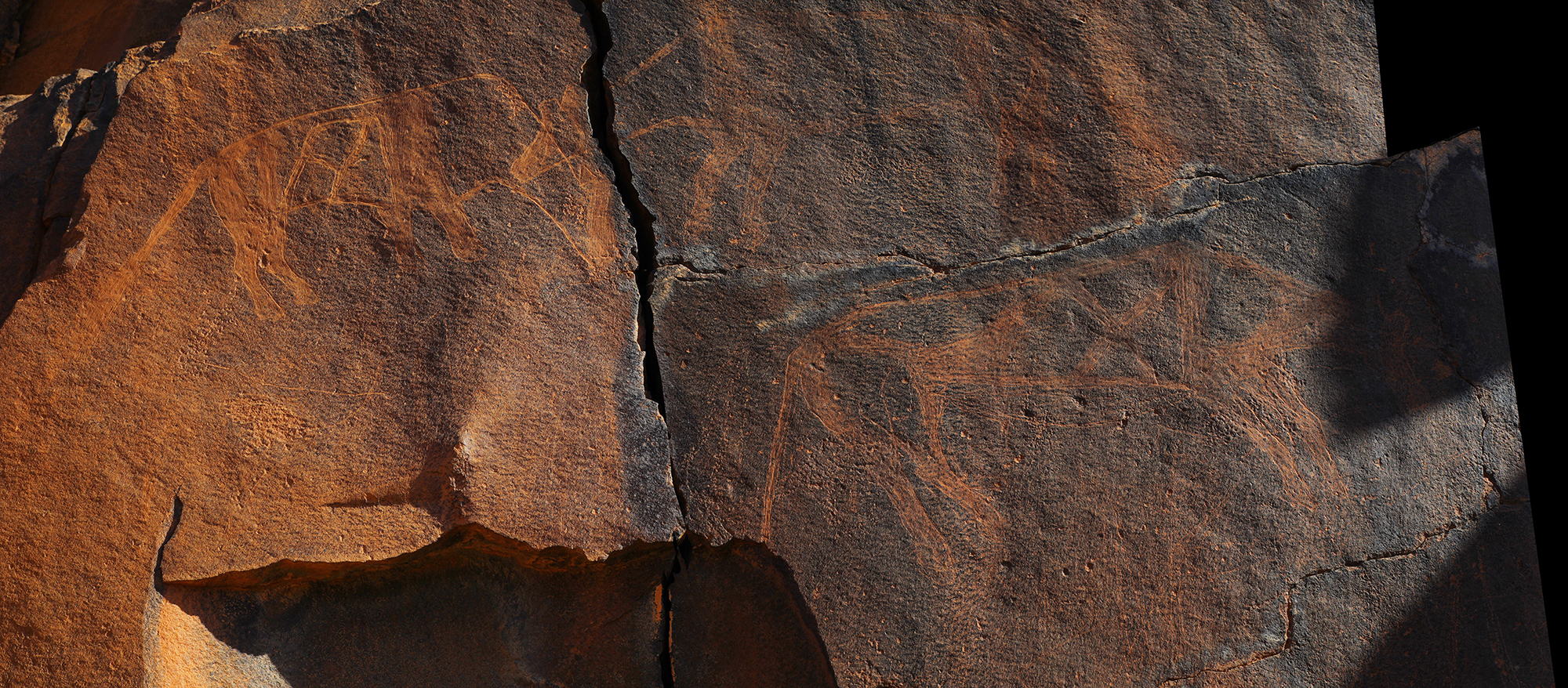
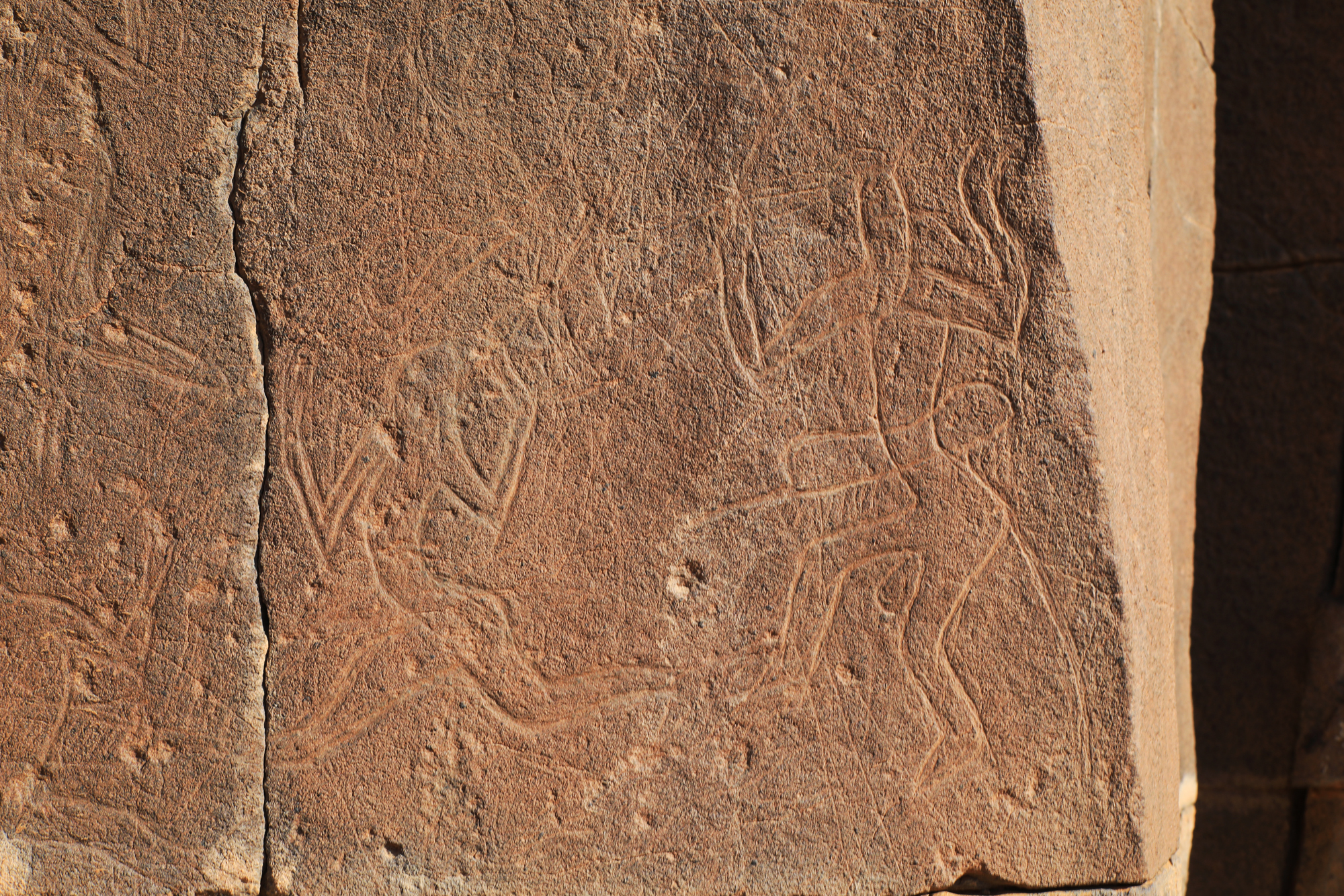
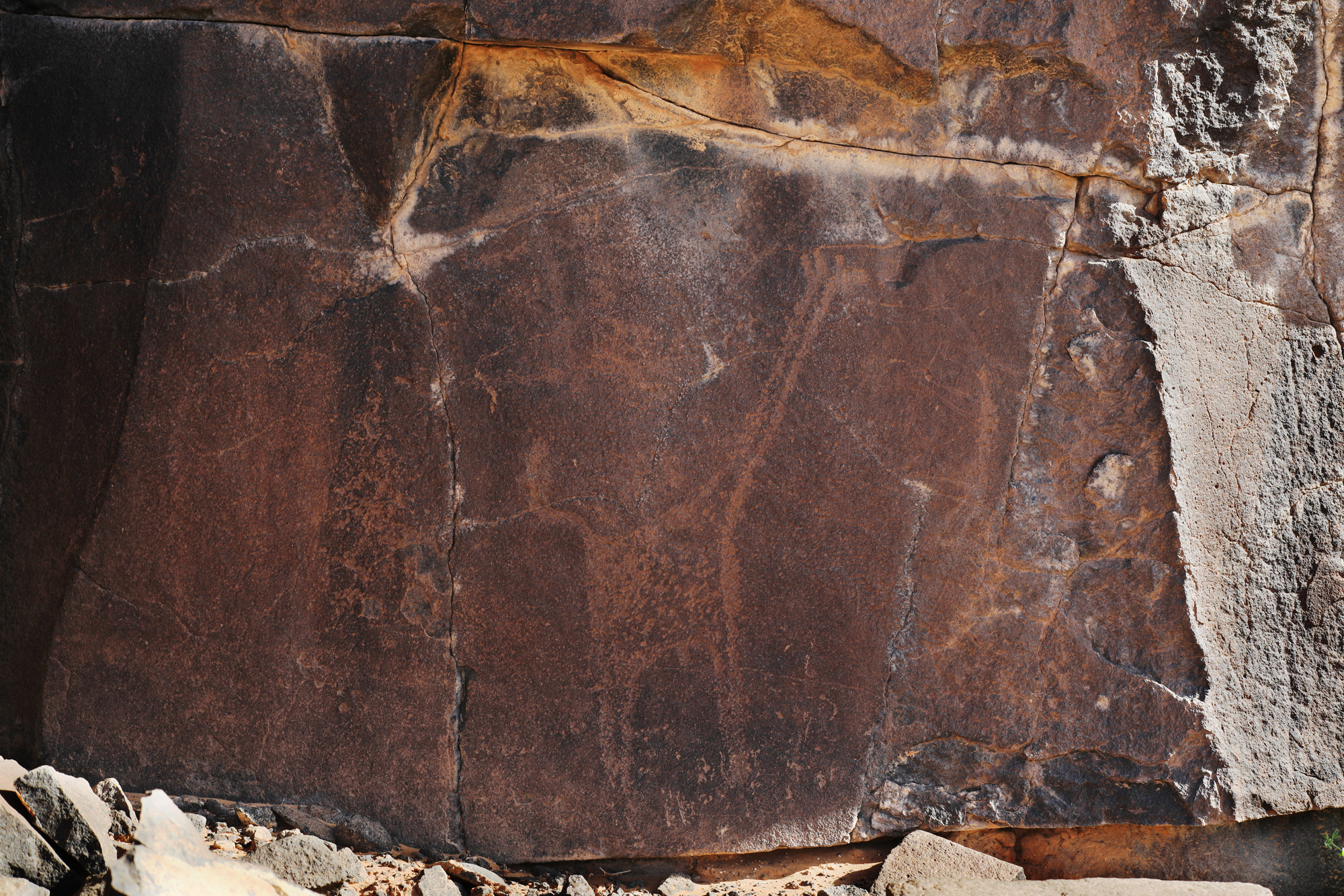
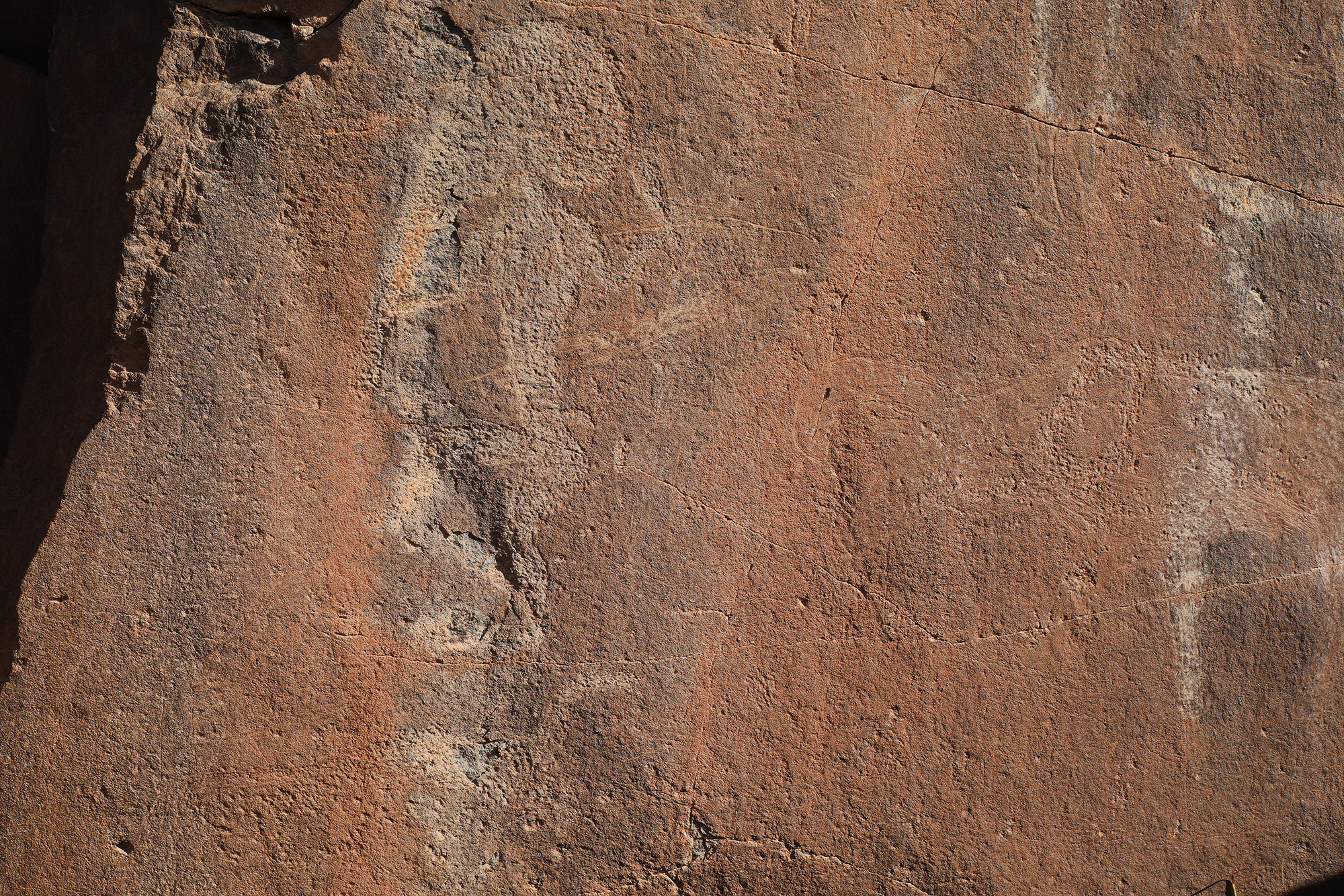
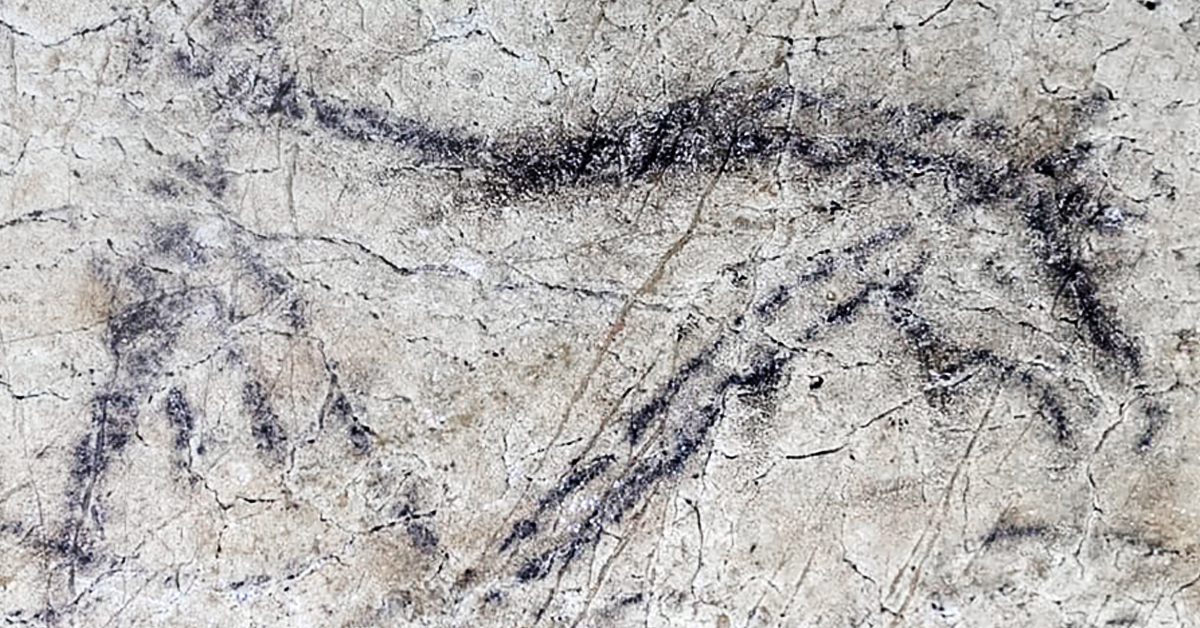
The Teshuinat project focuses on rock art in Libya, encompassing drawings and engravings executed on rock faces, caves, and rock shelters, which are among the most prominent elements of Libyan cultural heritage. The project adopts a national scope covering all rock art sites in the country, with special attention to lesser-known sites due to their need for further documentation and accessibility. This heritage dates back to prehistory and spans chronological phases beginning with the Period of Large African Animals, passing through the Round Heads Period and the Pastoral Period, and extending to the Horse and Camel Periods — reflecting the environmental and cultural transformations witnessed by the Sahara over thousands of years. These representations document human activities, ritual practices, and artistic expression, making them an exceptional visual record for understanding the early history of cultural development in the Sahara.
Despite the cultural and artistic value of this heritage, it faces many cognitive and material challenges, including natural erosion, human vandalism, limited digital documentation, and limited access to reliable scientific information. From this standpoint, the goal of the Teshuinat team's work was defined.
Teshuinat's work goes beyond mere documentation, as it seeks to restore continuity in Libya's collective memory by linking ancient sites, such as the Black Mountains, to contemporary narratives and identity. Through field diaries, scientific collaborations, and public awareness initiatives, it aims to introduce Libyan rock art to an international audience, situating it within global dialogues on early symbolism, shamanism, and the status of women in ancient societies, as well as exploring the enduring relationship between humans, the land, and cultural roots.
With this new section, the Bradshaw Foundation is honoured to present Teshuinat’s research and Libya’s prehistoric art traditions to a wider world. Together, they reveal a landscape where ancient engravers, pastoralists, myth‑makers, and early artists left marks that still speak - quietly but insistently - about identity, memory, and the human need to create.
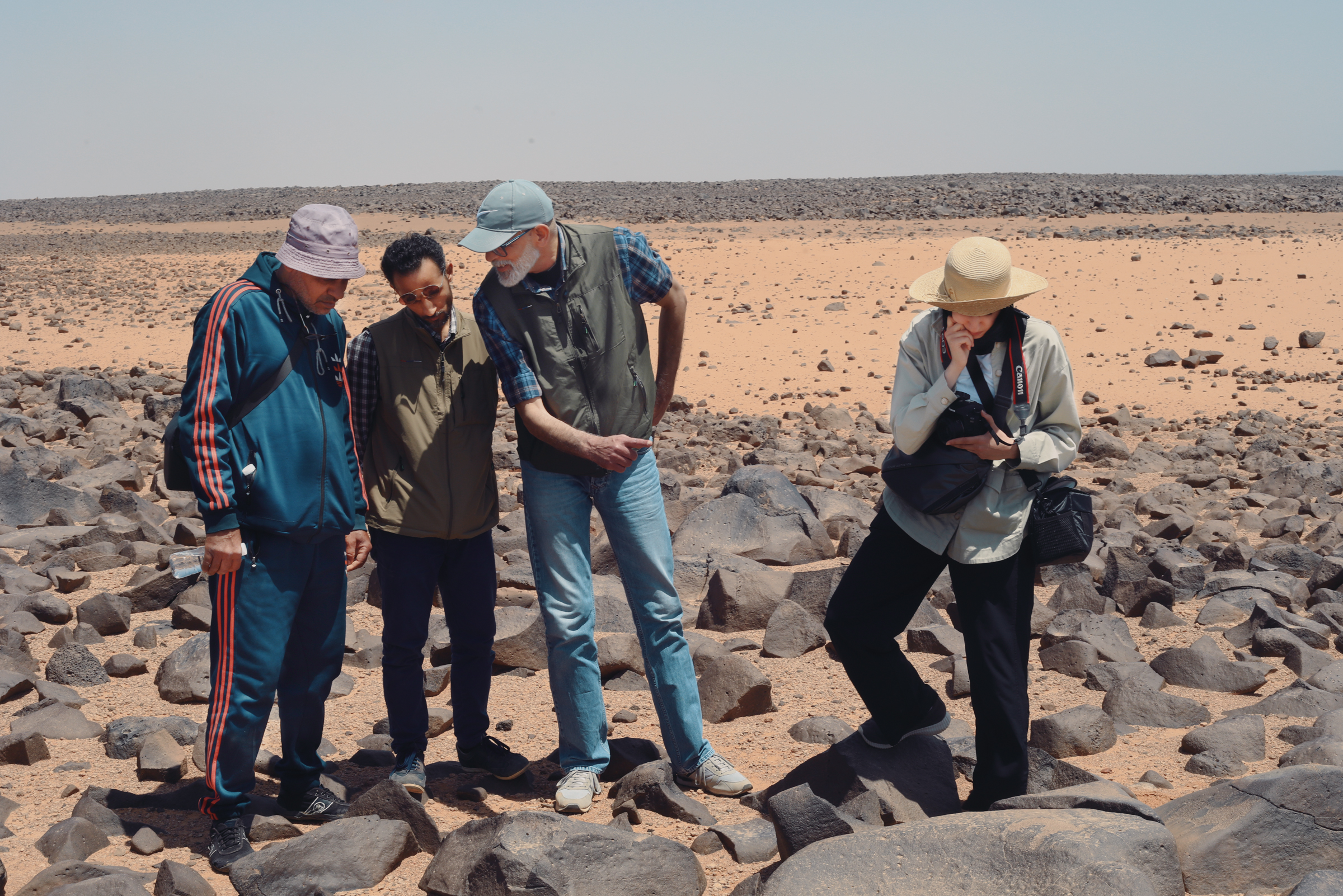
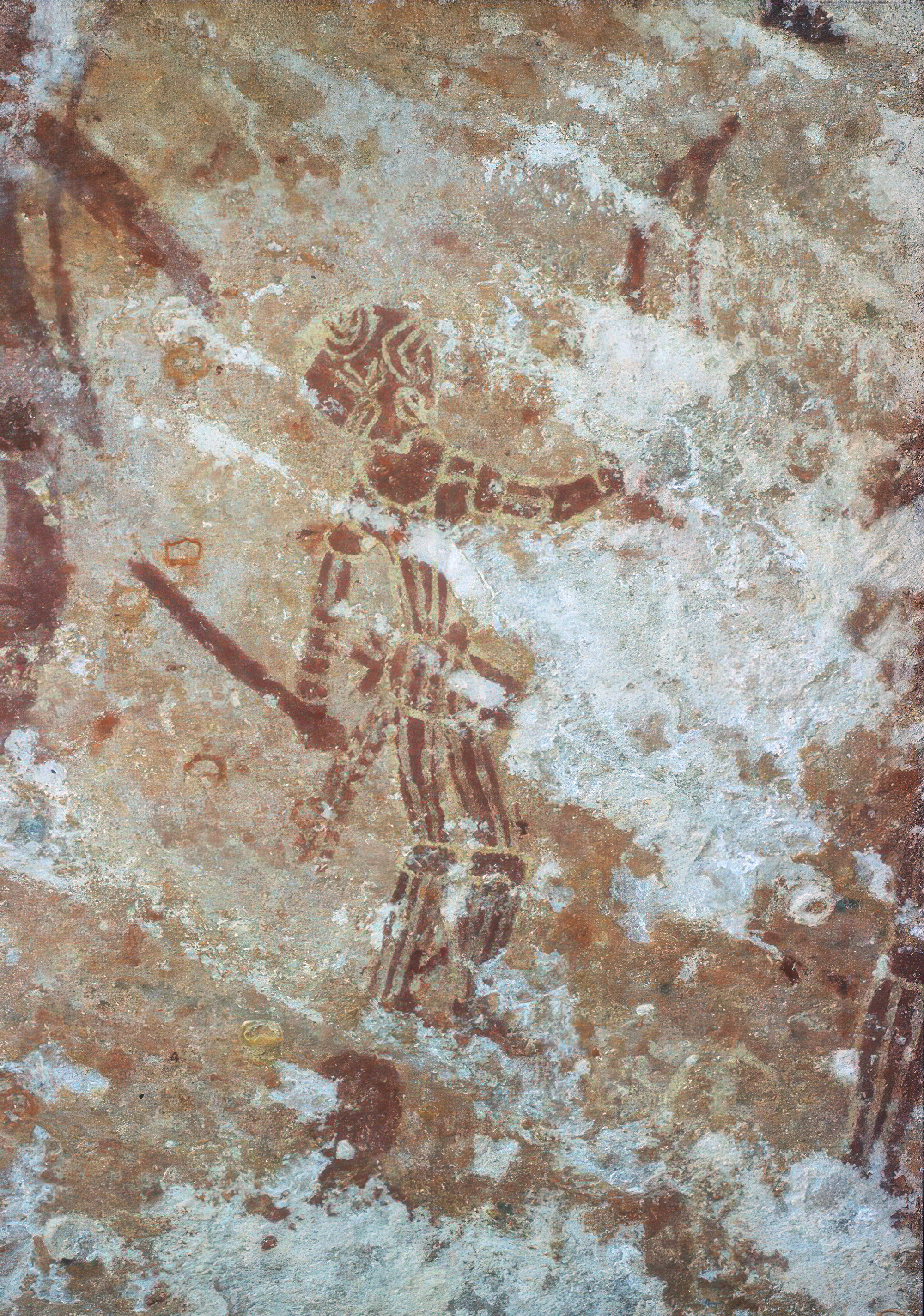
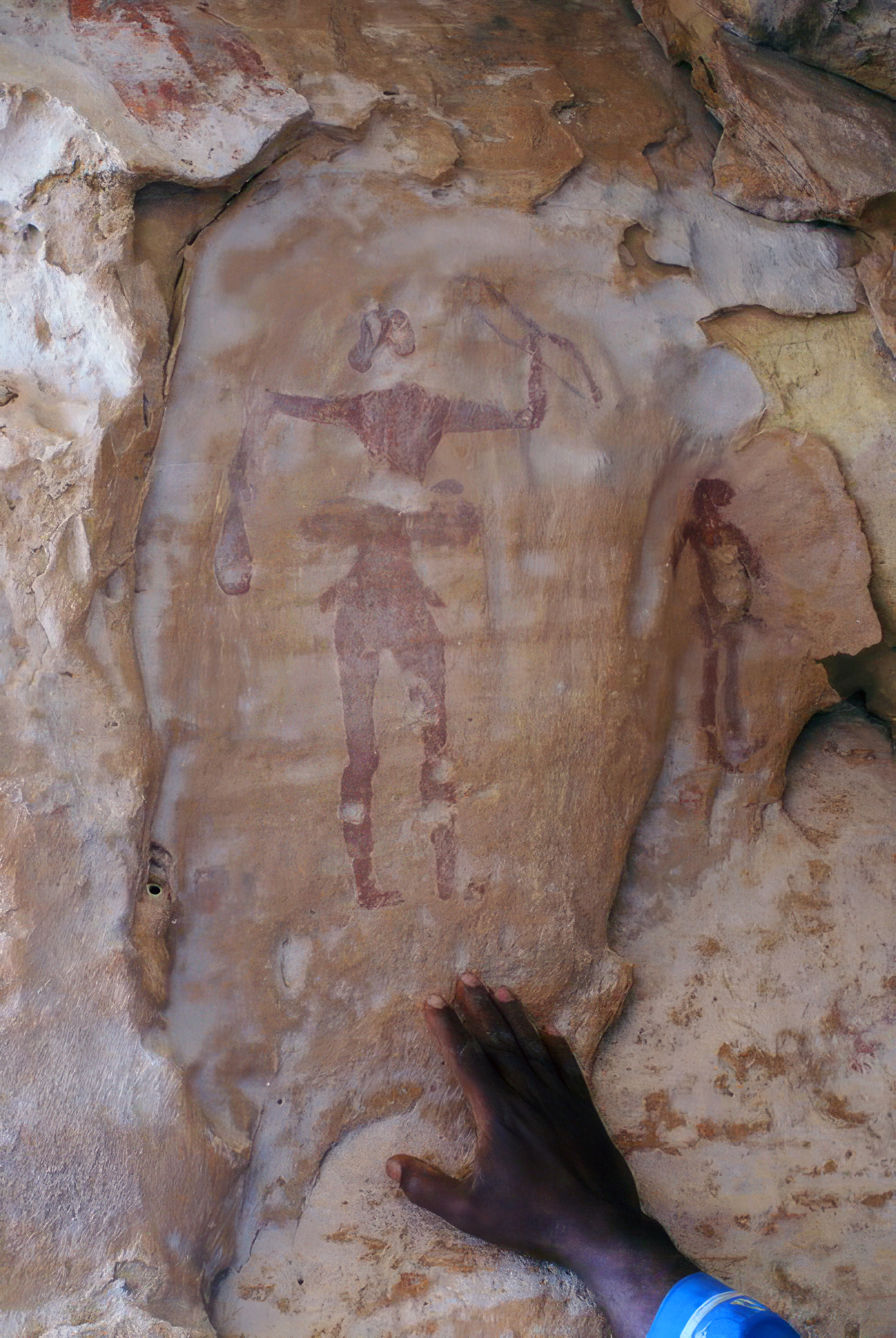
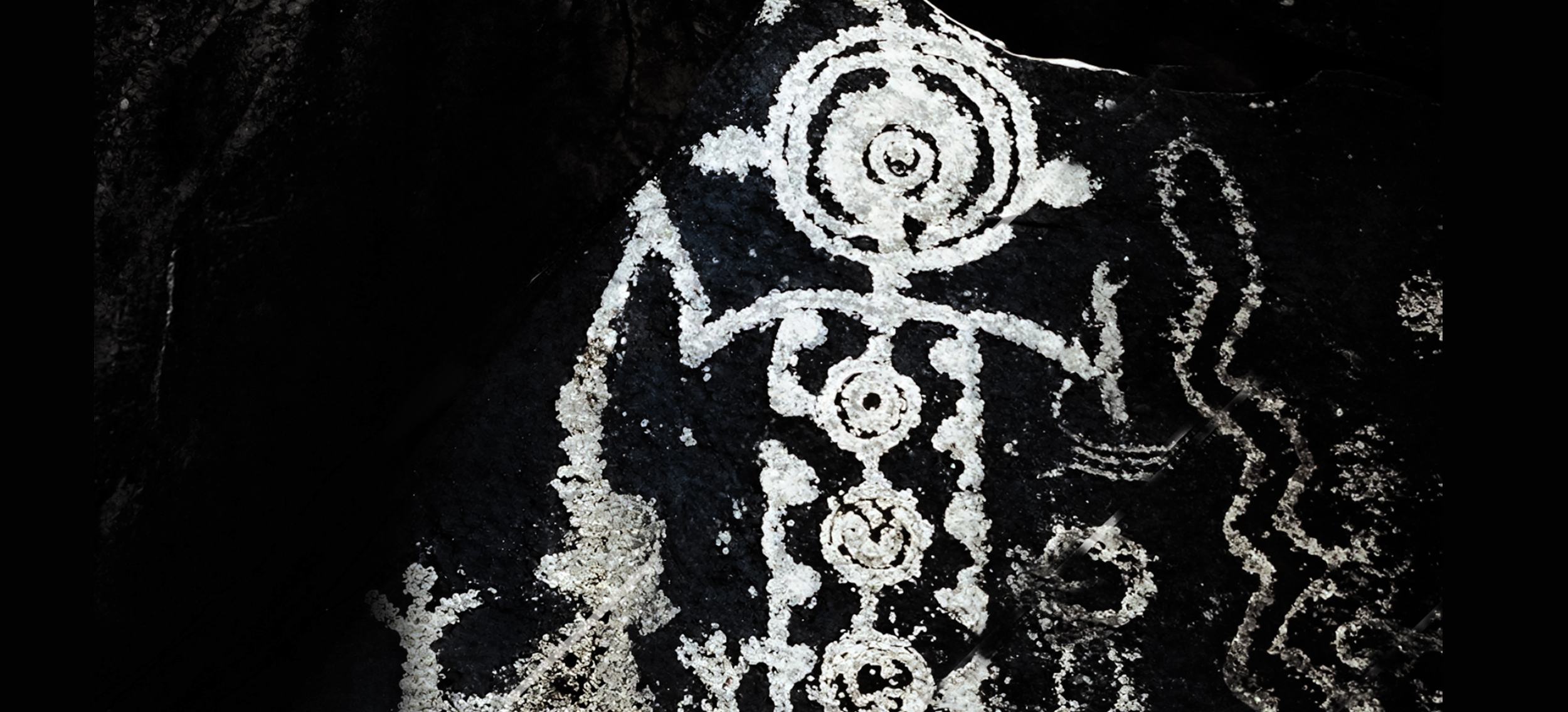
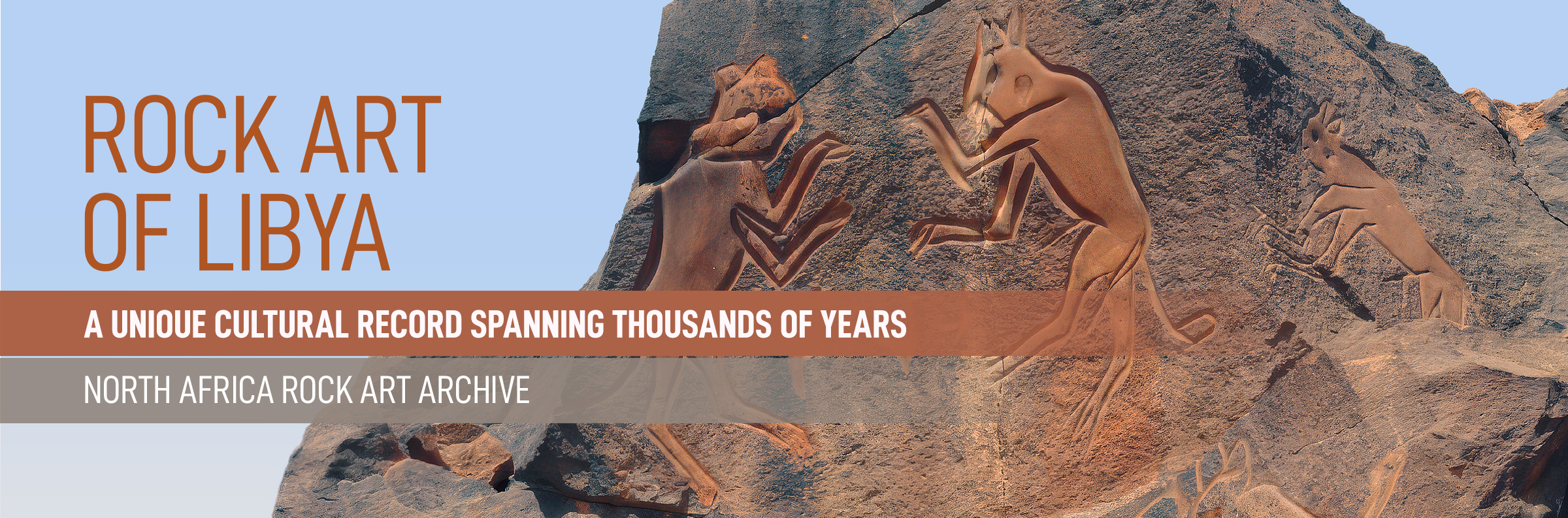
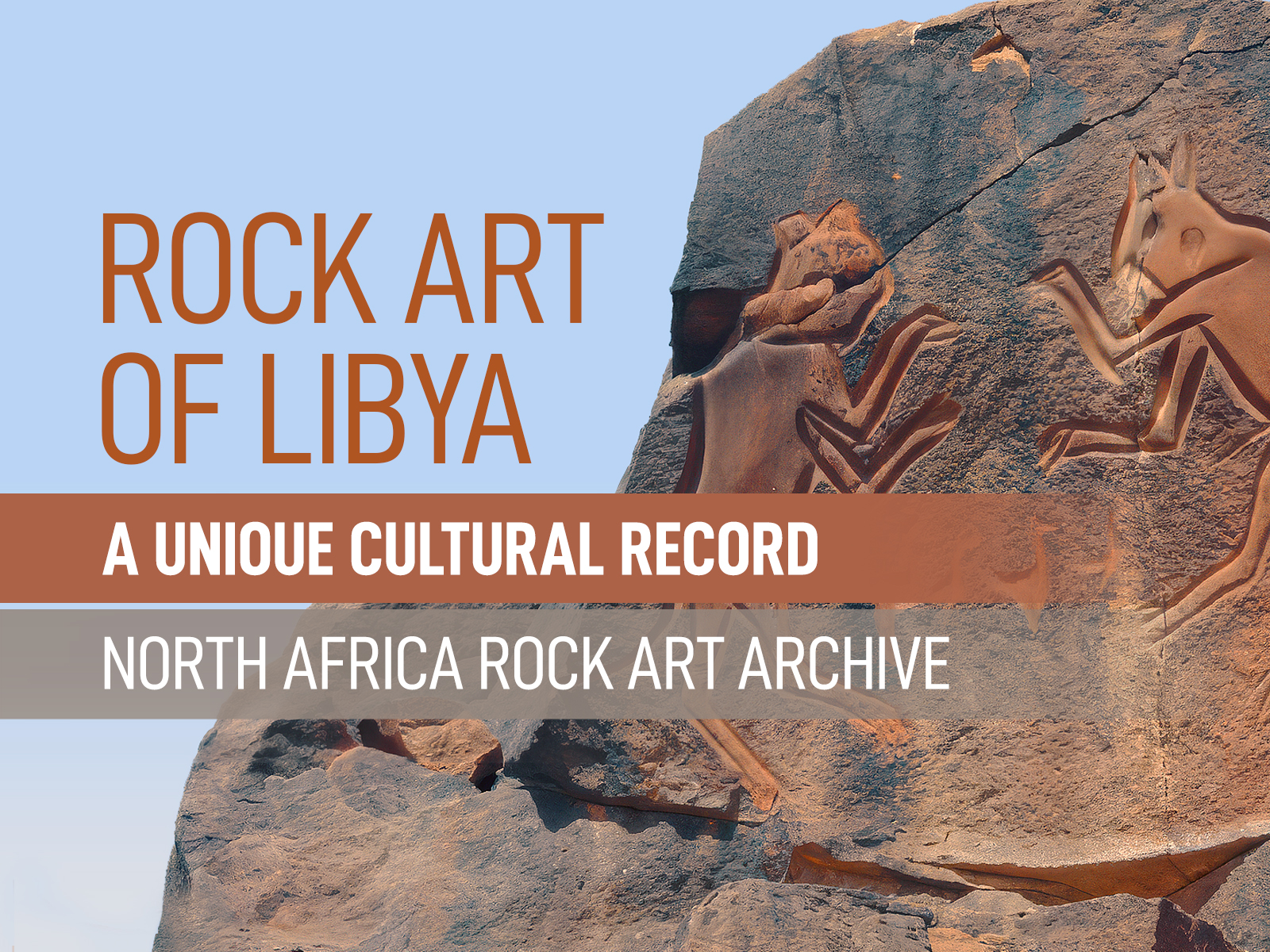
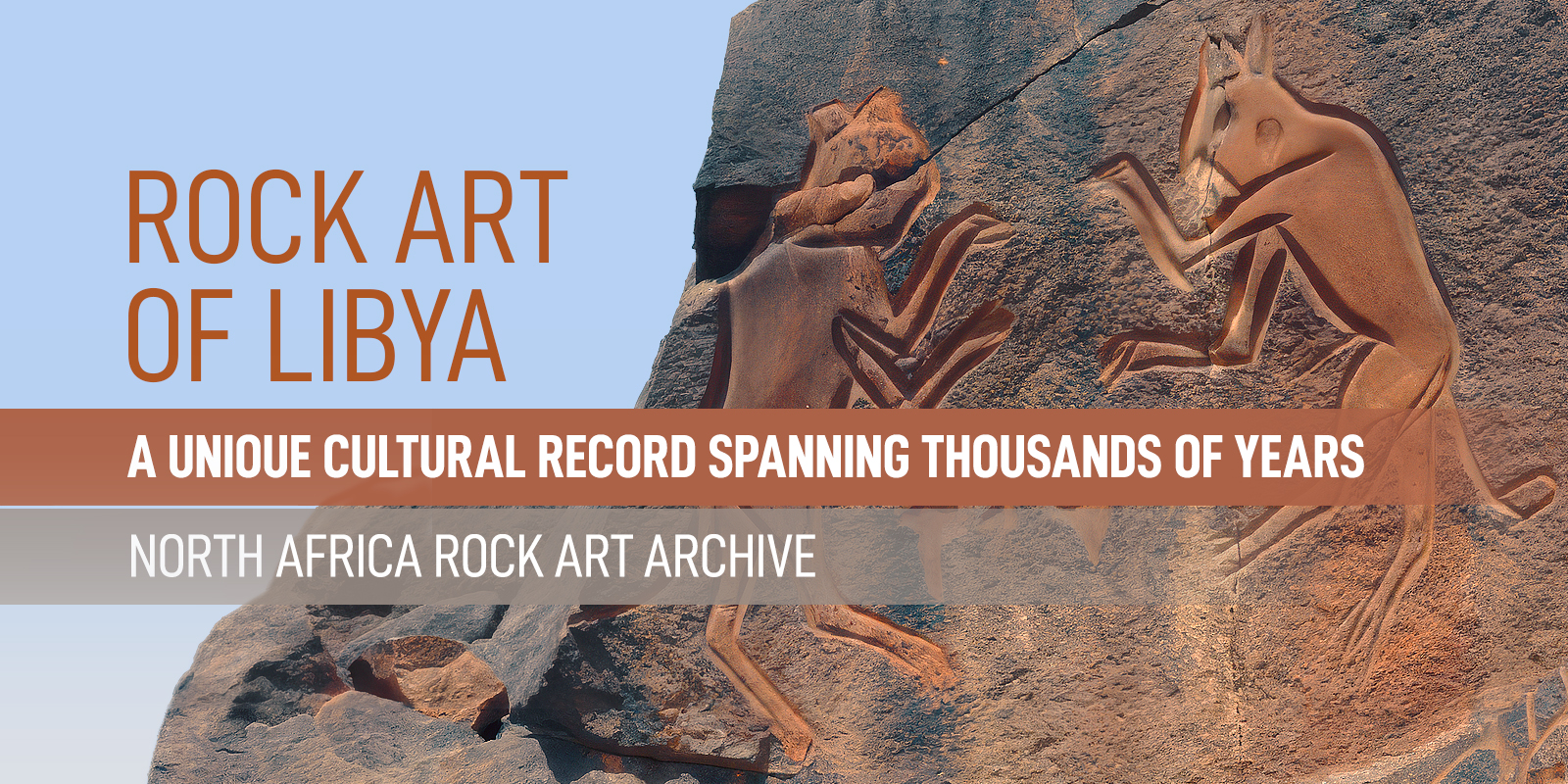
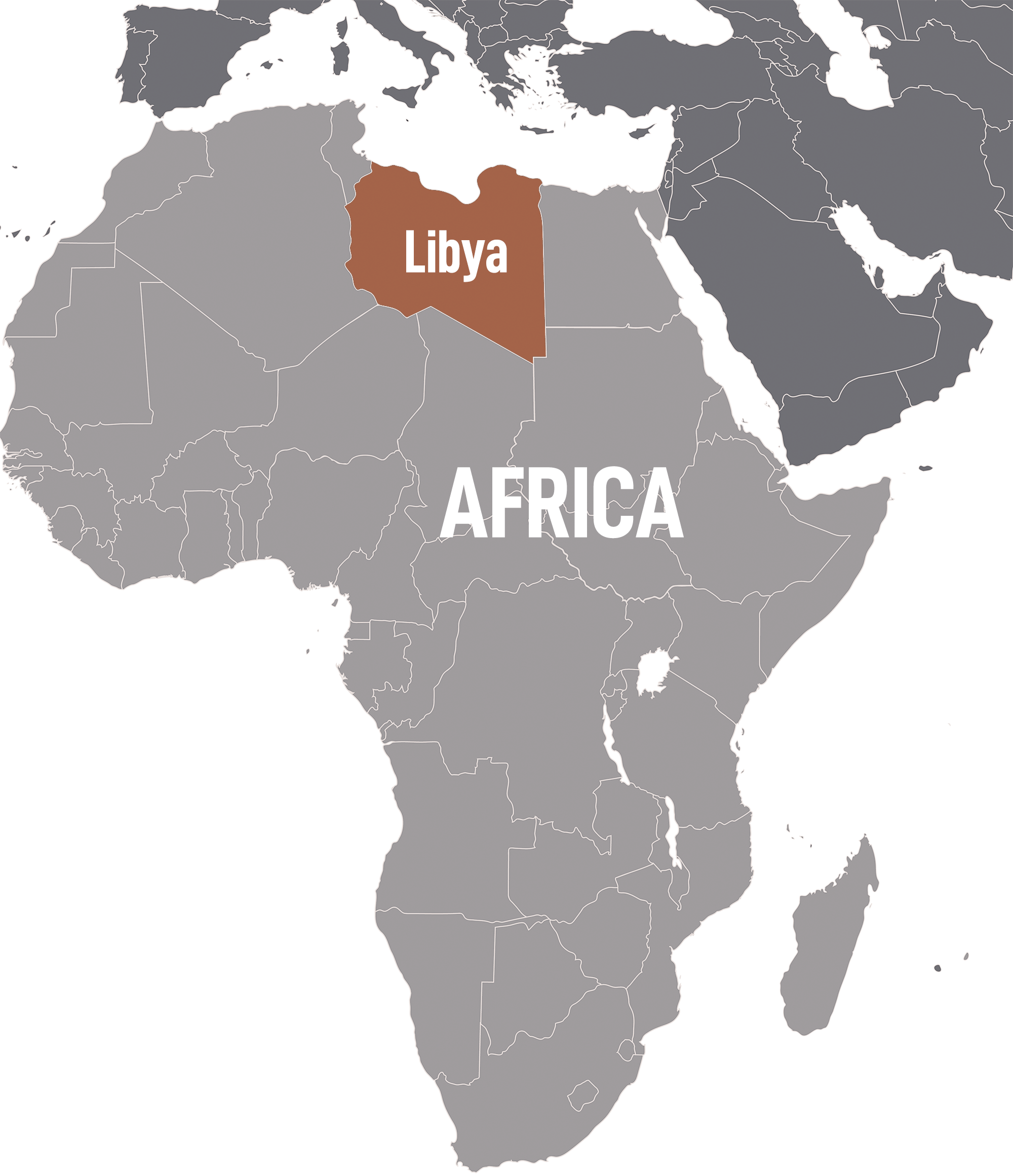
Libyan rock art represents a unique cultural and human record spanning thousands of years, and is considered one of the most important archaeological assets in the Sahara Desert, reflecting human interaction with their environment since prehistoric times. Rock art sites in Libya are classified among the richest archaeological sites in Africa, extending across the southwest and southeast of the country, providing a framework for understanding the developmental stages of the ancient Libyans and their culture with shamanic roots. The rock art includes Pictographs and petroglyphs of large African animals, including elephants and giraffes, in addition to social and ritual scenes, and symbols reflecting climatic transformations, rain rituals, and diverse lifestyles, during the period extending from around 12,000 years BC to the first centuries AD. These works have been documented by international archaeological missions, and some have been classified as World Heritage sites for their archaeological and cultural value. However, existing documentation has often not gone beyond describing sites and engravings, and has not provided in-depth interpretations reflecting the richness and symbolism of these sites, particularly in light of the shamanic culture that appears to have formed the basis for the symbolic and artistic meanings of the engravings. Furthermore, some previous studies suffered from methodological shortcomings resulting from a lack of awareness of the shamanic and ritual perspective in analysis, necessitating a rereading of these sites within a cultural and shamanic framework to interpret their symbolic and functional meanings with greater accuracy.
Many scholars refused to acknowledge the existence of shamanism in the Sahara, and as a result, most rock art in the central Sahara in particular suffered from mishandling and misinterpretation. What happened was that most rock art in the central Sahara became a puzzling enigma, and to solve this enigma, some resorted to ‘Martians’, ‘divers in the desert’, ‘the Libyan Apollo’, and ‘Pharaonic influence’. Therefore, we took it upon ourselves to examine Libyan rock art from a shamanic perspective, and the results were very impressive, with similarities to rock art in southern Africa being almost identical. For example, the elephant-headed people, of which there are only a few in southern Africa, are associated with a San legend that says: "The ancient people were elephants and transformed into humans." We have found a match for these pictographs with those in Libya, raising suspicion that this legend exists throughout Africa. North African rock art has lost much due to the descriptive approach and due to the neglect of rock art with shamanic features. This is the goal for which the Teshuinat organization has dedicated itself: to reconsider what was previously said about Libyan rock art and correct it through the shamanic perspective.
| Site | Location within Libya (City/Area) |
Region/ Geological Nature |
Approximate Coordinates |
| Tadrart Acacus |
Far Southwest (East of Ghat City) |
Fezzan Region: Sandstone mountains, rock formations and caves |
24.8333, 10.3333 |
| Wadi Tajent |
Central Libya (Jufra Region - near Sokna) |
Northern Fezzan Region: Black Mountains (Basaltic nature) |
29.0333, 15.7500 |
| Al-Messak (Staft and Melit) |
Southwest (between Ubari & Ghat) |
Fezzan Region: Rocky plateau | 26.2500, 12.5000 |
| Jebel Arkanu |
Far Southeast, within Kufra Municipality |
Granite rocks | 22.2500, 24.7500 |