© Shefa Salem
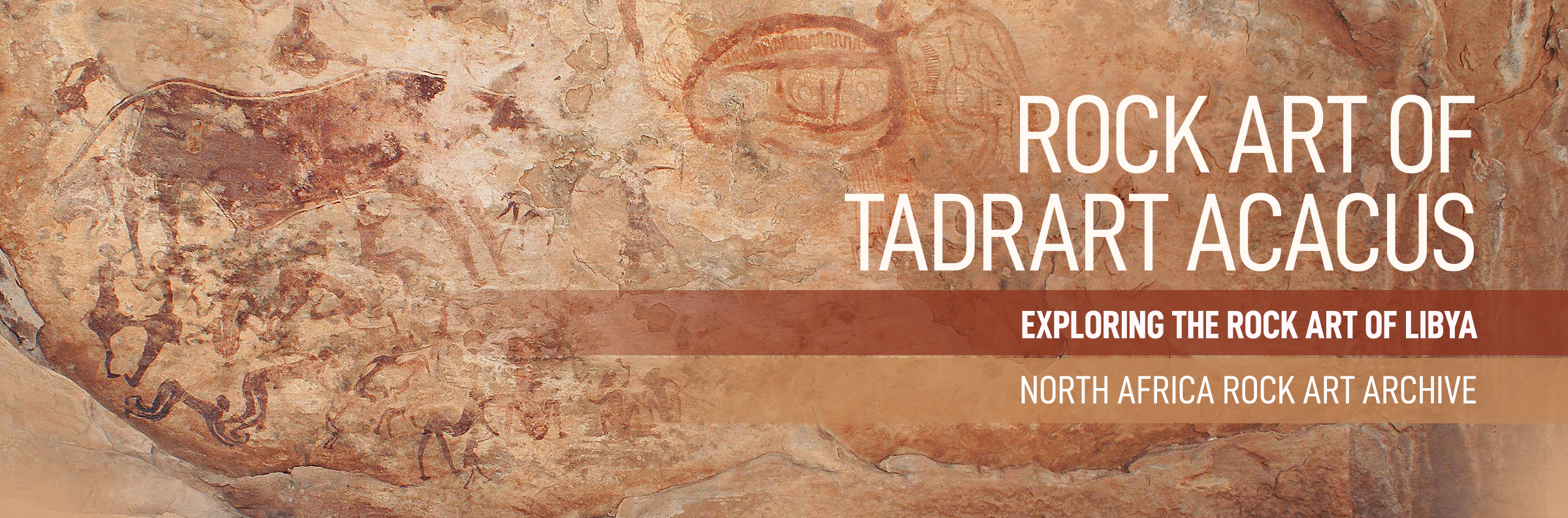
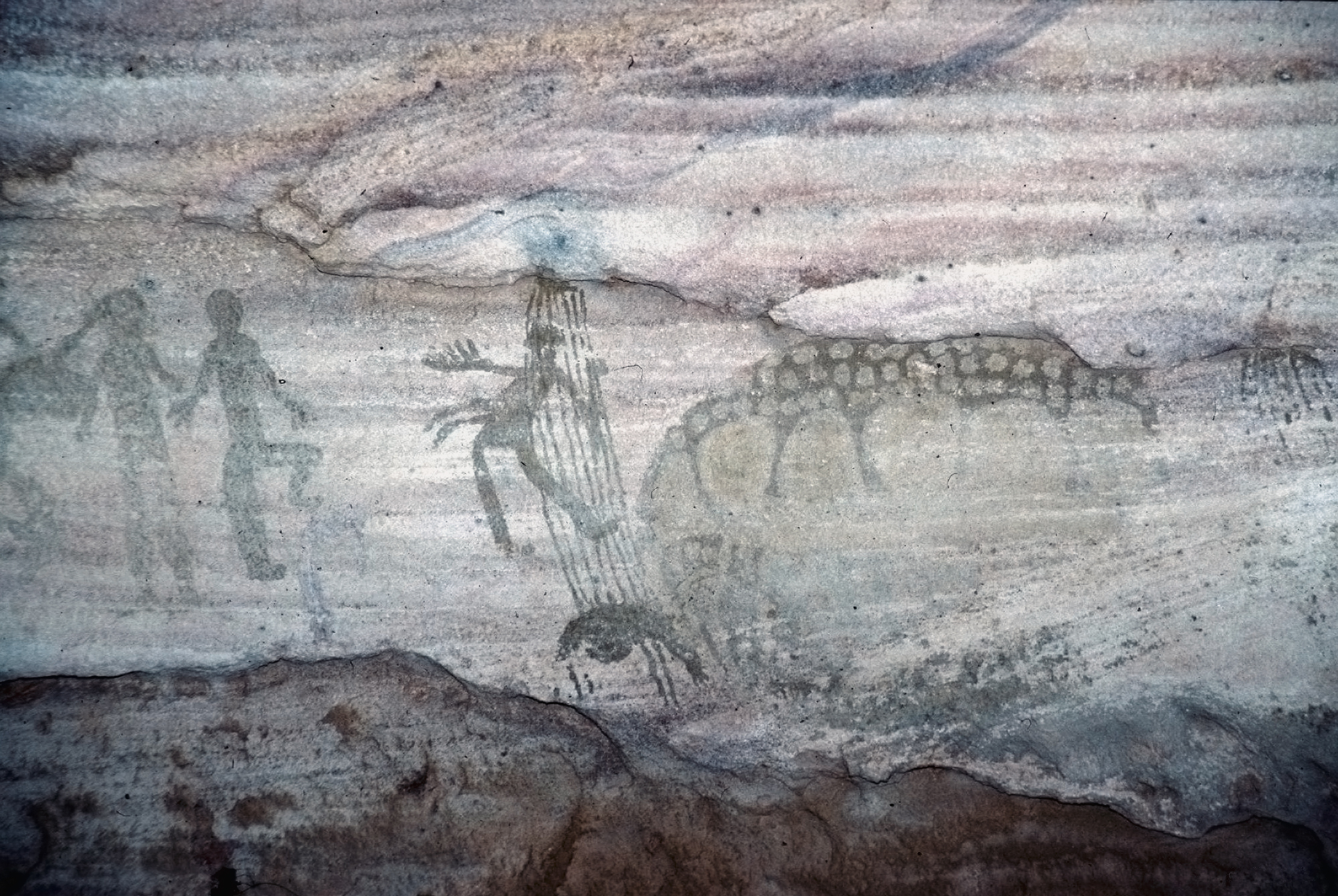
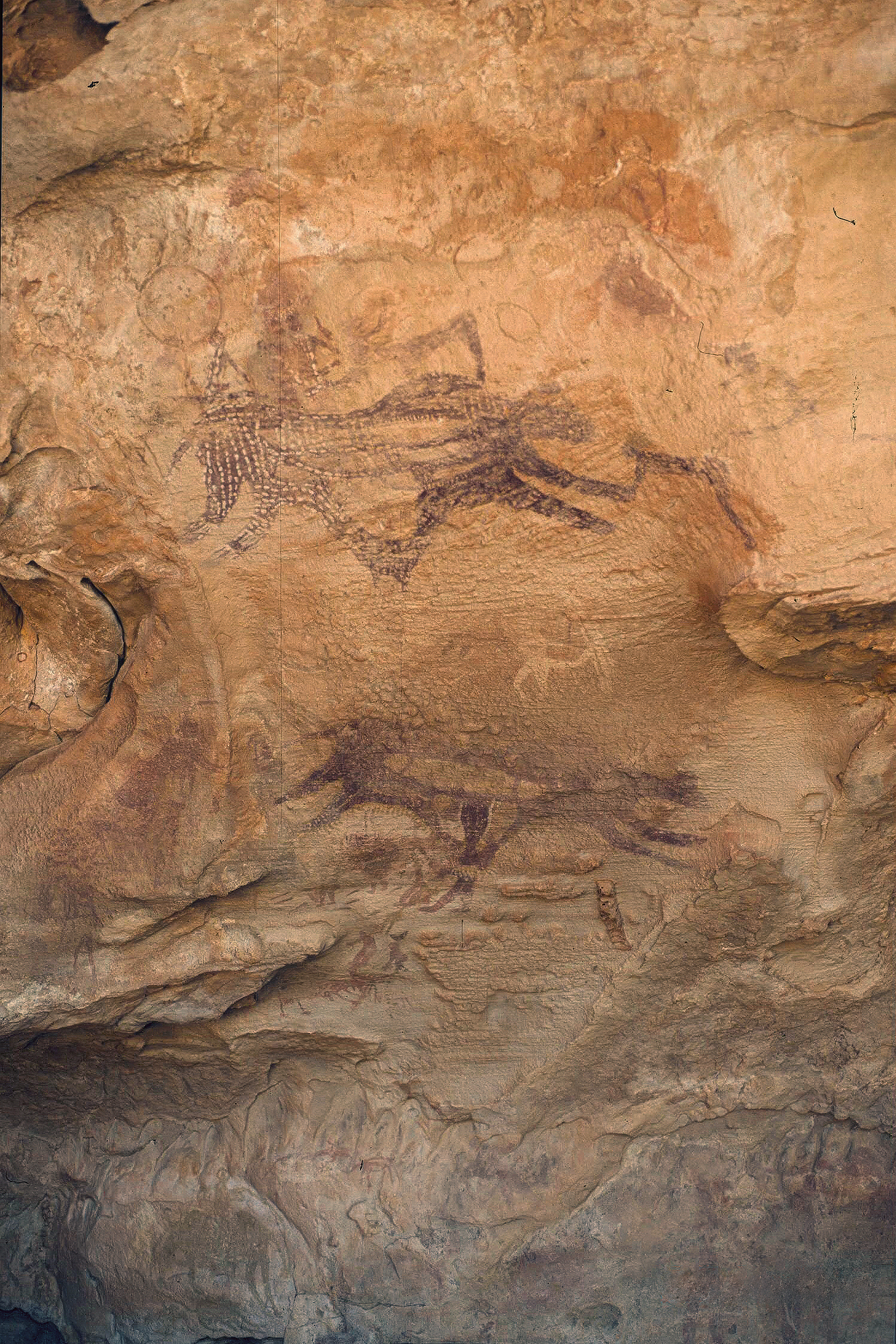
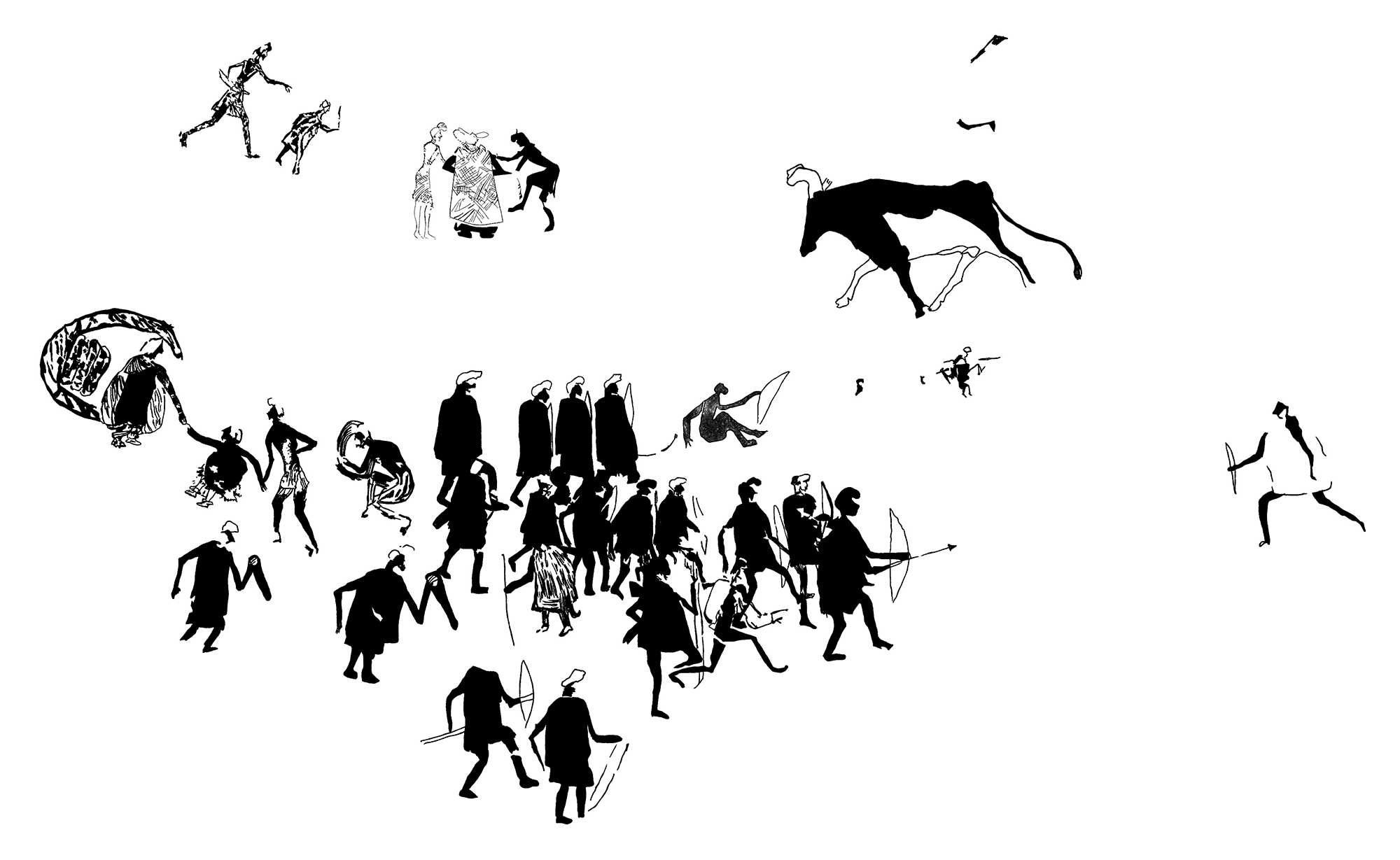
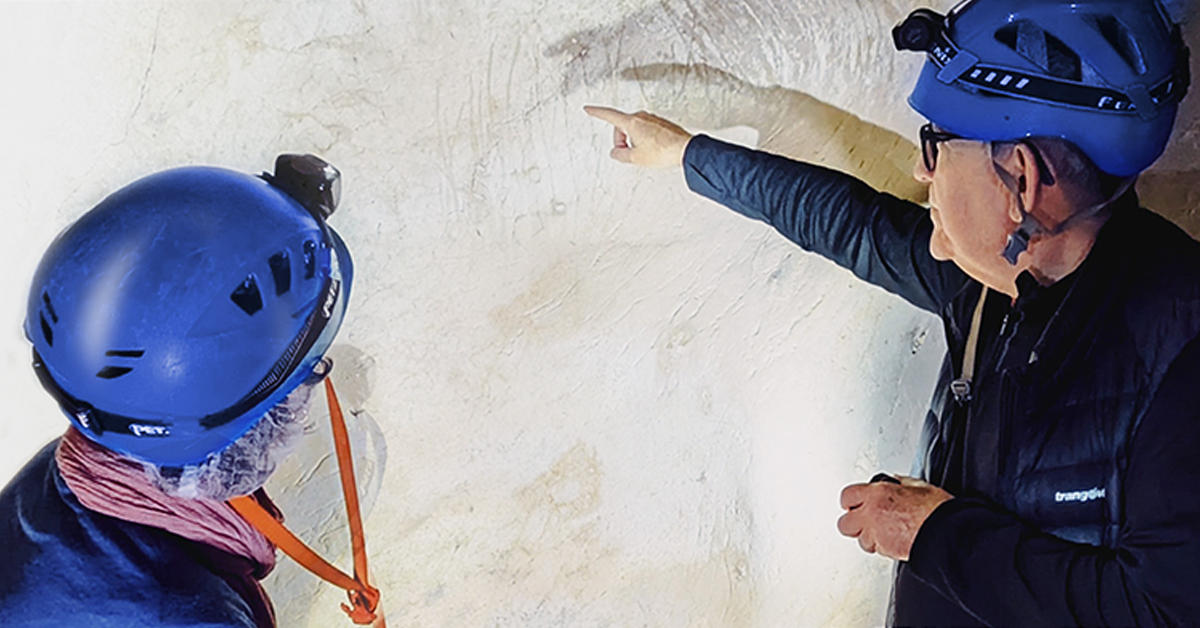
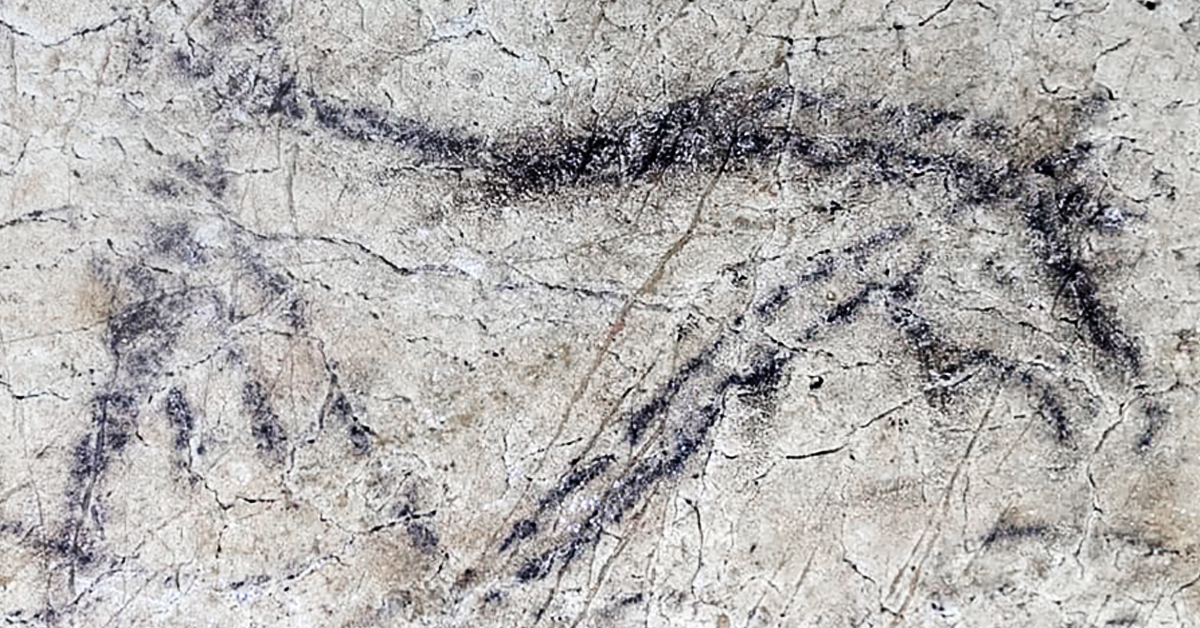
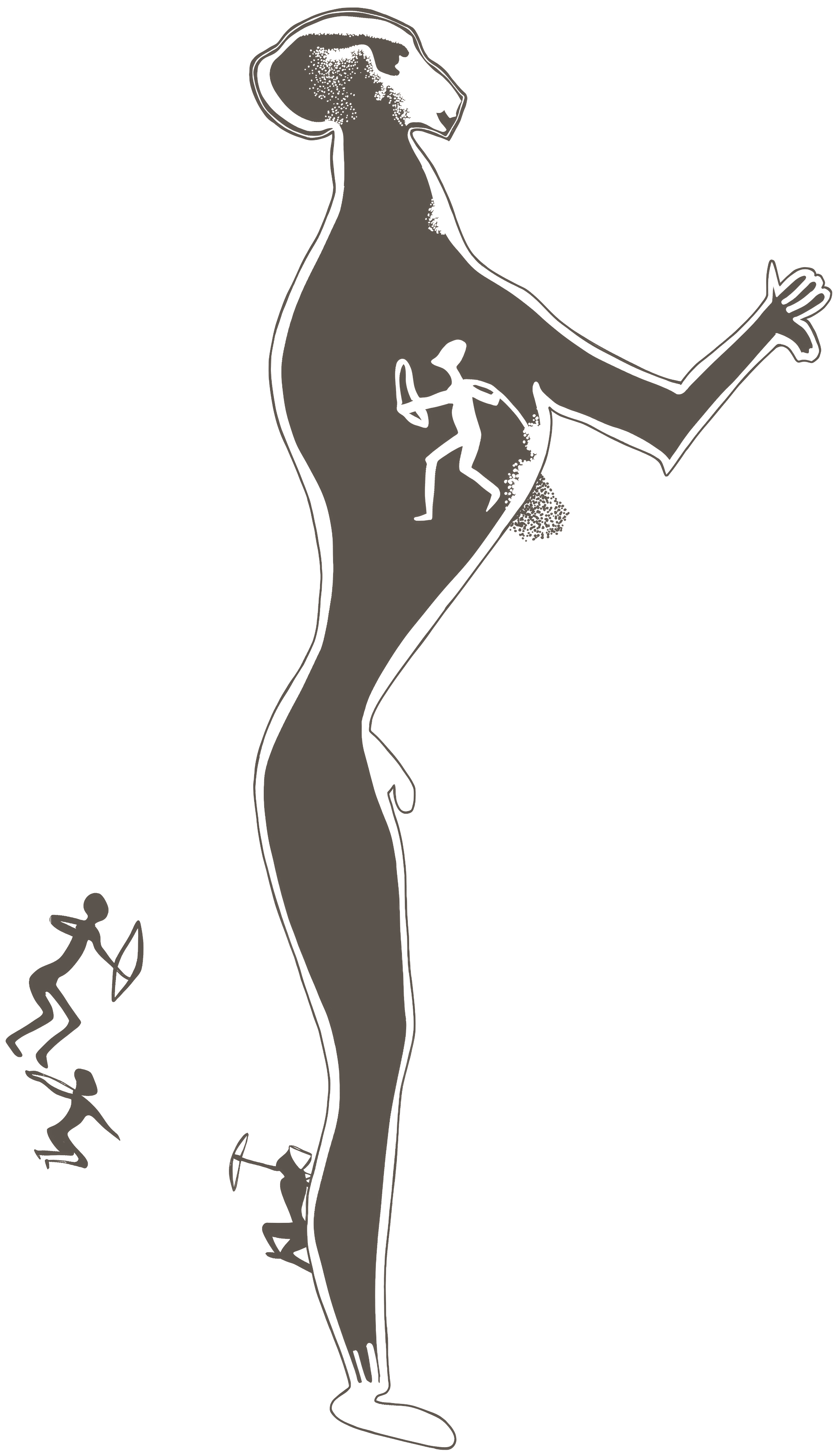
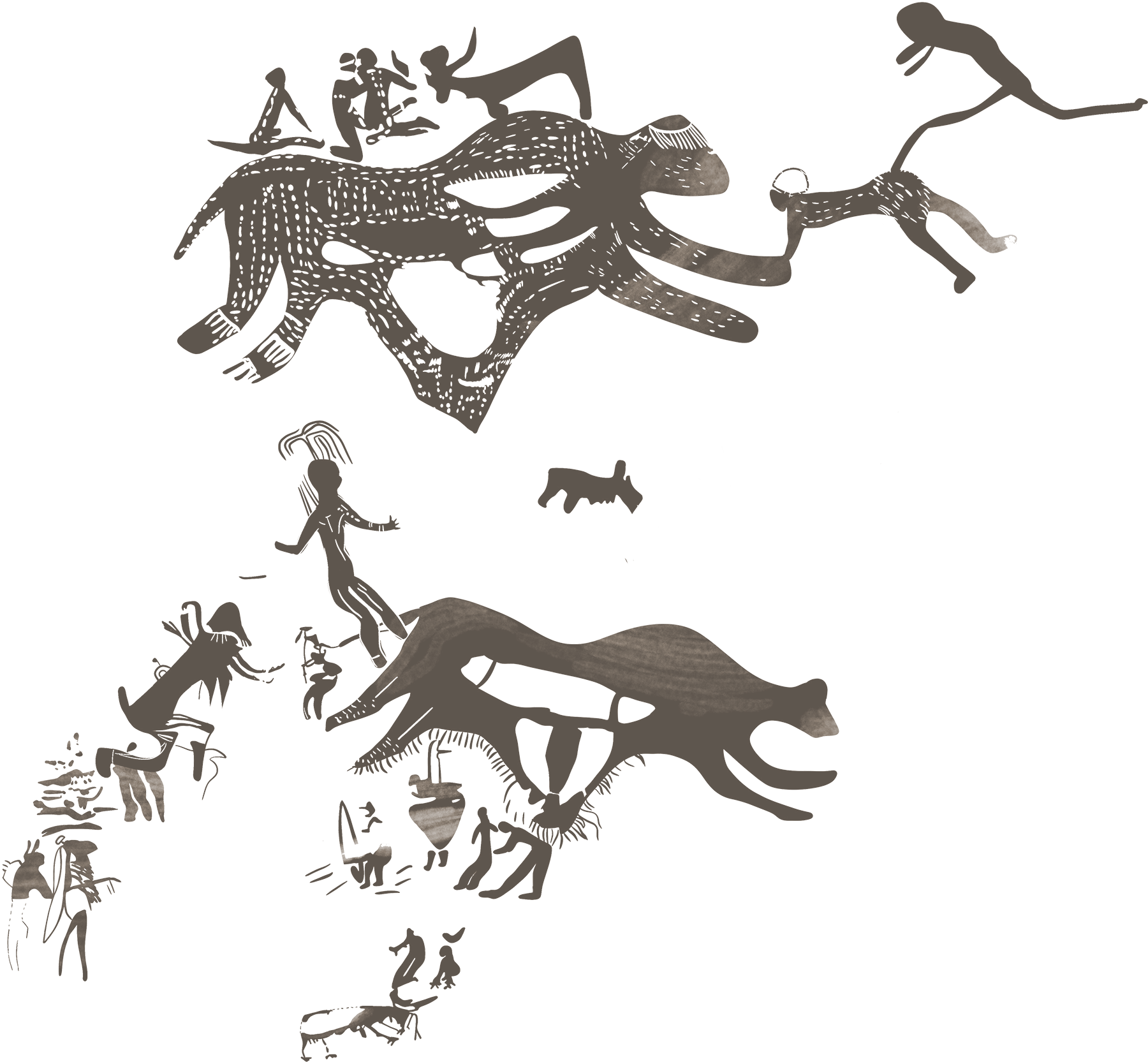
The Libyan Sahara is an open-air museum documenting the prehistoric period, with its mountain ranges and valleys standing as witnesses to the era of the "Green Sahara" in the early Holocene. In the far southwest, Tadrart Acacus stands out as one of the most important globally registered areas; its caves contain paintings and engravings documenting the transition from the Neolithic period, reaching the era of the camel and the appearance of ancient Libyan "Tifinagh" engravings. The Tadrart Acacus mountain massif is considered one of the most important rock art sites in Libya. This rocky massif takes the shape of a rectangle, with its longest side extending from north to south between 24 degrees 30' and 25 degrees 30' north of the equator. The mountain is 250 kilometres long, with a maximum depth of 50 kilometres, covering an area of approximately 4,800 square kilometres.
© Shefa Salem
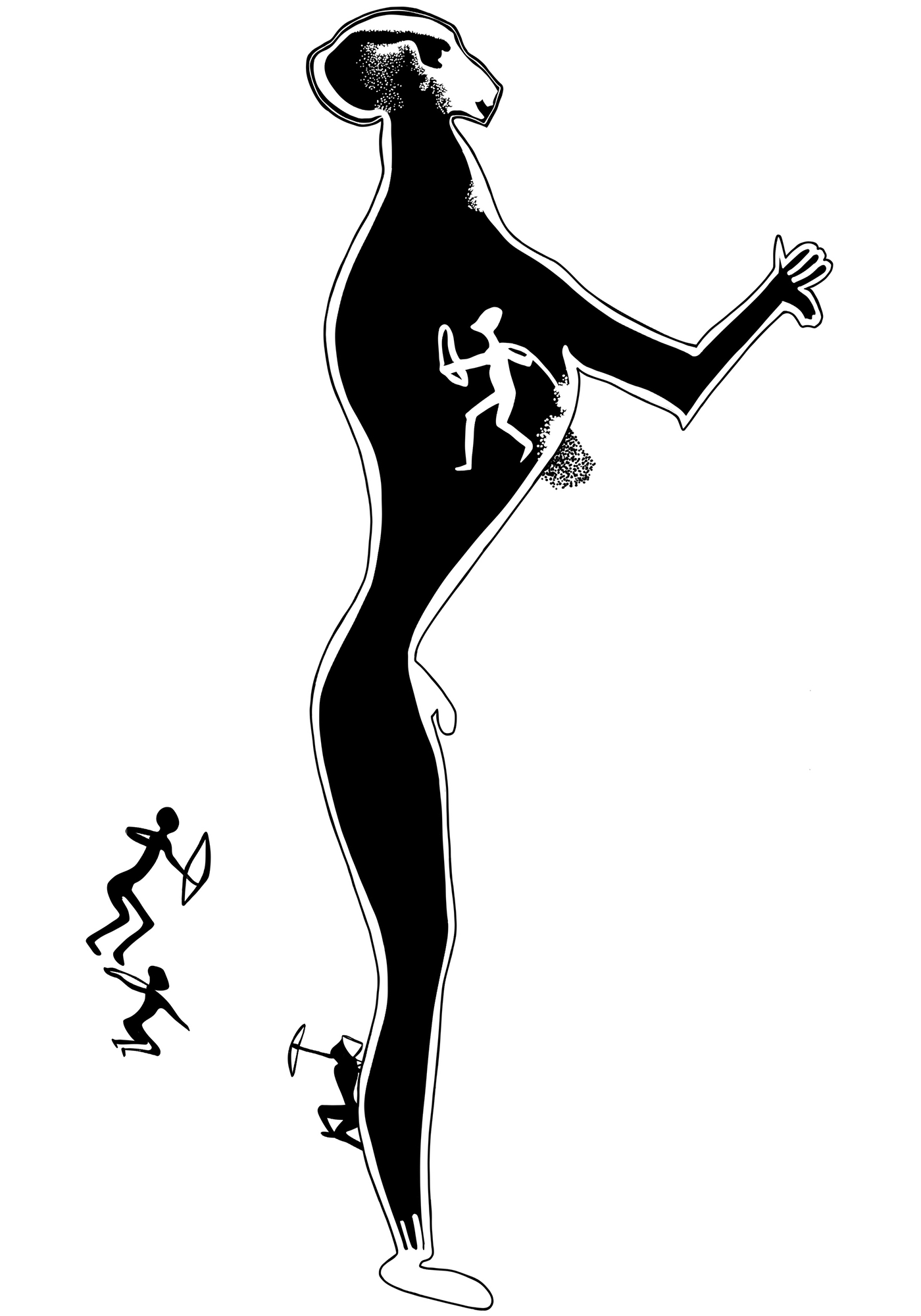
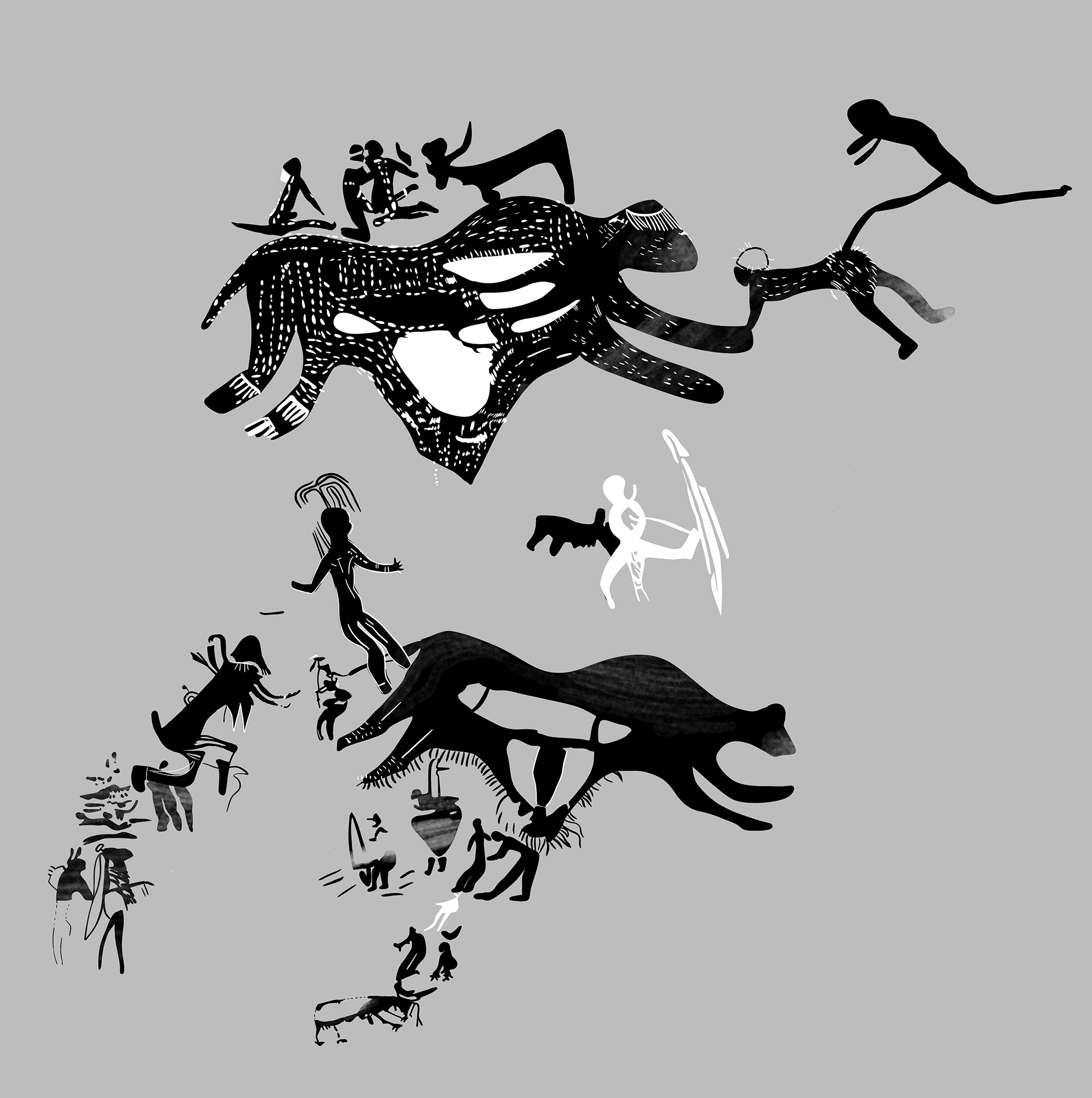
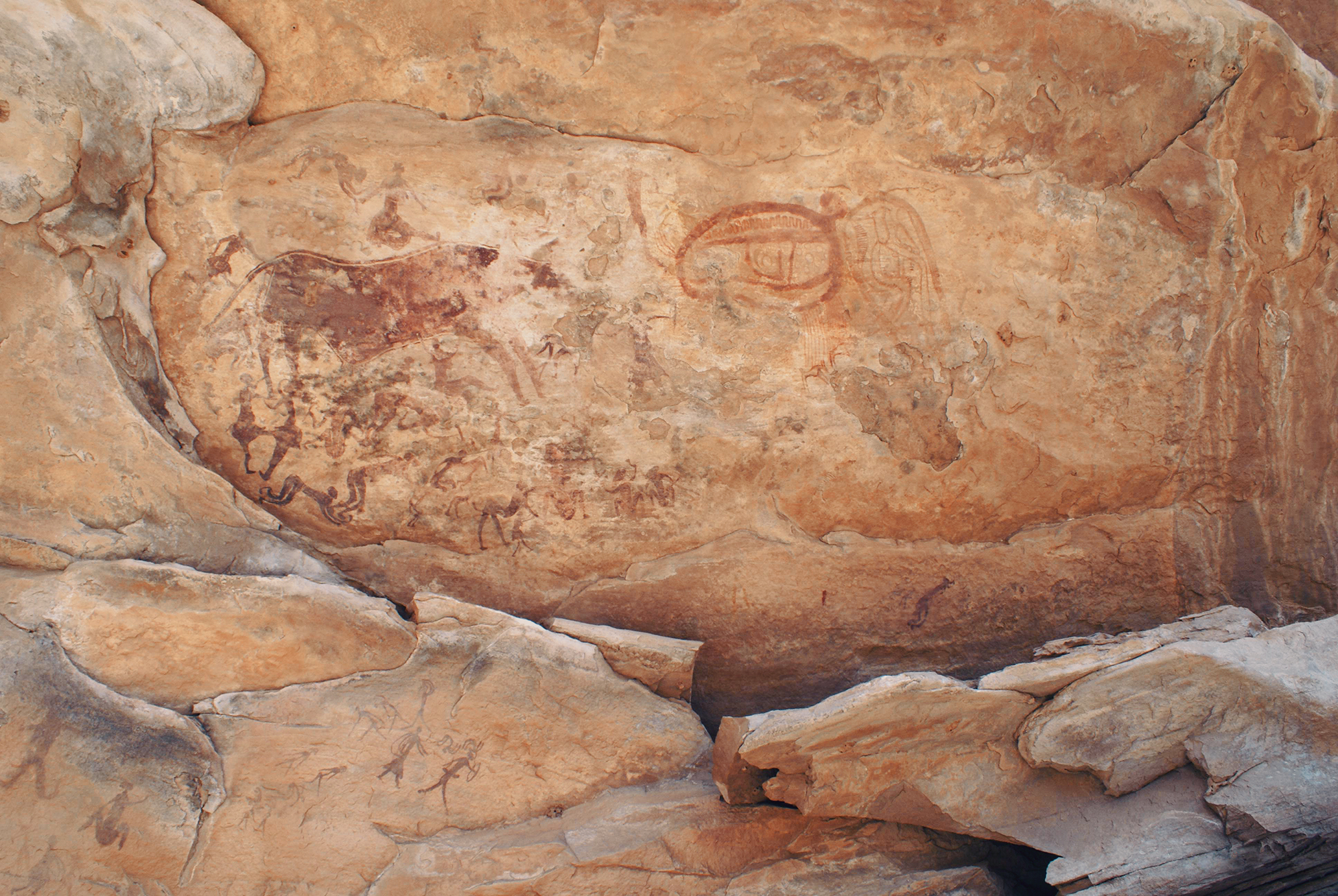
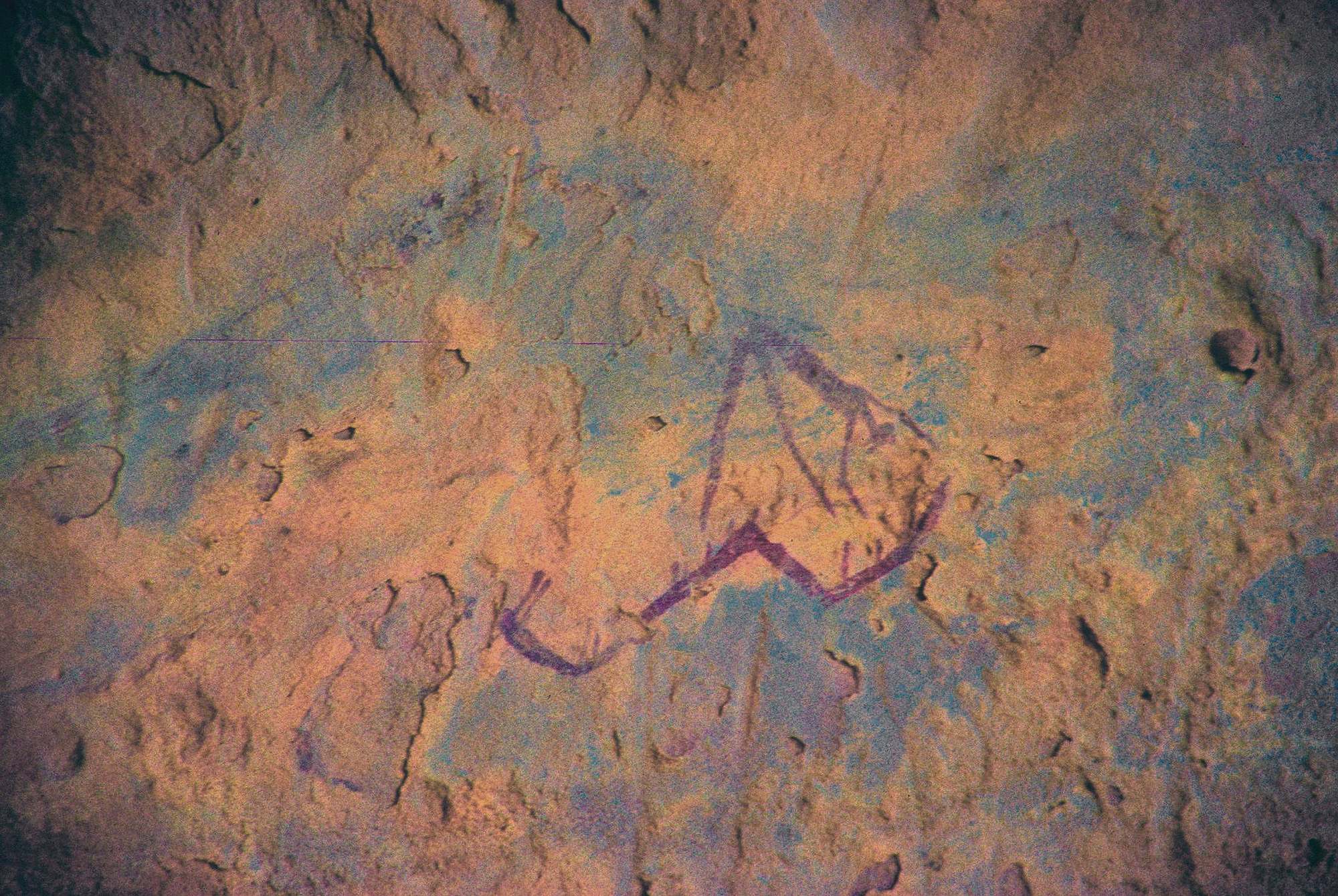
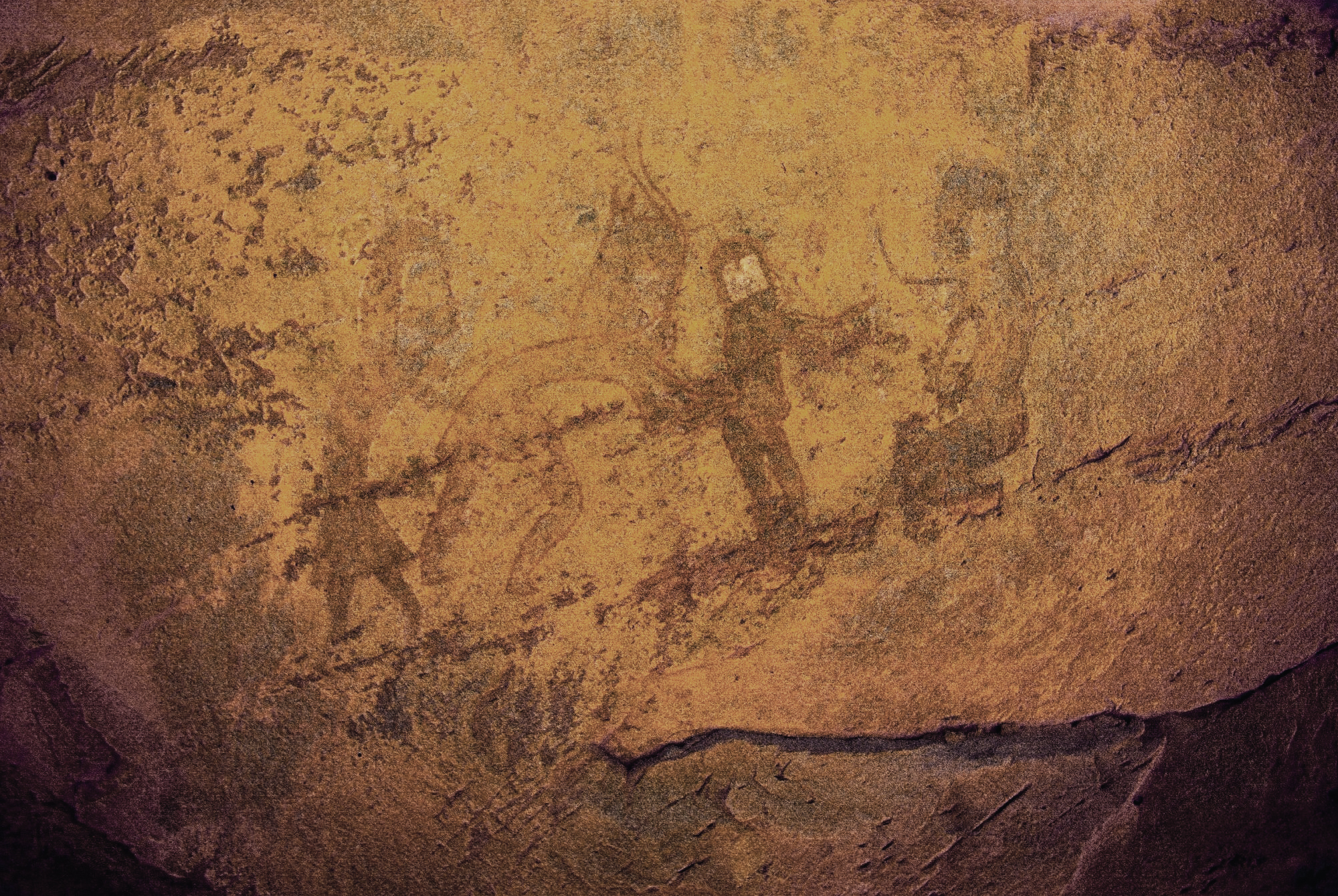
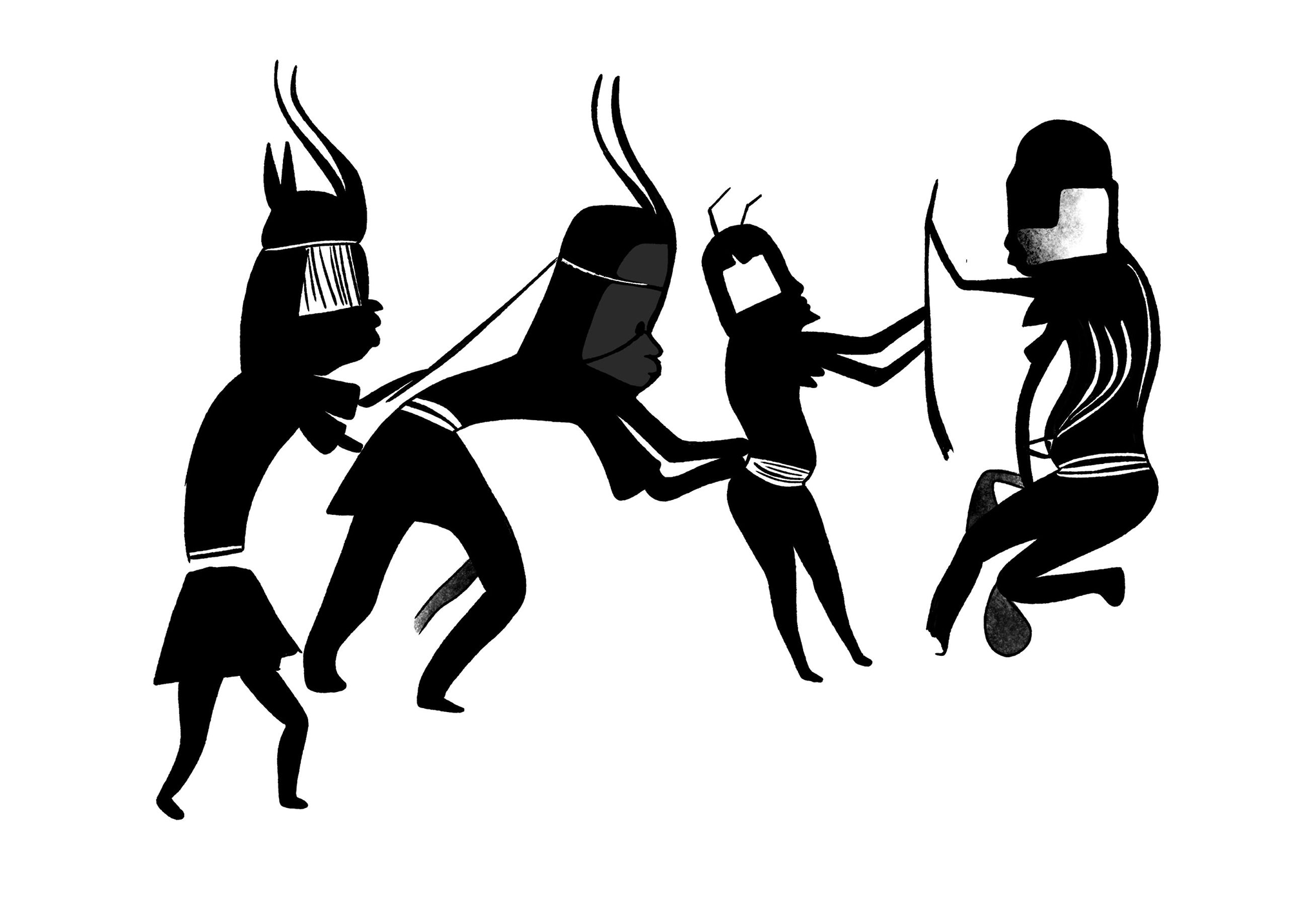
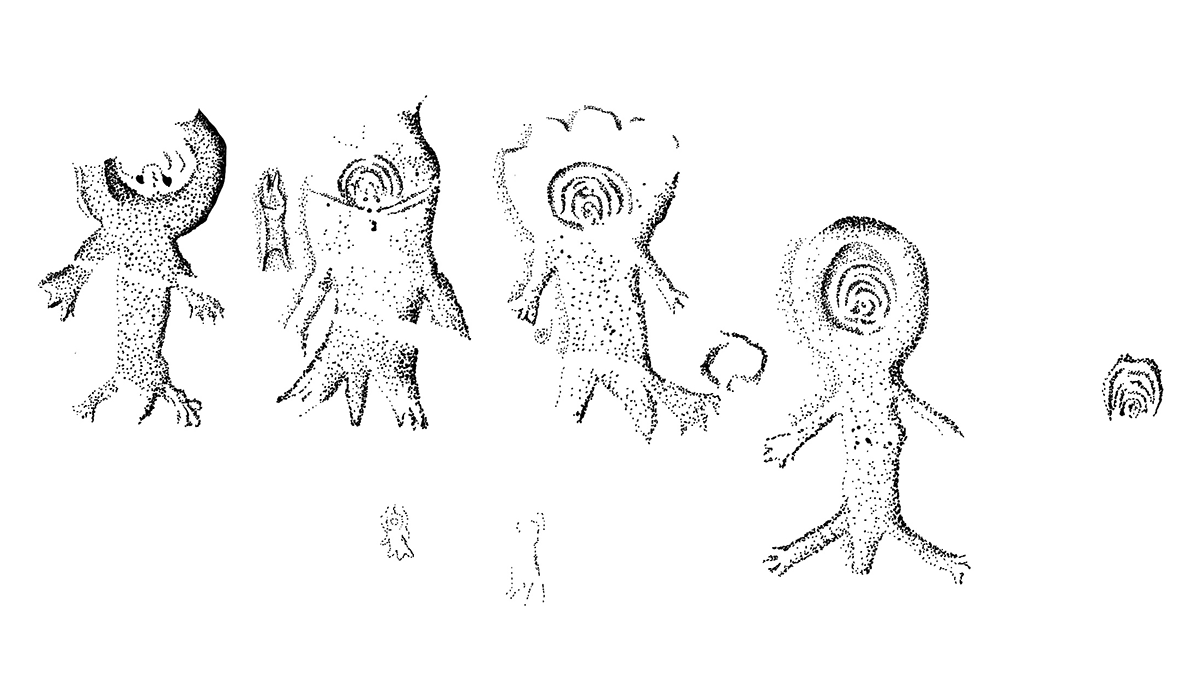
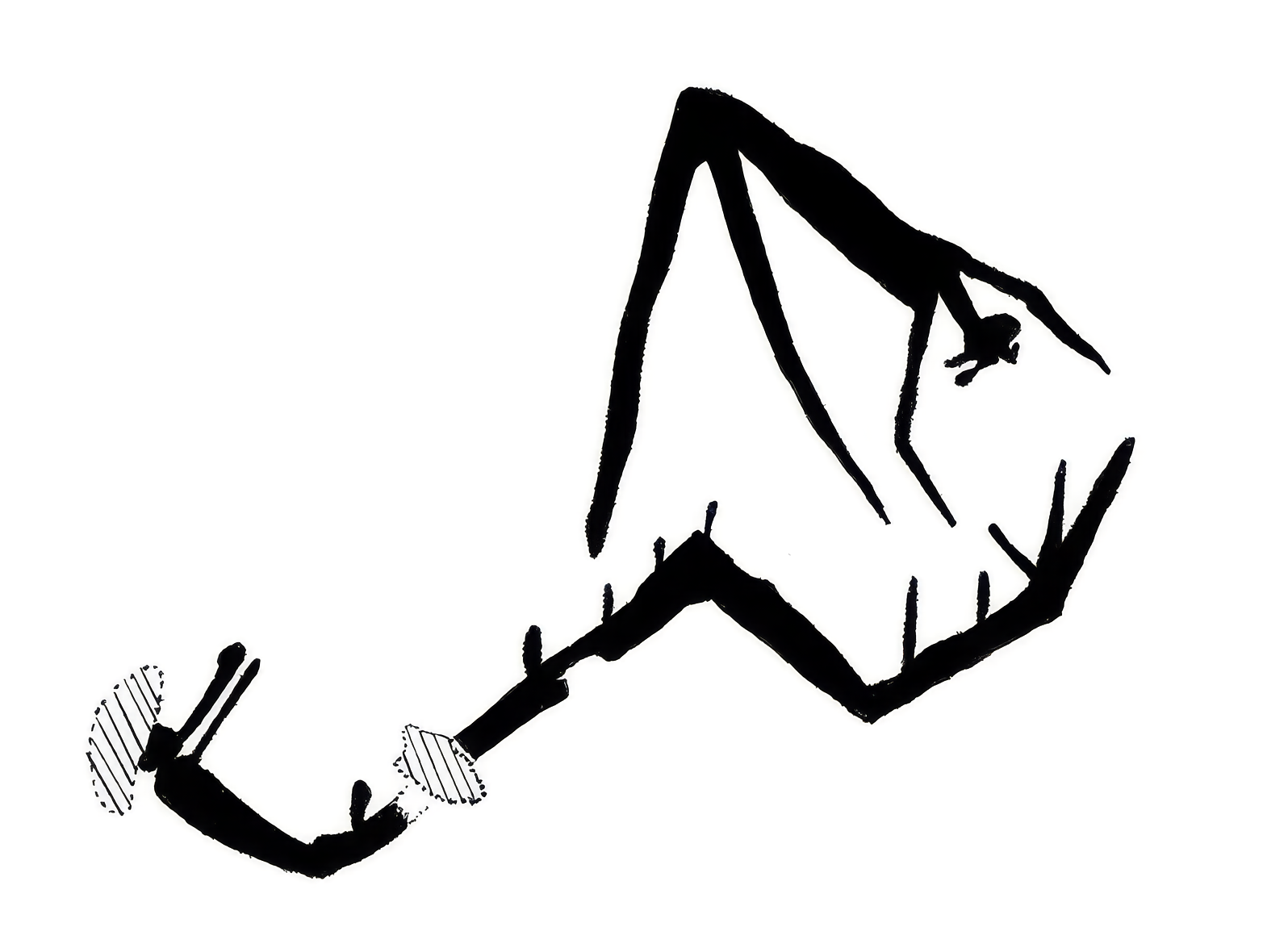
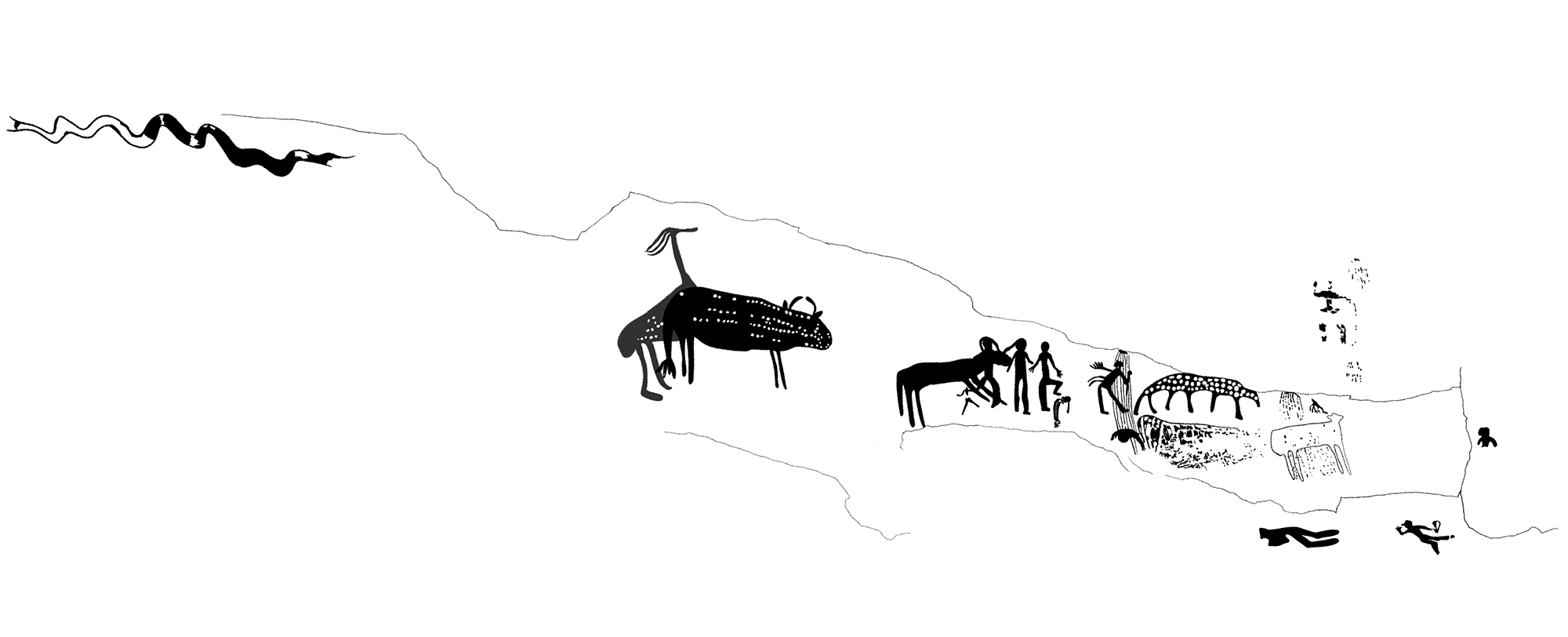
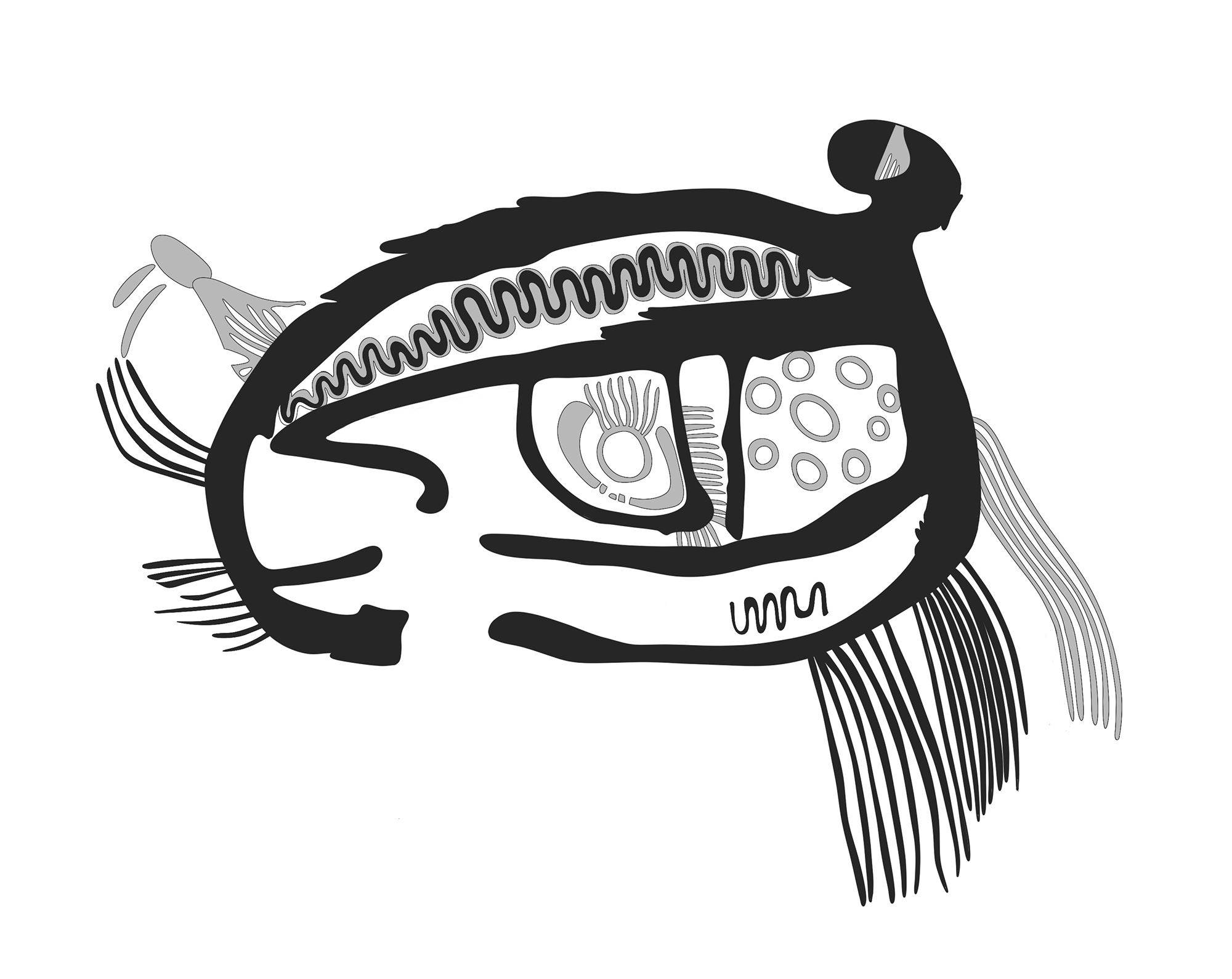
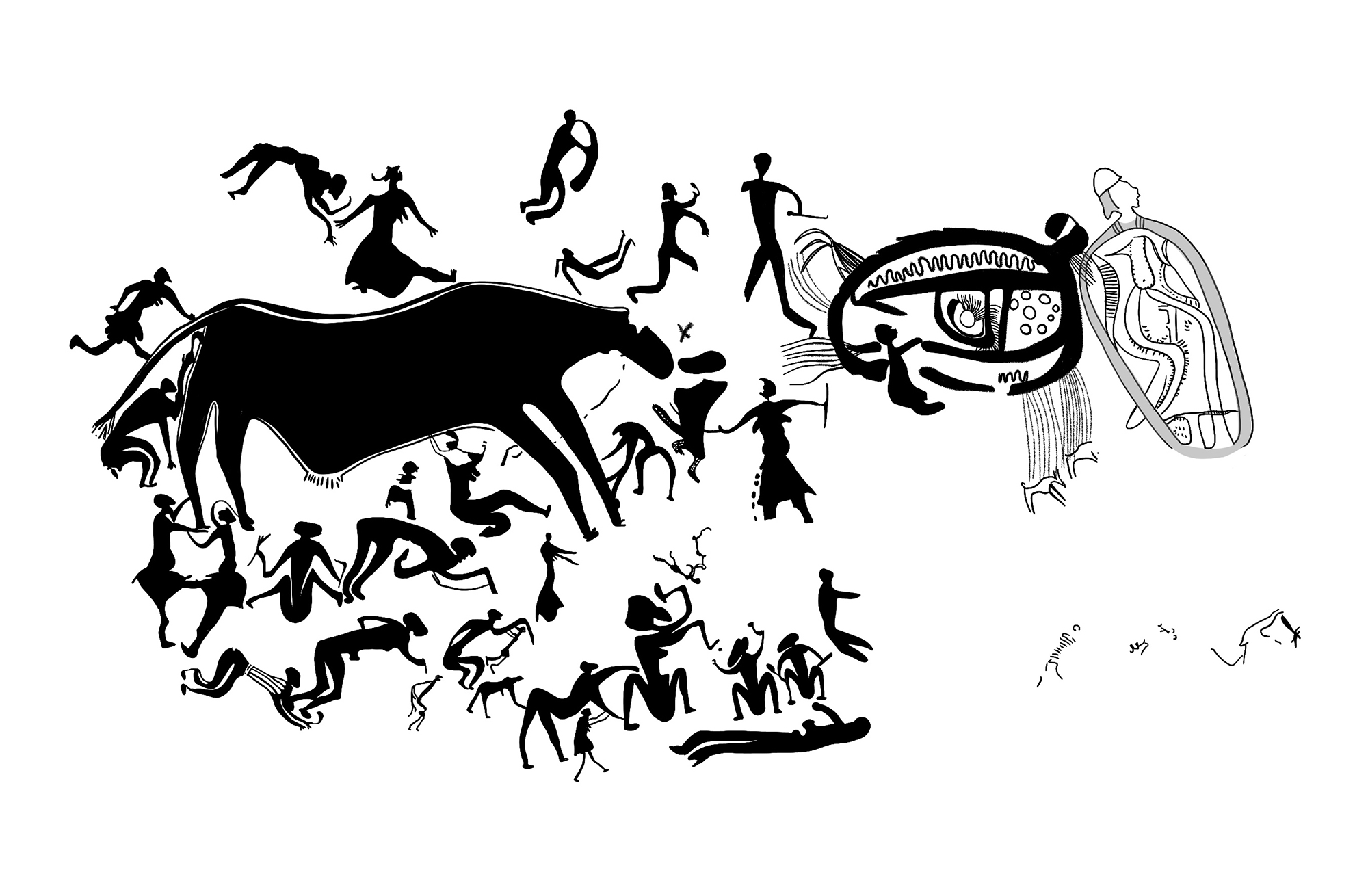
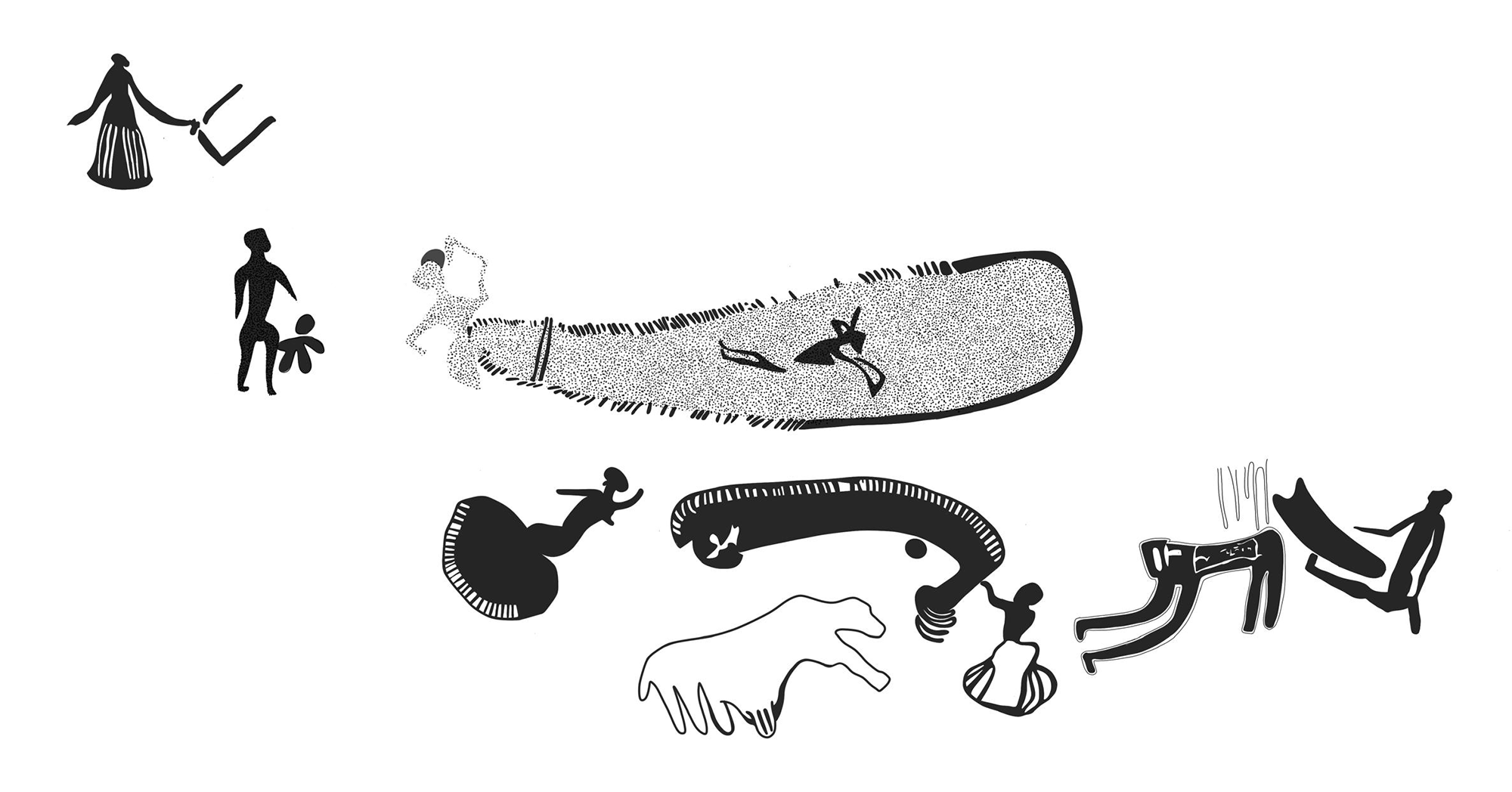
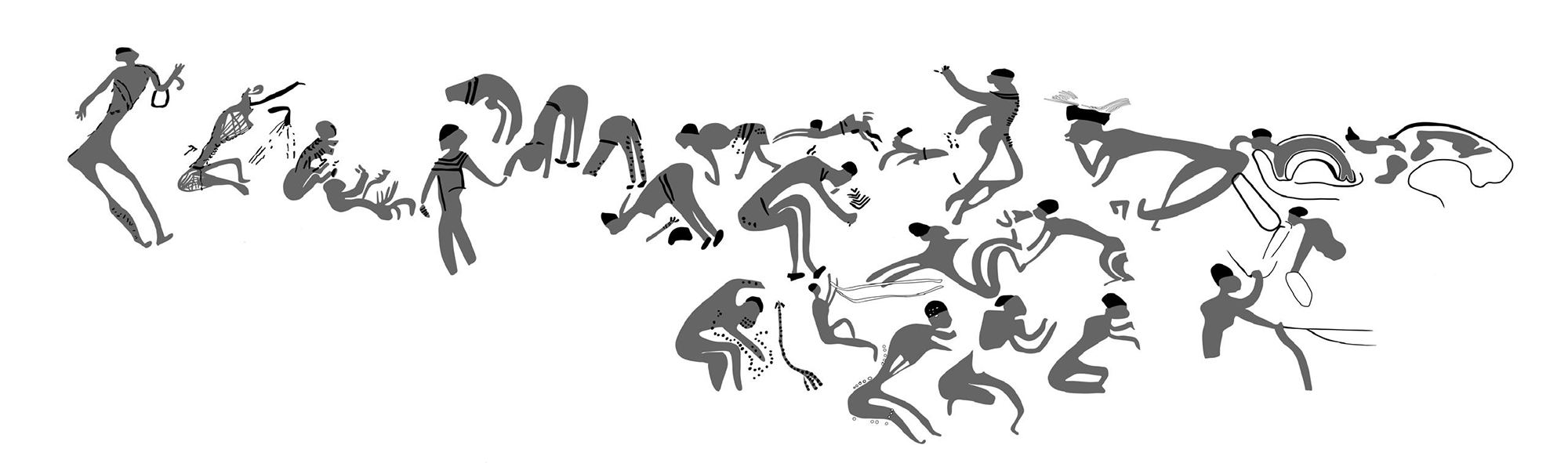
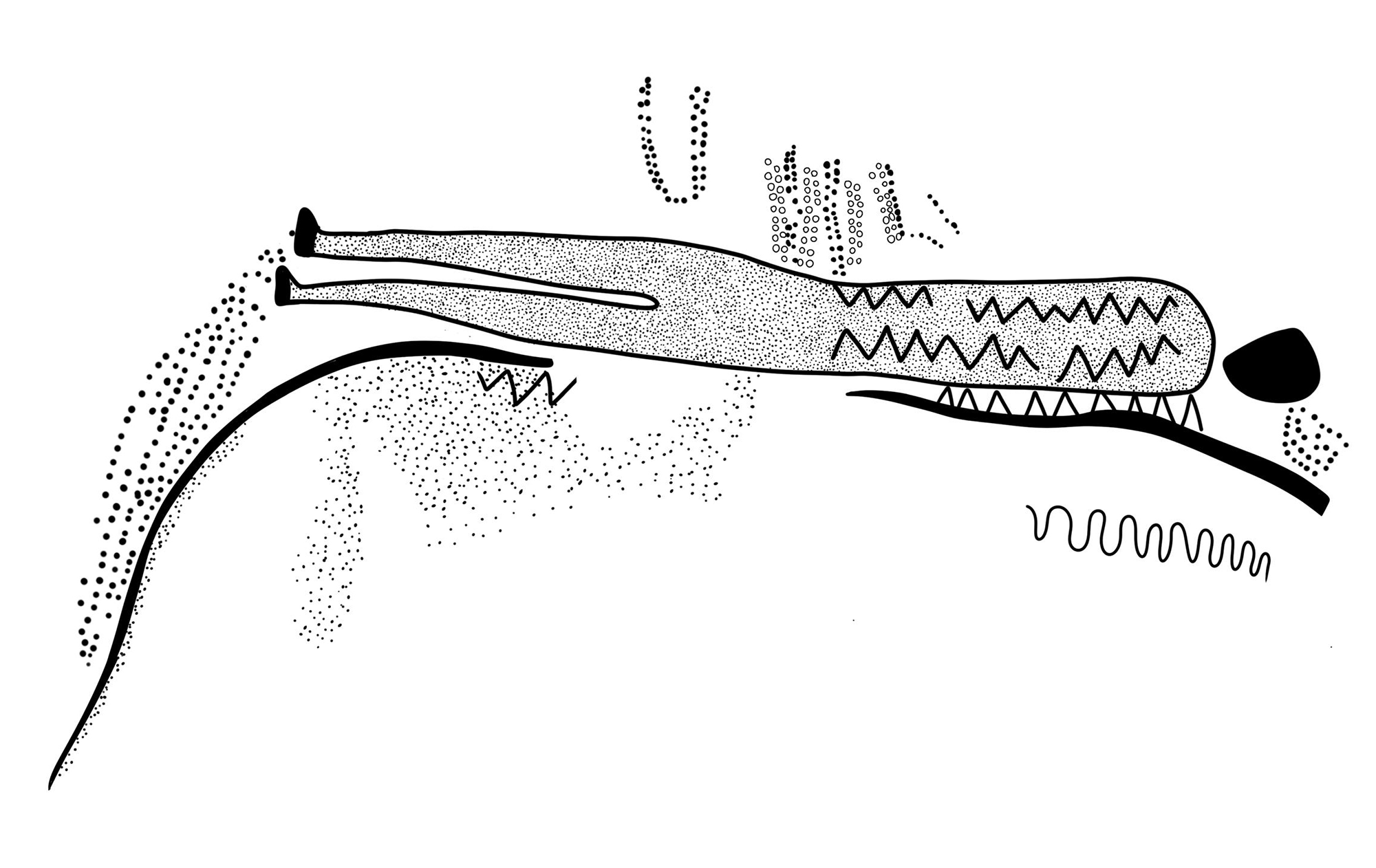
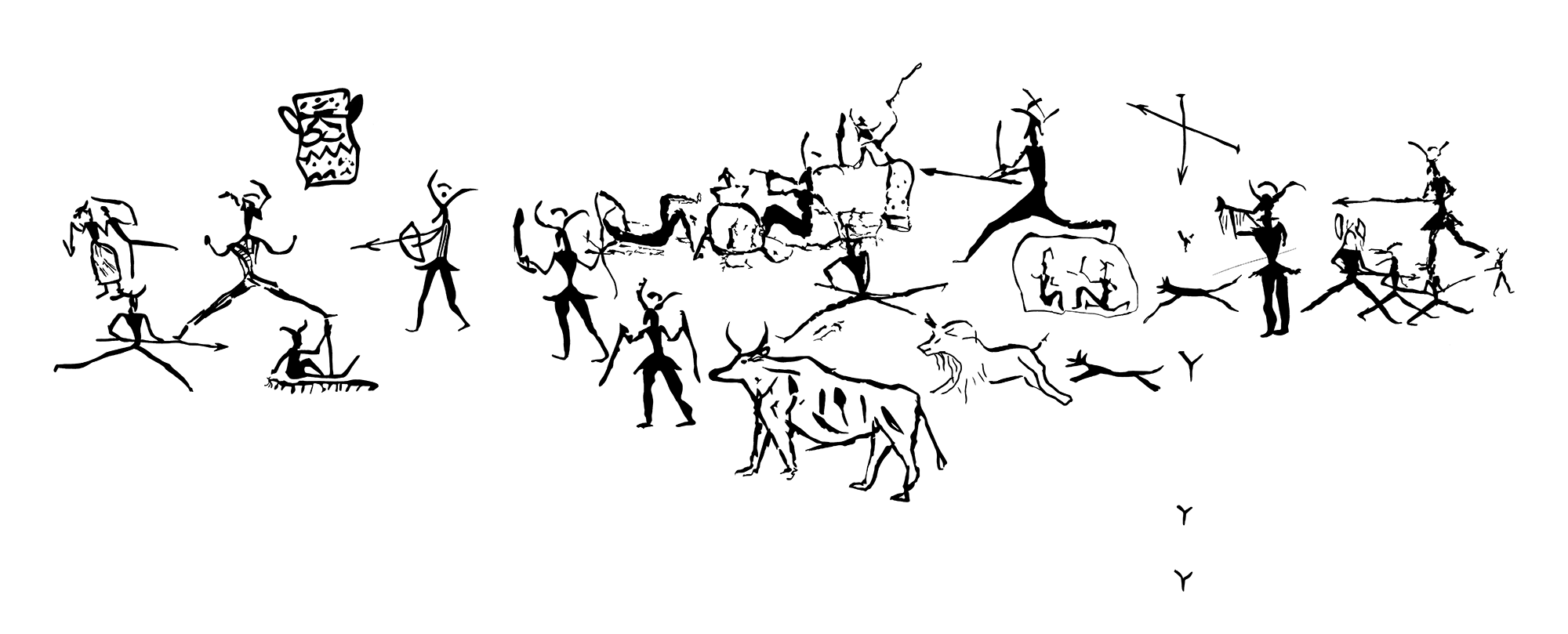
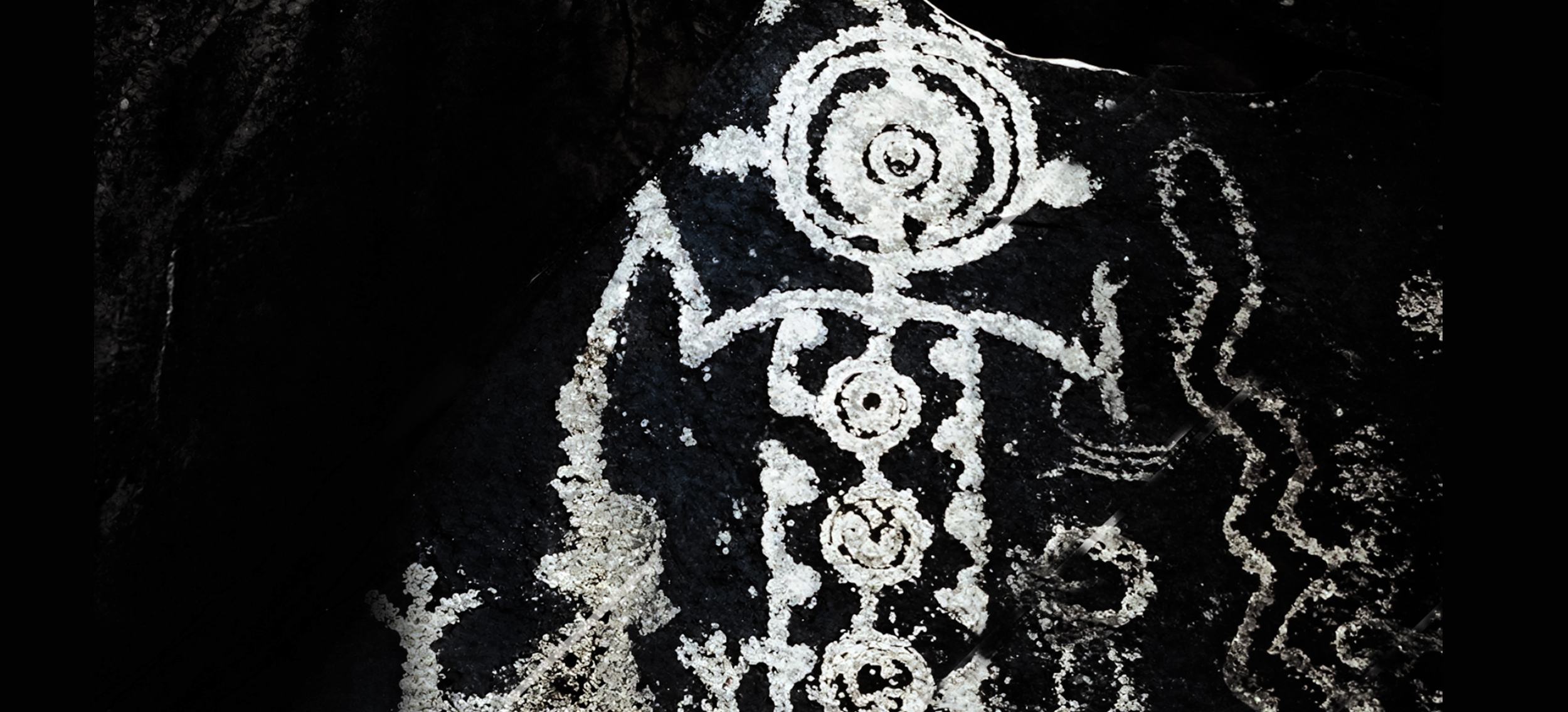
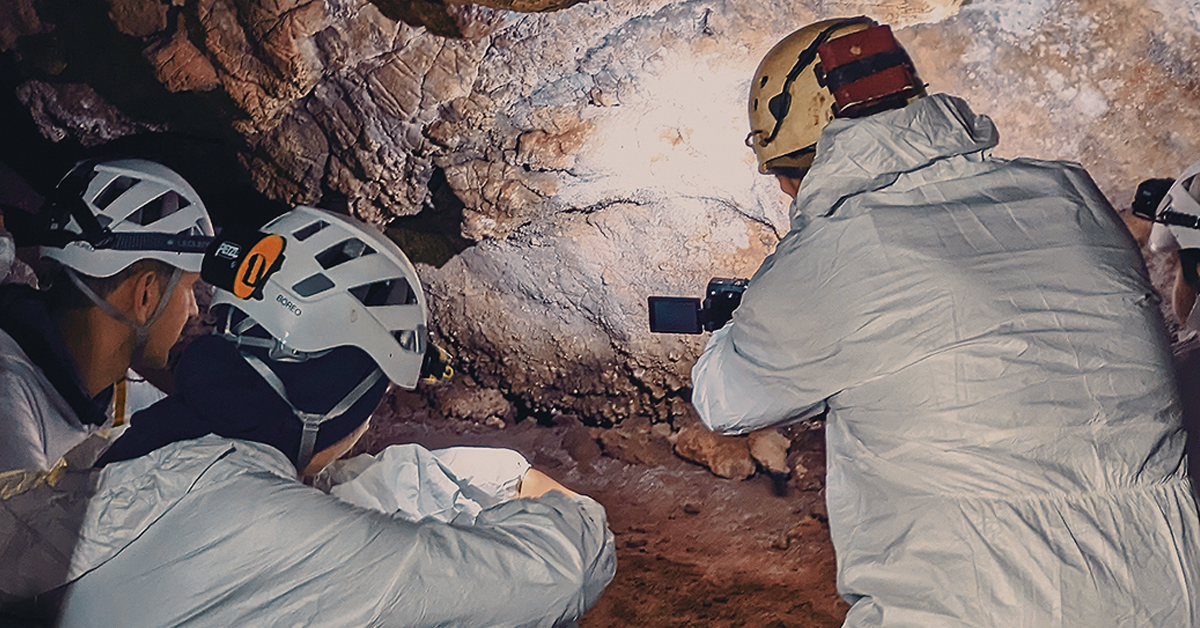
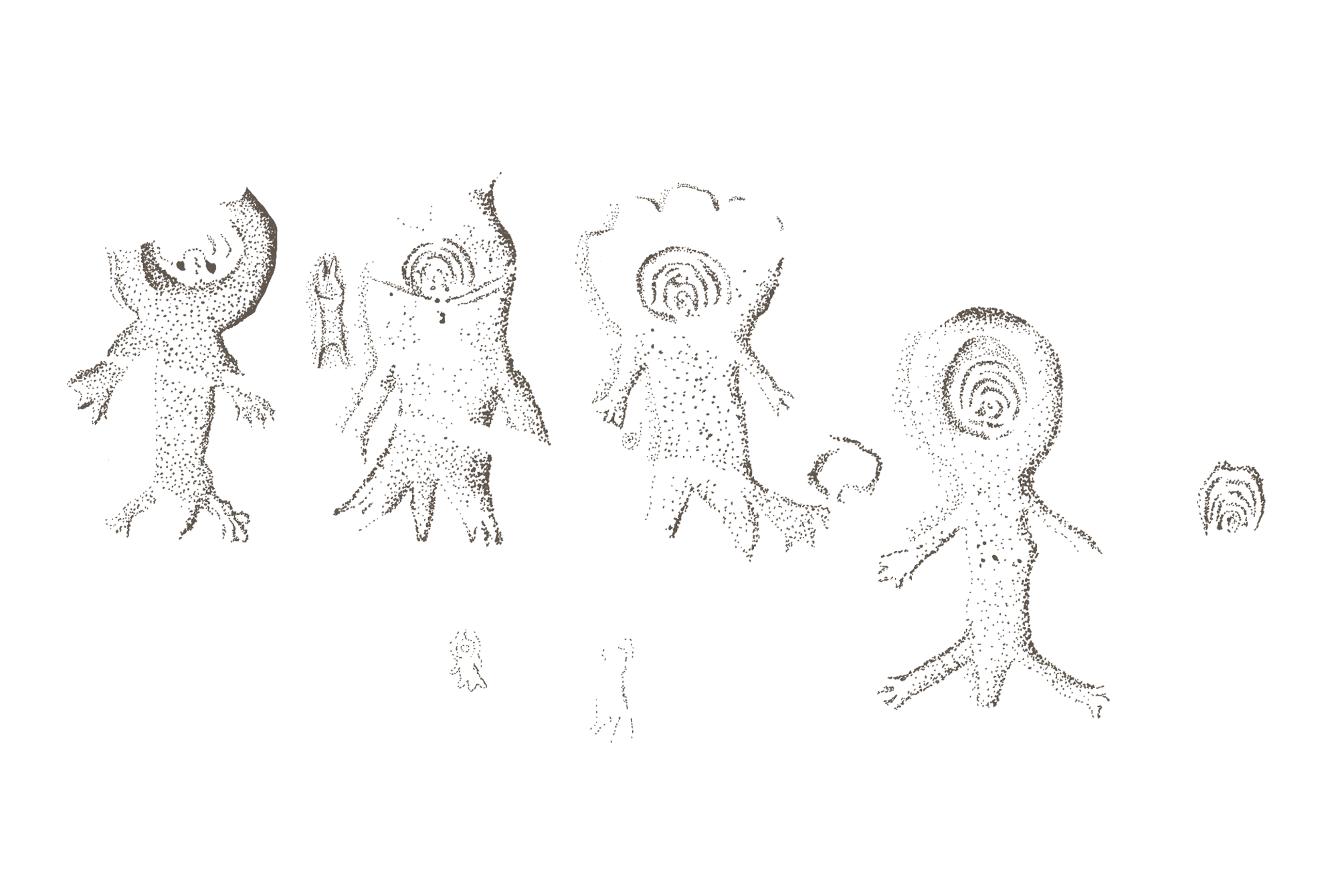
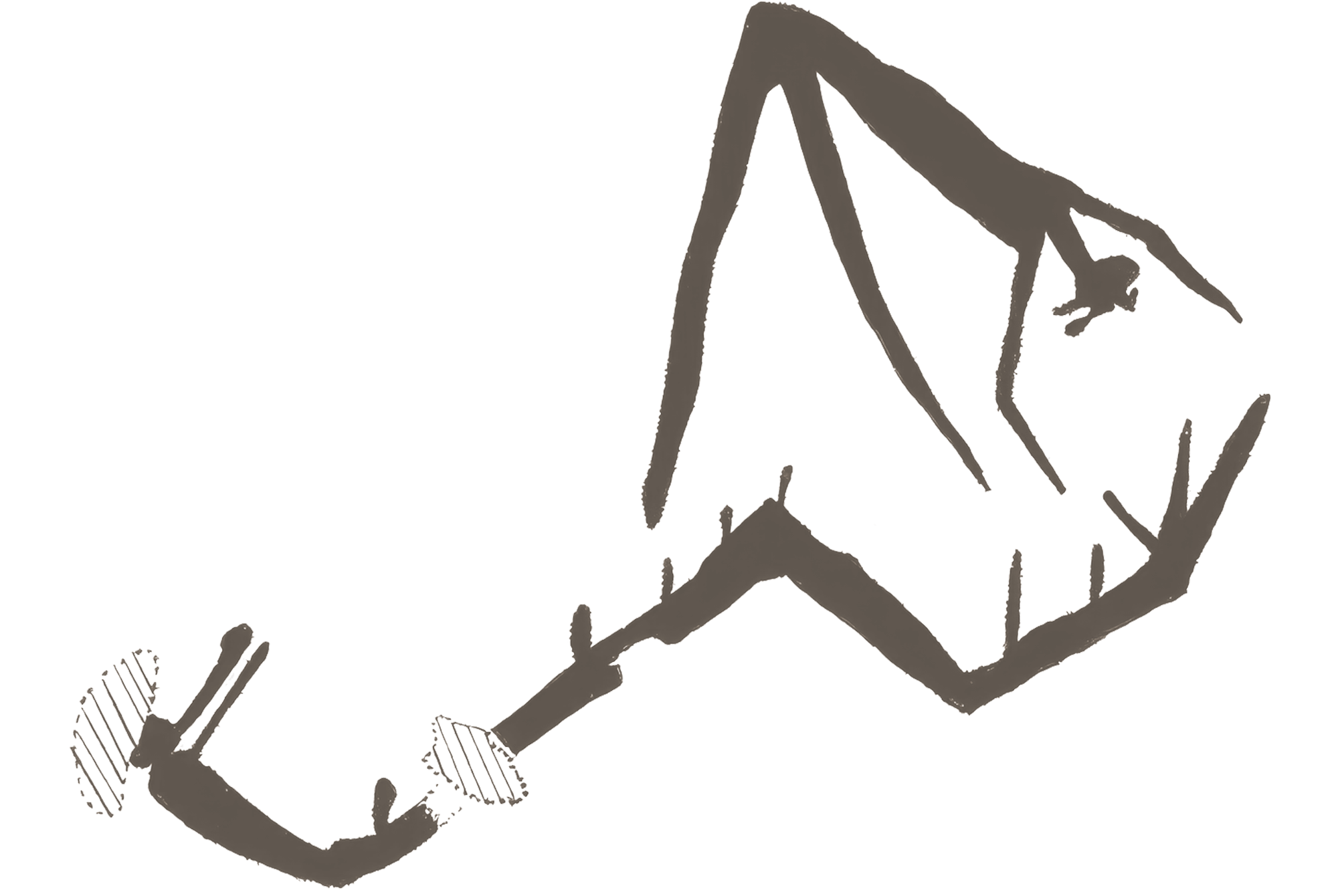
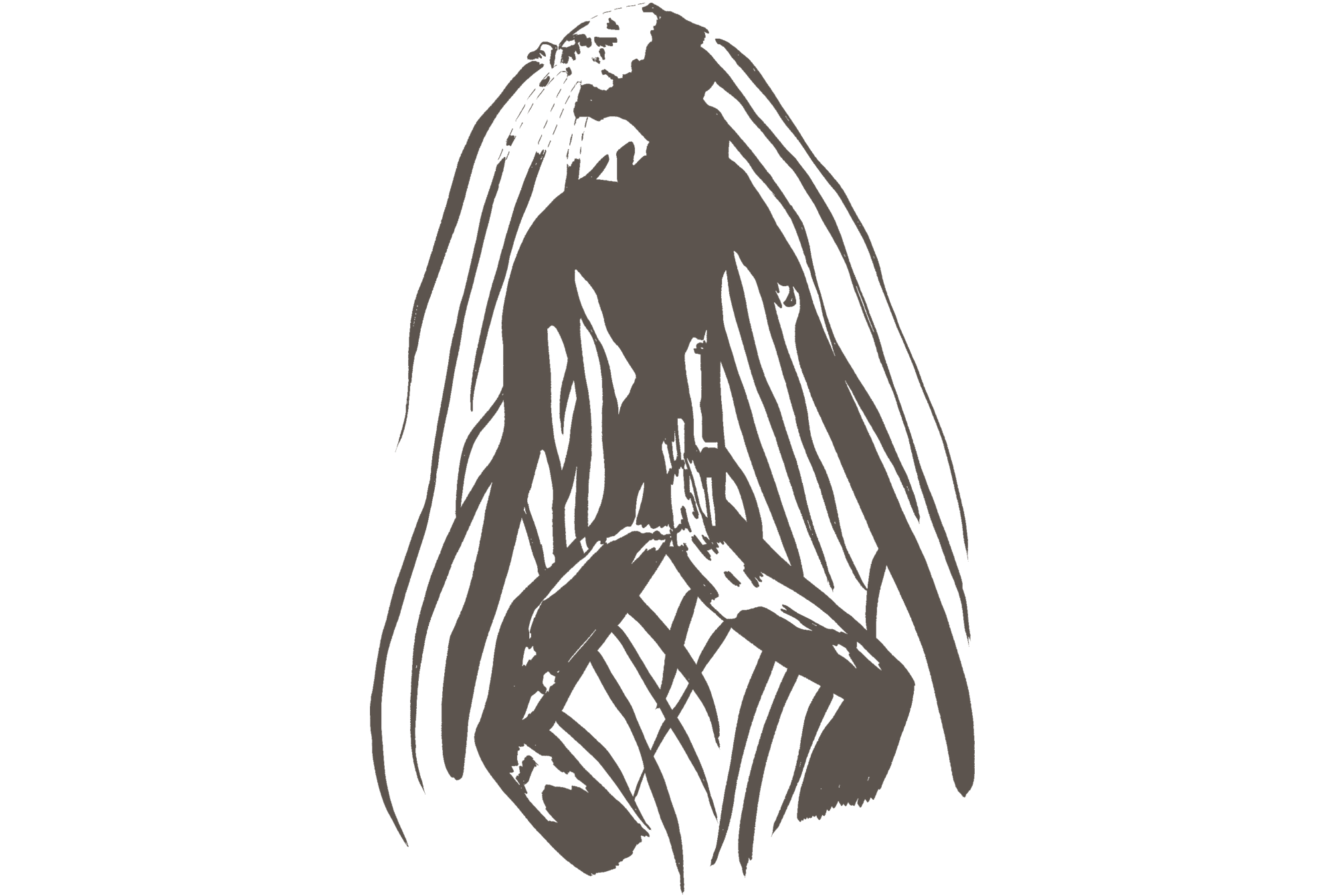
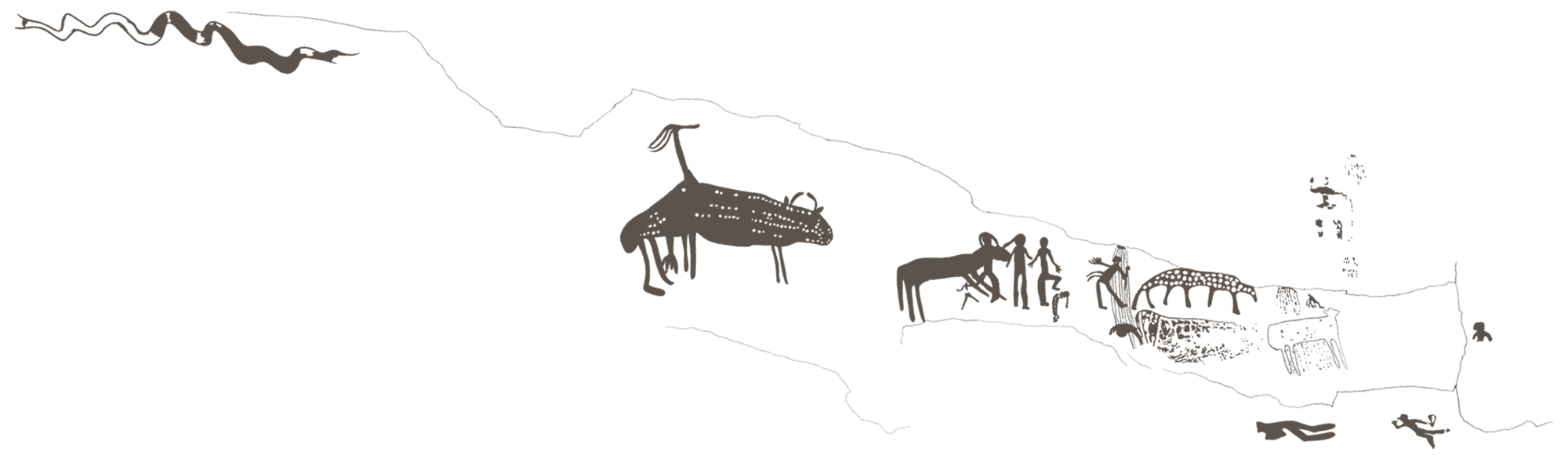
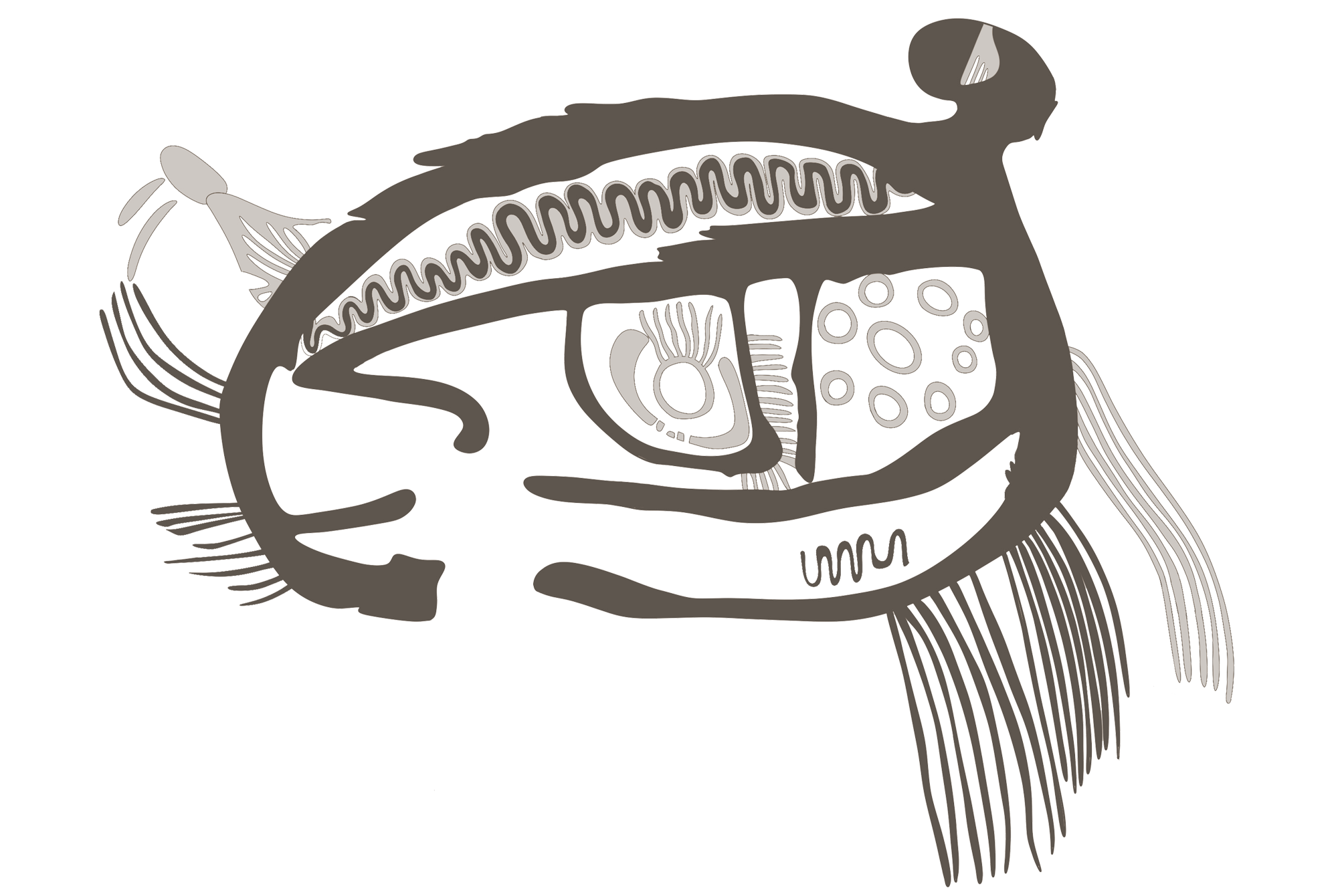
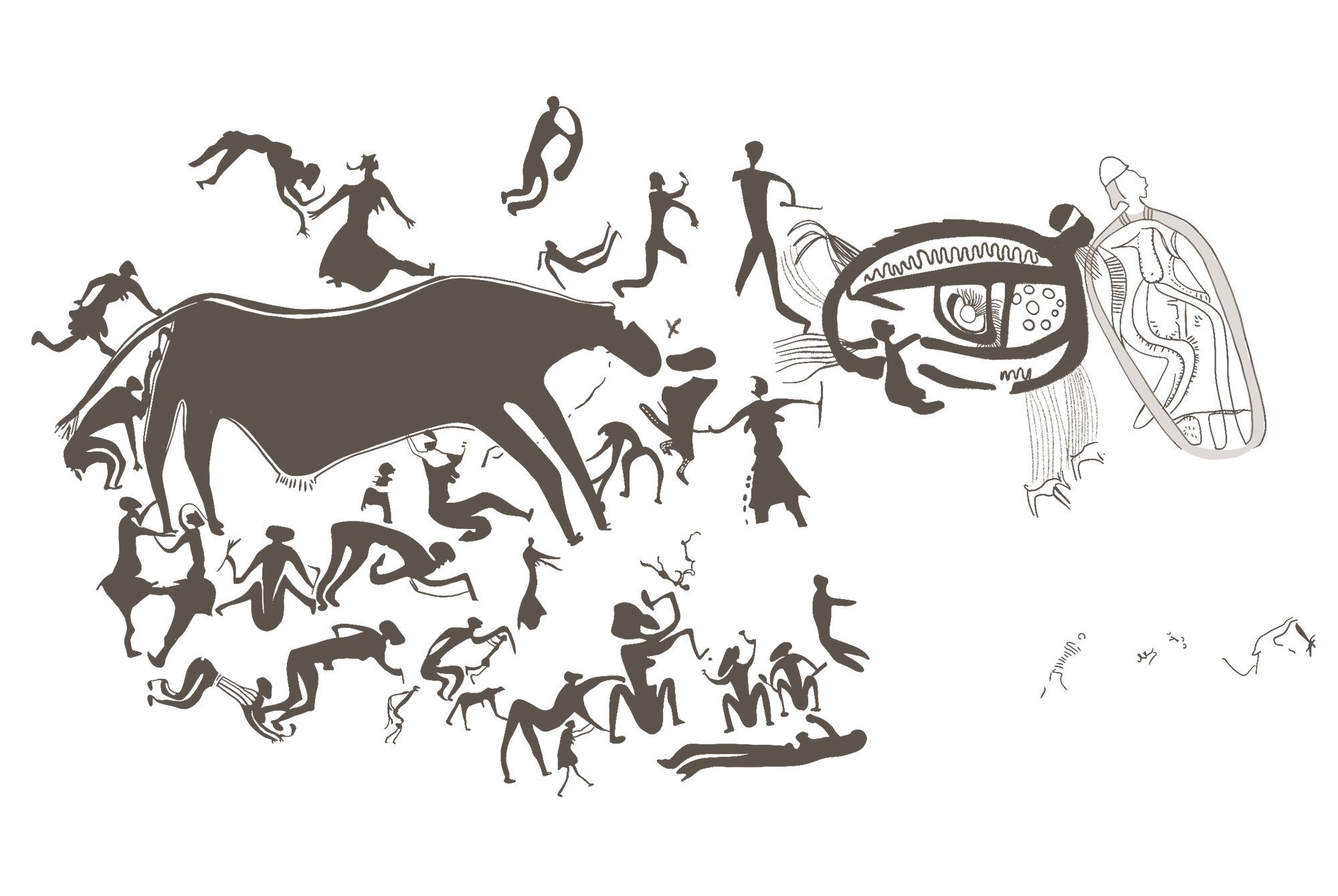
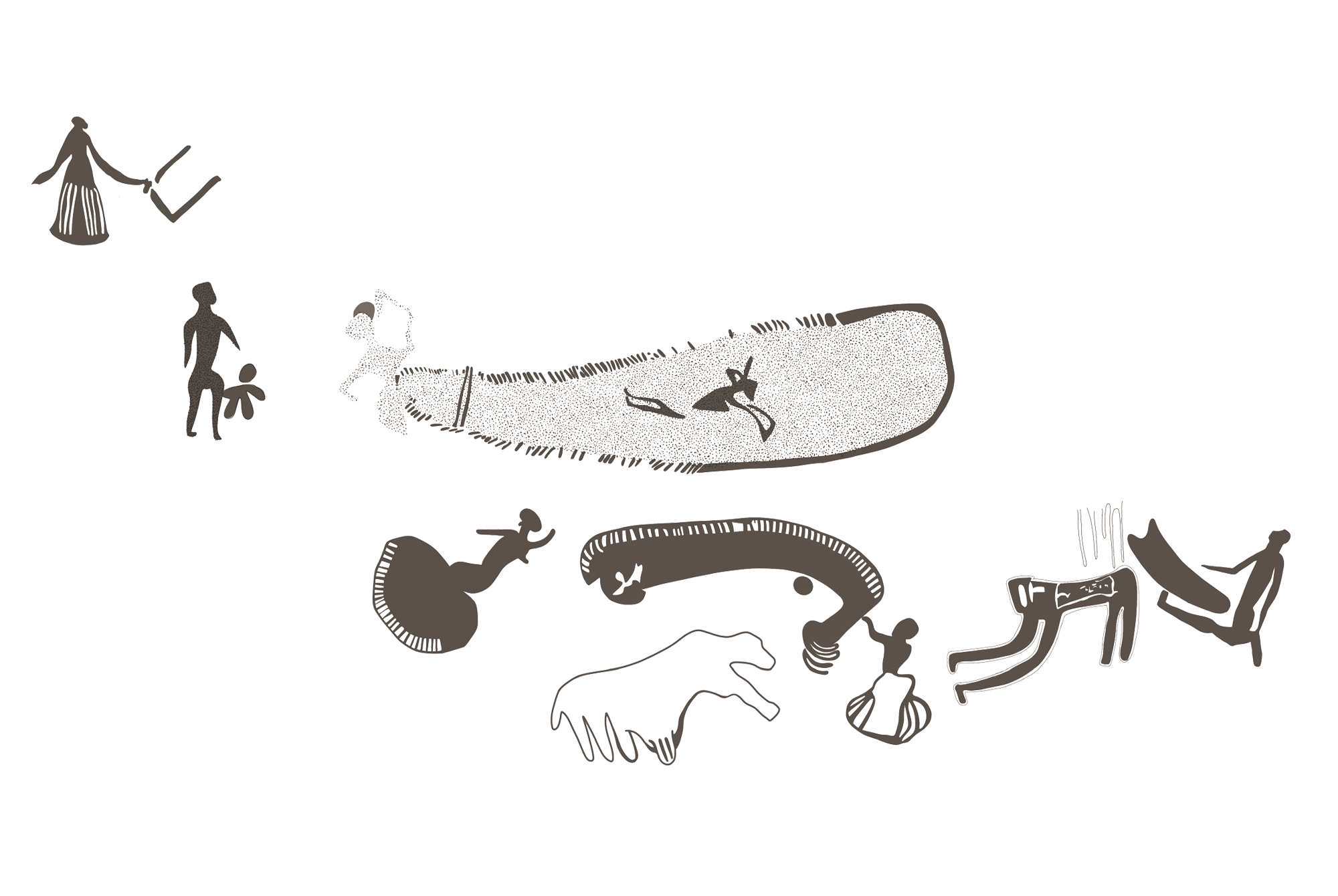
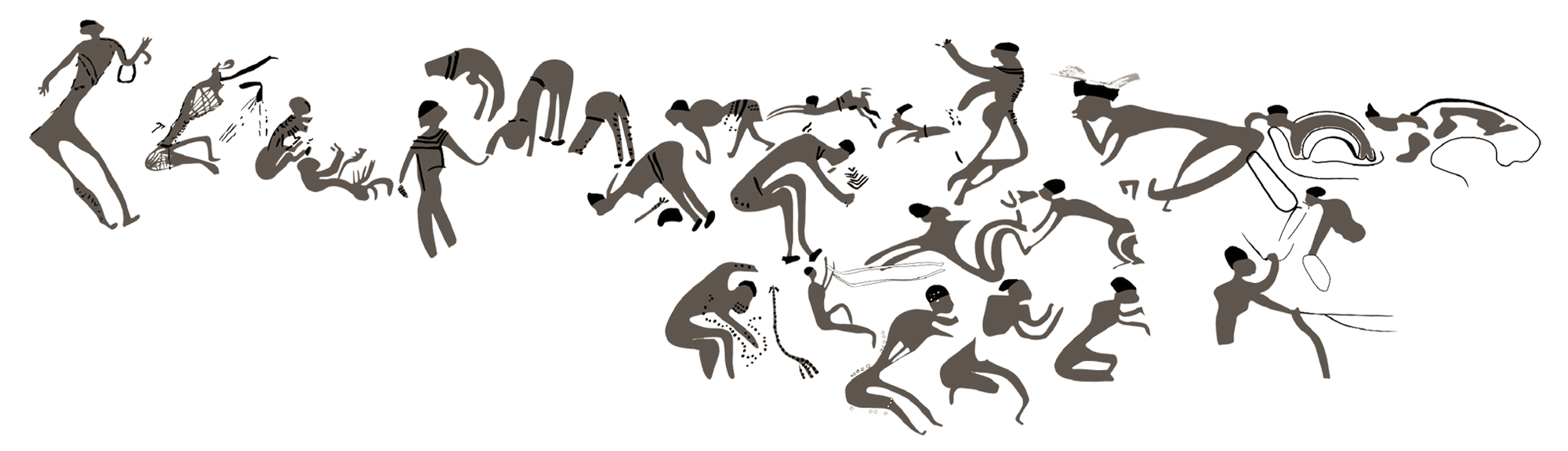
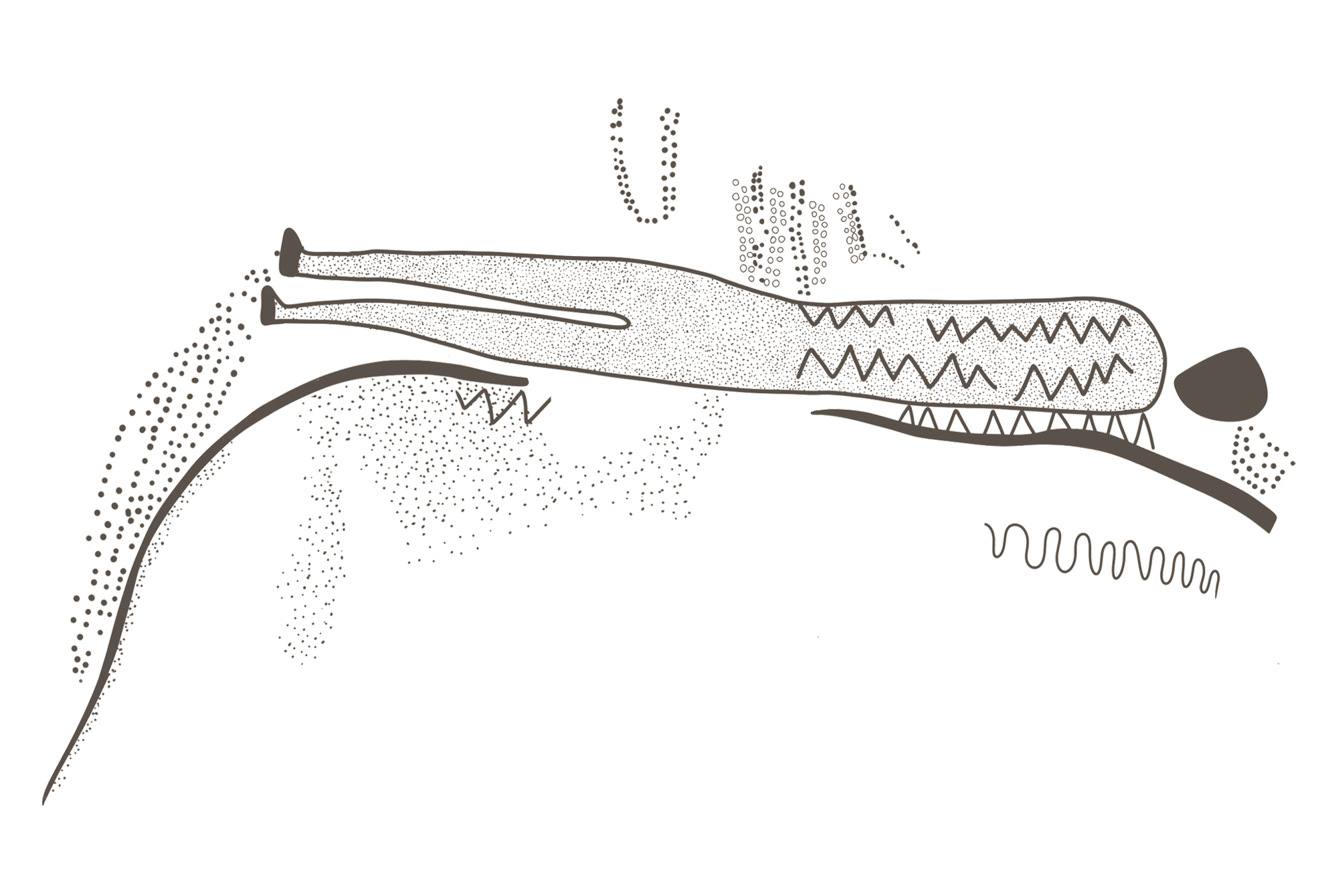
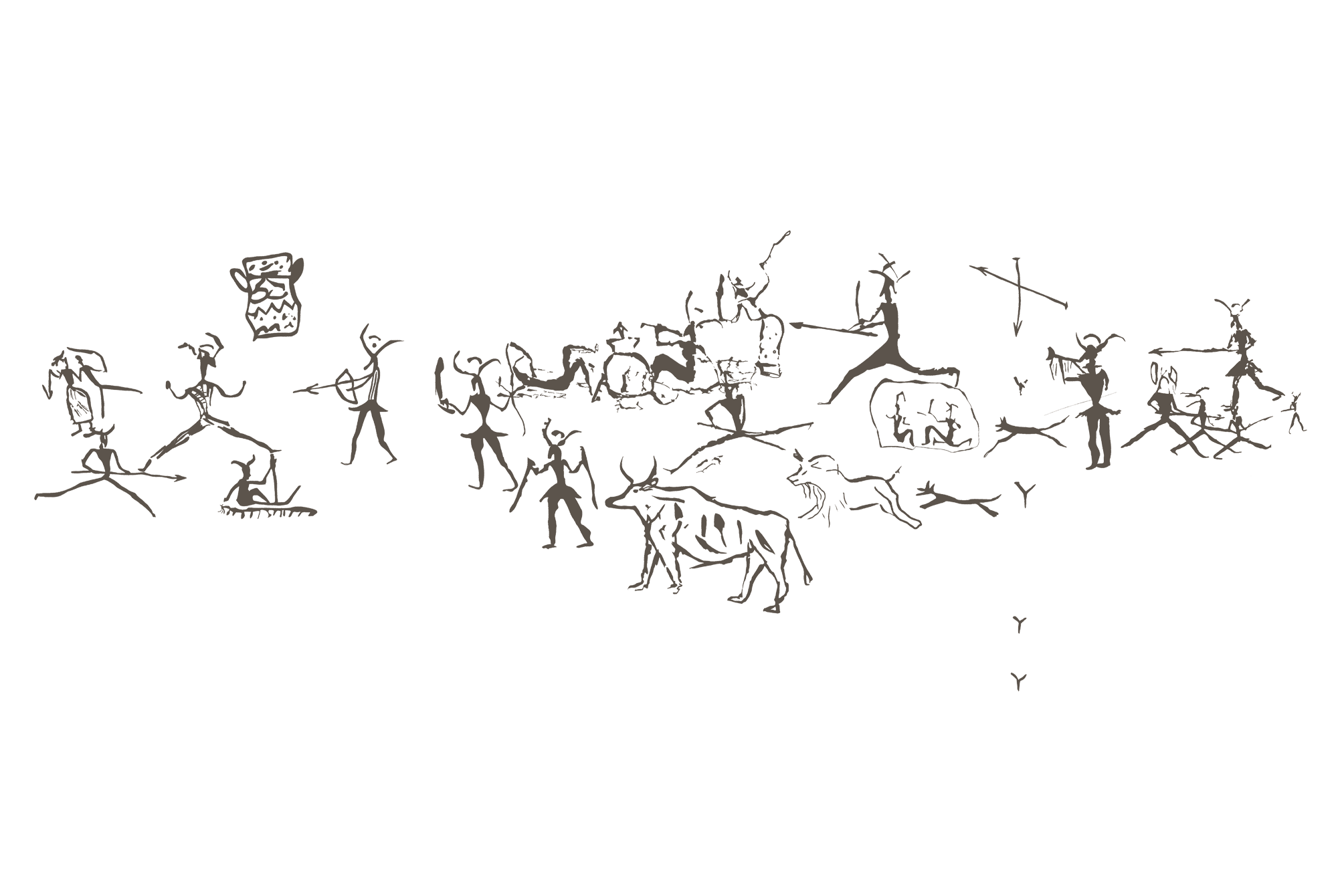
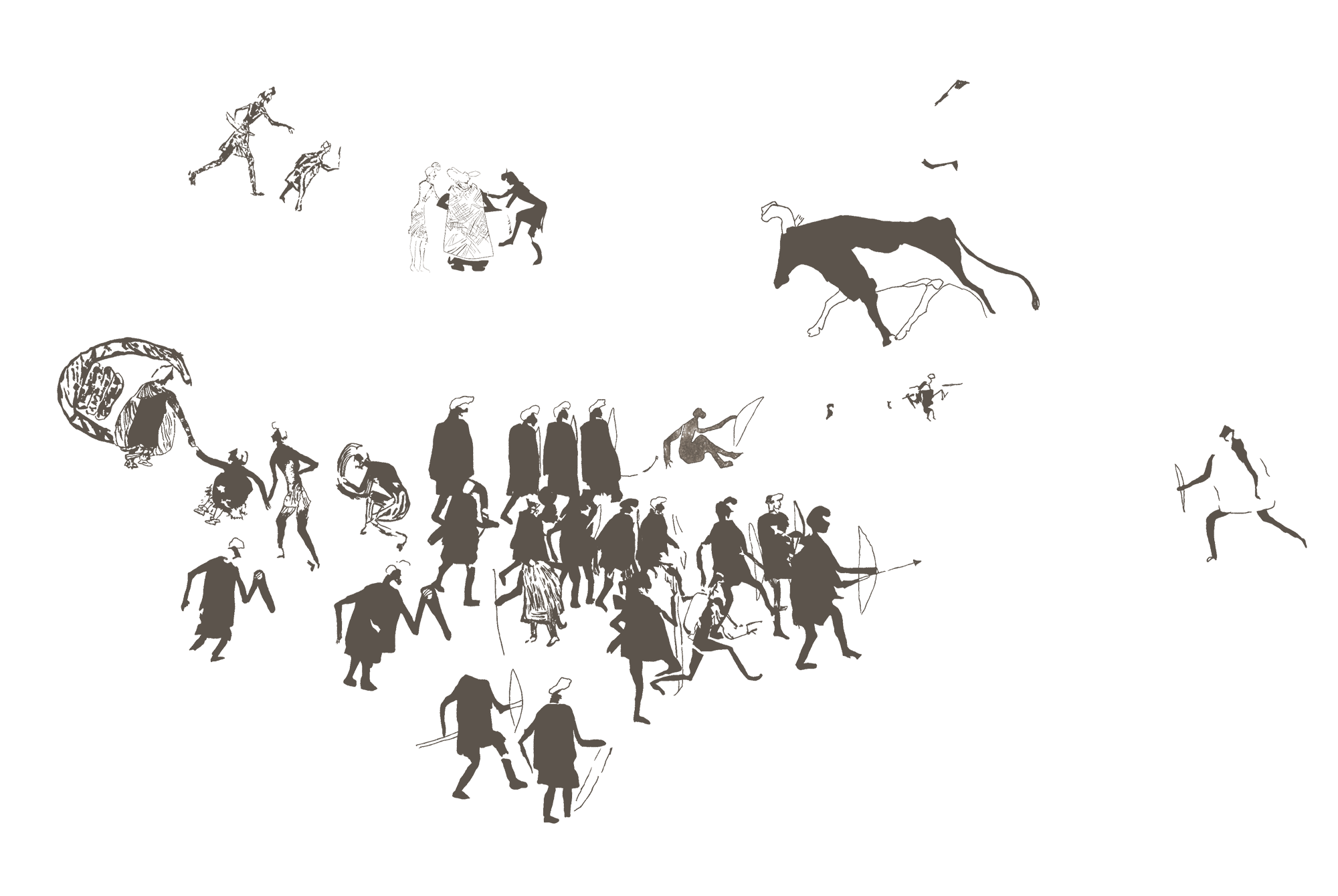
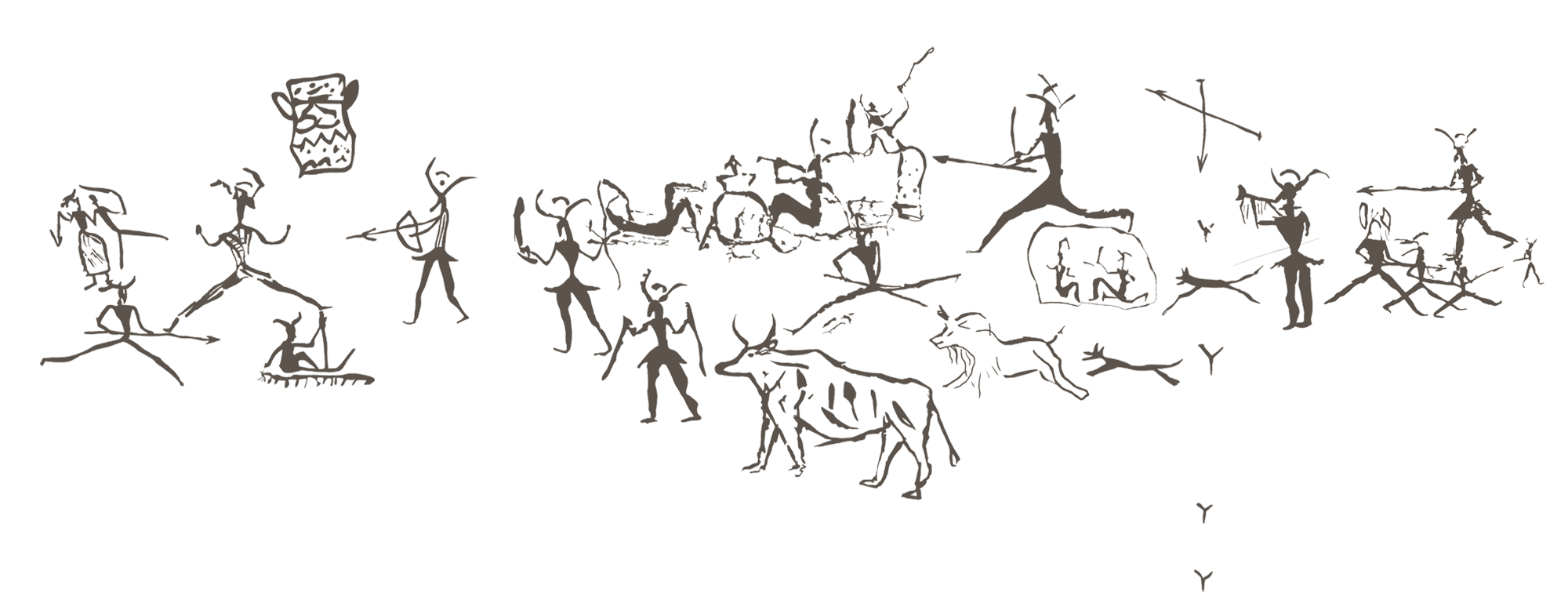
Numerous valleys intersect the massif, cutting through it from west to east. These valleys are now just dry canyons. Wadi Teshuinat is considered the most important of these valleys and is the main and oldest watercourse in the massif. The massif reaches a height of 1,300 meters, but rock art sites within it are located at an altitude not exceeding 900 meters above sea level. Archaeological studies in the Acacus region began with F. Mori after the establishment of the joint Italian-Libyan mission in 1955. The extension of humidity from the Atlantic Ocean contributed to the formation of many small lakes and some large lakes. These lakes turned into swamps due to the drought that struck the central and western Sahara. Rock art works are spread throughout the mountain massif, in shelters, on rock faces, and on the sides of valleys. The chronological sequence of these engravings is still a matter of debate. Some believe the era of large African animals dates back to 17,000 years BC, while others, like Mori, date it to 12,000 years BC. The Round Head era falls between 9,000 and 10,000 years BC. The Pastoral era extends from 7,000 to 8,000 years BC. The Horse era is between 6,000 and 4,000 years BC. Finally, the Camel era falls between 3,000 and 2,000 years BC. These eras are characterized by being distributed between engraving and painting with different artistic styles and visions.
Engraving & Painting Artistic Styles
© Shefa Salem
© Shefa Salem
© Shefa Salem
© Shefa Salem
© Shefa Salem
© Shefa Salem
© Shefa Salem
© Shefa Salem
© Shefa Salem
© Shefa Salem
© Shefa Salem
© Shefa Salem
© Shefa Salem
© Shefa Salem
© Shefa Salem
© Shefa Salem
© Shefa Salem
© Shefa Salem
© Shefa Salem
© Shefa Salem
© Shefa Salem
© Shefa Salem
© Shefa Salem
© Shefa Salem
© Shefa Salem
© Shefa Salem
© Shefa Salem
© Shefa Salem
© Shefa Salem
© Shefa Salem
© Shefa Salem
© Shefa Salem
© Shefa Salem
Libya Rock Art Links
Bradshaw Foundation