© Shefa Salem
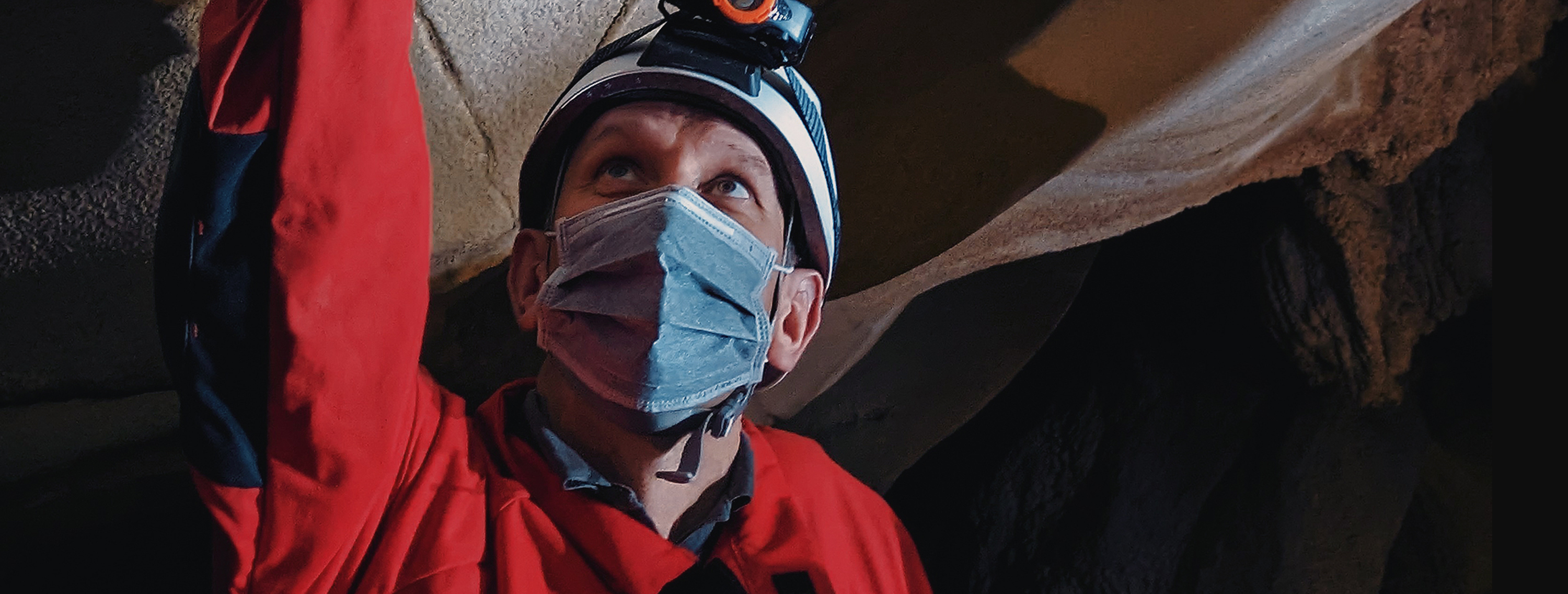
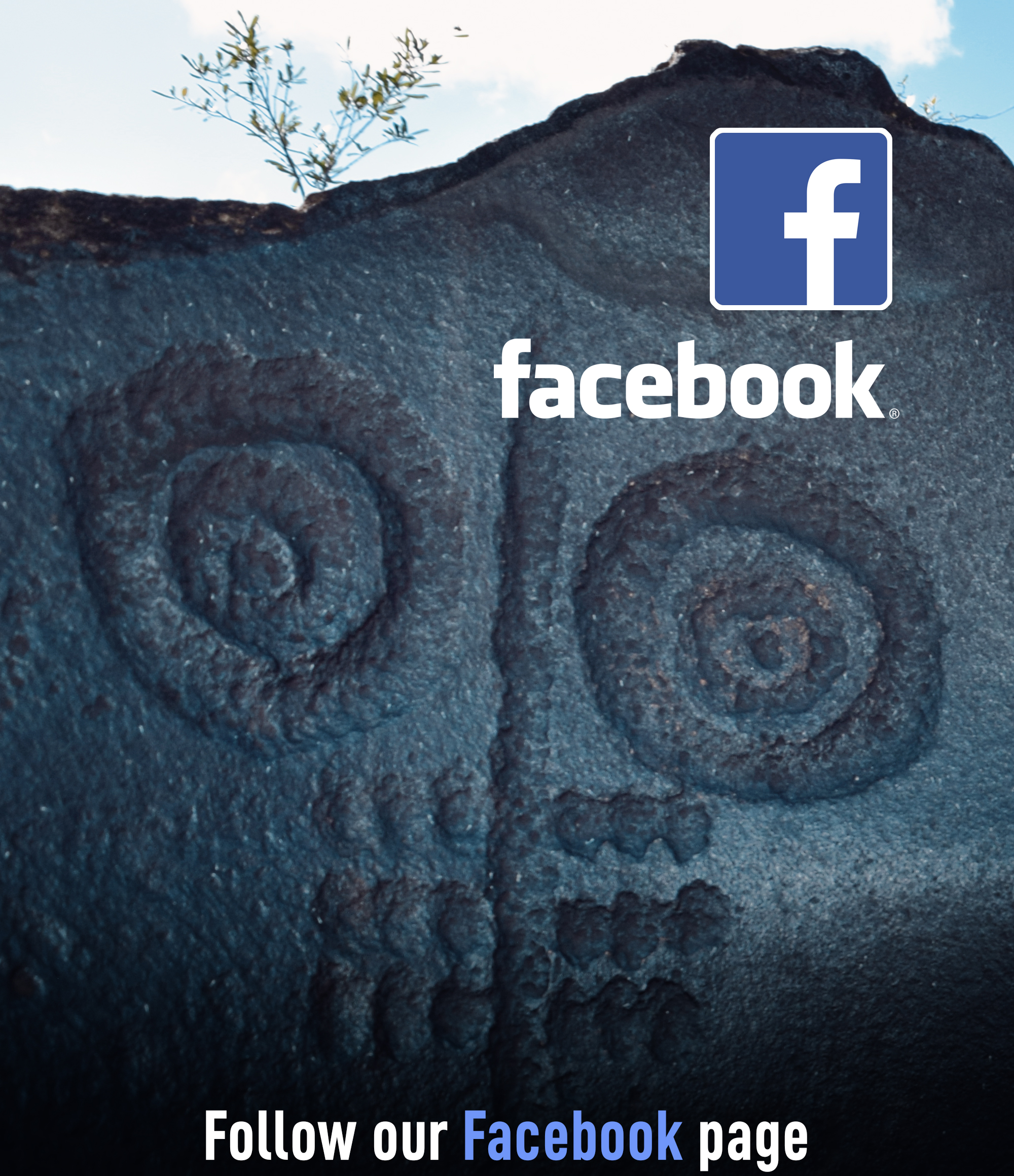
Jebel Arkanu is a mountain located in the Libyan Sahara within the Kufra region in the southeast, rising to about 1,435 meters above sea level, approximately 500 meters above the surrounding plateau. The mountain consists mainly of intrusive igneous rocks of granite and syenite, formed by magma intrusion into the Earth's crust before solidifying, making it a solid mass resistant to erosion compared to the surrounding sandy plains. The natural landscape of Jebel Arkanu is characterized by a prominent rocky structure standing out above the vast desert plains, with wide sandy floors and sharp rocky peaks. The rock formation itself exhibits circular structural patterns and clear geological fissures on some of its sides, resulting from magmatic upwelling and tectonic faulting processes that have affected the mountain's structure over millions of years. As an isolated rocky massif in a dry desert environment with extremely minimal rainfall, vegetation cover around Arkanu is very scarce, primarily consisting of drought-resistant plant forms in locations sheltered from wind and erosion. The surrounding terrain shows a contrast between high rocky slopes and scattered pockets of sand, making the mountain's natural landscape a mixture of vast desert and massive rocks that create a prominent view on the region's horizon.
© Shefa Salem
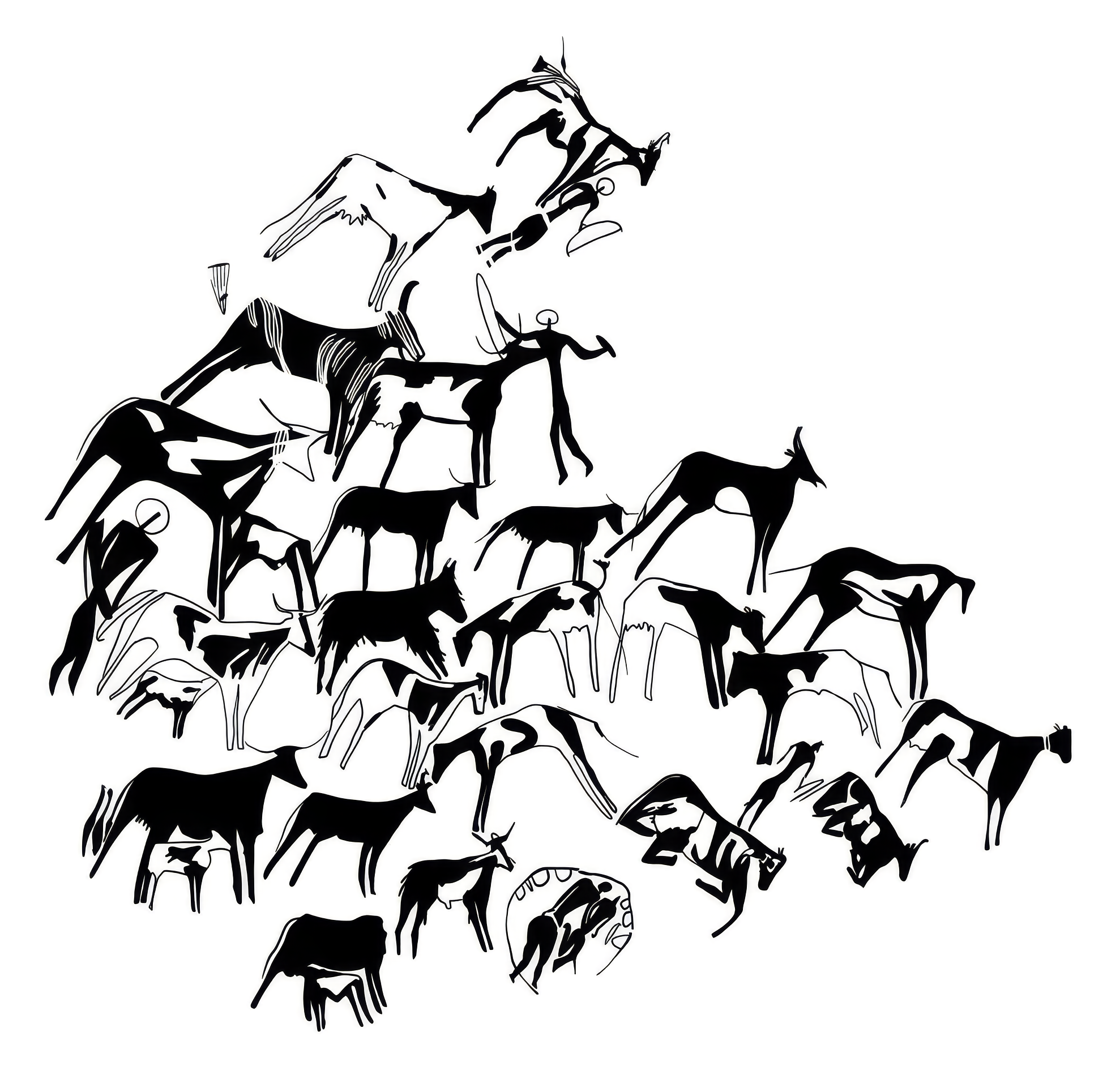
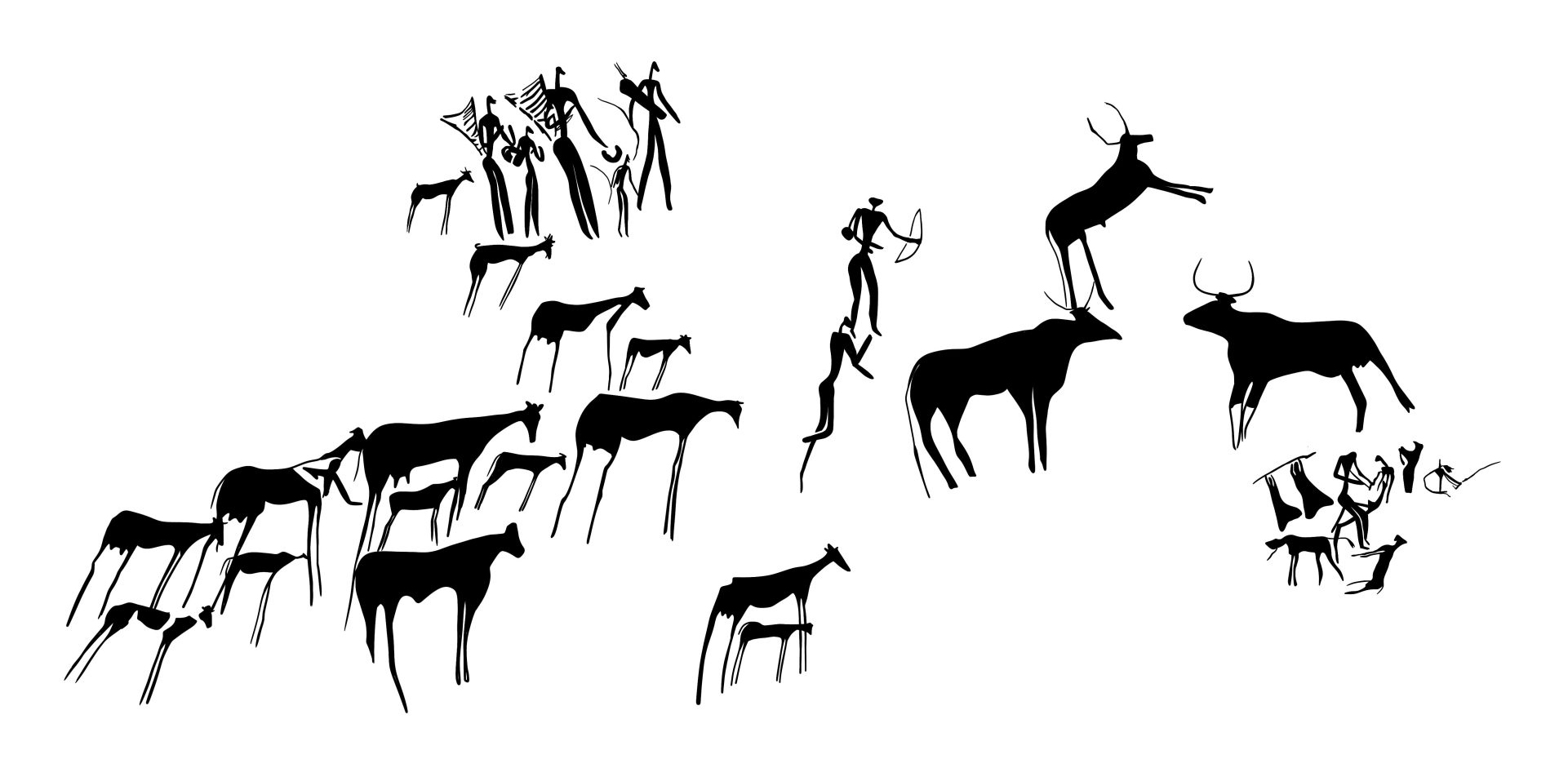
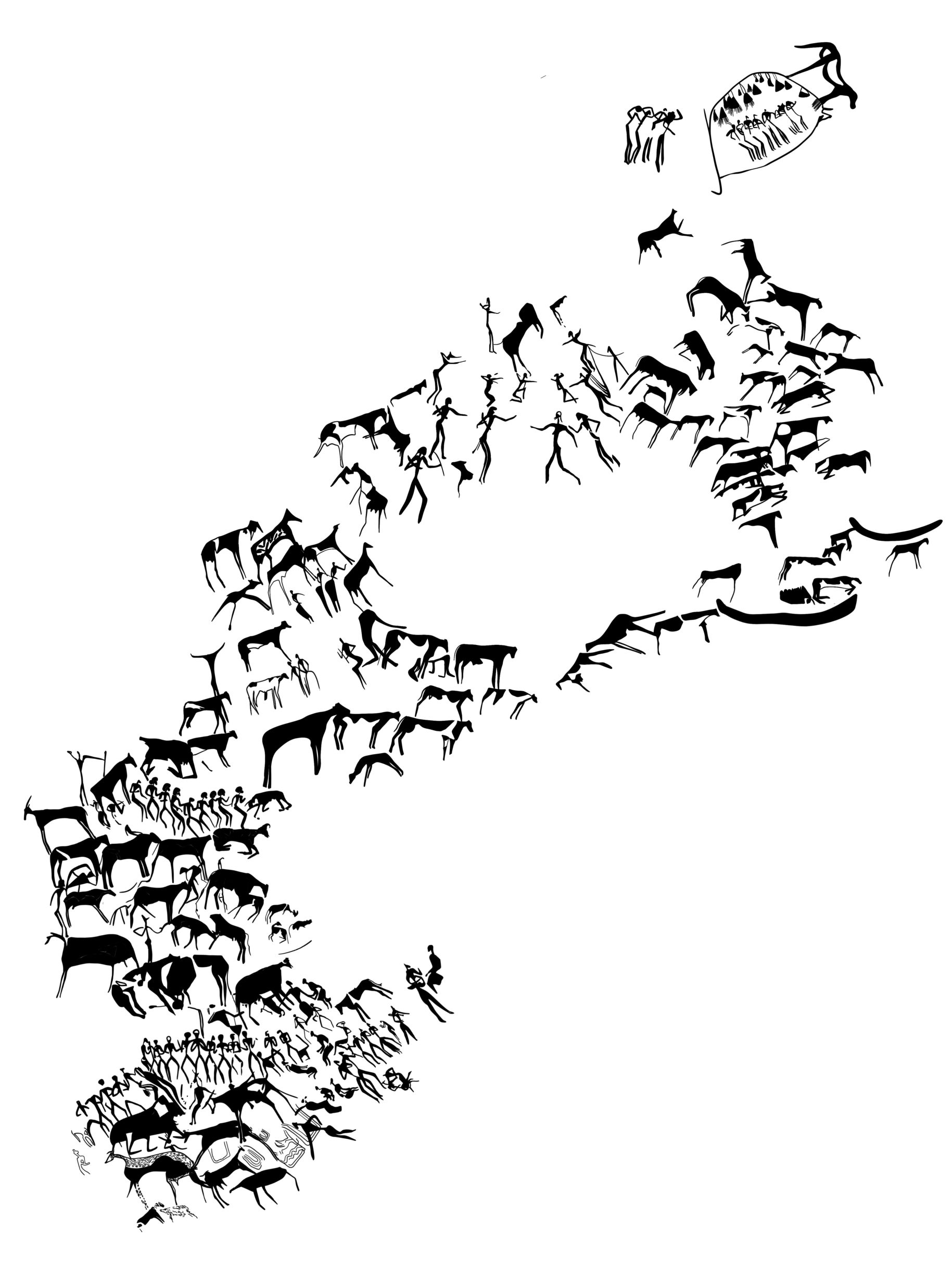
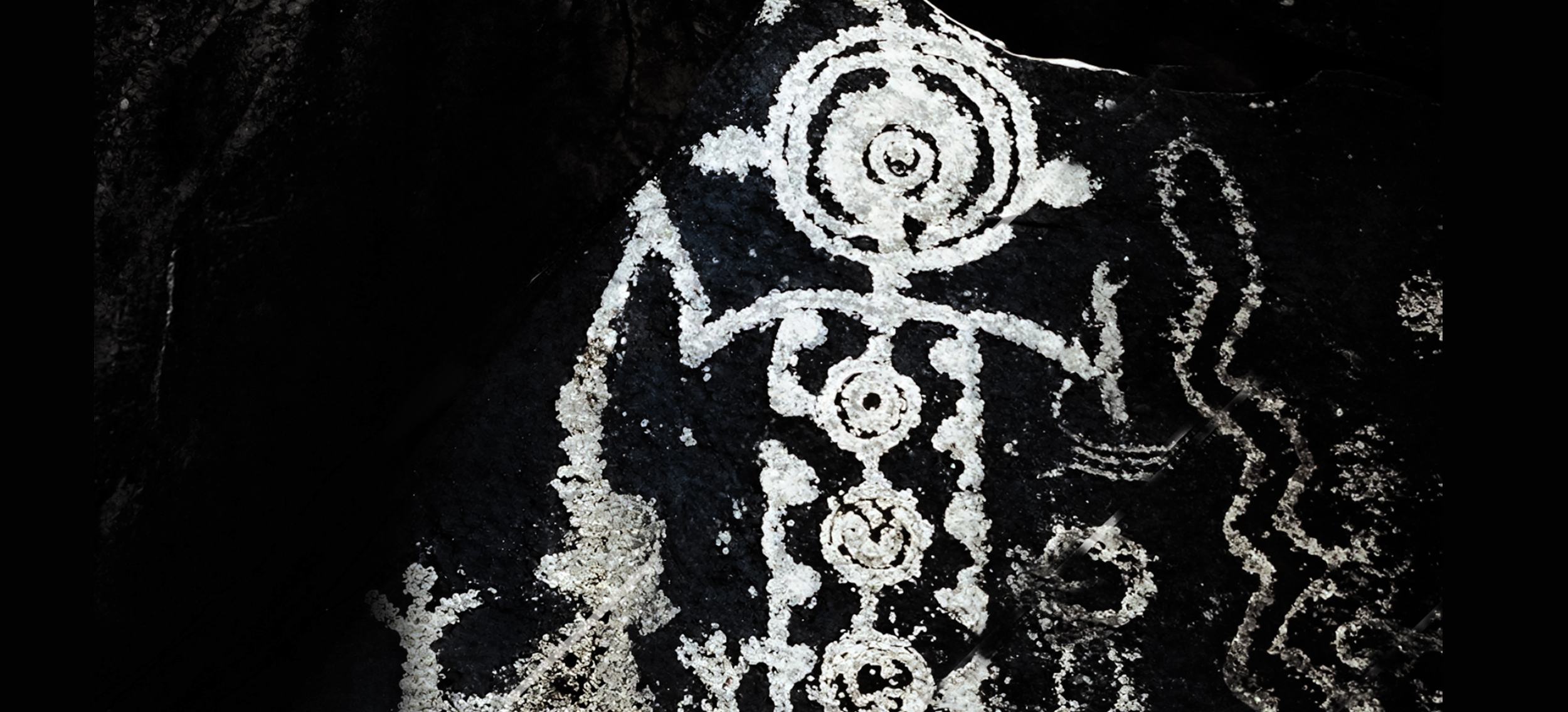
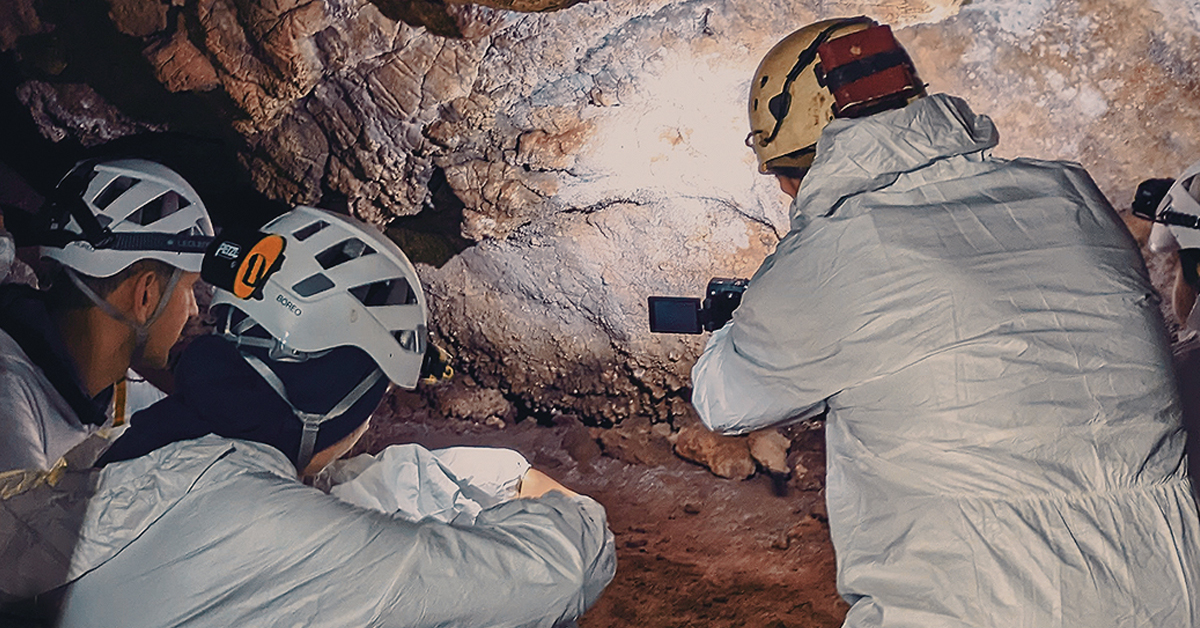
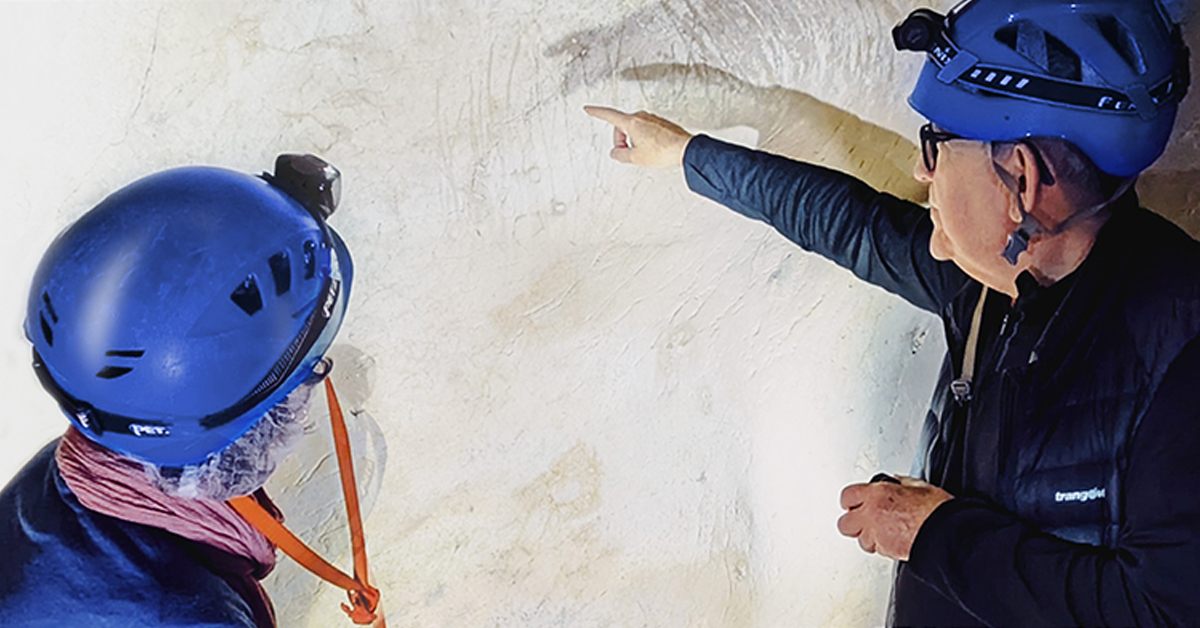
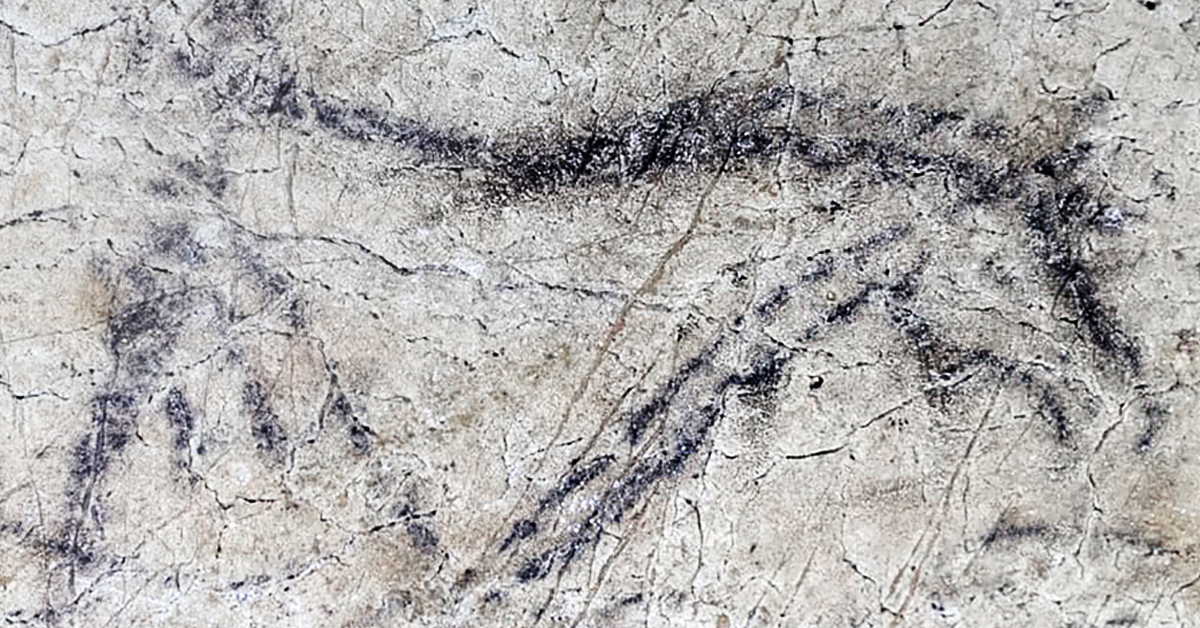
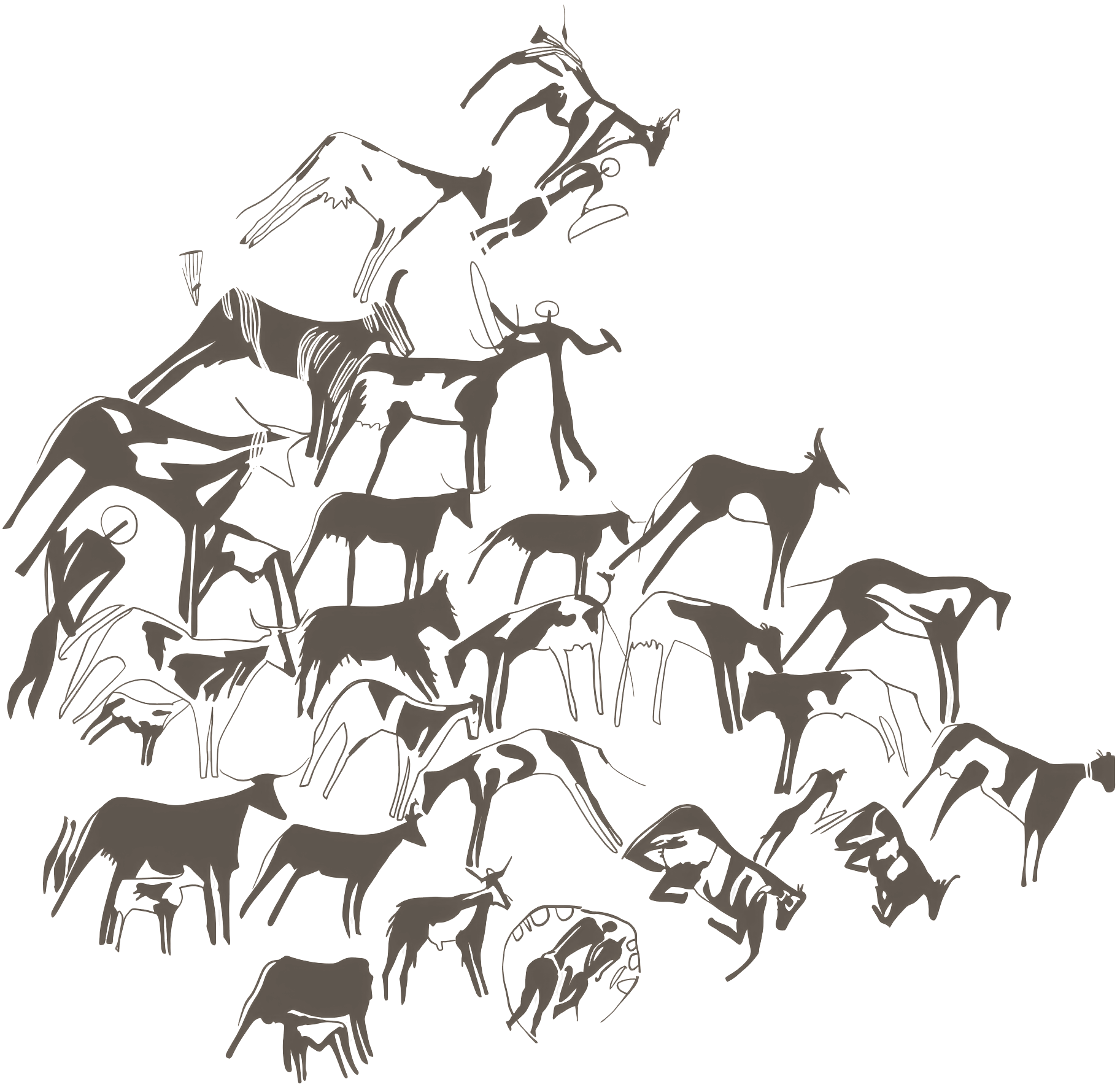
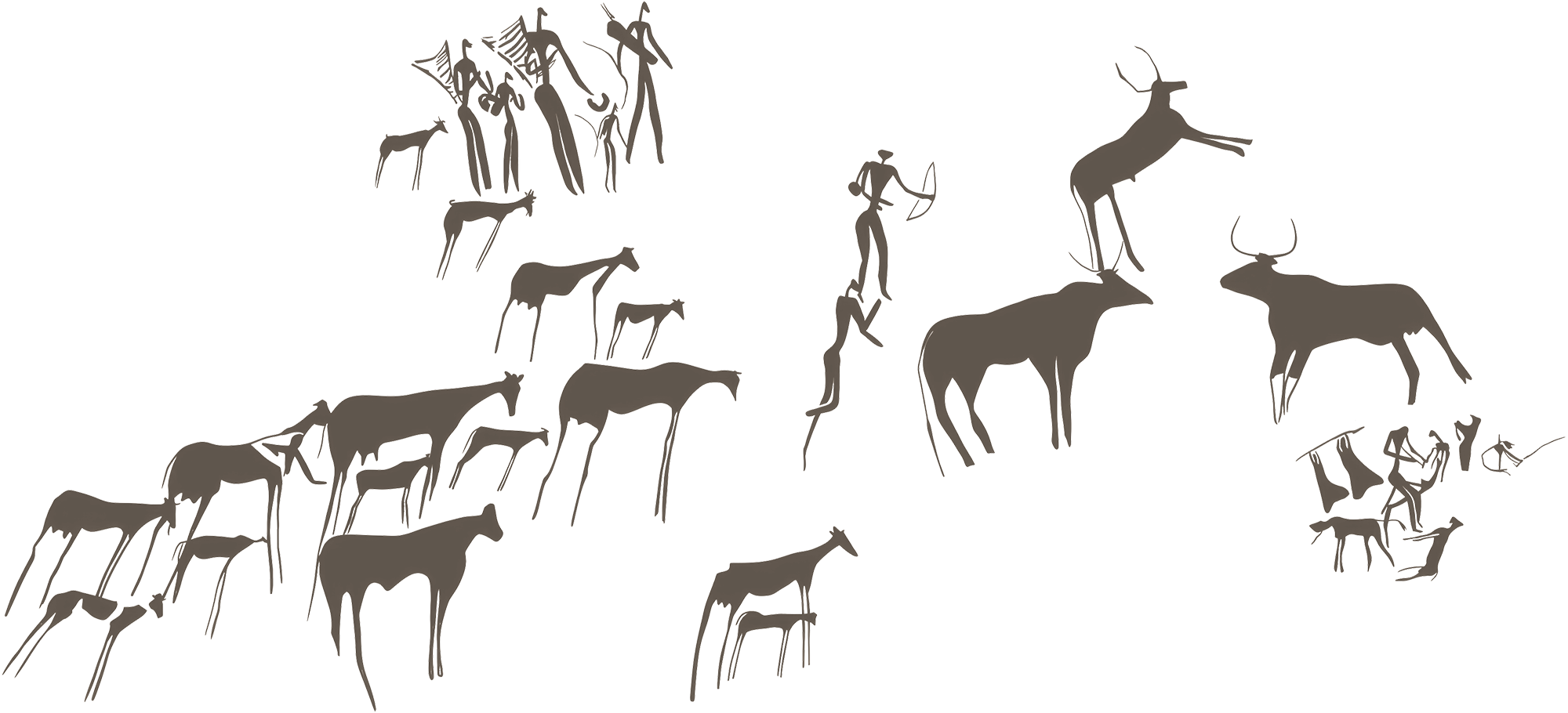
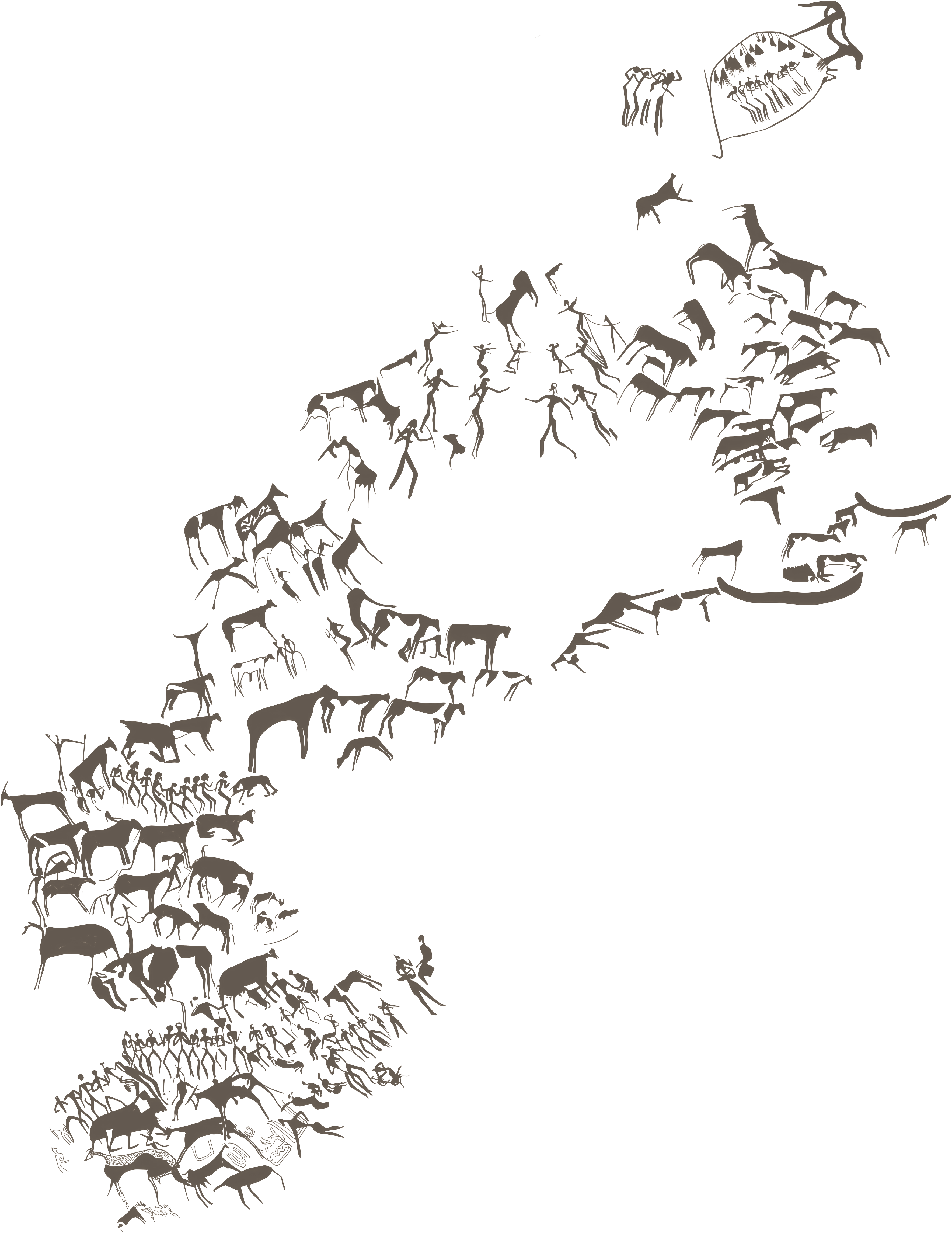
Jebel Uweinat is an exceptional geographical and historical landmark located in the heart of the Sahara Desert at the border meeting point between Libya, Egypt, and Sudan, with the larger part (over 60%) lying within Libyan territory in the far southeast. The mountain rises to about 1,934 meters above sea level, characterized on its Libyan side by massive granite formations intersected by deep valleys known as "Karkur," such as Karkur Idris and Karkur Ibrahim. The mountain derived its name from the freshwater springs that collect in its rocks, like Ain Ghazal and Ain Duwa, making it a vital station for caravans and travelers. What distinguishes this mountain globally is that it contains one of the richest visual records of rock art in the world, considered an open museum documenting thousands of years of human life in the Sahara; its rocks are covered with thousands of engraved inscriptions and coloured paintings using natural red and white pigments. These pictographs depict with astonishing accuracy the region's transformation from a wet "savanna" teeming with wild animals such as giraffes, elephants, and ostriches, to vast pastures for herds of cattle and livestock, reaching periods of drought and the appearance of camels. This artistic heritage is not limited to its visual beauty but is considered a rare historical and climatic document attracting researchers to study human adaptation to environmental fluctuations.
© Shefa Salem
Libya Rock Art Links
Bradshaw Foundation