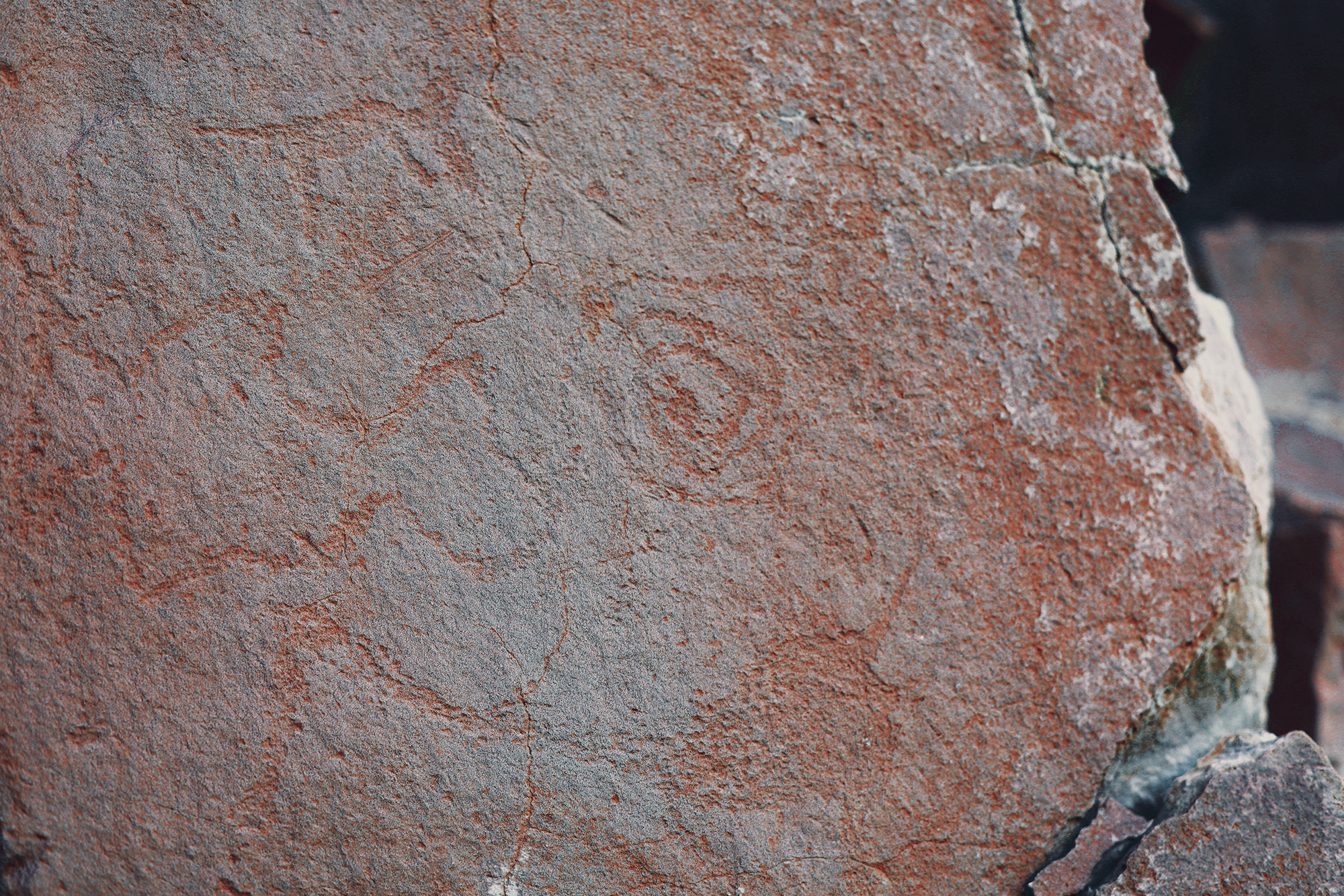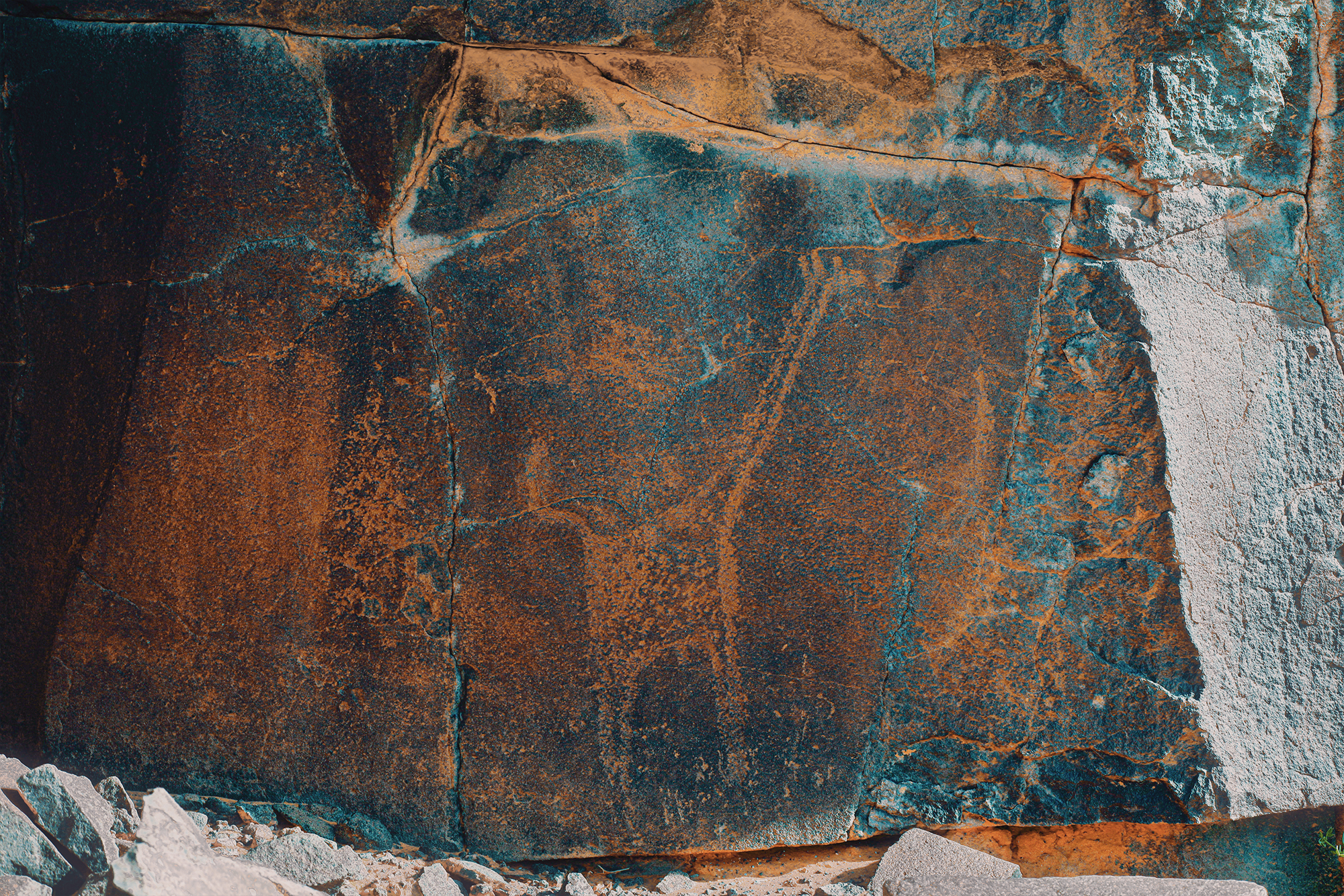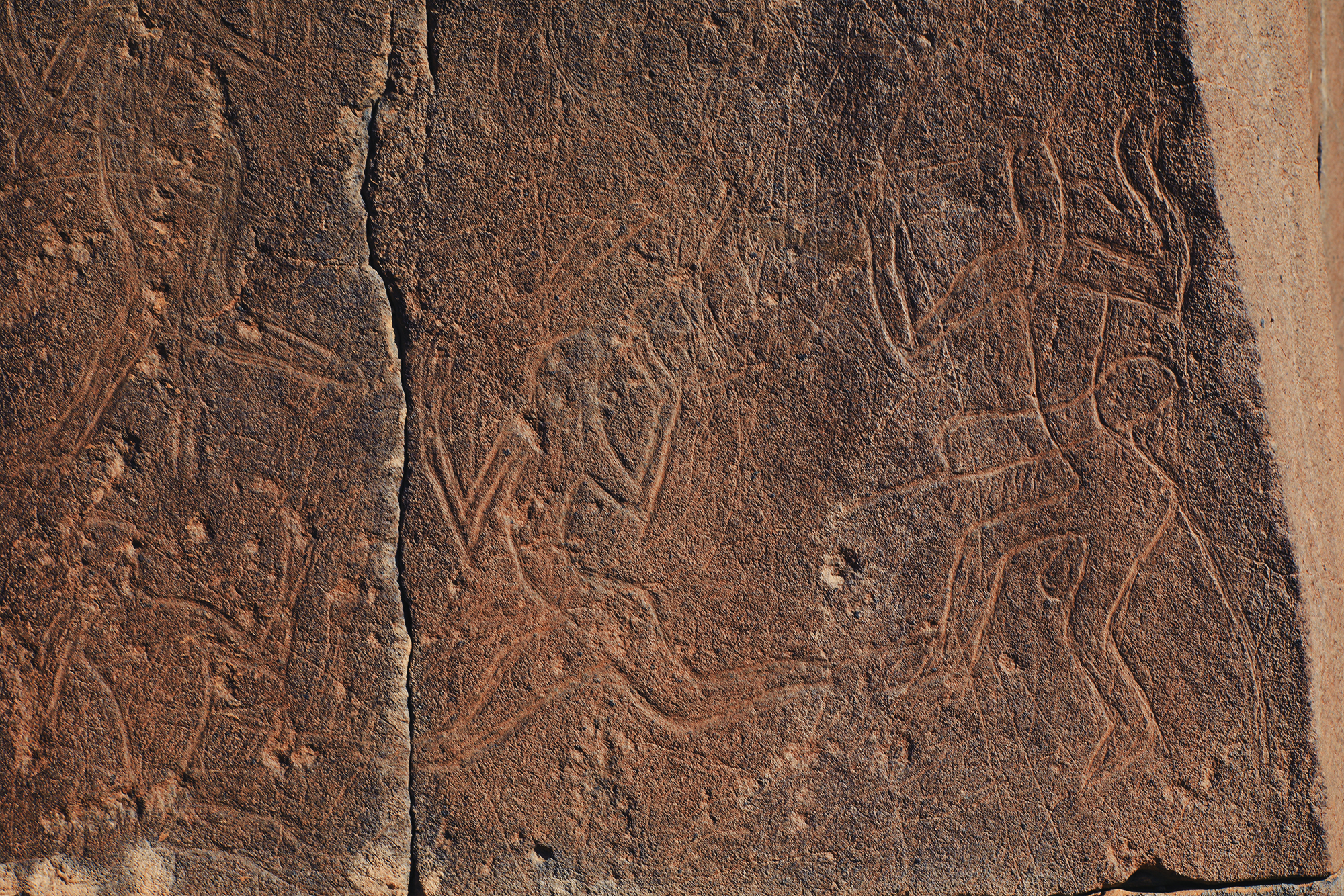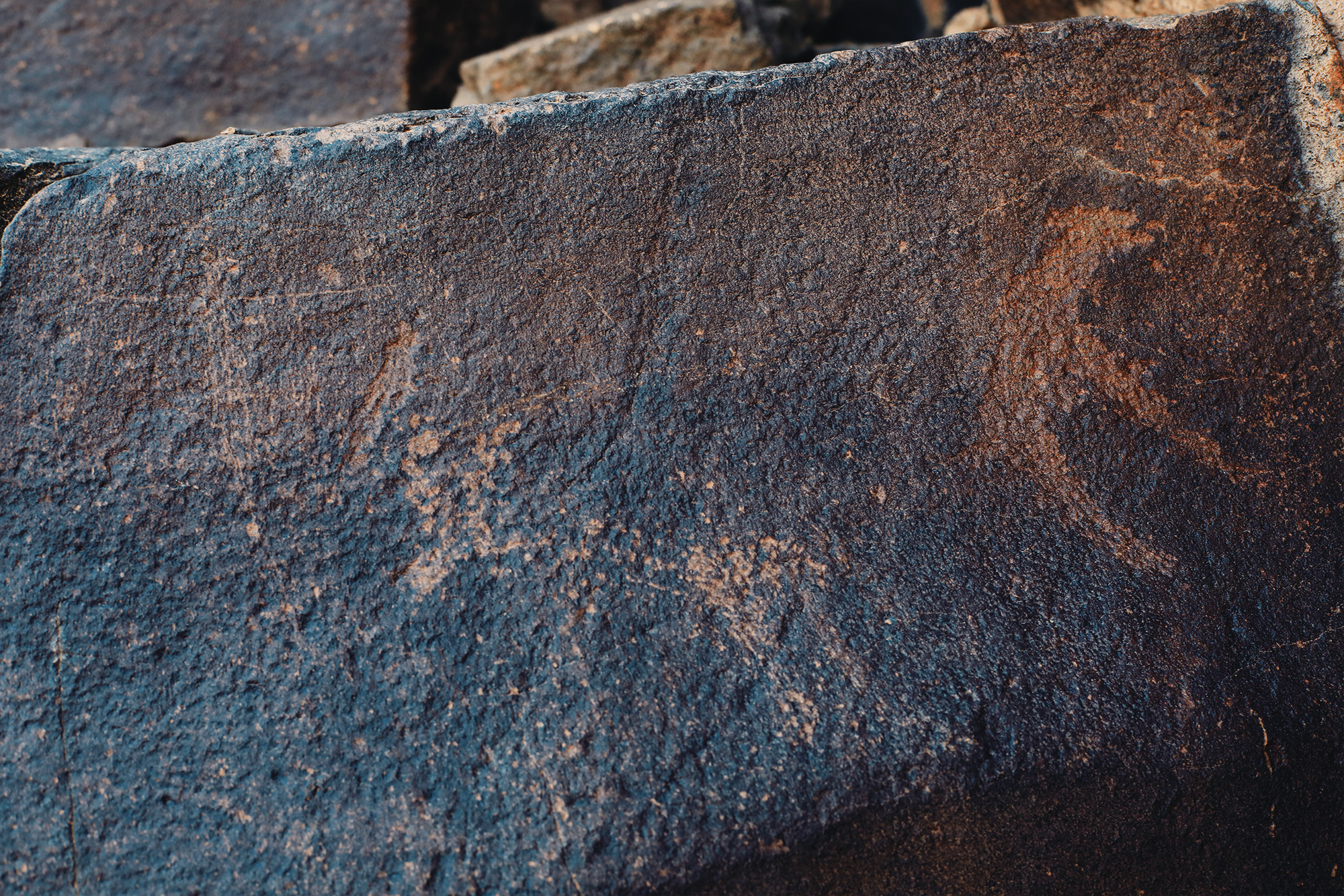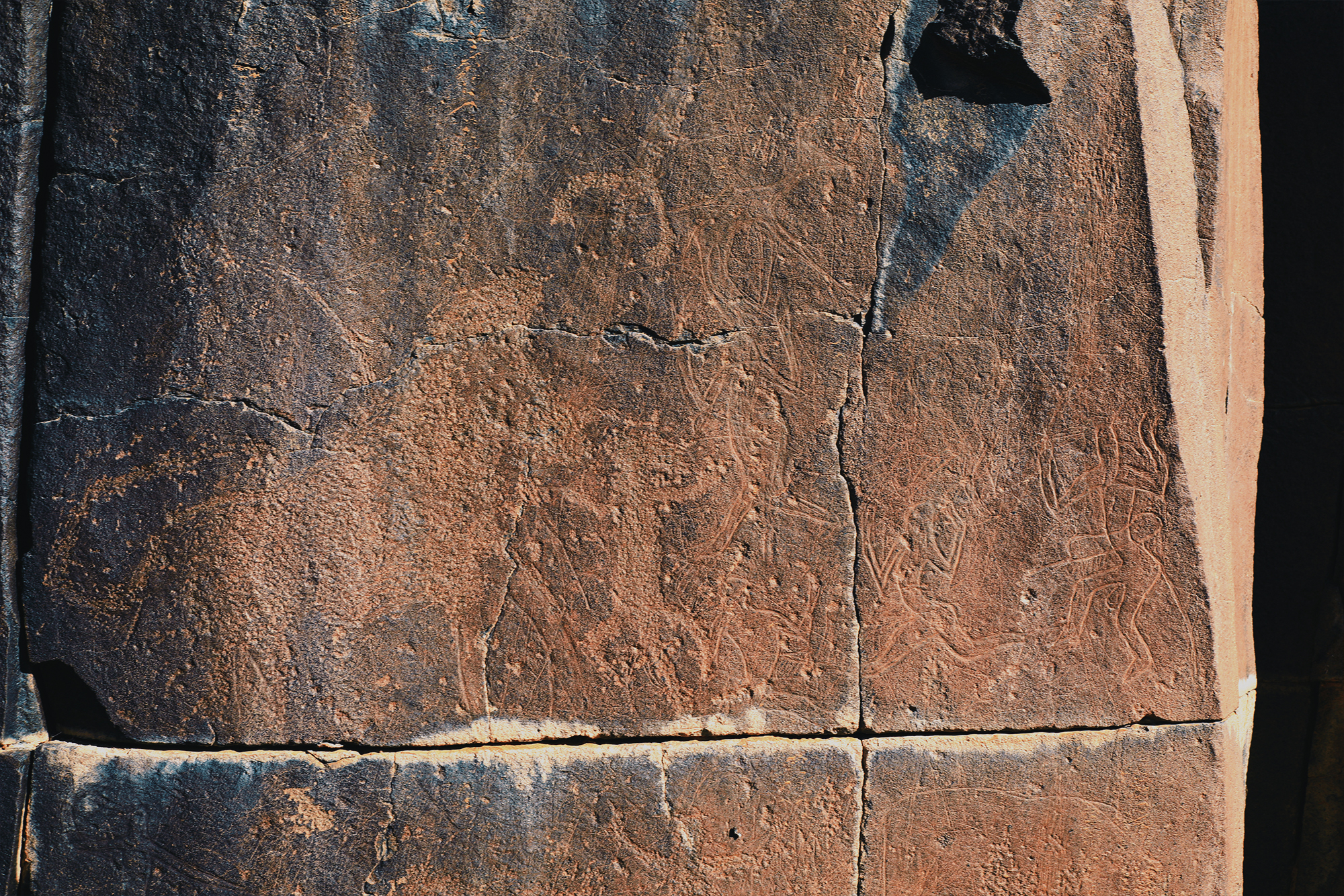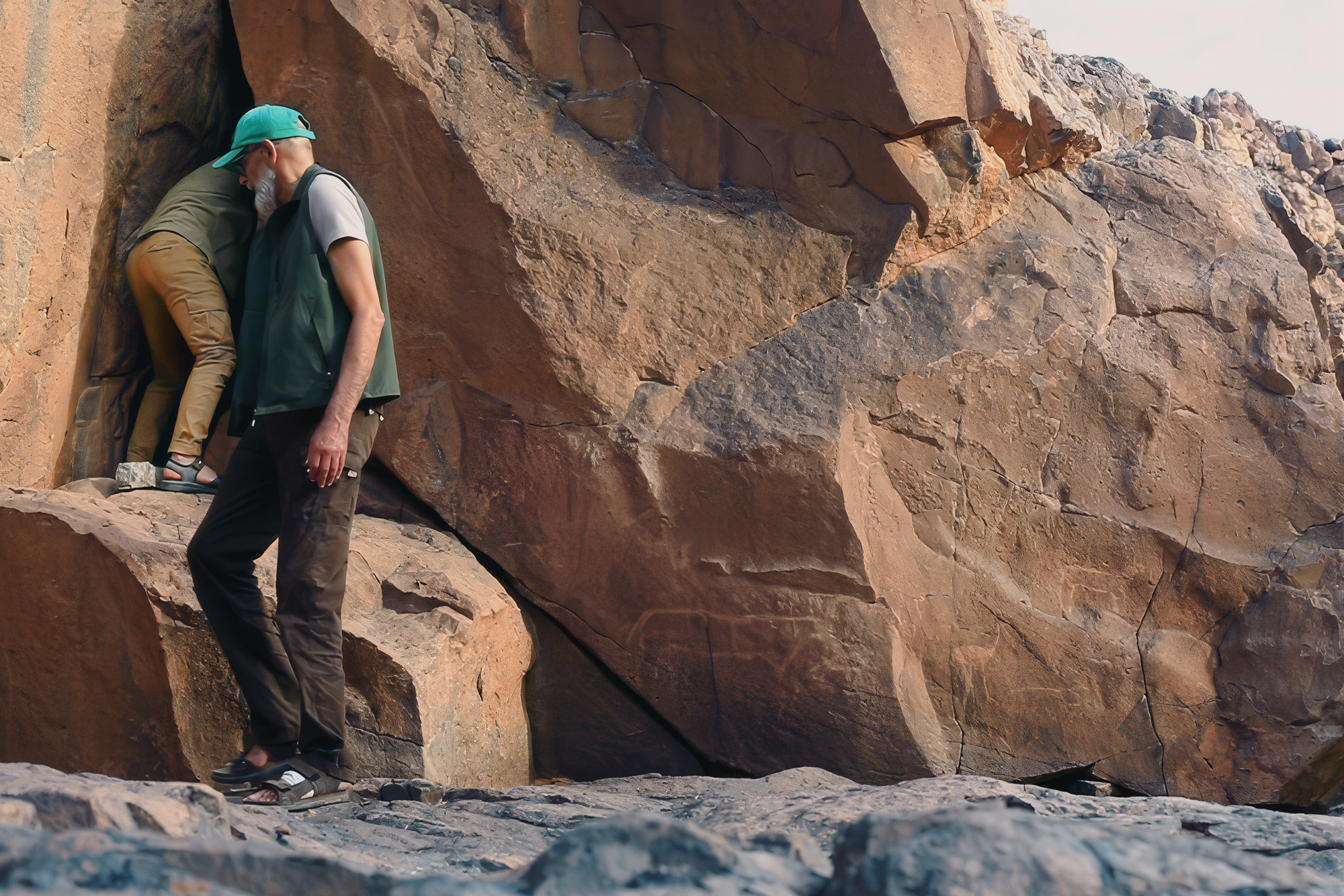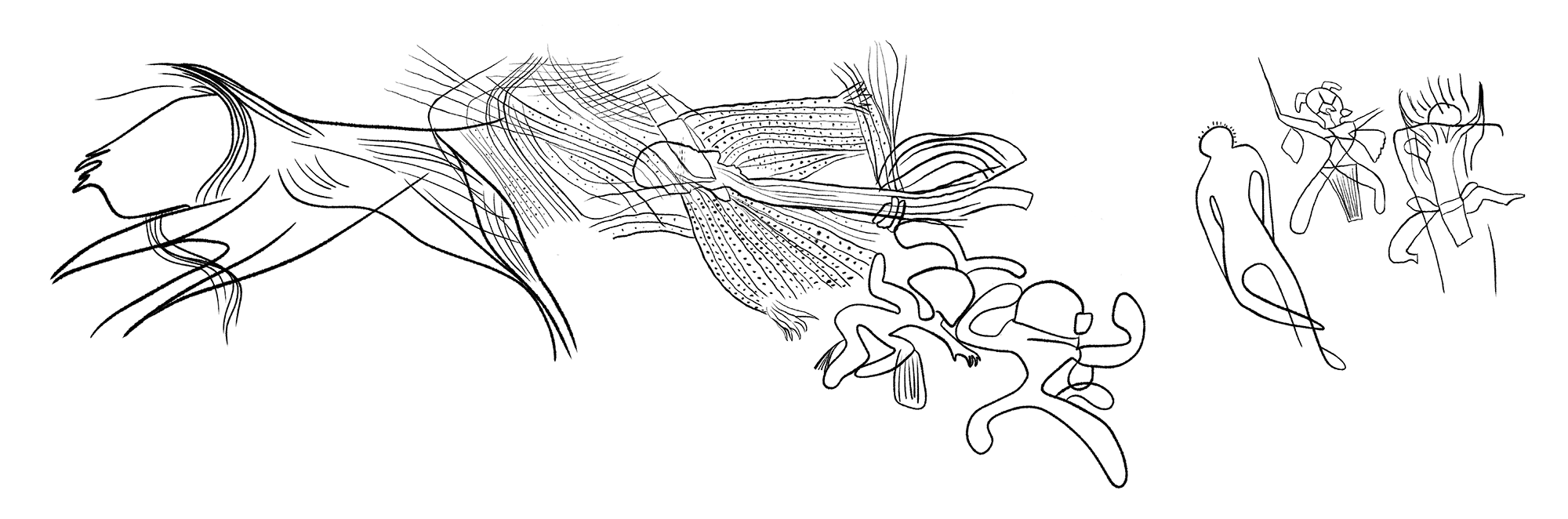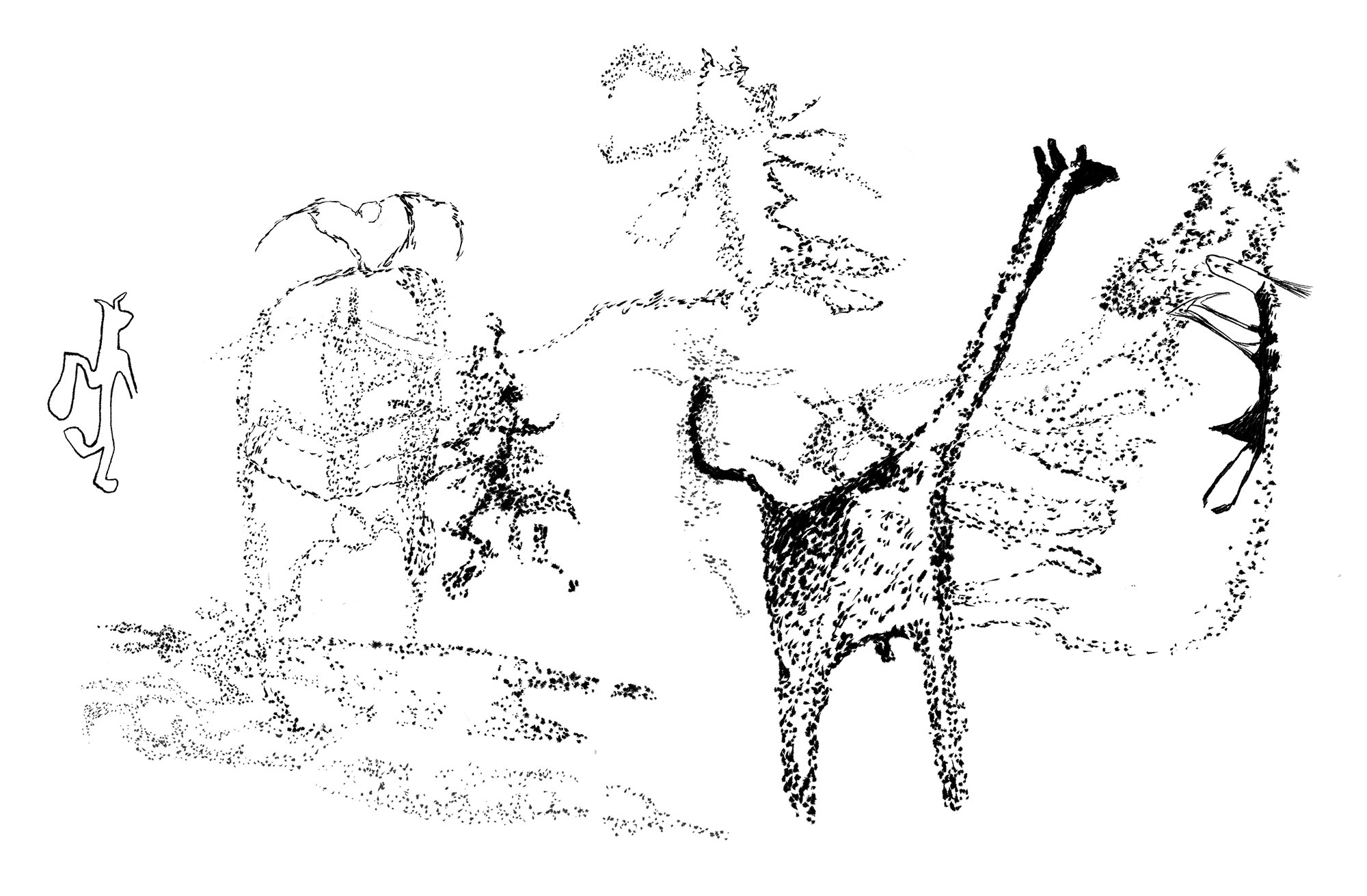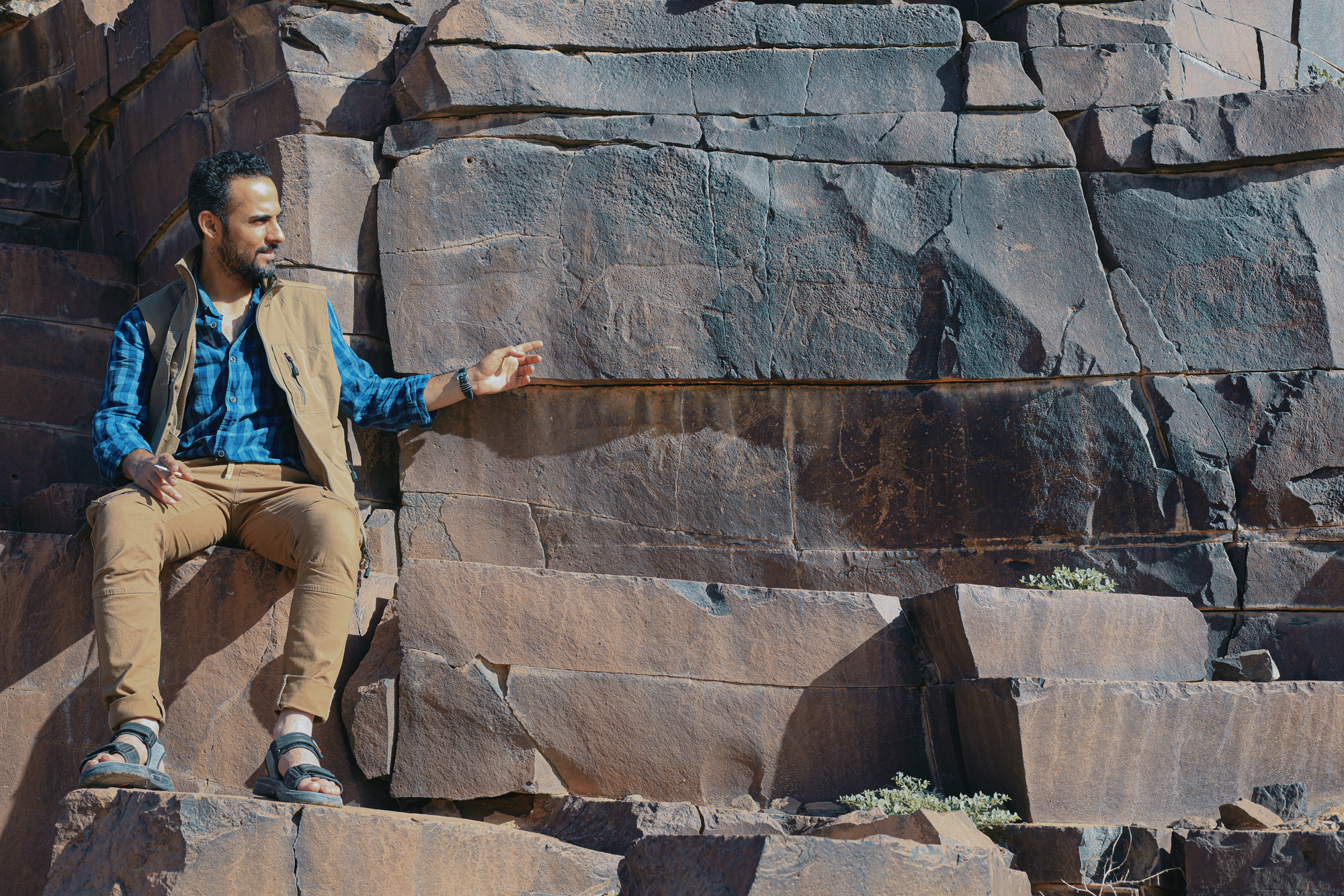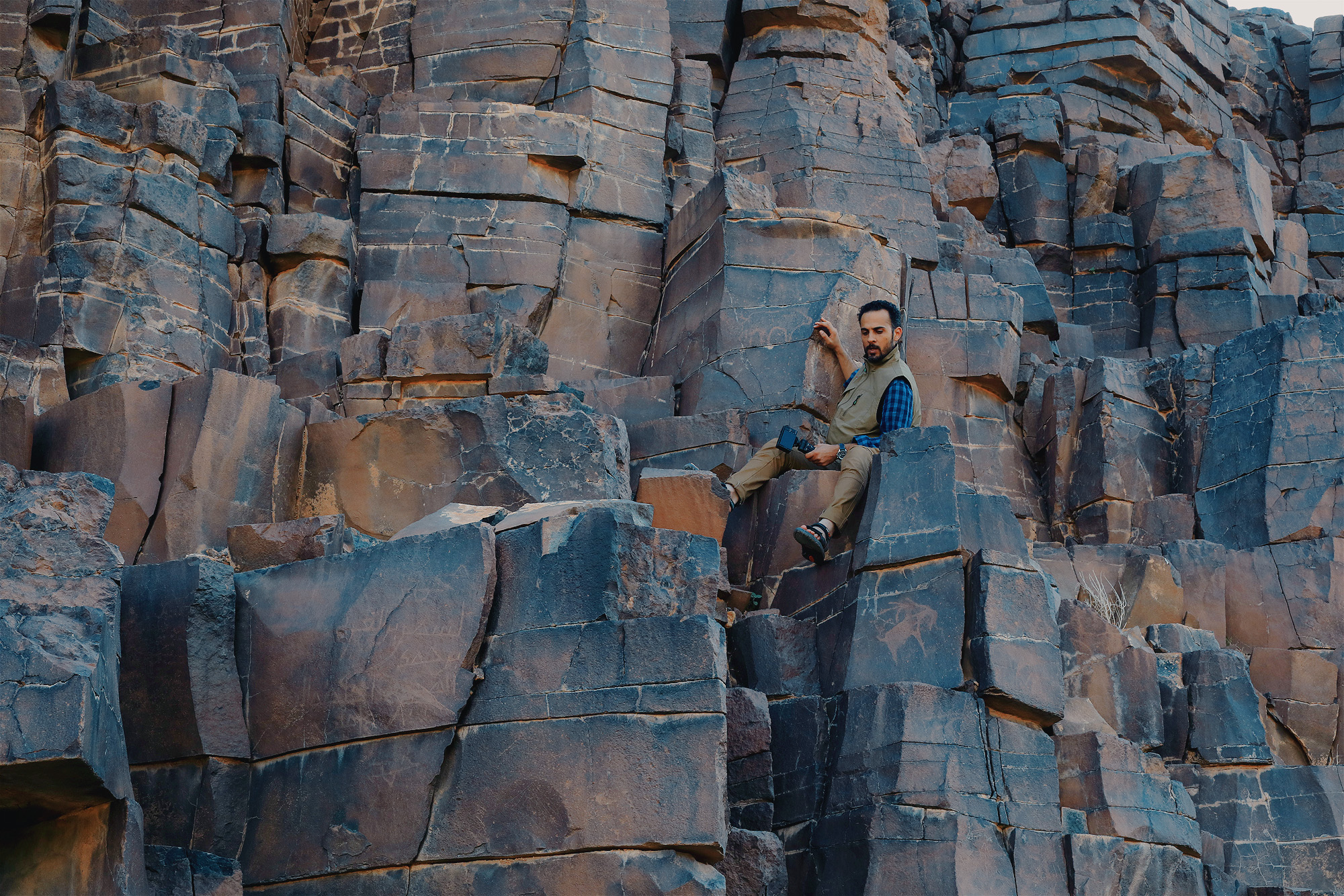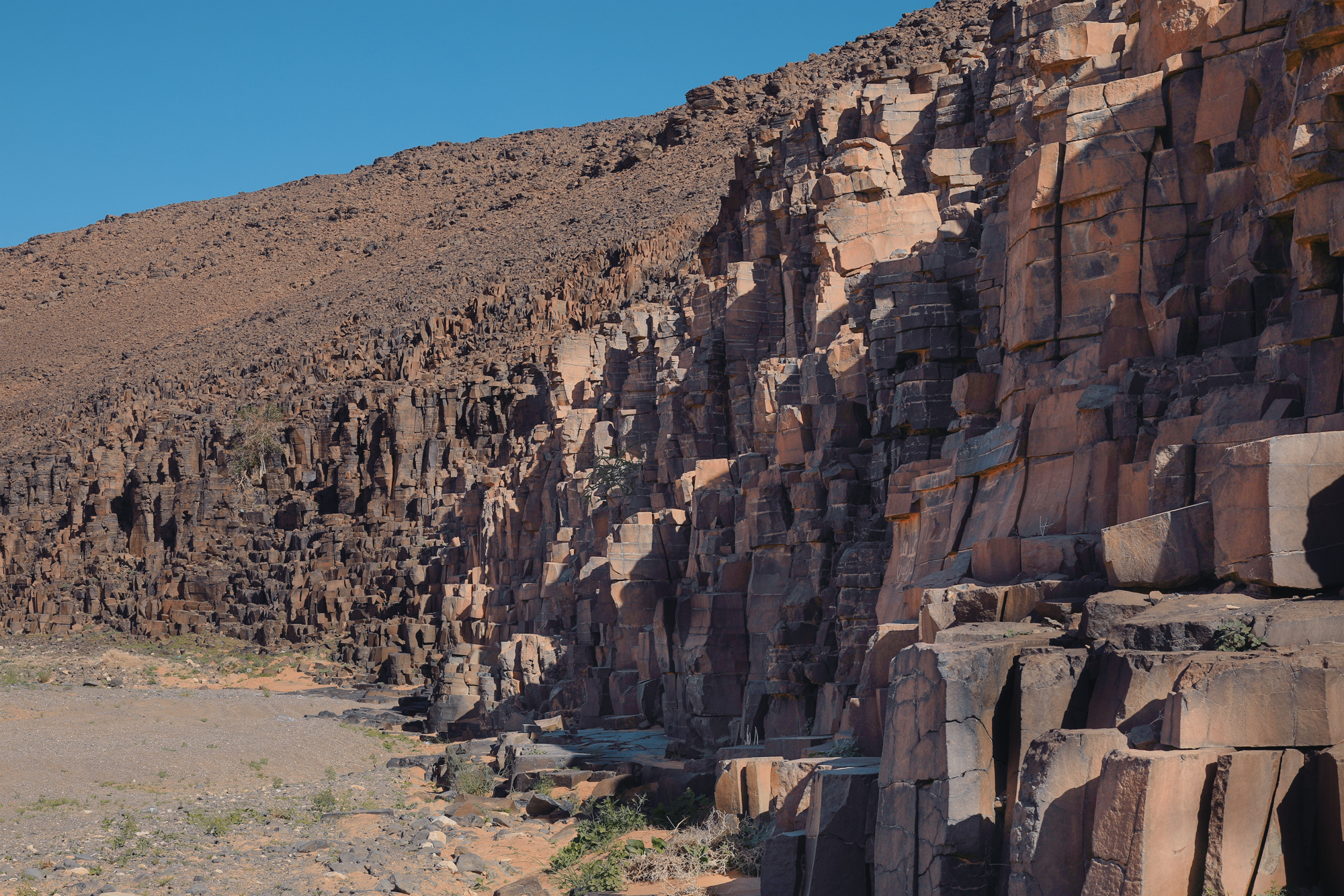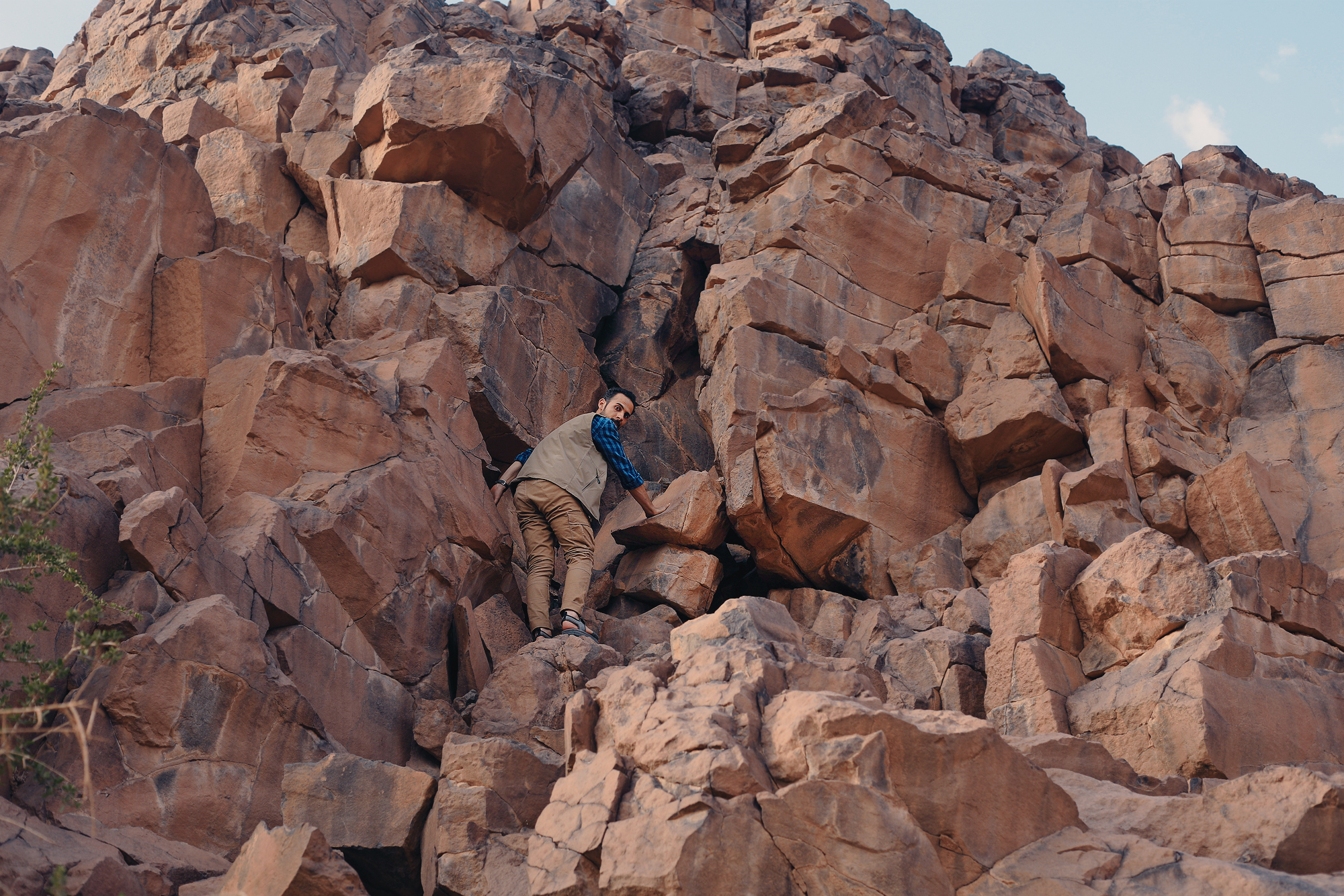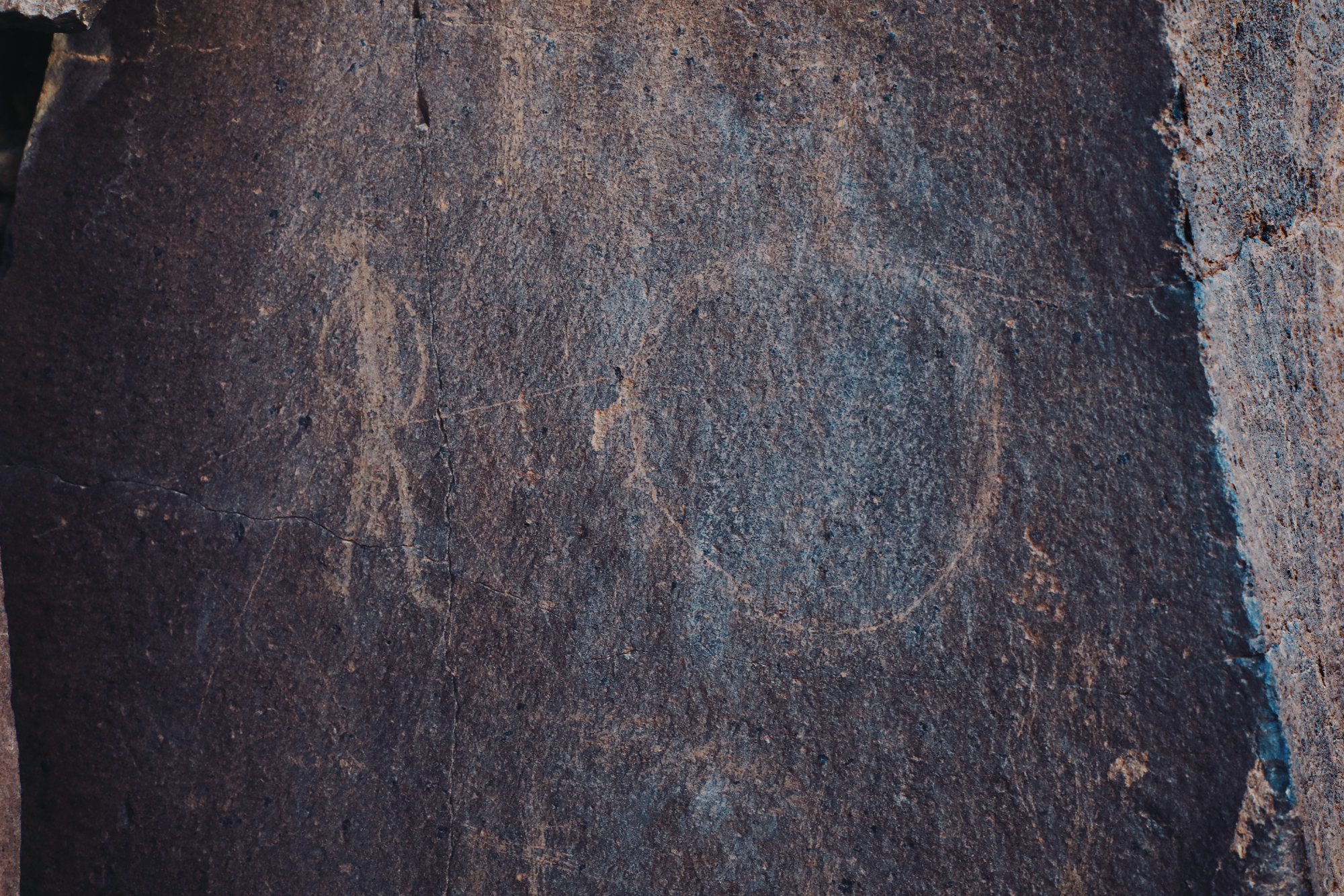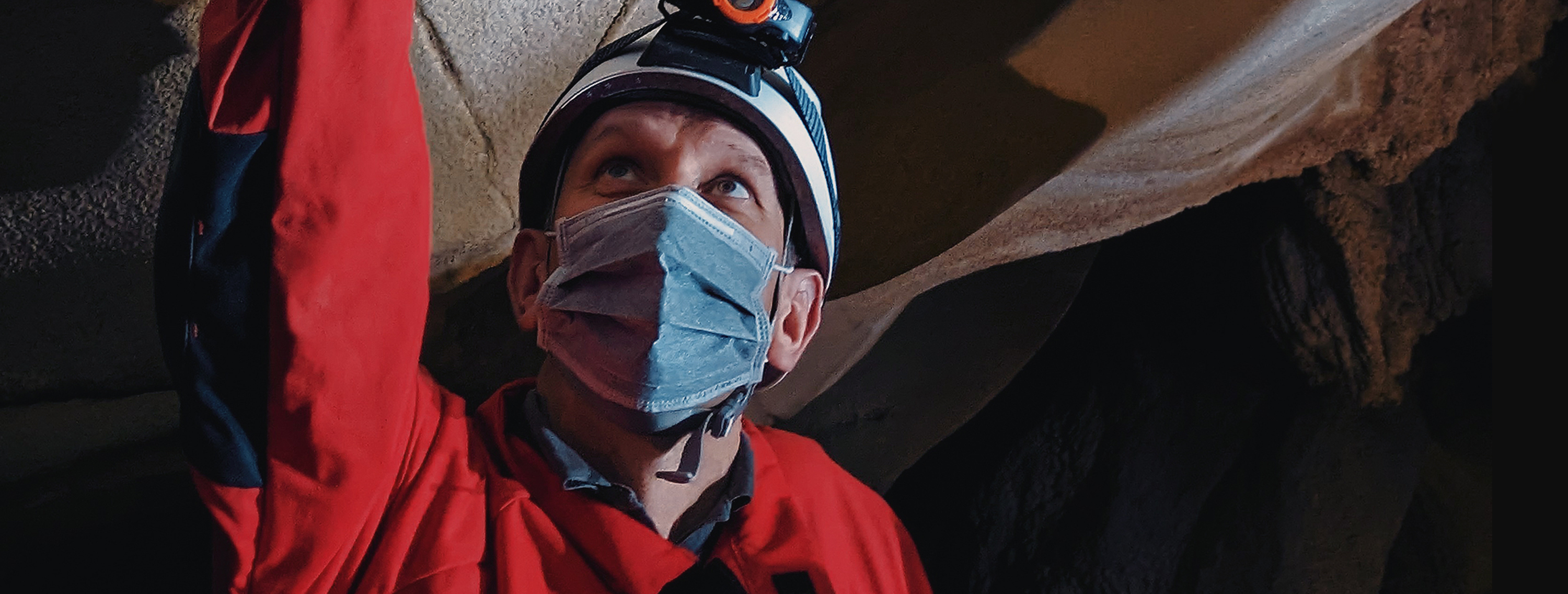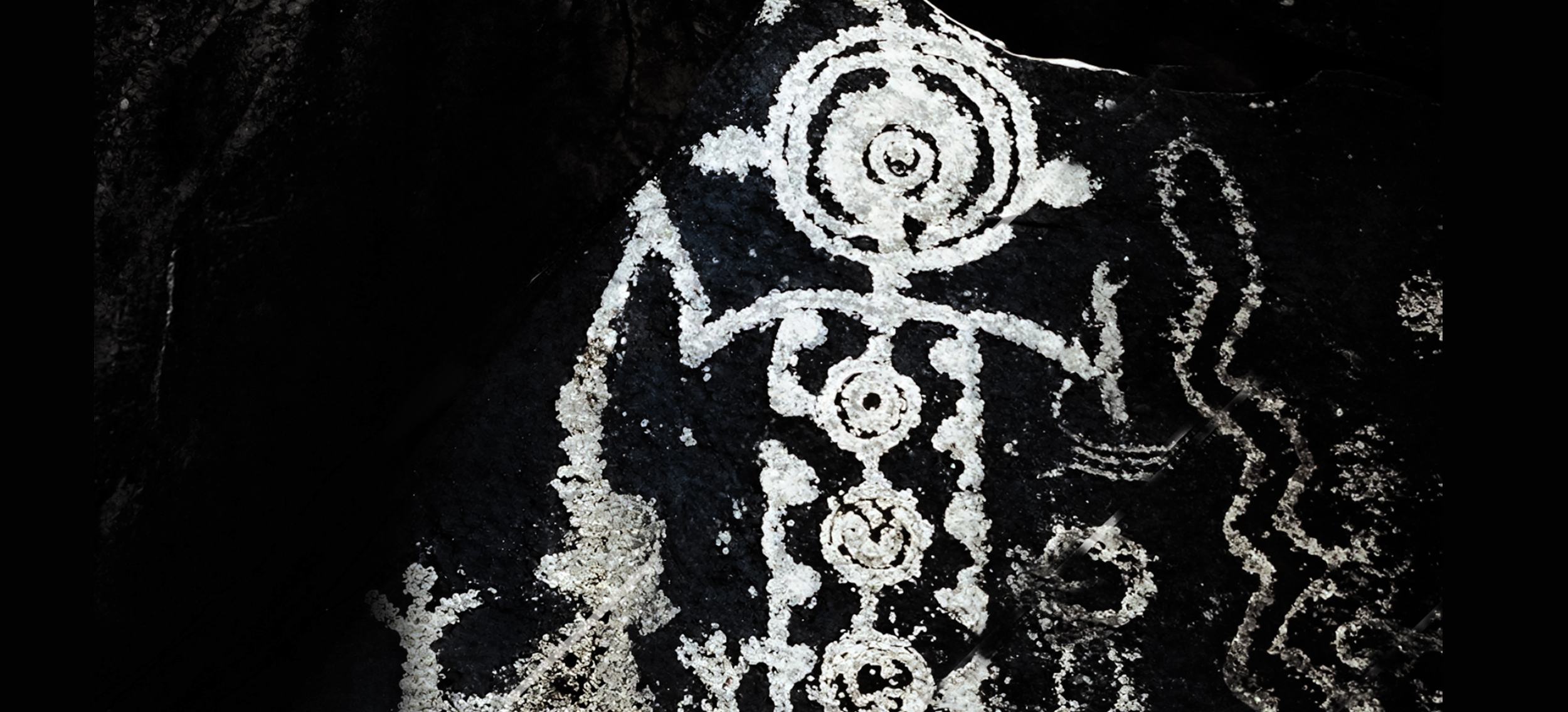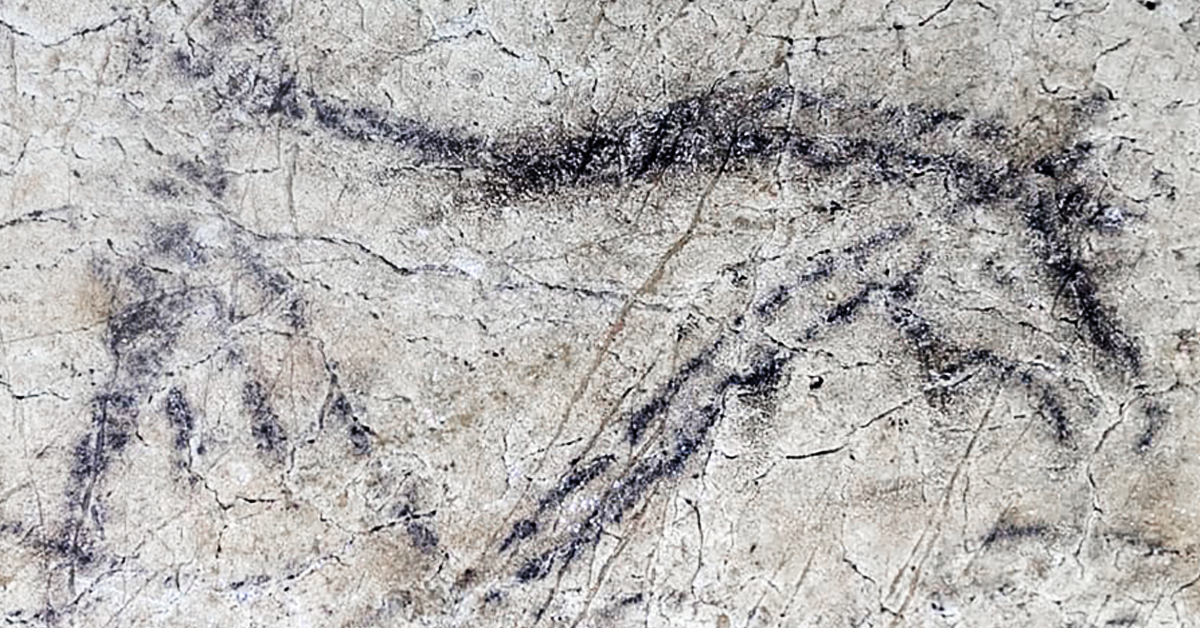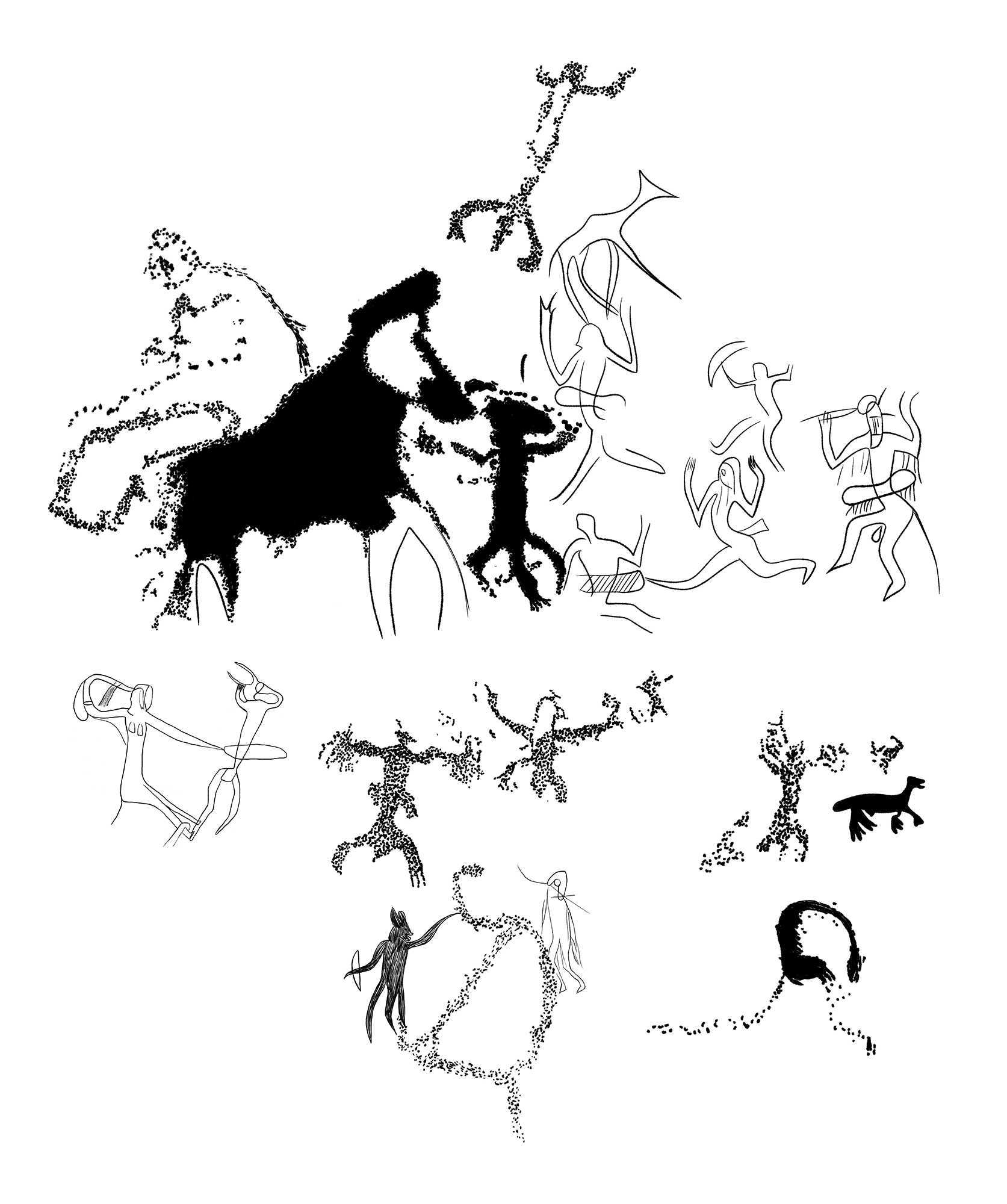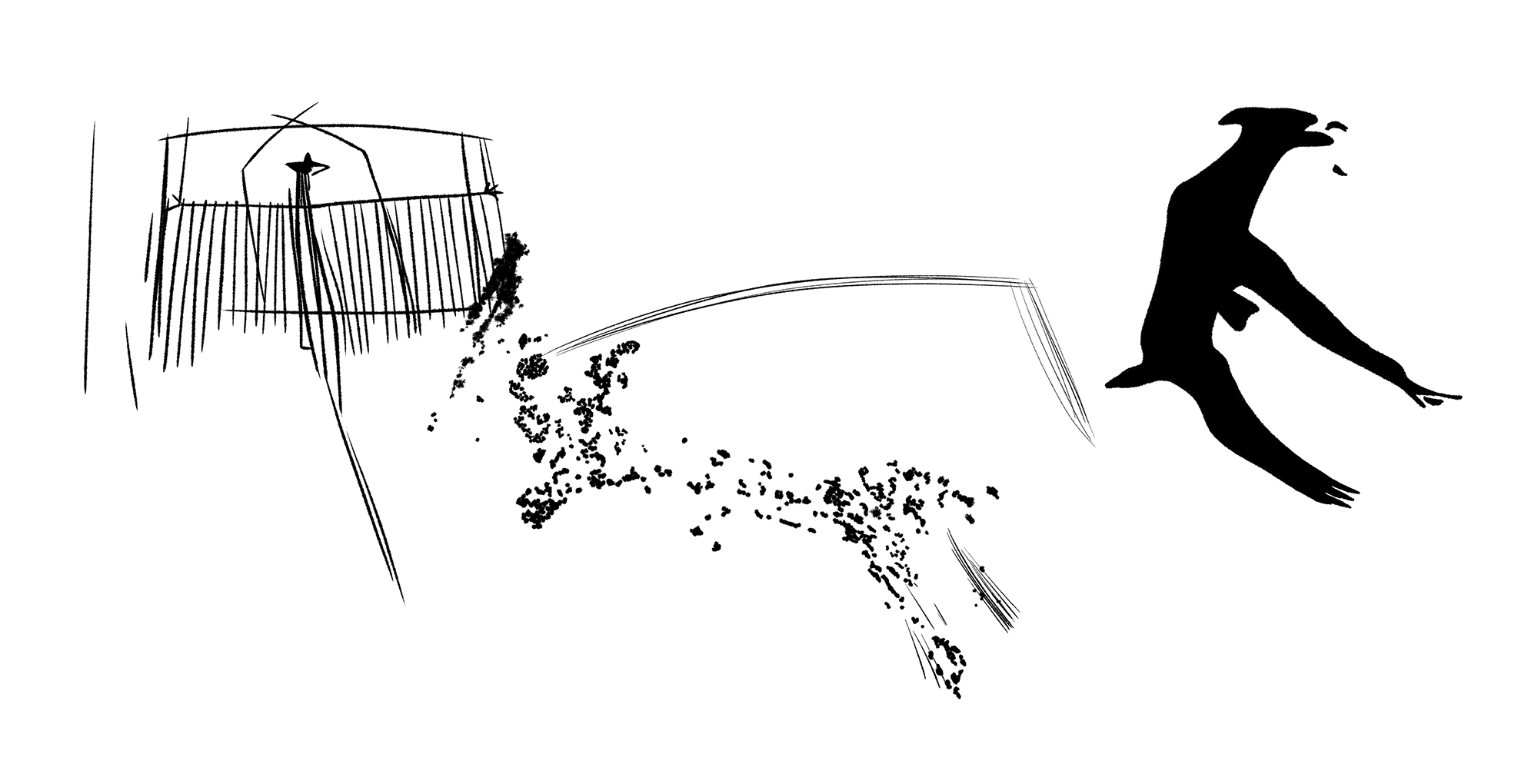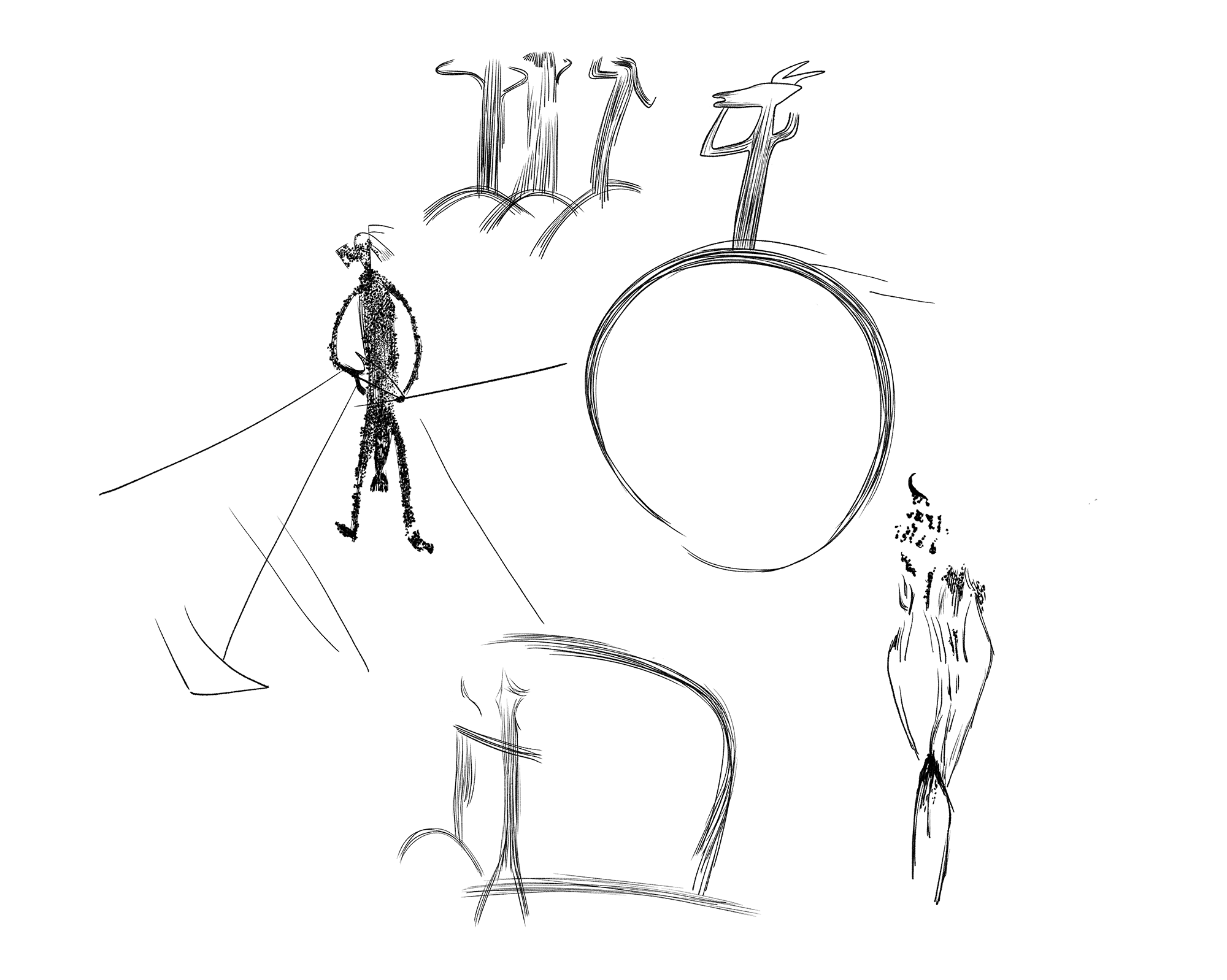

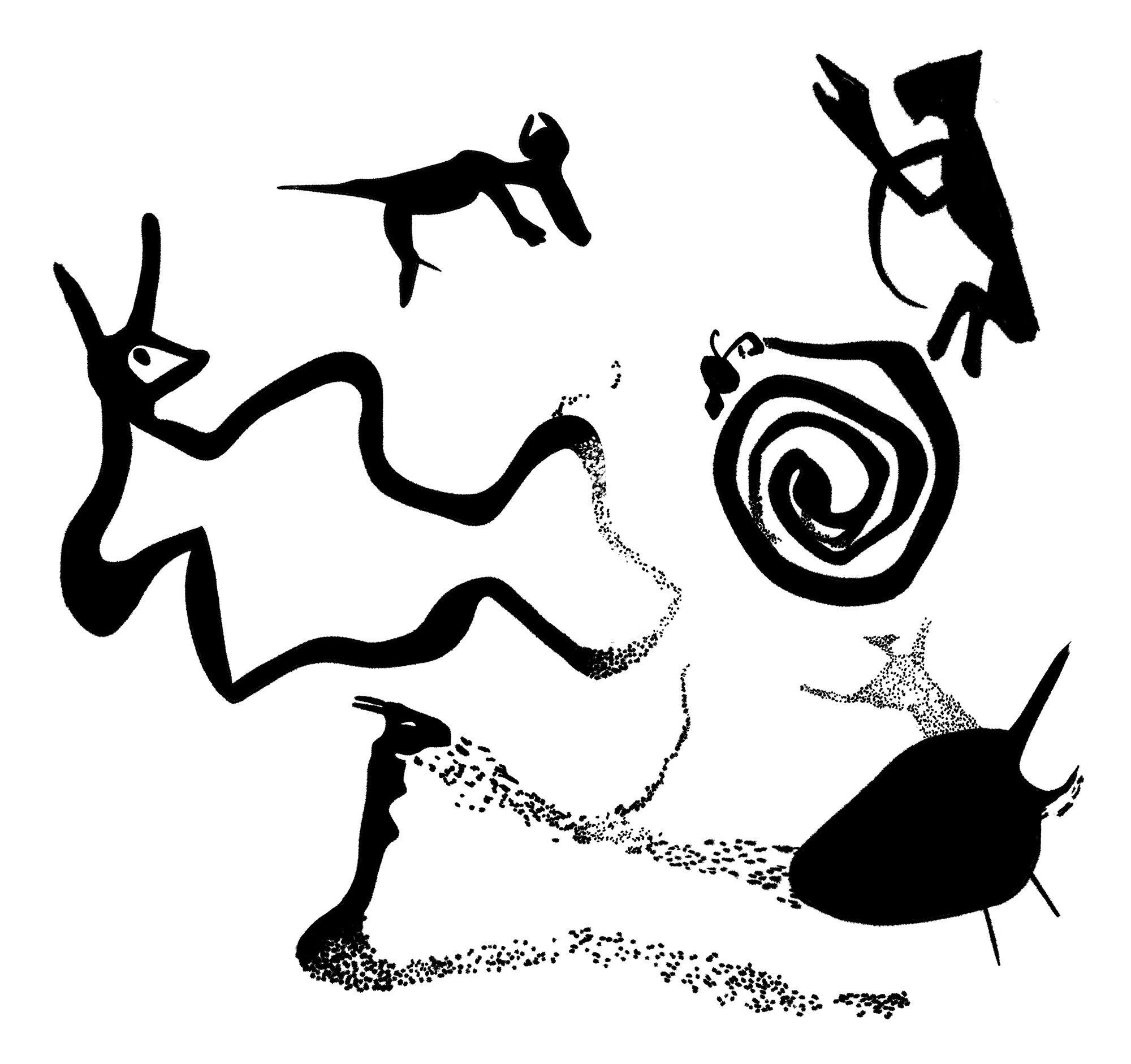

Wadi Tajent is located in the Jufra region within the transitional edge between the basaltic massifs and the central sandy plains of the Libyan Sahara, near the city of Sukna. It is characterized by a distinct basaltic geology, as the entire area consists of ancient volcanic lava flows forming hard, dark, cracked blocky surfaces. Wind and water erosion over thousands of years have sculpted these basaltic blocks, forming sharp-edged cliffs, natural rock pillars, and volcanic terraces suitable as supports for rock engravings.
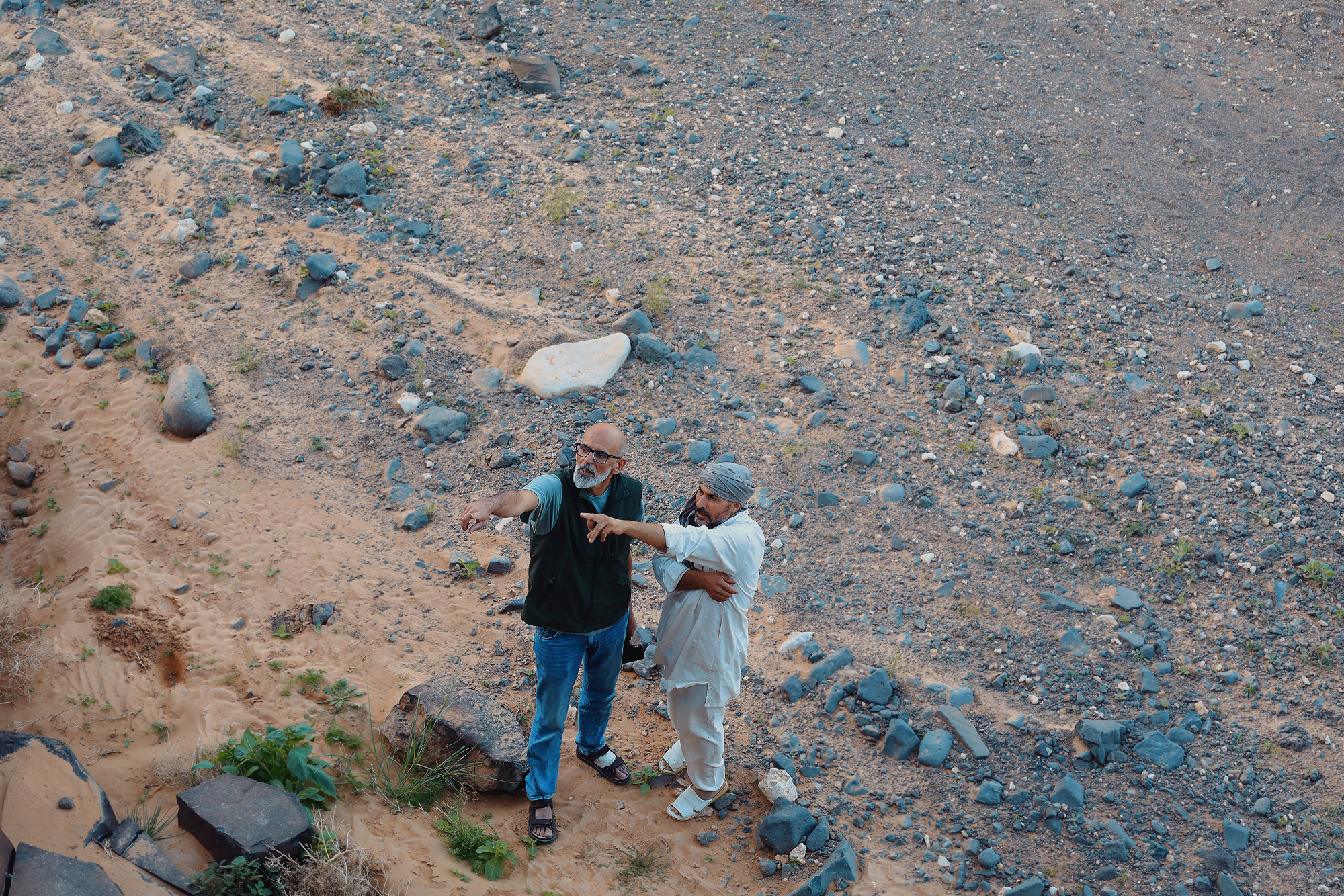
The valley takes the form of a dry watercourse cutting through the basaltic massif, with its floor dominated by dark volcanic gravel, along with ancient alluvial deposits in some low-lying areas, indicating seasonal water activity during the wetter periods of the Holocene. It is noted that the geomorphological structure of the site indicates an ancient drainage network that was more active during wetter eras when climatic conditions allowed water to collect in depressions and form temporary pools within basaltic cavities.