Investigating ancient human DNA preservation on cave walls and in rock art. DNA from ancient humans has been found on a prehistoric cave painting and on cave walls, demonstrating the potential to one day identify individual artists and resolve the debate over Neanderthals artistic abilities. This research project was part-funded by the Bradshaw Foundation.Investigating ancient human DNA preservation on cave walls and in rock art. DNA from ancient humans has been found on a prehistoric cave painting and on cave walls, demonstrating the potential to one day identify individual artists and resolve the debate over Neanderthals artistic abilities. This research project was part-funded by the Bradshaw Foundation.
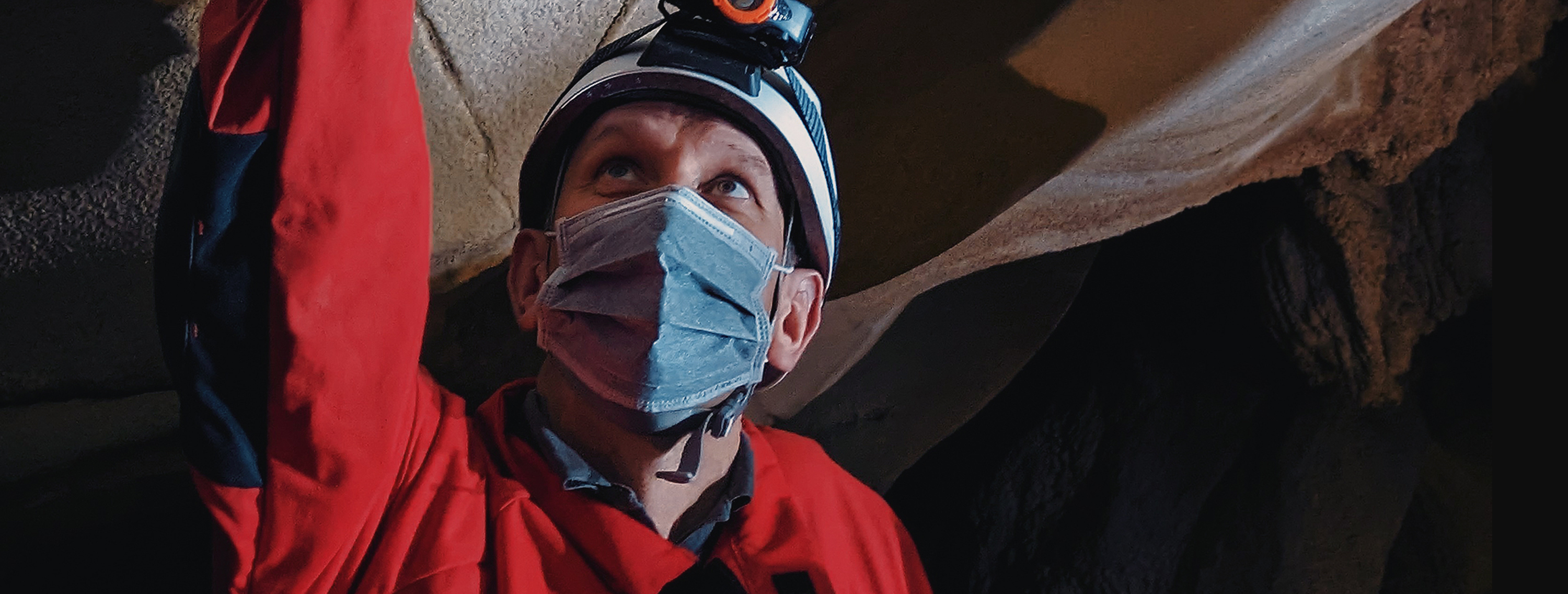
'Ancient human DNA can survive on cave walls and rock art for thousands of years, a study of caves in Spain and Portugal has found. This opens up new ways to understand prehistoric humans and answer questions about whether Neanderthals painted on cave walls too. “It’s the start of a new era,” says Genevieve von Petzinger at University of the Witwatersrand in Johannesburg, South Africa. “This gives us the potential to meet the actual artists, the individual who did this art. It’s extraordinary.”
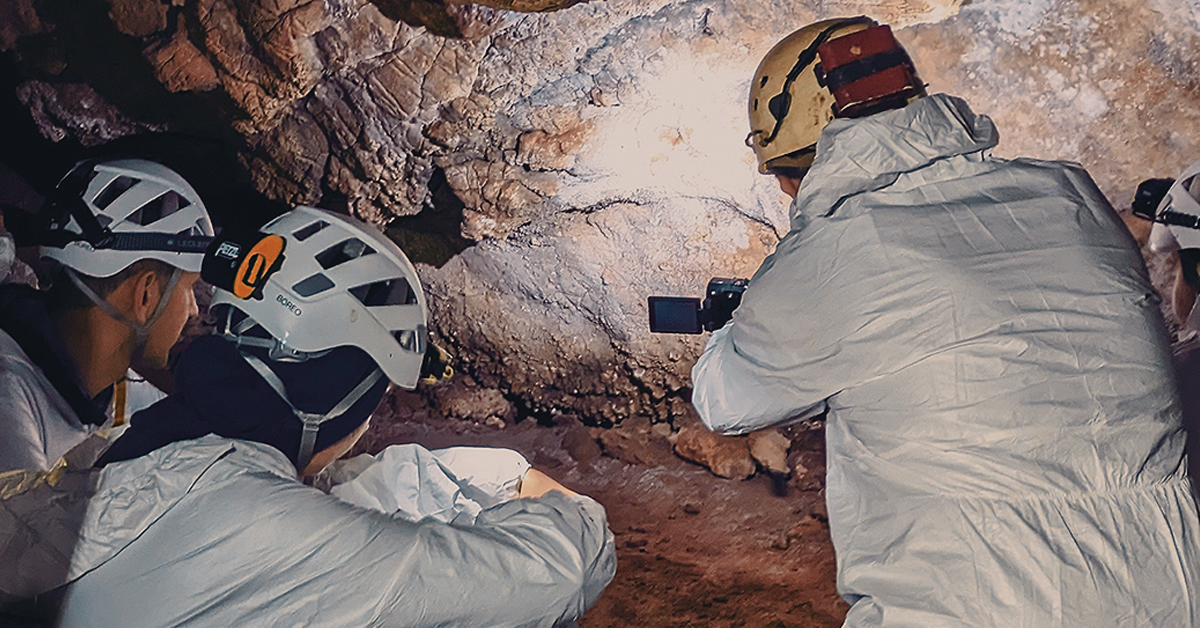
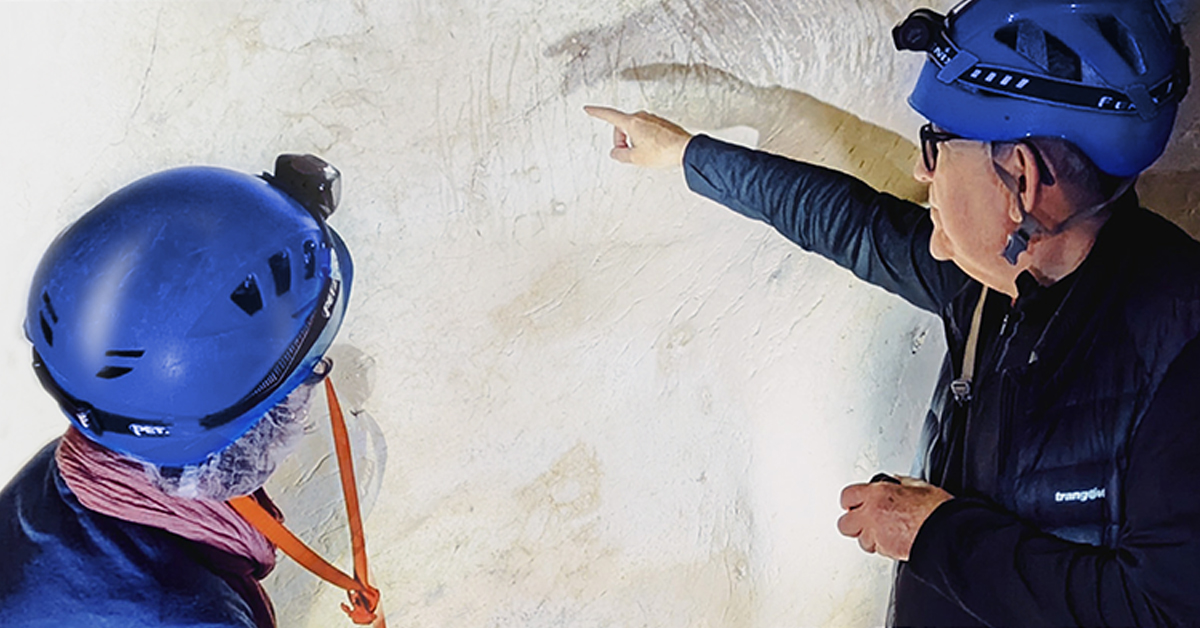
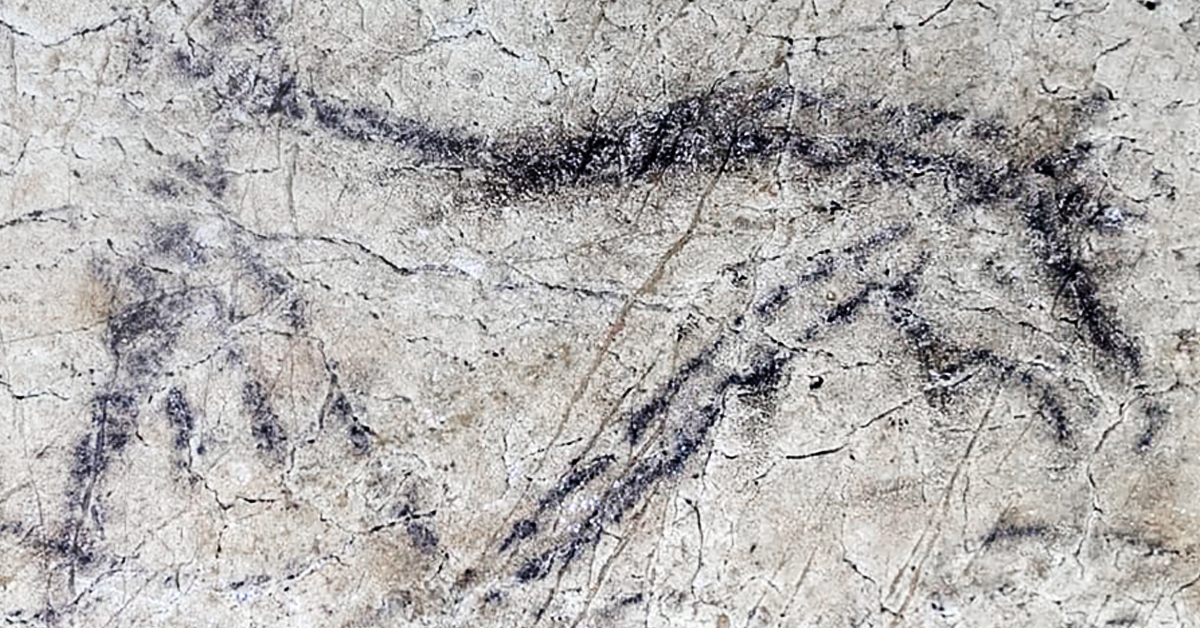
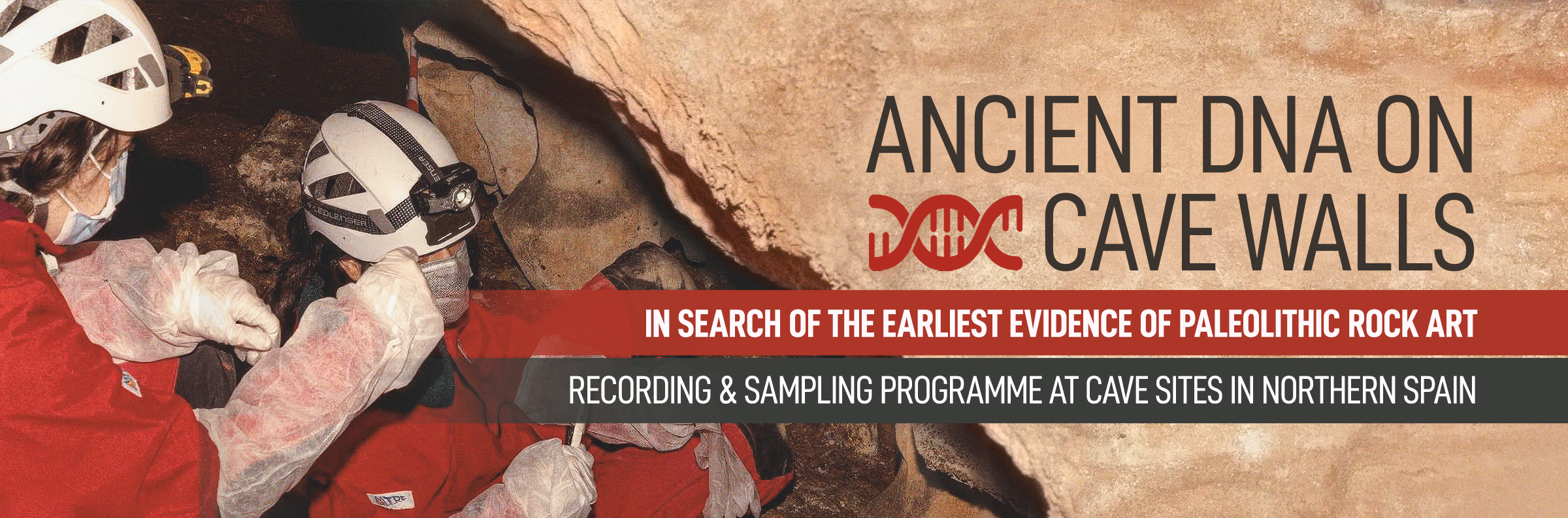
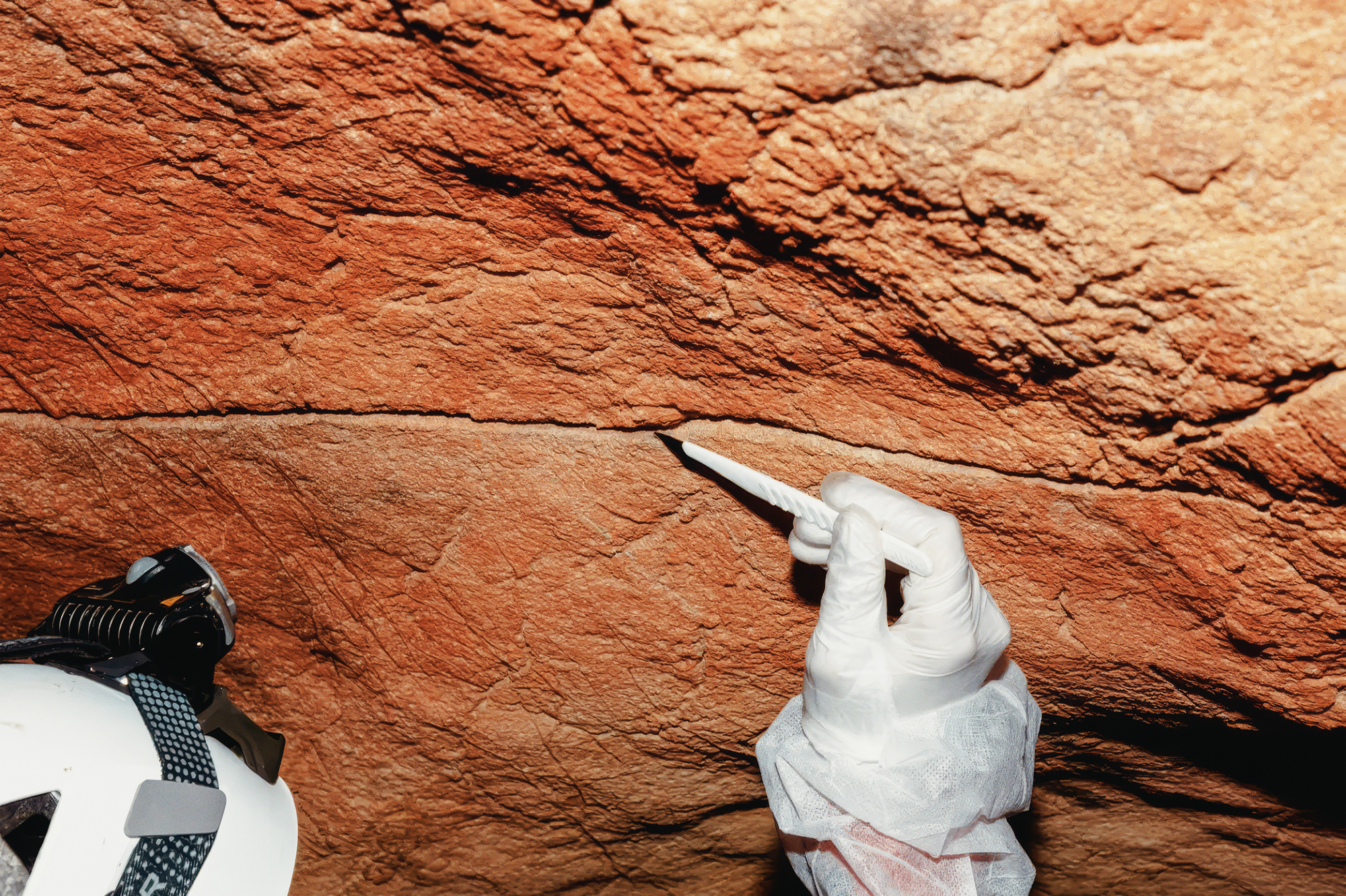
'Between 2022 and 2025, a team of researchers from the First Art project, which focuses on dating the earliest cave art, took samples from 11 caves around Spain and Portugal containing rock art - mainly graphic images such as triangles, dots and hand stencils made using red ochre paint, which are thought to be the oldest forms of cave drawings. The researchers took tiny shavings of paint or removed a layer of calcite mineral that forms on cave walls by precipitation from water.

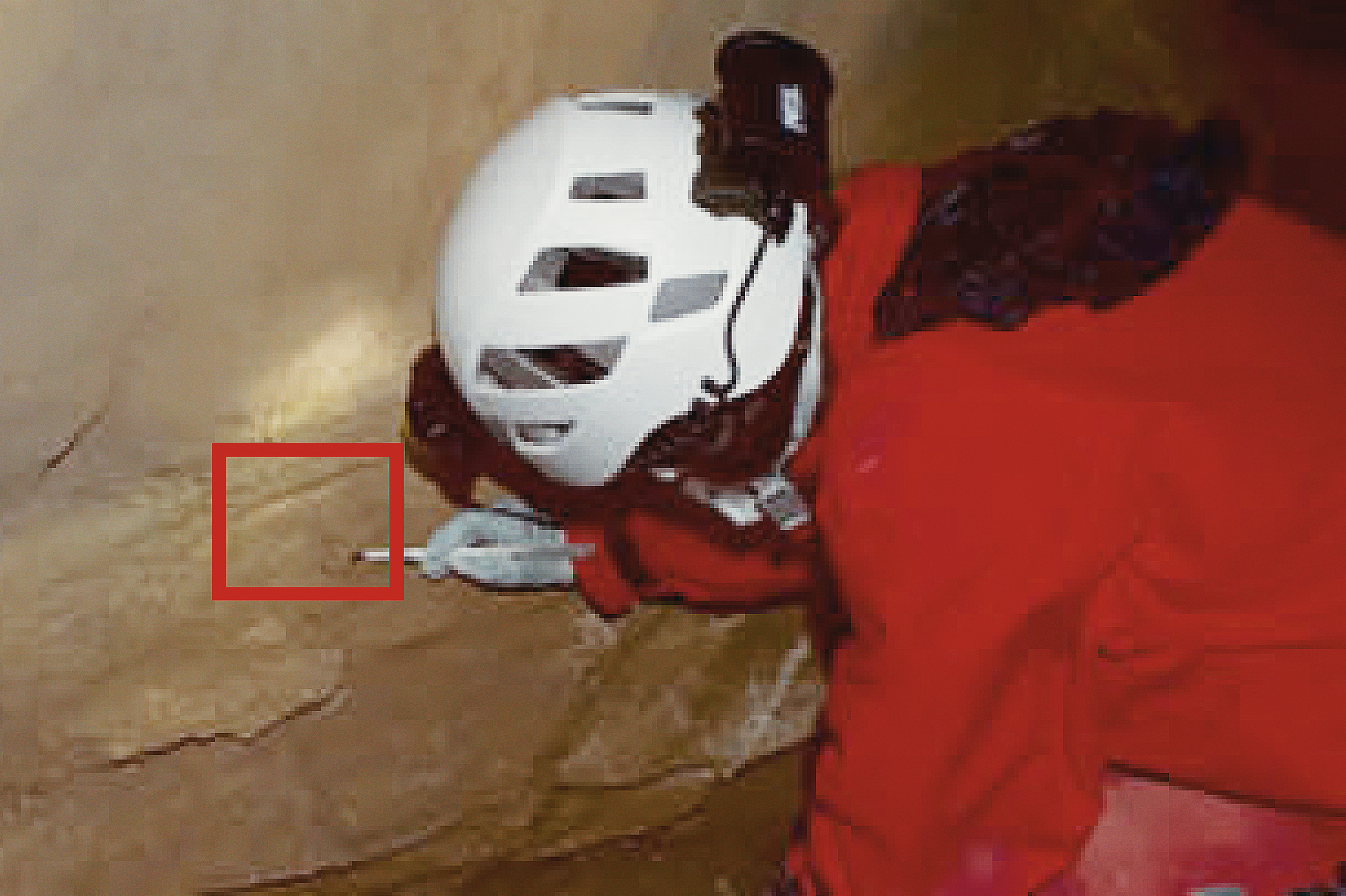

Cave art is often created by spitting paint, or applied using hands and fingers, so the researchers tested whether any DNA from the artists had been preserved. We have known for a decade that ancient human DNA can be preserved in the sediment on cave floors, but this genetic material had never previously been discovered on the walls.
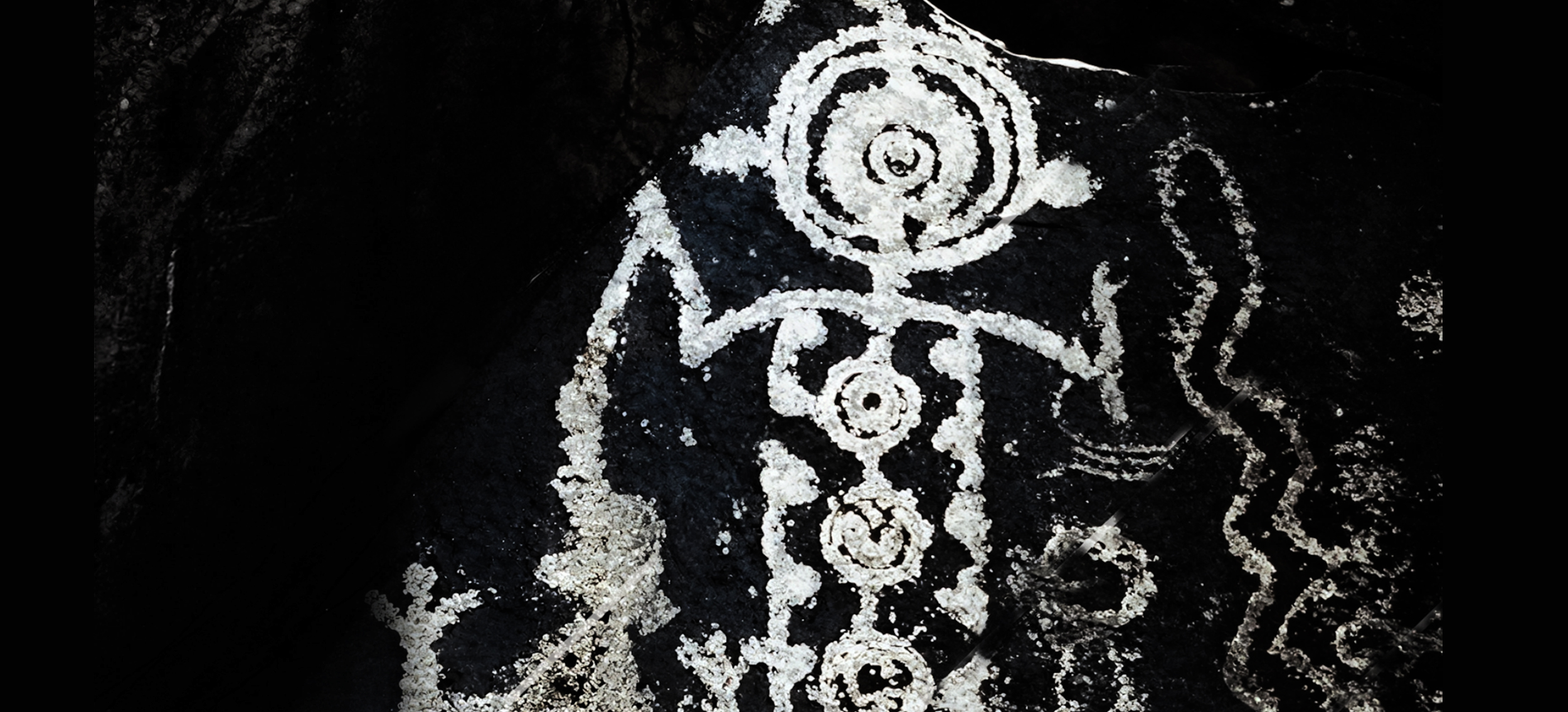
This has now changed, with the discovery of ancient human DNA in some red markings in the Escoural cave in Portugal that resemble a semicolon.'
“We know that some of the art was applied to cave walls by blowing or rubbing pigment onto the surface. Given the enormous sensitivity of current ancient DNA analysis techniques, we were eager to see if this type of contact could leave traces of DNA in the rock art, potentially allowing us to obtain genetic profiles from the makers of the art”, says Hipólito Collado Giraldo, an archaeologist and rock art specialist from the Extremadura Government in Spain, who brought together the First Art team.
Researchers wanted to know if ancient human DNA can survive on cave walls - especially on prehistoric rock art - long enough for us to detect it today. If DNA could be recovered from the paint or the wall surface, we might one day identify who made the art - modern humans, Neanderthals, or later visitors.
This project involved sampling pigments from 24 rock art panels in 11 caves across Spain and Portugal, unpainted wall surfaces near the art, sediments from cave floors and a prehistoric 'airbrush' bone from Altamira that was used to blow pigment. Then they used advanced ancient-DNA extraction and sequencing methods to see what survived.
- Ancient human DNA can survive on cave walls for thousands of years.
- We cannot yet link DNA to the creation of specific artworks.
- Pigments themselves rarely preserve DNA, even when applied by blowing.
- Unpainted walls sometimes preserve DNA better than the art.
- For now, DNA cannot tell us who painted the art.
- Dating for the samples expected Summer 2026.