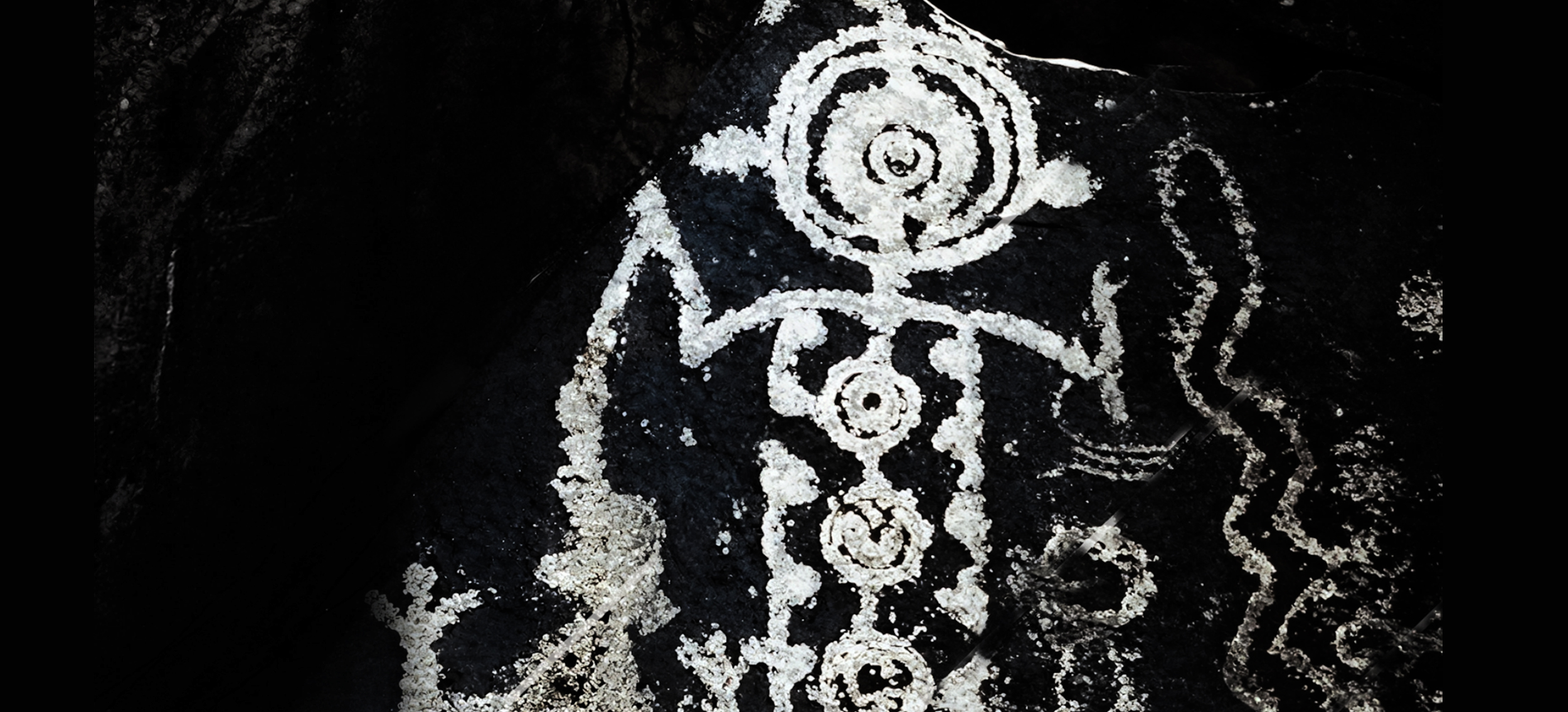

Currently, FIRST ART is establishing itself as an international research project that has remained active since its inception in 2018. Over time, it has gradually expanded its reach globally by enhancing collaboration strategies with other teams whose main objectives include the identification, study, and characterization of the earliest stages of rock art.
Throughout seven years of work, the project has started to deliver significant results, especially in chronological aspects. It has provided a broad range of dates that lay a solid foundation for defining the chronological framework of the earliest artistic expressions created by humans, regardless of their species. Additionally, it has advanced the understanding of human communities' interactions with rock art, primarily through the analysis and identification of ancient DNA traces found at sites where its presence has been detected.
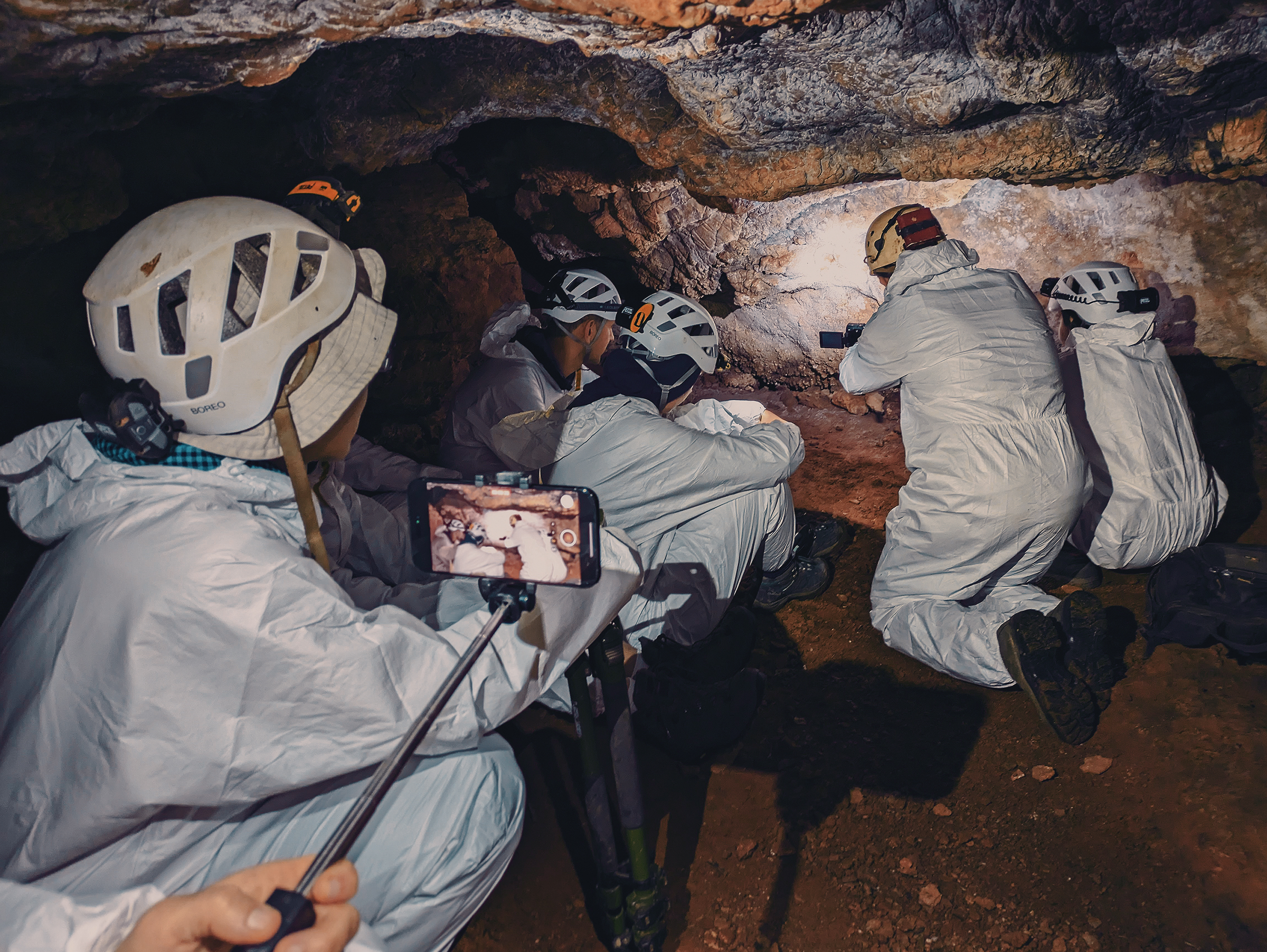
In this regard, the FIRST ART project has been particularly enriching. Thanks to the research conducted, the team members responsible for this area (from the Max Planck Institute for Human Evolution in Leipzig) have succeeded in identifying traces of human and mammalian DNA not only in the pigments but also directly on the walls of the caves. This achievement provides valuable insights into the human communities that once moved through these cave spaces and the possible uses they attributed to them. This breakthrough represents a remarkable advancement and a major qualitative leap, comparable to the methodological strategies developed by the same team to extract ancient DNA directly from the sediments of archaeological sites.
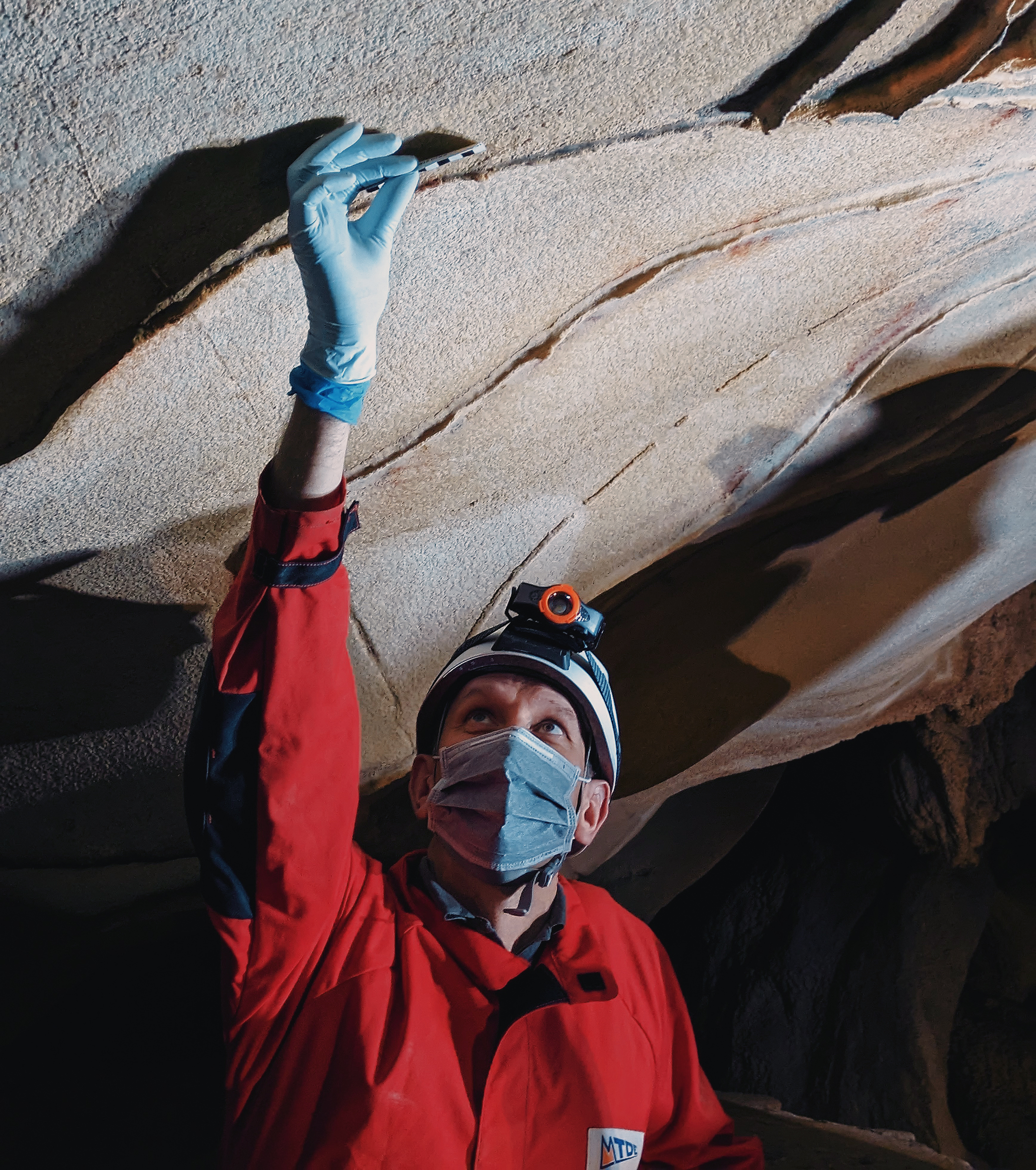
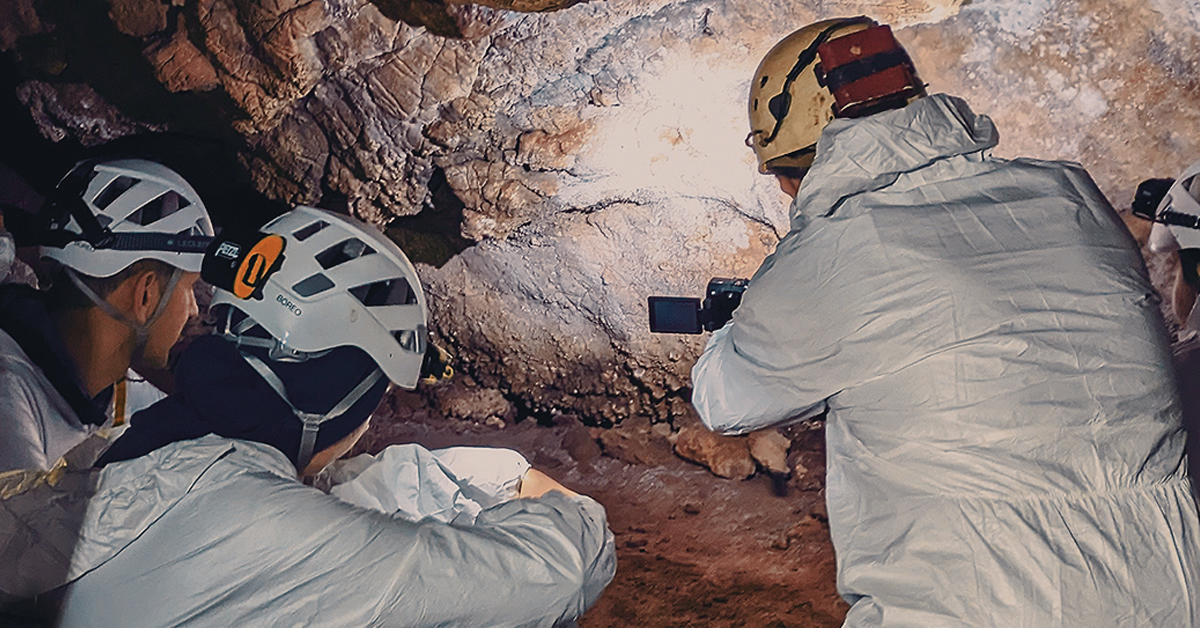
Conducting research in this region is crucial, first and foremost, because all the necessary administrative permits for sampling have been obtained. This allows the upcoming field campaign to expand the number of sampled caves and revisit major sites like La Lloseta. In La Lloseta, significant and intriguing chronological data have already been gathered. The new sampling aims to cross-check these findings to solidify and conclusively define the chronological and evolutionary framework of rock art.
Additionally, preliminary traces of ancient DNA have been found in a couple of caves (Portugal and Spain), both in pigments and on the cave walls.
The new sampling in Asturias will seek to expand this evidence and genetically identify the human groups that once roamed these caves, establishing their role in relation to the remarkable collection of rock art present there.
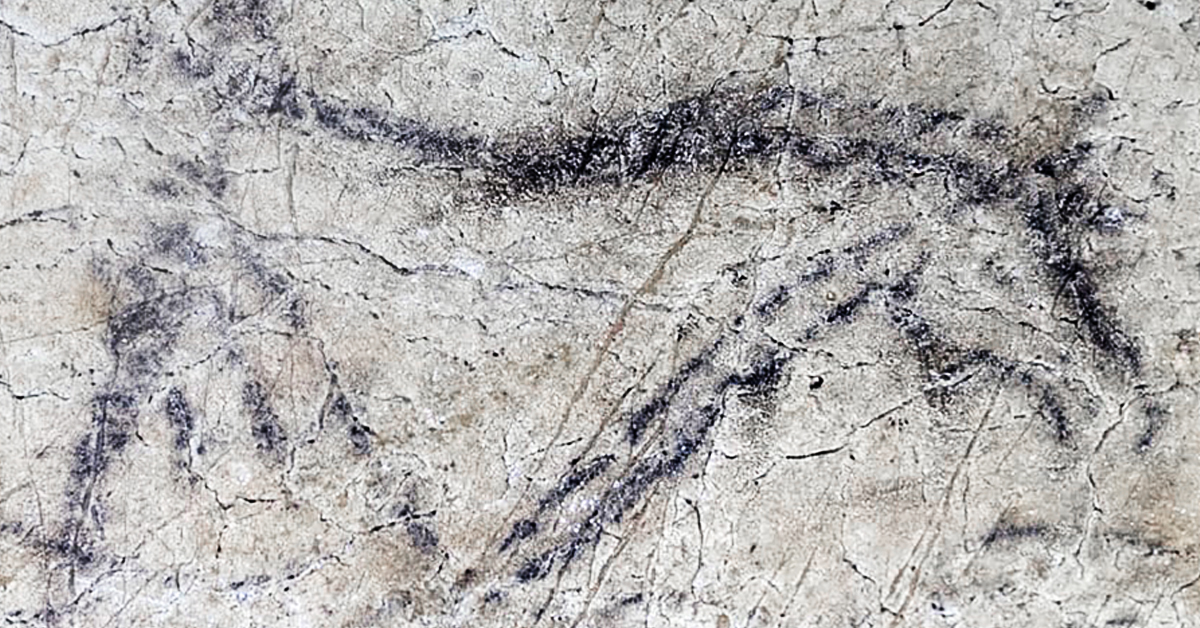
This new field campaign stands out for its plan to sample two new small caves with few figures, but whose iconographic and technical features align with the criteria that FIRST ART associates with the earliest stages of rock art. These caves have never been studied before.
Moreover, the project aims to validate and cross-check previously obtained chronological data from La Lloseta. It also seeks to expand the genetic analysis by increasing the number of samples containing human DNA preserved in pigments and on the cave walls.
Yes, the project has been continuously active since 2018, progressively increasing the data needed to define the origins of human symbolic behaviour.
Recent fieldwork to validate previously gathered data (dating) was conducted in September 2024 at the Rising Star cave system in South Africa, linked to parietal markings attributed to Homo Naledi, and in December 2024 in several caves in Cantabria, Spain.
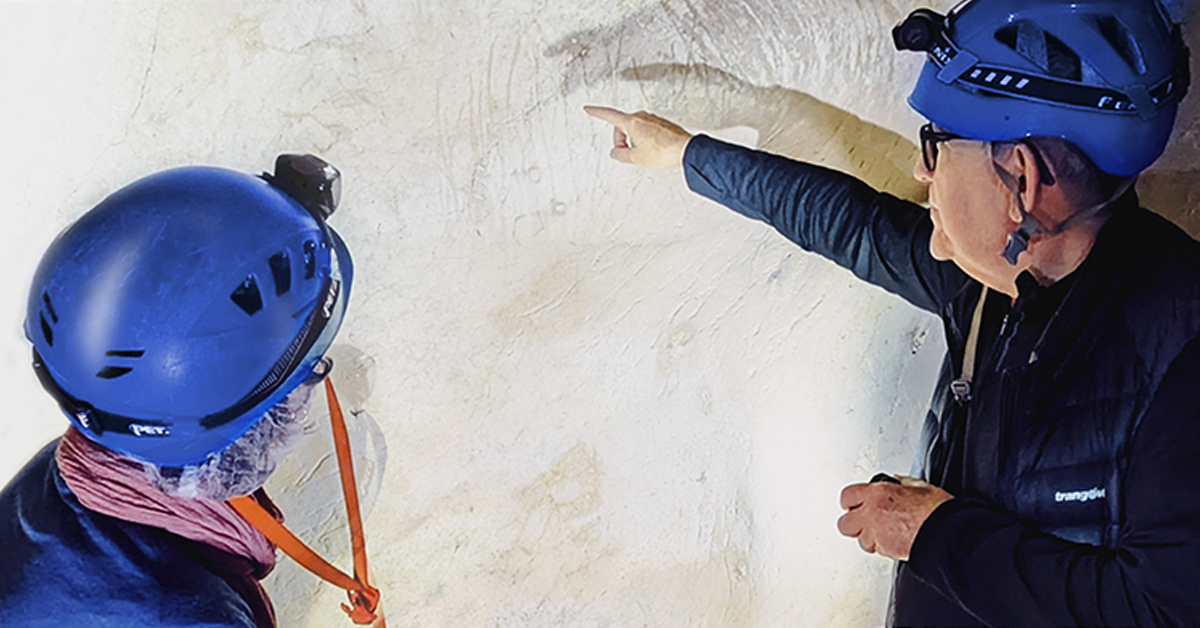
Following these interventions, the next sampling campaign is planned for Asturias in late February of this year, for which financial support is being requested. Two additional sampling campaigns are scheduled for May: one in Croatian caves (Romualdova cave and Modric cave), aimed at studying and collecting samples from a newly discovered set of archaic Paleolithic art with exclusively Neanderthal archaeological contexts, and another in caves in Andalusia. These Andalusian sites, visited during your recent trip to Spain, contain an impressive collection of motifs whose technical and iconographic characteristics seem to correspond to the earliest stages of human symbolic behaviour.
The project seeks to obtain new data to validate the origins of human symbolic behaviour from technical, stylistic, chronological, and iconographic perspectives, as well as to identify the species or species responsible for it.