
Iran Rock Art Archive
Rock Art of Iran
Exploring Our Past - Informing Our Future
 

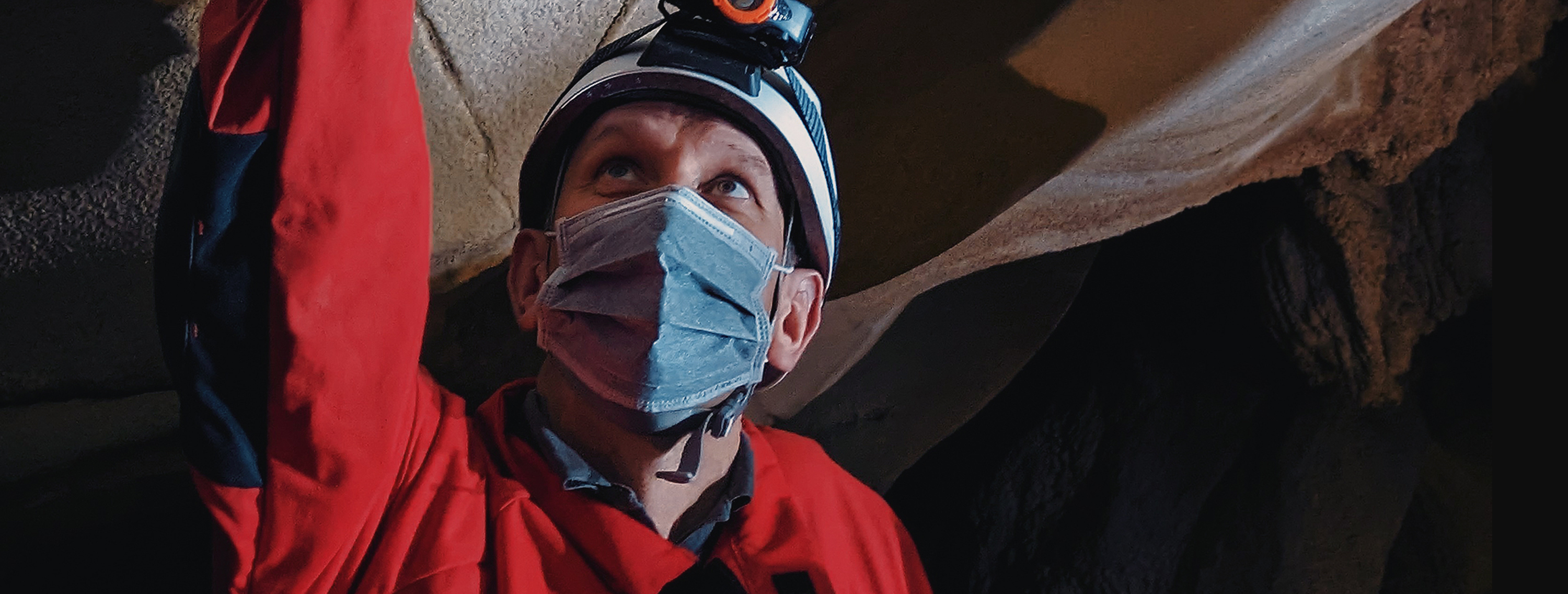
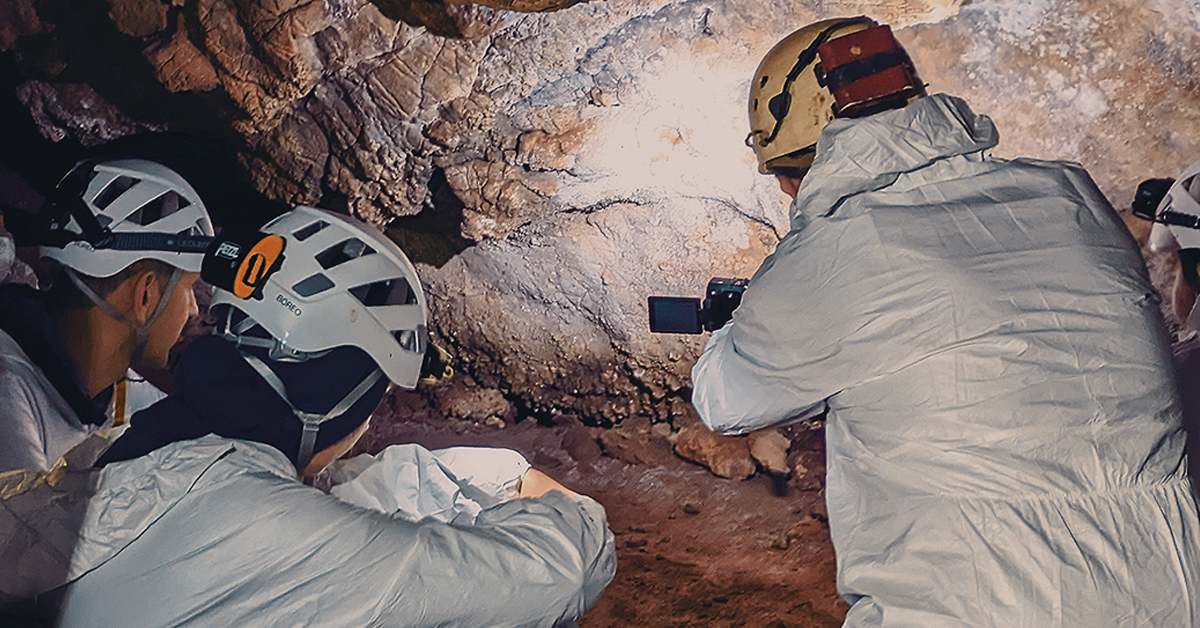
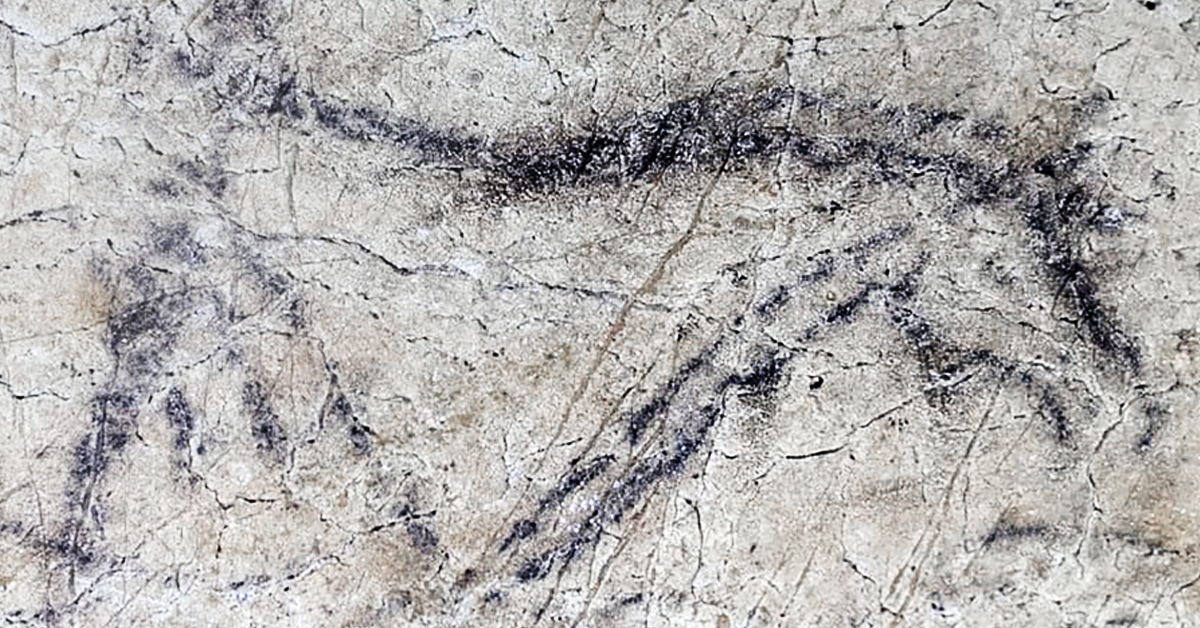
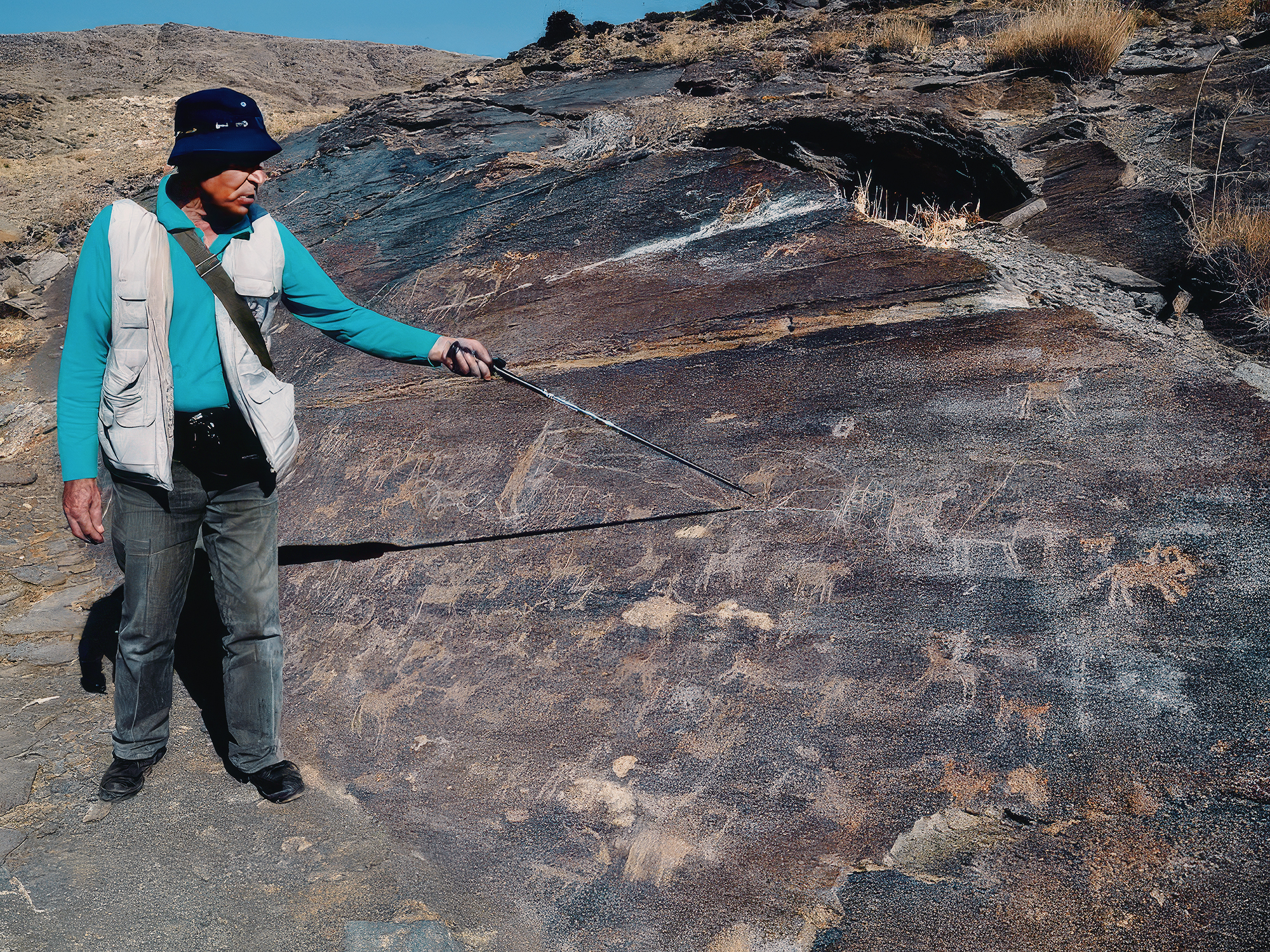
Mohammad Naserifard has spent years crossing Iran's hills and desert plains to uncover ancient rock art
© (AFP/ ATTA KENARE)

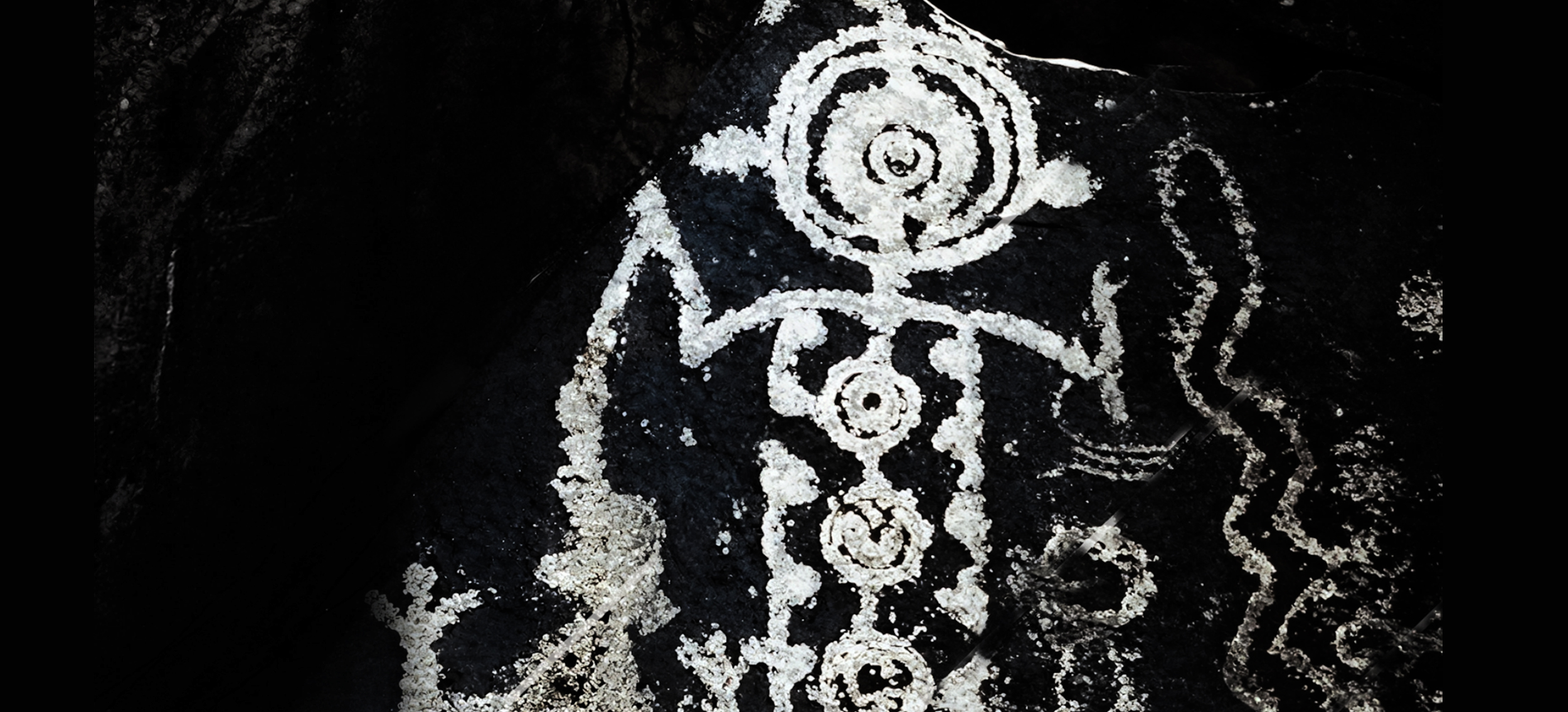
Iran’s prehistoric rock art research in 2026 is accelerating rapidly, driven by new national heritage initiatives, fresh field surveys, and a growing scientific focus on Palaeolithic lifeways. The field is still being developed but it is now entering a genuinely transformative phase, with Iran’s rock art research expanding beyond the Zagros where researchers are now mapping prehistoric human activity across the entire plateau, including regions previously considered archaeologically “silent.” UNESCO inscription of the Khorramabad Valley (2025–26) has triggered new funding and international collaboration, and the discovery of 24 Palaeolithic sites in the Esfarayen Plain (2025–26) has opened a new frontier in north-eastern Iran. Moreover, new research on Acheulean technology in southern Iran (2026) suggests early hominin presence far beyond the classic Zagros corridor.

Ibex Iran Rock Art Archaeology
Rock art itself remains under-documented compared with many regions and countries, however the conditions for discovery are now ideal, and researchers expect new sites to emerge as surveys intensify. This research is now being catalogued by the Bradshaw Foundation.

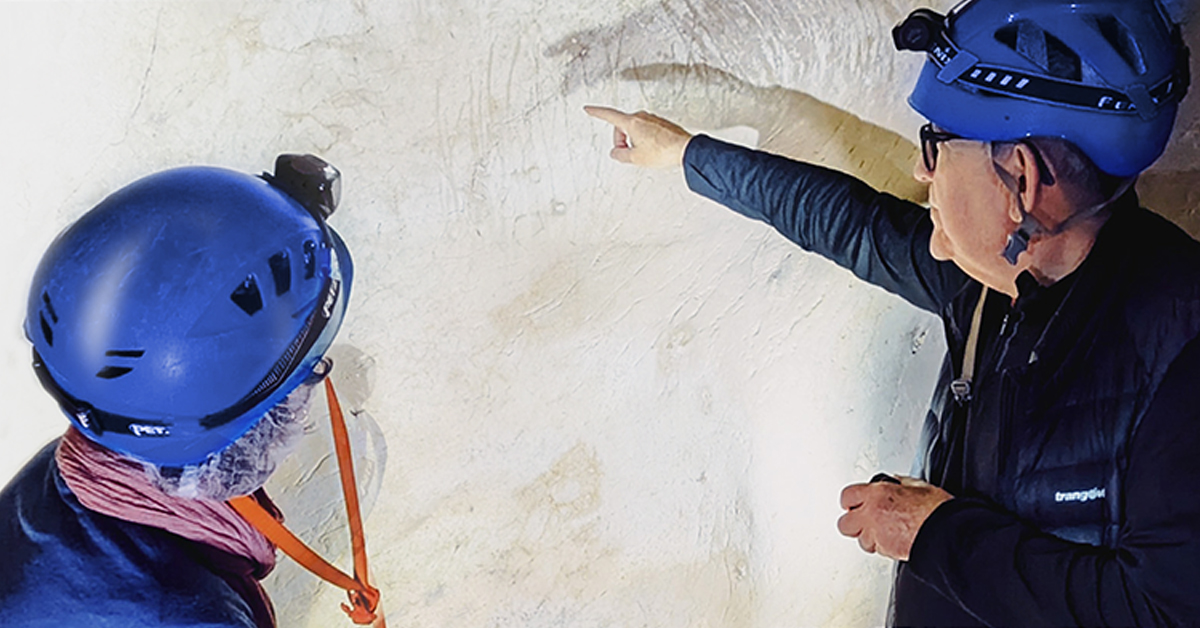
Iranian archaeologist Dr Mohammad Naserifard has spent years exploring dozens of Iranian provinces, particularly in the hills outside Khomein. Naserifard now teaches at a local university, and he estimates that in Iran depictions of the ibex deer account for more than 90 percent of the ancient engravings.
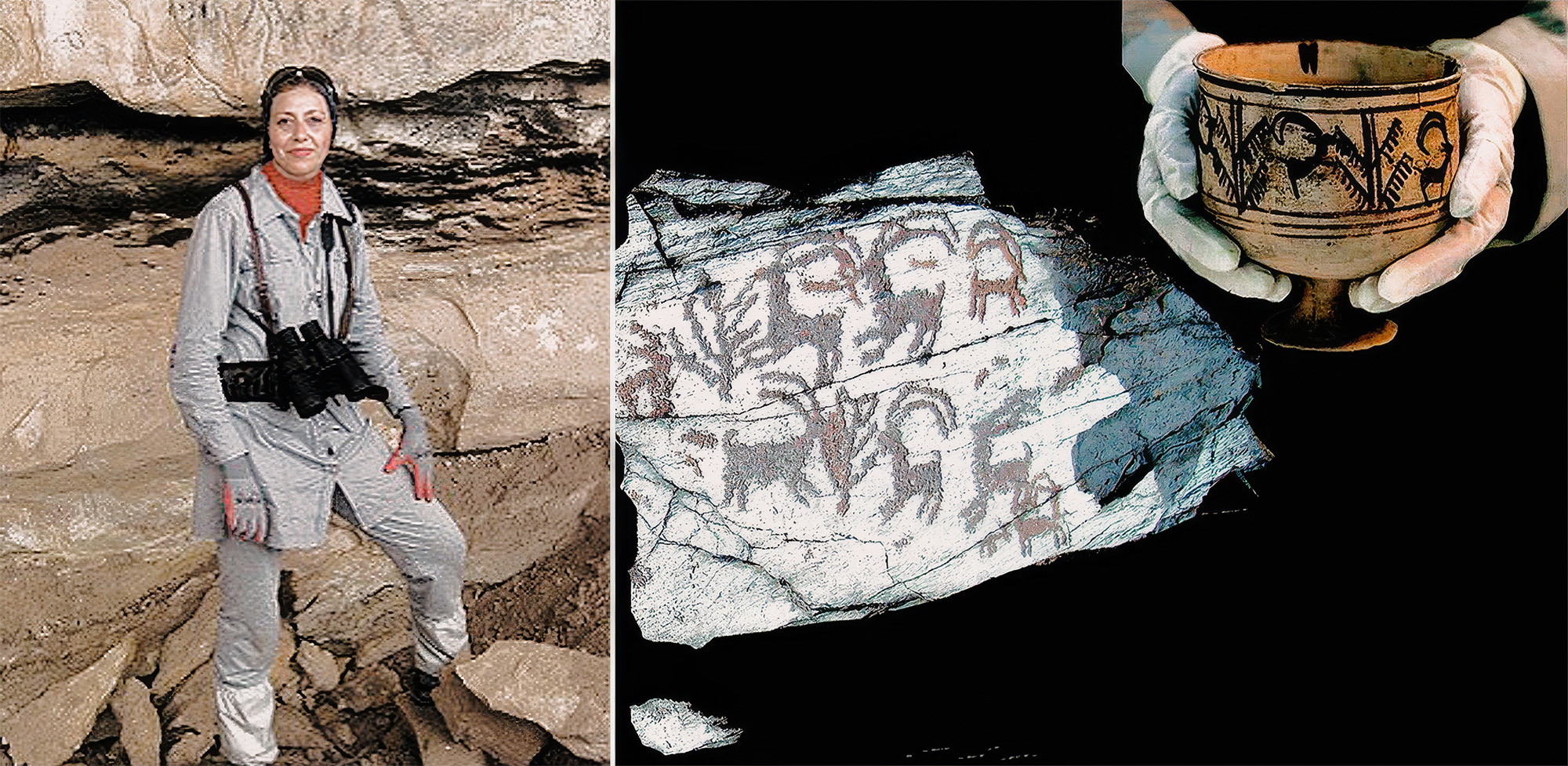
Dr. Azhideh Moqaddam
© Dr. Azhideh Moqaddam
Dr. Azhideh Moqaddam is is part of a distinguished lineage of Iranian scholars who have shaped our understanding of the cultural, linguistic, and symbolic foundations of the Iranian world. Her work continues a tradition that stretches from the pioneering philologists of the early 20th century - who first systematised Avestan (the liturgical language of Zoroastrianism) and Middle Persian studies - to the contemporary researchers who integrate archaeology, linguistics, mythology, and cultural history to reconstruct Iran’s deep past.

Iranian cultural studies has long been defined by its interdisciplinarity. From the monumental decipherment of Old Persian inscriptions by Rawlinson and the philological achievements of scholars such as Henning, Nyberg, and Tafażżoli, to the more recent integration of archaeological survey, comparative mythology, and historical linguistics, the field has continually expanded its methodological horizons. Dr. Moqaddam’s research stands within this evolving intellectual landscape. Her work engages with the languages, texts, and symbolic systems that illuminate how ancient Iranian communities articulated identity, memory, and cosmology across millennia.

By examining the linguistic and cultural structures embedded in Iran’s ancient textual heritage, she contributes to a broader scholarly effort to understand how Iranian civilisation developed its distinctive forms of expression-from the ritual vocabulary of the Avesta to the narrative traditions of the Sasanian world. This research is essential not only for philologists and historians, but also for archaeologists and rock art specialists, because it provides the cultural and conceptual frameworks through which prehistoric and early historic imagery can be interpreted.
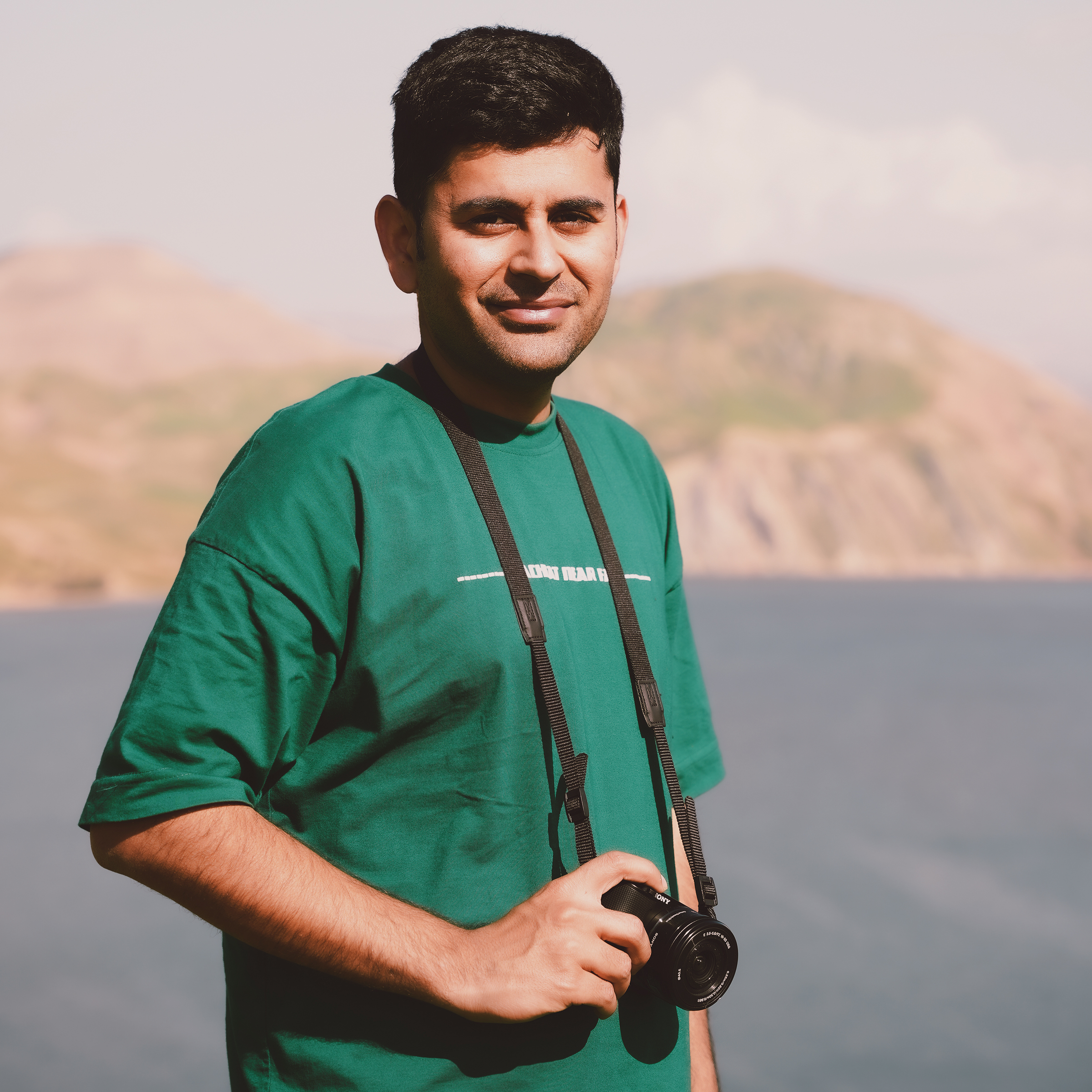
Ibrahim Rafiei Photographer Independent Researcher Rock Art Iran
Ibrahim Rafiei
© Ibrahim Rafiei / Dehtal Petroglyphs
Ibrahim Rafiei is a photographer and independent rock art researcher from Dehtal village in Hormozgan Province, southern Iran. For several years, Rafiei has been photographing and documenting the Dehtal petroglyphs, engraved boulders, archaeological features and surrounding landscape, building an extensive visual archive that records the site at multiple scales - from individual motifs and surface details to complete panels, boulders and wider environmental context.

Iran’s prehistoric rock art research is in a phase of rapid growth, driven by UNESCO recognition, major new Palaeolithic discoveries, and expanding regional surveys. While Iran’s confirmed rock art record is still modest, the underlying archaeological evidence - symbolic artifacts, long-term occupation, and new hominin dispersal data - suggests that the next decade will likely bring significant new rock art discoveries.

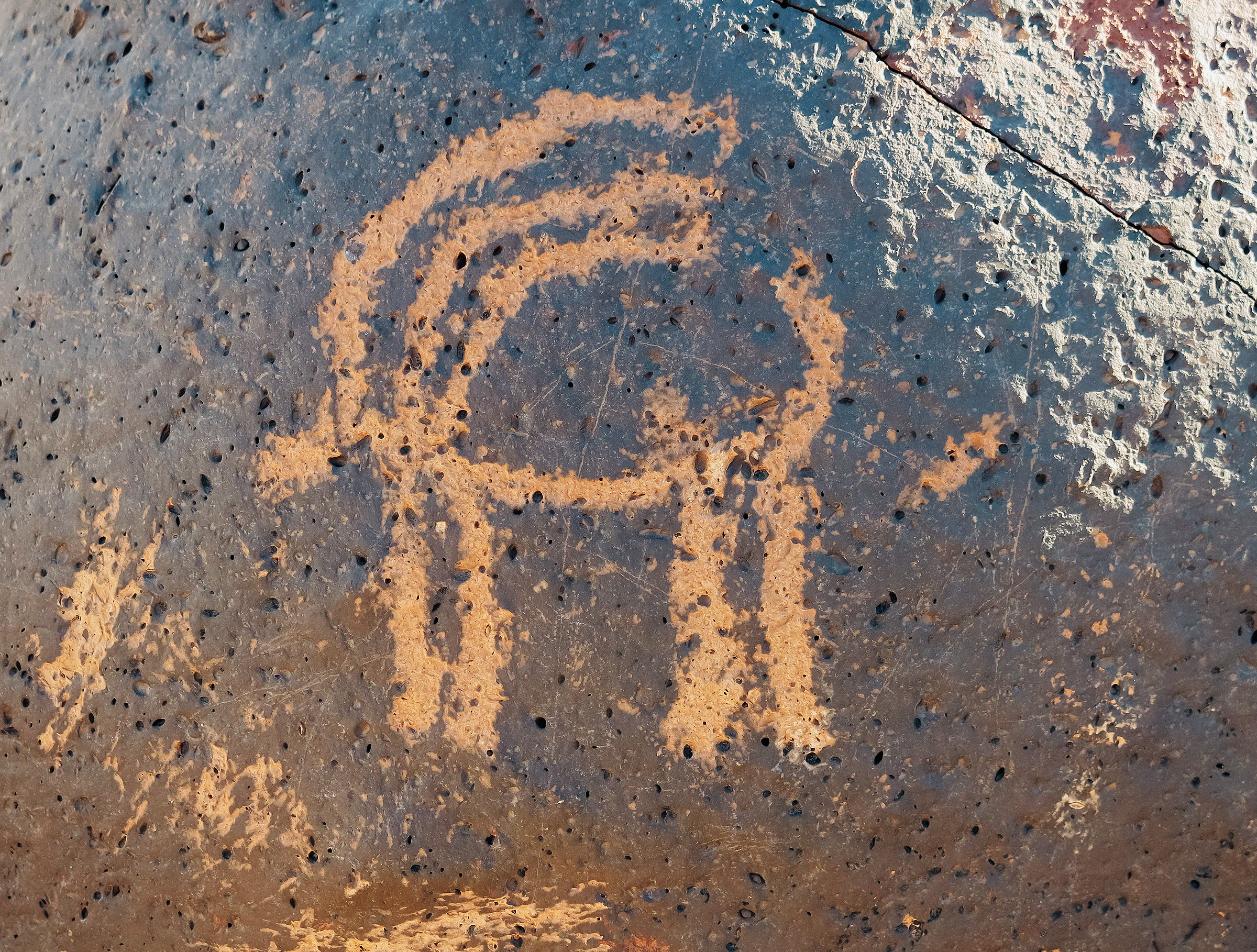
Supporting the research of Dr Mohammad Naserifard, Ibrahim Rafiei's study of the rock art at Dehtal demonstrates that the ibex is the most common motif and constitutes one of the defining elements of the Dehtal cultural landscape.
Mohammad Naserifard has spent years crossing Iran's hills and desert plains to uncover ancient rock art
Caption
© Ibrahim Rafiei / Dehtal Petroglyphs

To understand the cultural realm in which Iran’s early symbolic traditions emerged, we must also consider the geology and dramatic contrasts in landscape that define the Iranian plateau. Few regions in Eurasia present such a complex interplay of mountains, deserts, river basins, and highland corridors. This physical diversity was not merely a backdrop; it actively shaped patterns of movement, settlement, ritual practice, and ultimately the symbolic expressions we encounter in prehistoric art. Across these regions, geology shaped not only where people lived, but how they imagined their world. The interplay of stone, water, altitude, and horizon created distinct sensory environments that informed ritual practice and symbolic behaviour. Rock shelters in limestone zones became natural sanctuaries; basalt outcrops offered durable surfaces for pecked engravings; high plateaus provided vantage points that were woven into mythic geographies. In this sense, the physical landscape of Iran was an active participant in cultural formation - a generator of meaning, not merely a container for it.

Iran Rock Art Links
Bradshaw Foundation
Follow the Bradshaw Foundation on social media for news & updates
Follow the Bradshaw Foundation
on social media for news & updates
Follow the Bradshaw Foundation on social media for news & updates
Follow the Bradshaw Foundation
on social media for news & updates

THE BRADSHAW FOUNDATION is a charity registered in England and Wales (1209897). Registered address 5 Albany Courtyard, London, W1J 0HF.

© Bradshaw Foundation
 
 
Support our work & become a
Friend of the Foundation


Bradshaw Foundation Facebook


Bradshaw Foundation Instagram


Bradshaw Foundation YouTube


Bradshaw Foundation Donate Friends