Photography & Documentation: Ibrahim Rafiei
Photographer & Independent Researcher
Photography & Documentation:
Ibrahim Rafiei
Photographer & Independent Researcher
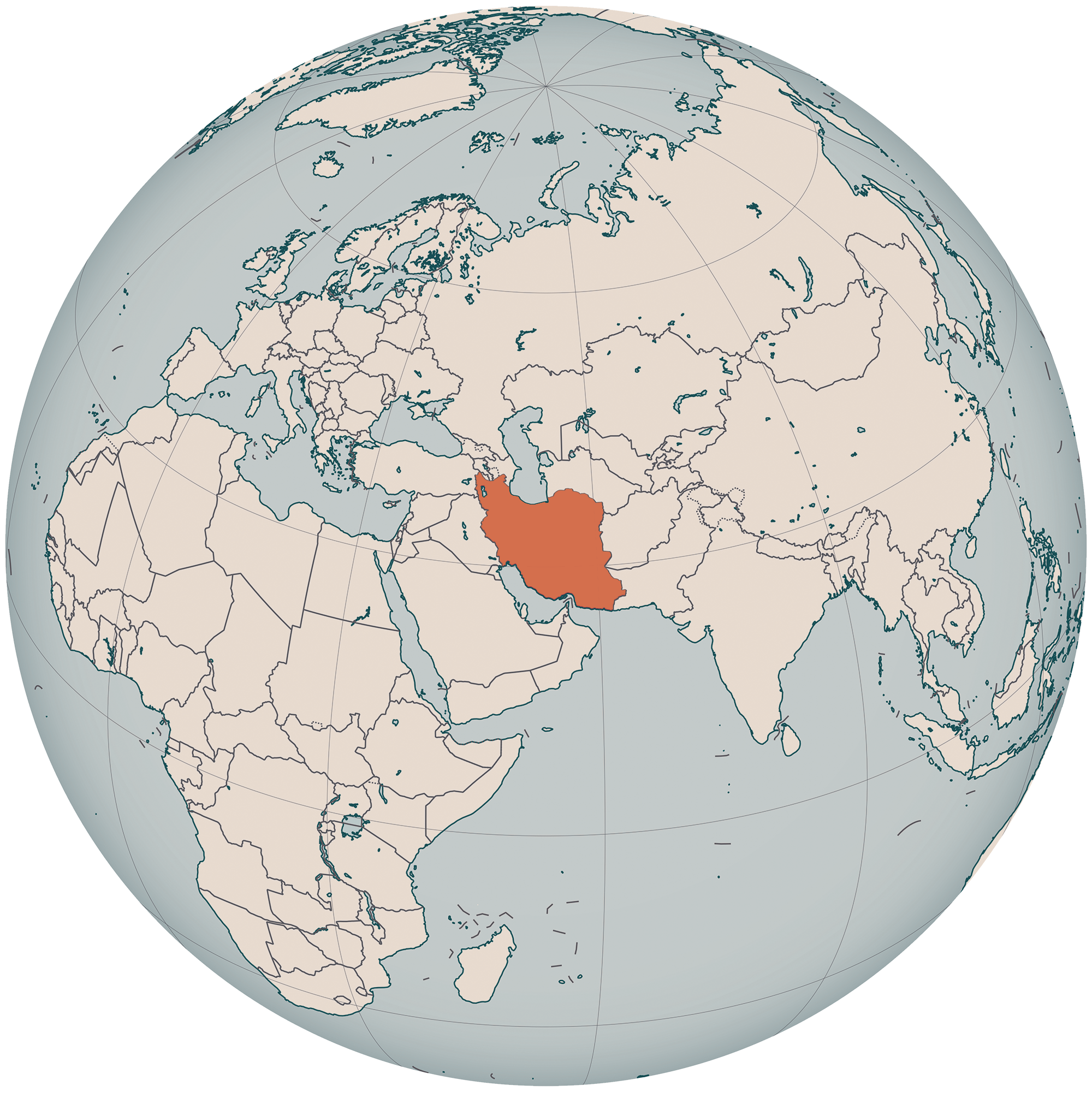
Dehtal is an extensive open-air archaeological and rock-art landscape in Bastak County, Hormozgan Province, southern Iran, within the northern hinterland of the Persian Gulf.
The site first became known through its petroglyphs, engraved on naturally dark-patinated boulders scattered across the plain south of Dehtal village and towards the surrounding valleys and foothills. The currently documented archaeological area has been reported at approximately 250 hectares, although the full extent of the landscape may prove greater as documentation continues.
The imagery includes ibex, horses, dogs, donkeys, snakes, scorpions, anthropomorphic figures, geometric and curvilinear forms, and other motifs. Ibex are by far the most frequent animal representation. Five representations interpreted as boats or ships have so far been documented at Dehtal.
Dehtal was initially recognised for its rock art, but later archaeological investigations transformed understanding of the site. The identification of Lower Palaeolithic evidence and Acheulean technology revealed a far deeper history of human activity in the landscape, making Dehtal increasingly important for discussions of early human presence in southern Iran.
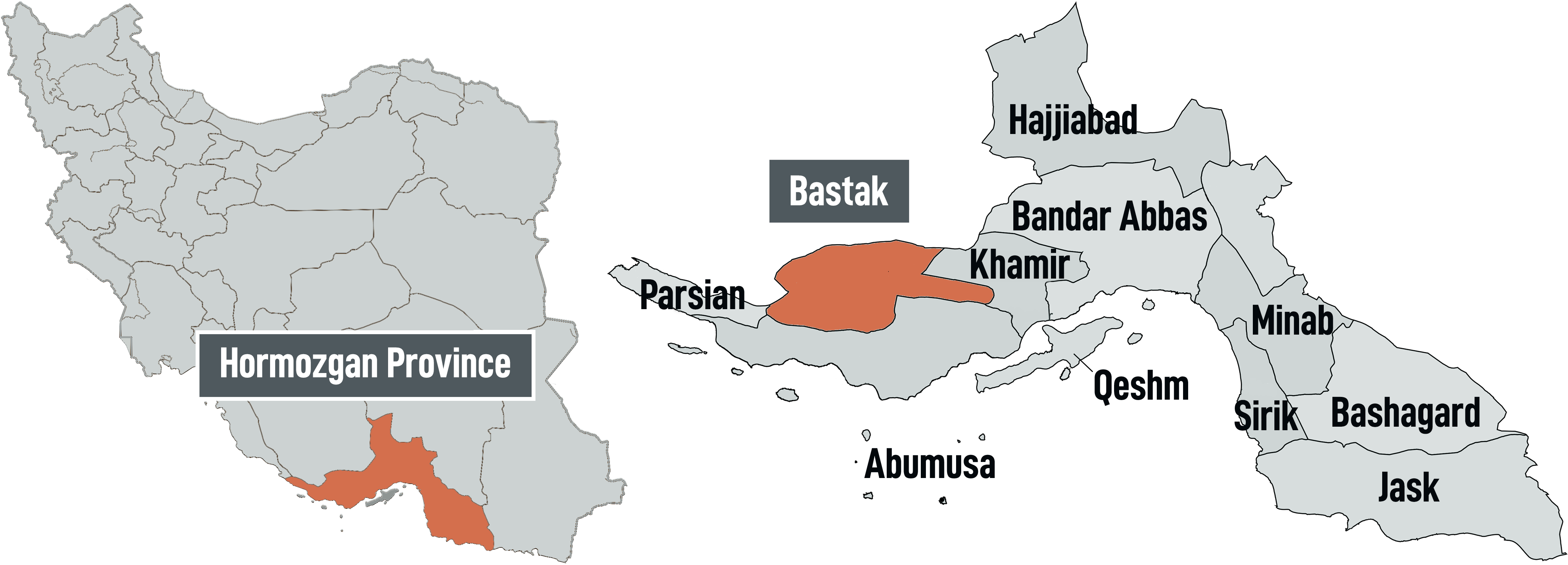
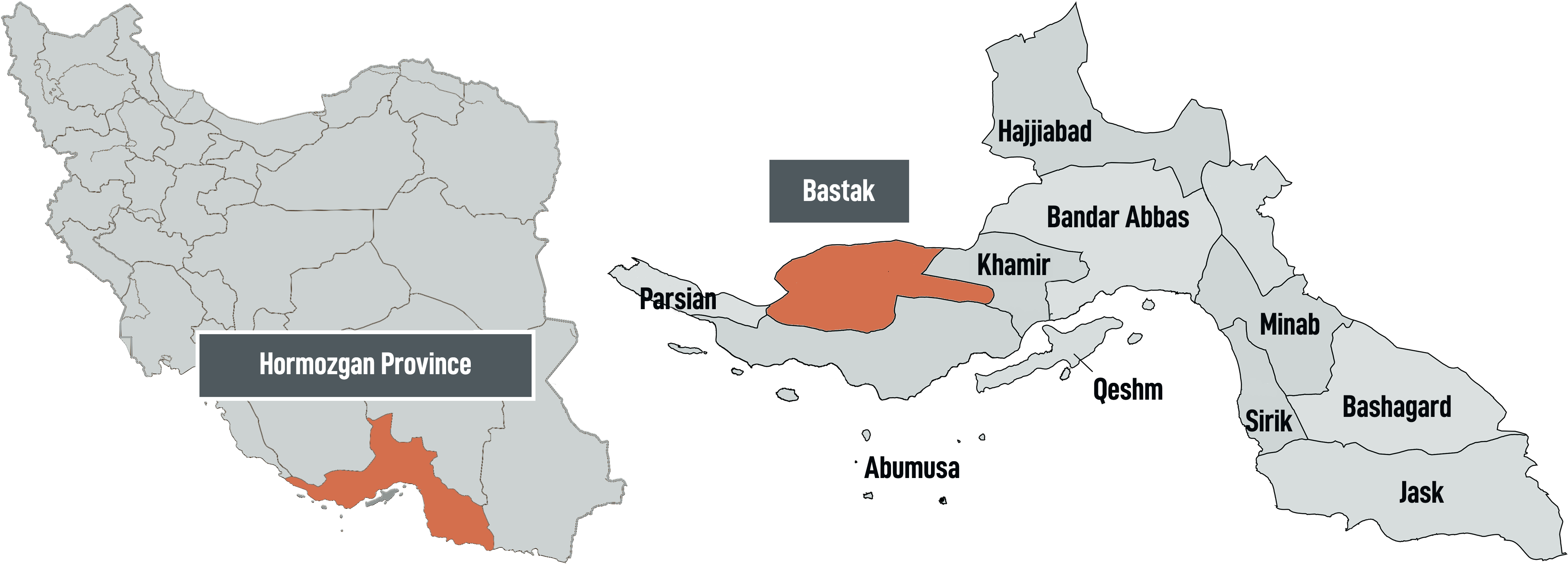
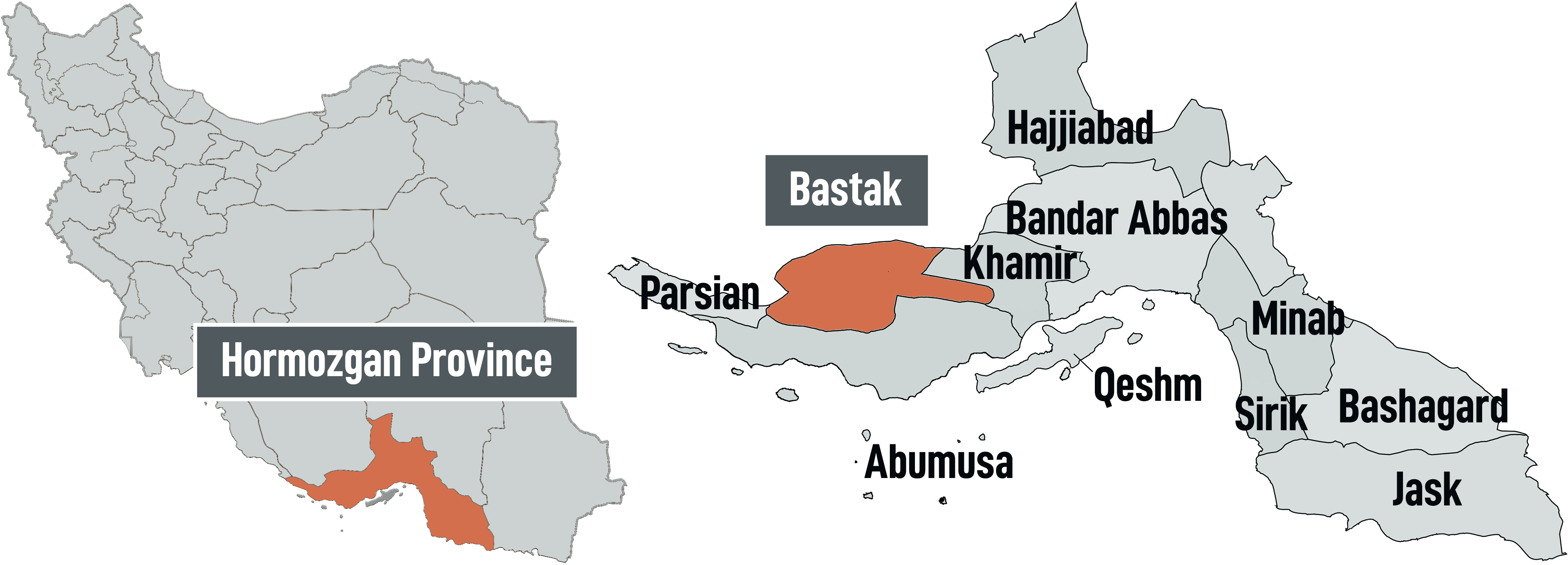
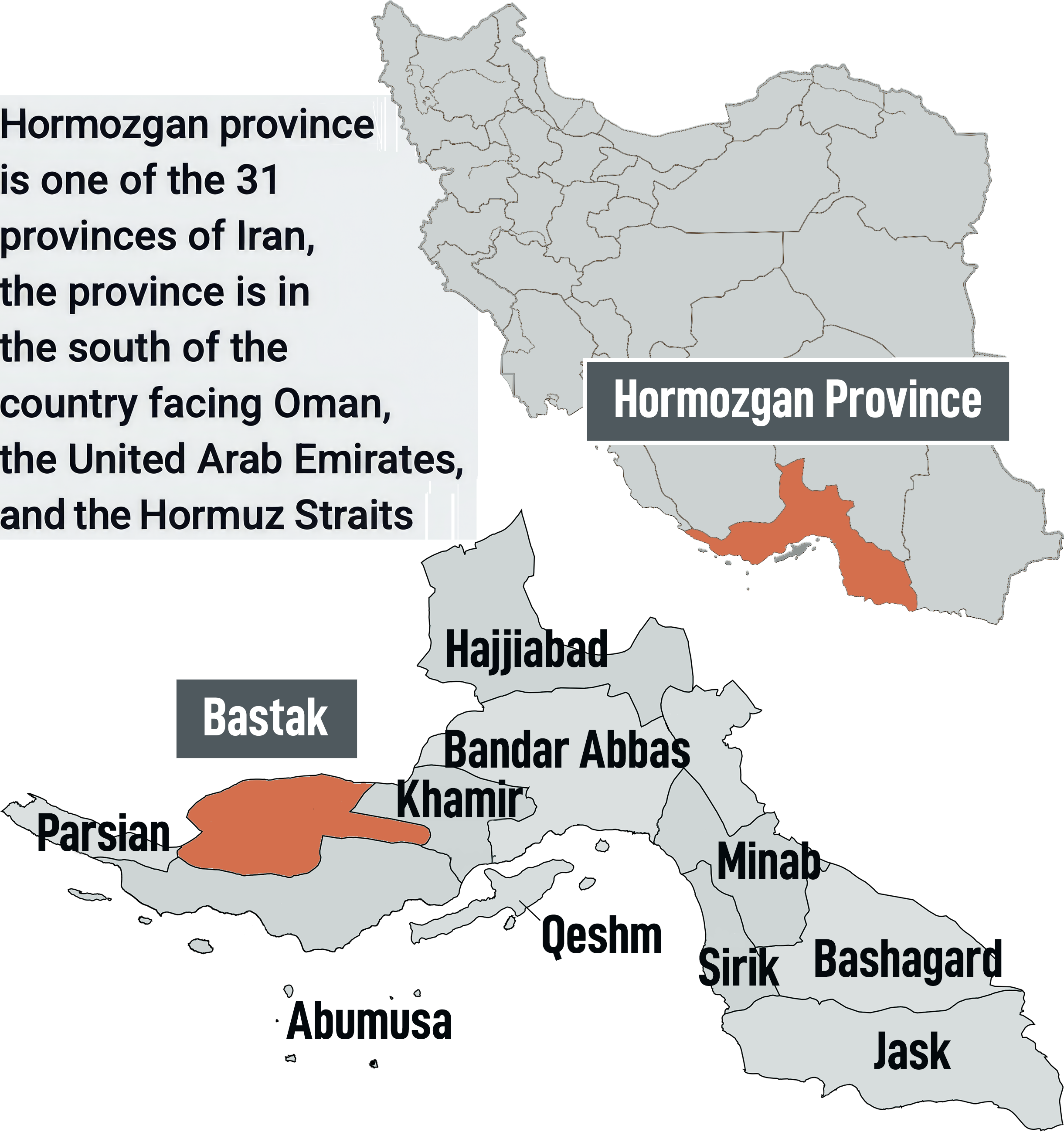
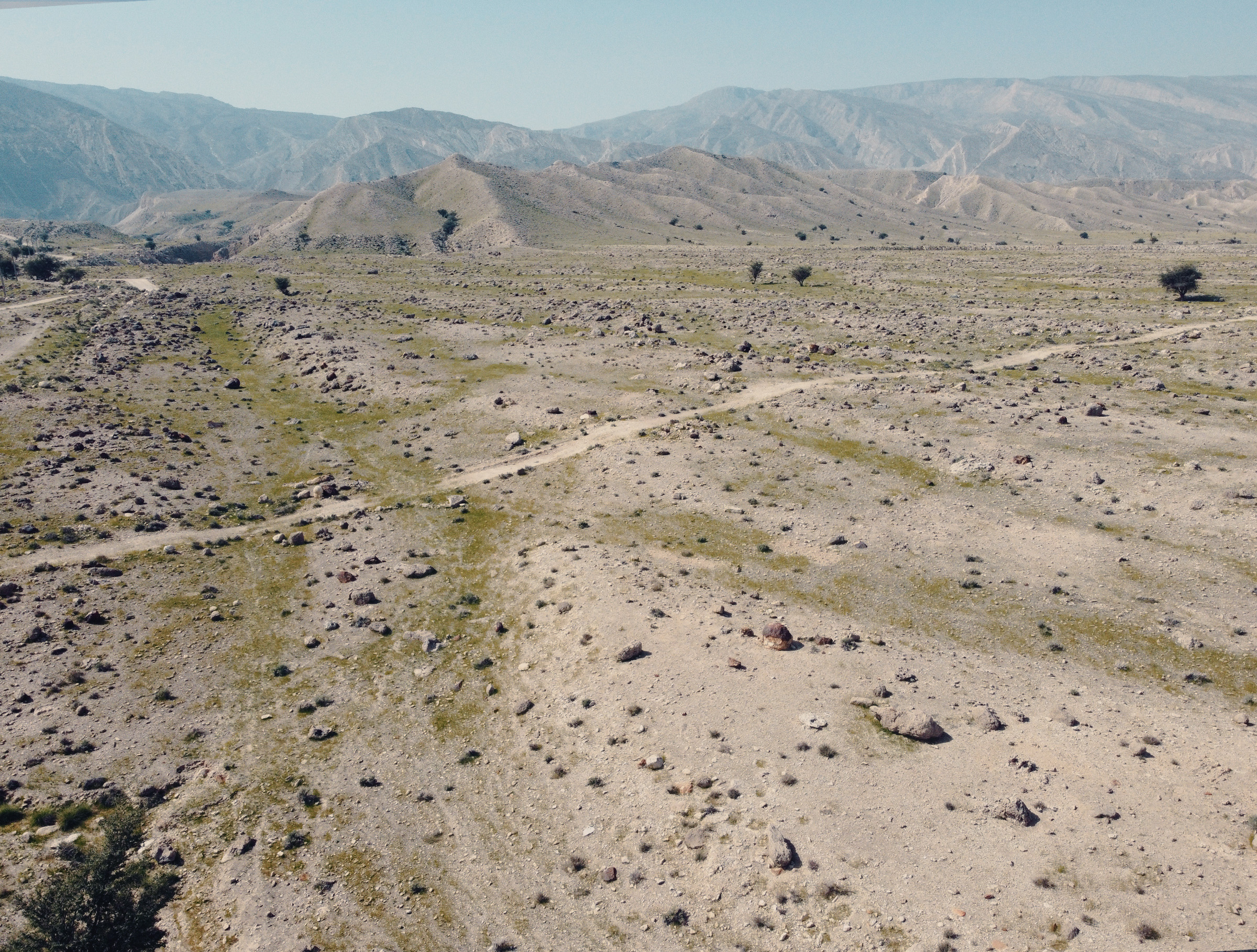
Dehtal lies in western Hormozgan Province in the Bastak region of southern Iran, between the southern Zagros and the Persian Gulf. The archaeological landscape extends from the plain south of the present village towards neighbouring valleys and foothills. Alluvial surfaces, seasonal drainage channels and fields of rounded boulders define much of the setting.
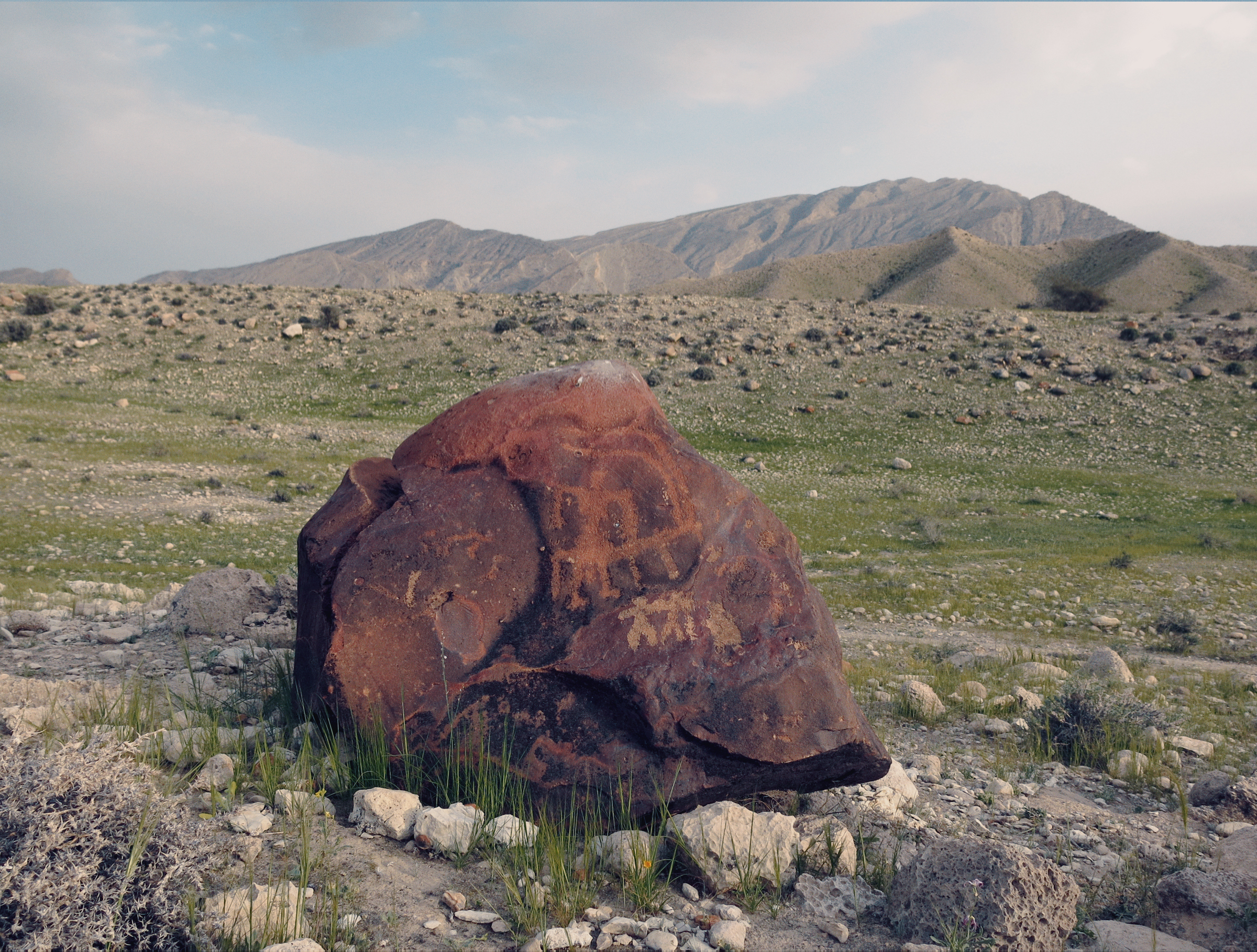
One of the characteristic features of Dehtal is the abundance of naturally rounded boulders with dark brown to almost black weathered surfaces. Unlike rock art concentrated on a single cliff or shelter, the engravings at Dehtal occur on freestanding stones distributed through the landscape. The relationship between image, stone and setting is therefore fundamental to understanding the site.
Most engravings were produced by pecking or percussion through the dark weathered surface, exposing lighter rock beneath. Linear or incised elements also occur.
The degree of patination, weathering, visibility and execution varies considerably. Some motifs retain a strong contrast with the surrounding surface, while others have become much fainter through weathering and repatination.
Some boulders carry a single image, while others preserve dense combinations of motifs. Differences in patination, technique and superimposition suggest that some surfaces accumulated imagery over time rather than being engraved in a single episode.
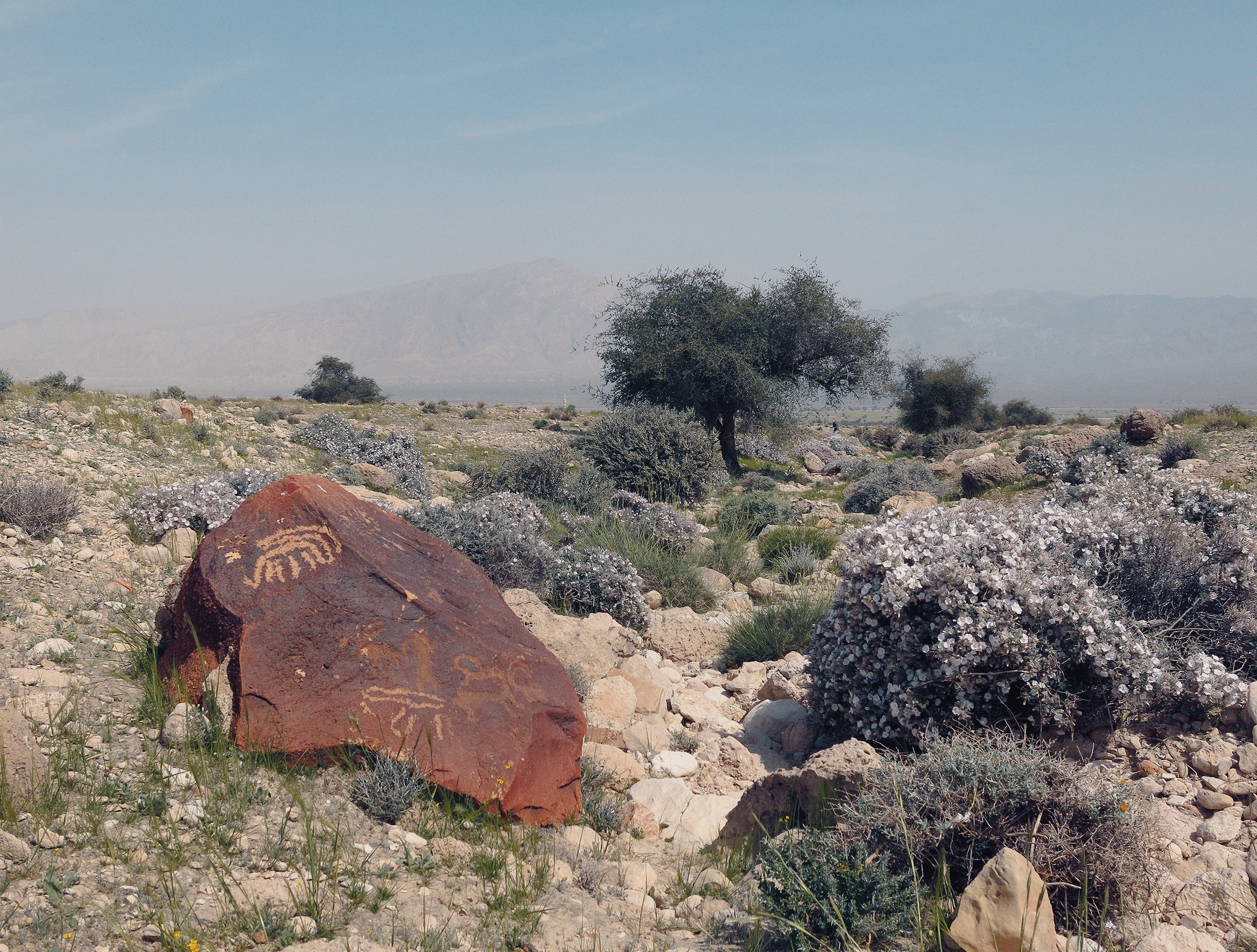
in spring landscape
and ibex figures
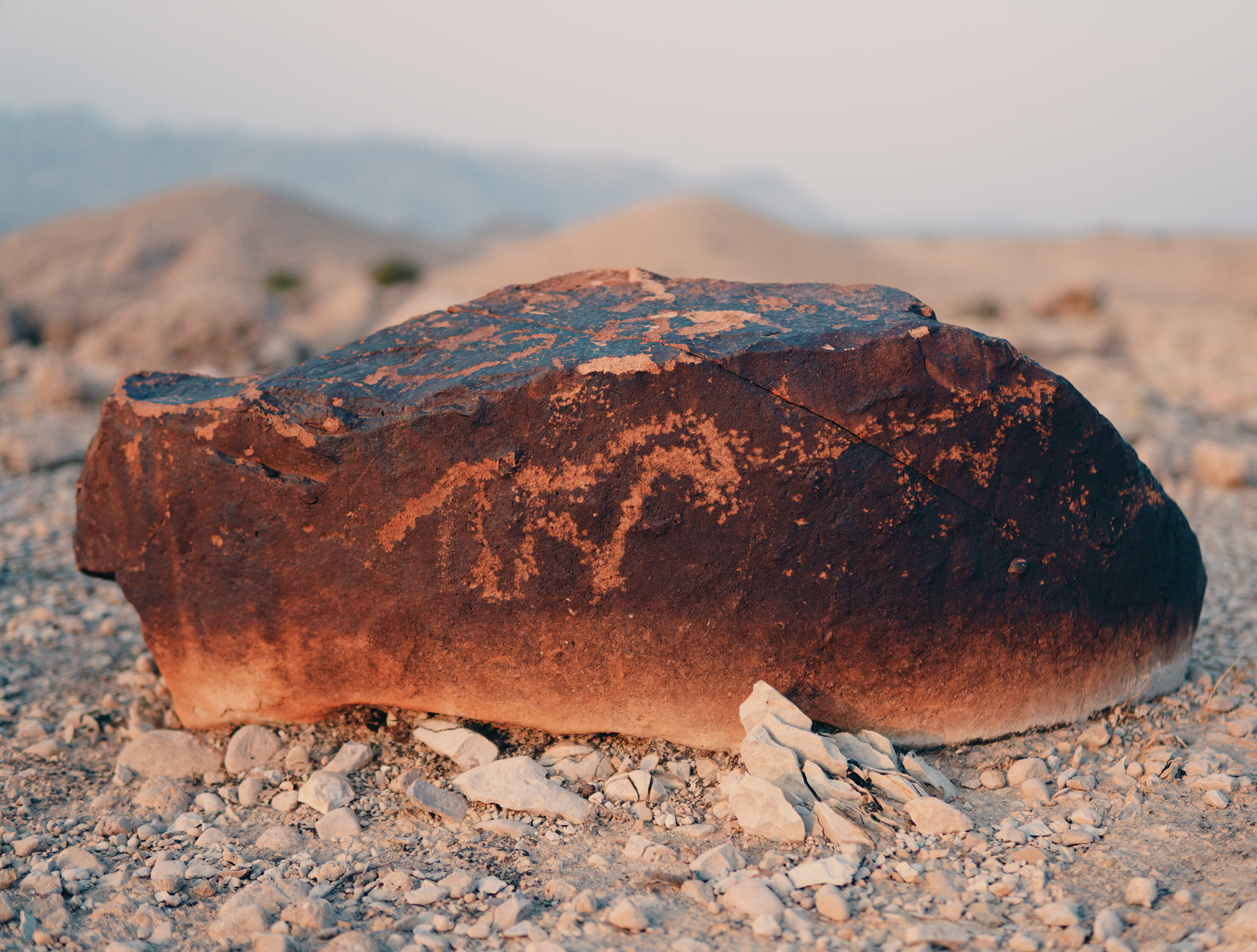
petroglyph on dark boulder
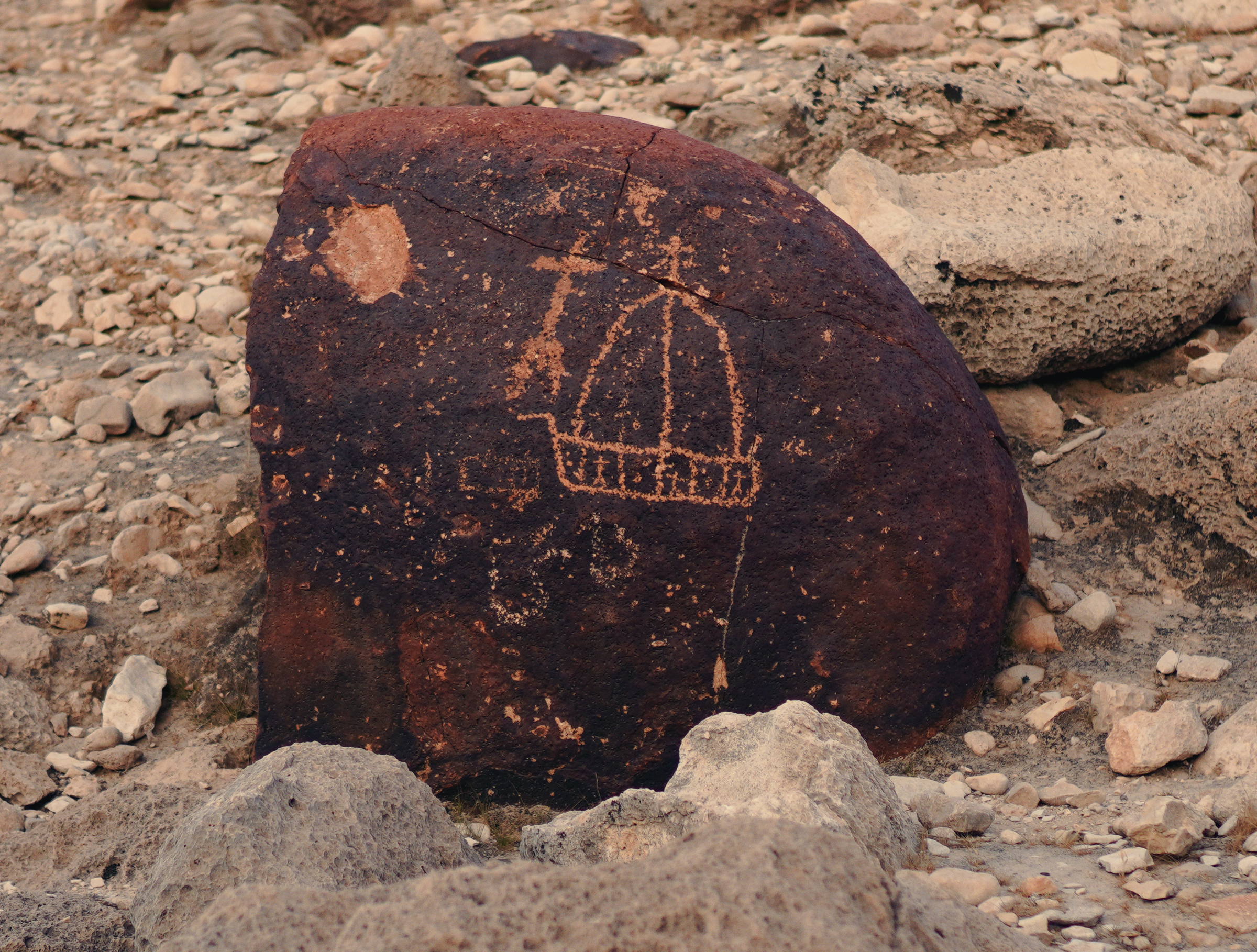
petroglyphs above valley
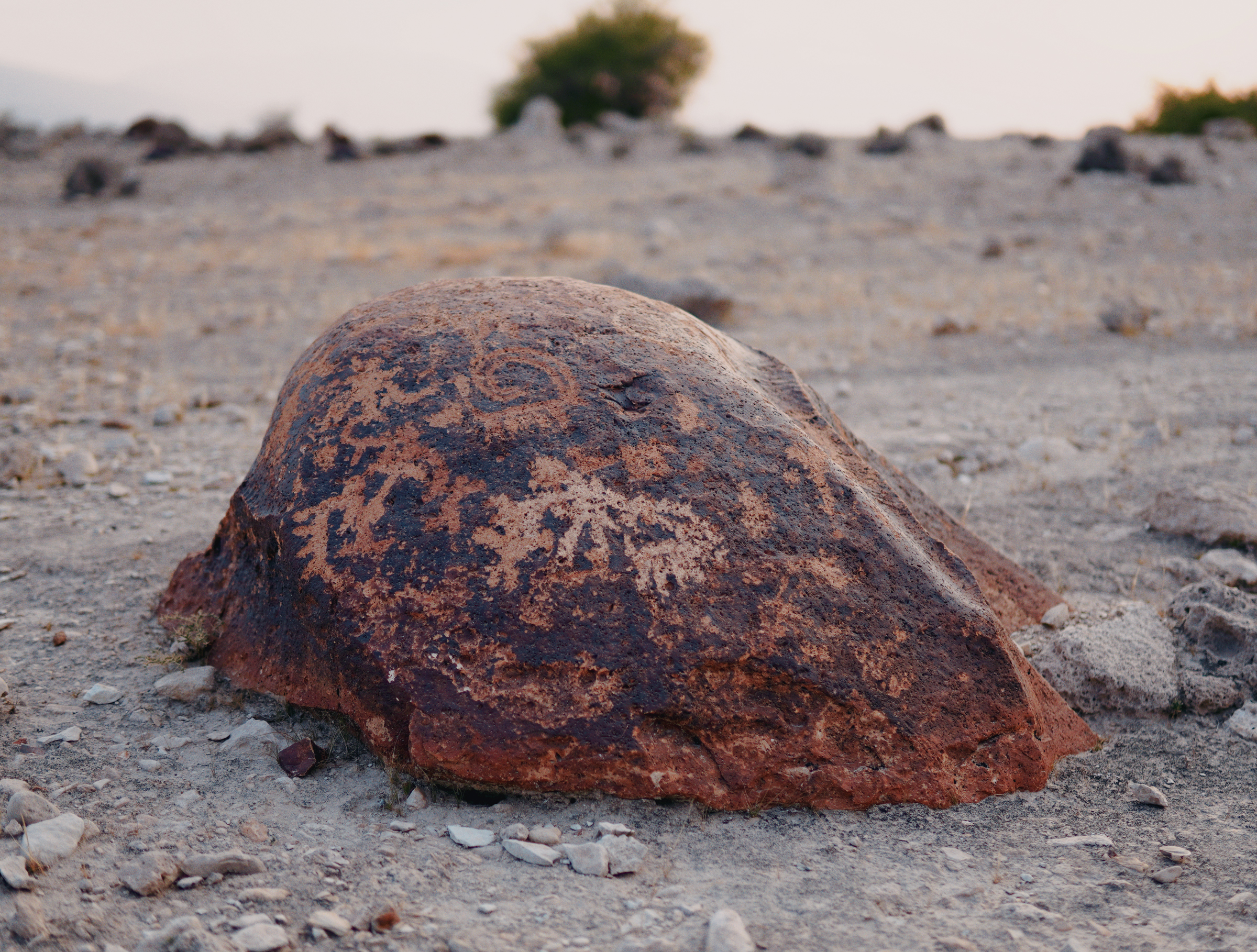
curved horns
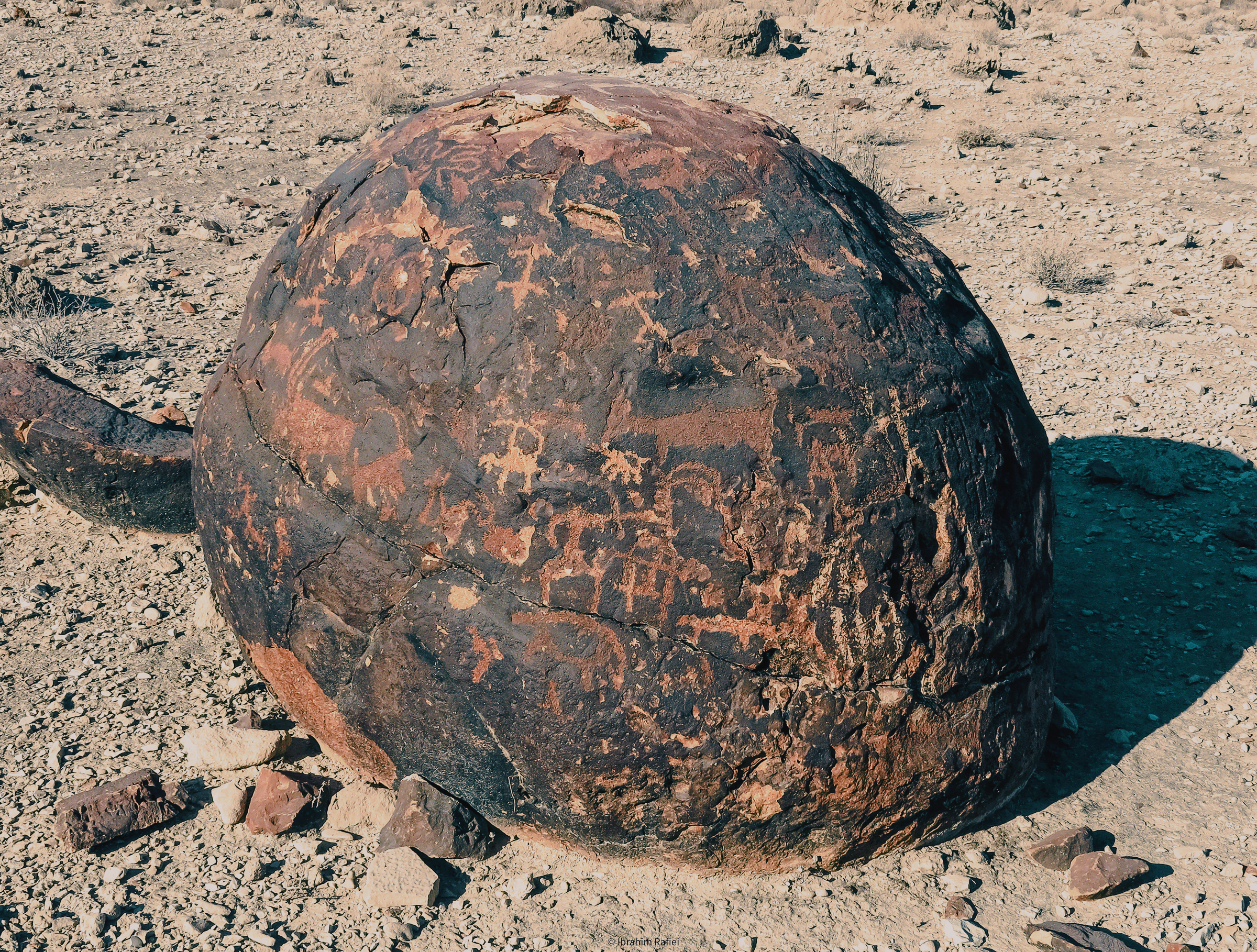
diverse petroglyphs
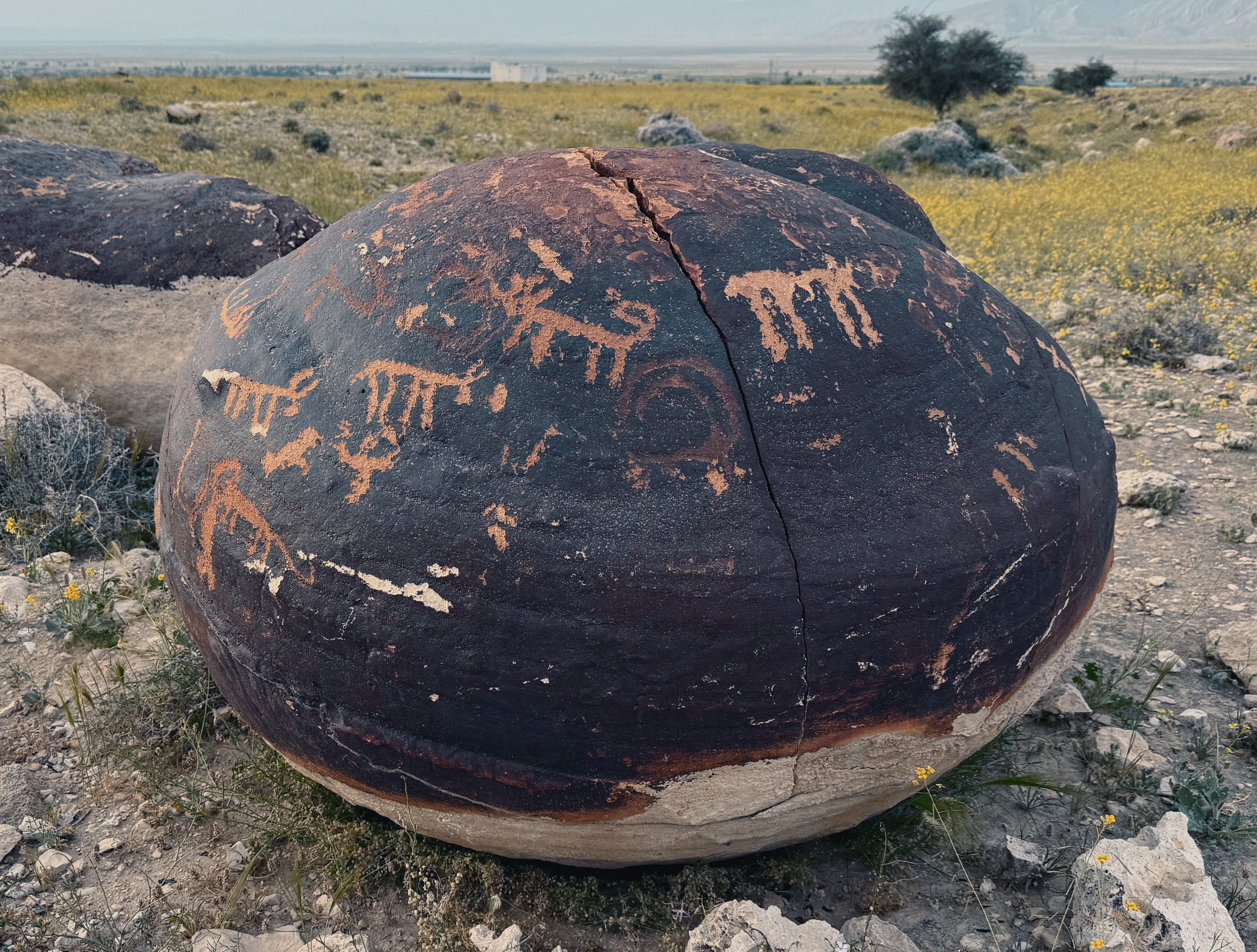
multiple animal figures
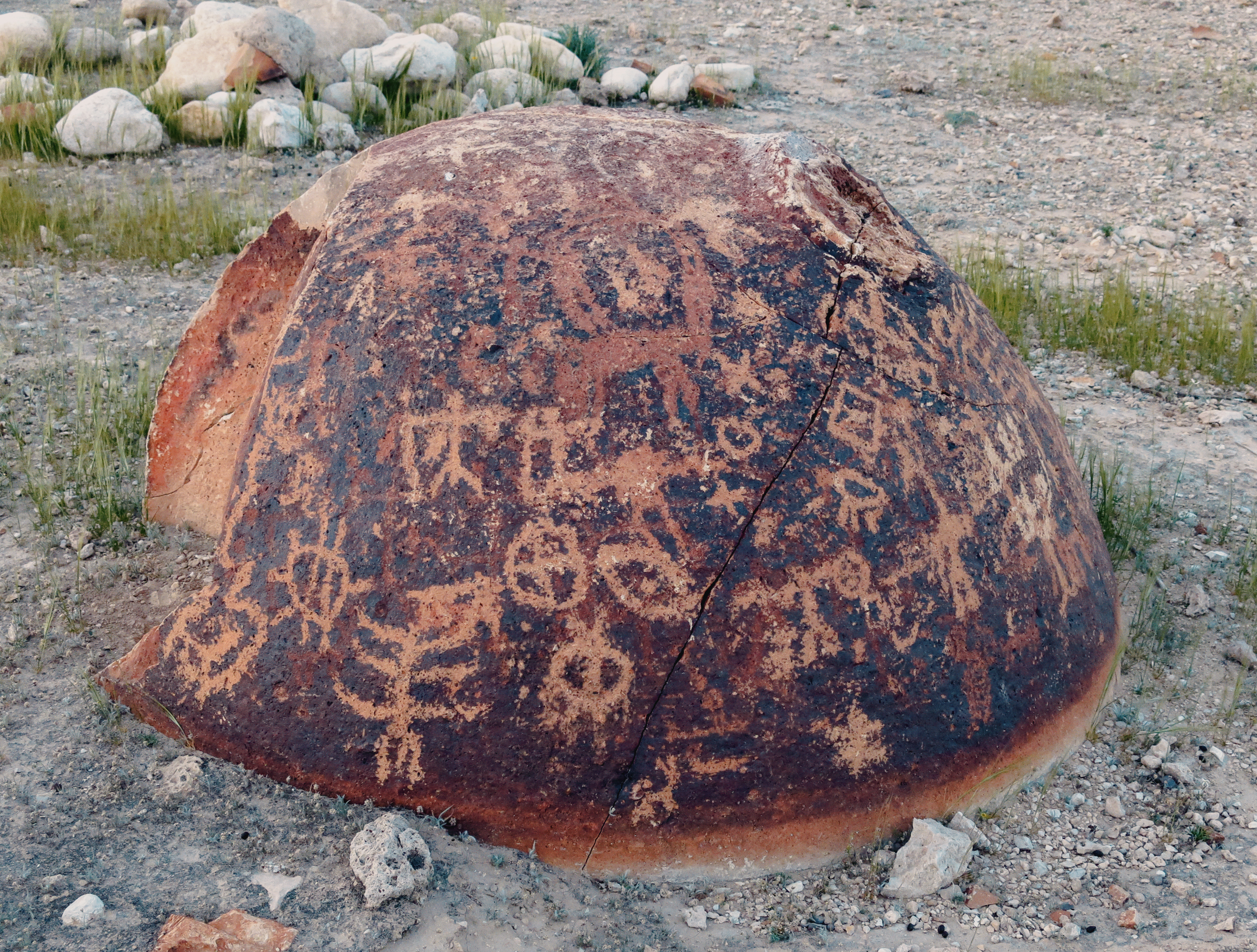
of diverse figures
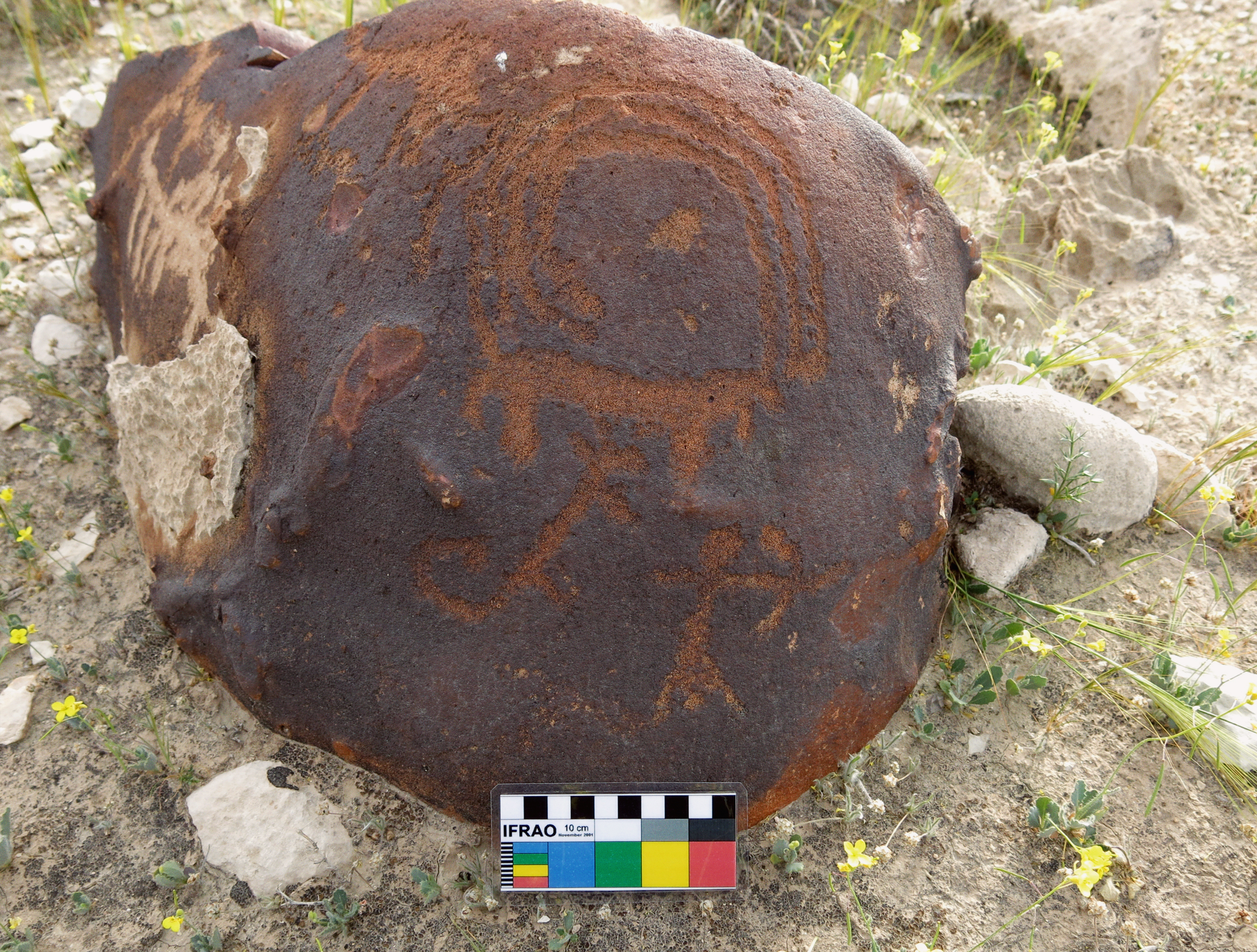
ibex and other motifs
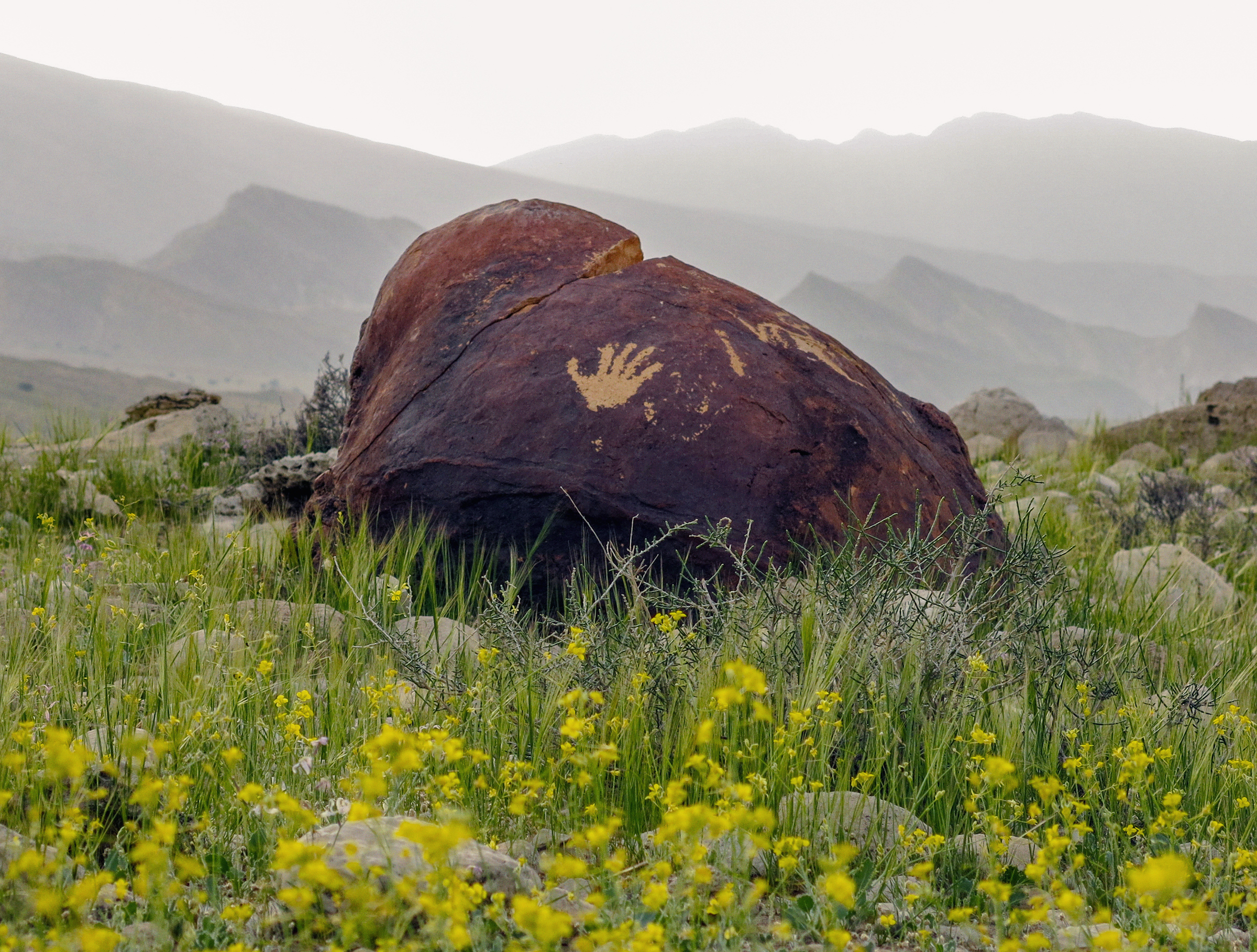
Dehtal landscape during spring
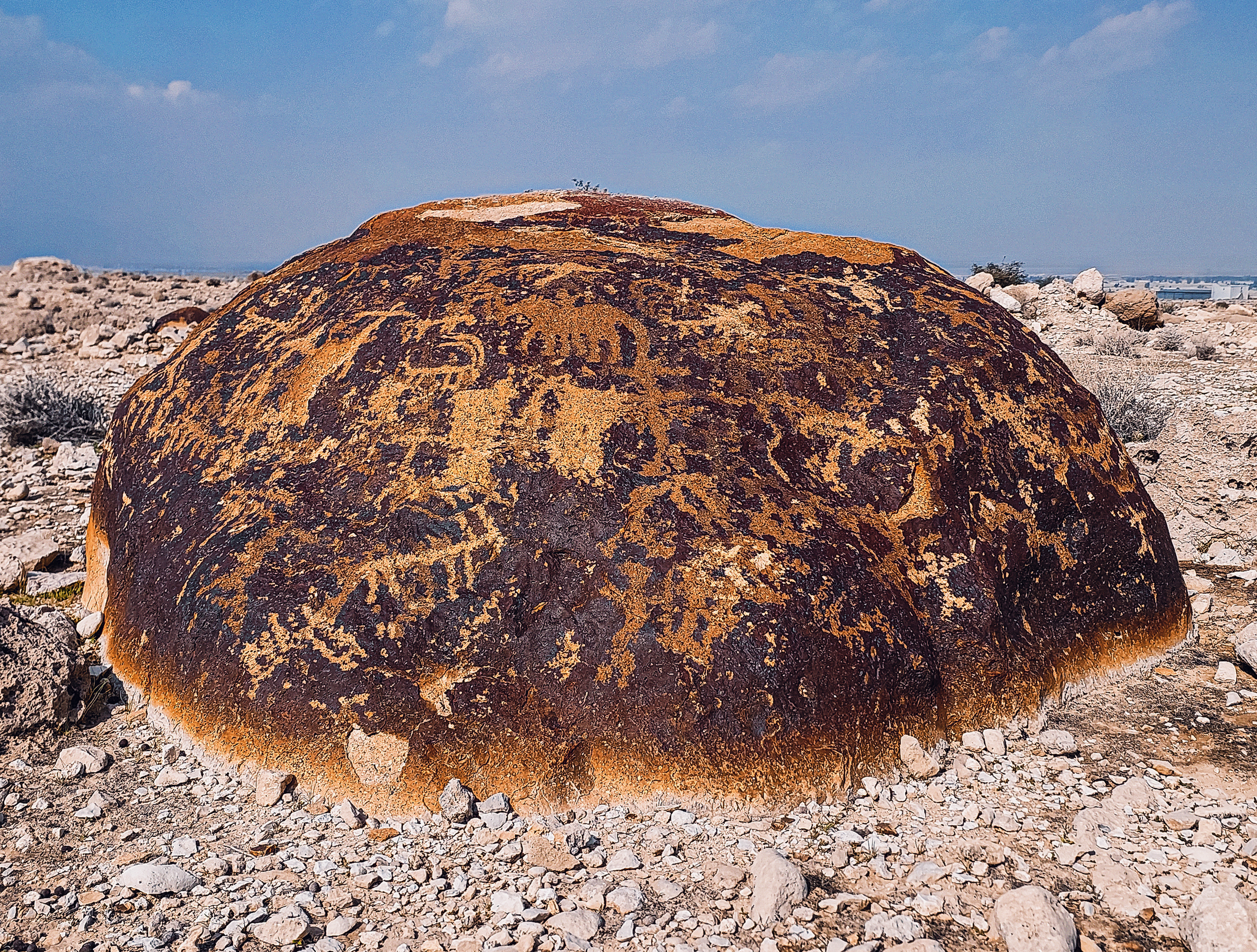
densely covered with petroglyphs
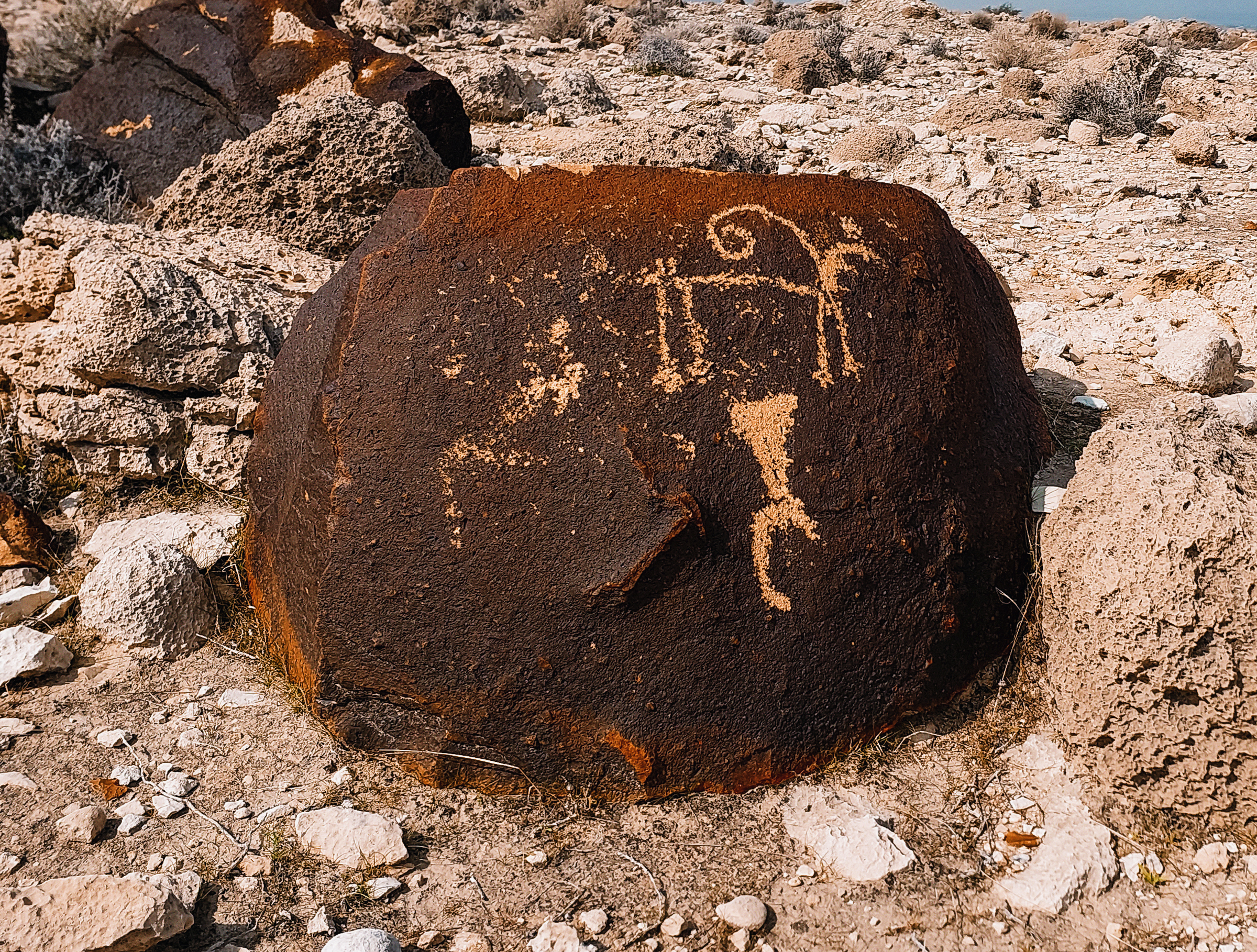
prominent curved horns
Animal representations form one of the most diverse components of the Dehtal rock art. Documented figures include ibex, horses, dogs, donkeys, scorpions, snakes and other animals.
Among these, ibex are by far the most frequent animal motif and constitute one of the defining elements of the Dehtal repertoire. They occur in different forms and styles, both as isolated figures and in association with other animals, anthropomorphic figures and additional motifs.
The wider variety of animal imagery provides an important basis for future study of relationships between fauna, environment and the communities that created these images. Species-level identification should remain cautious where anatomical features are ambiguous.
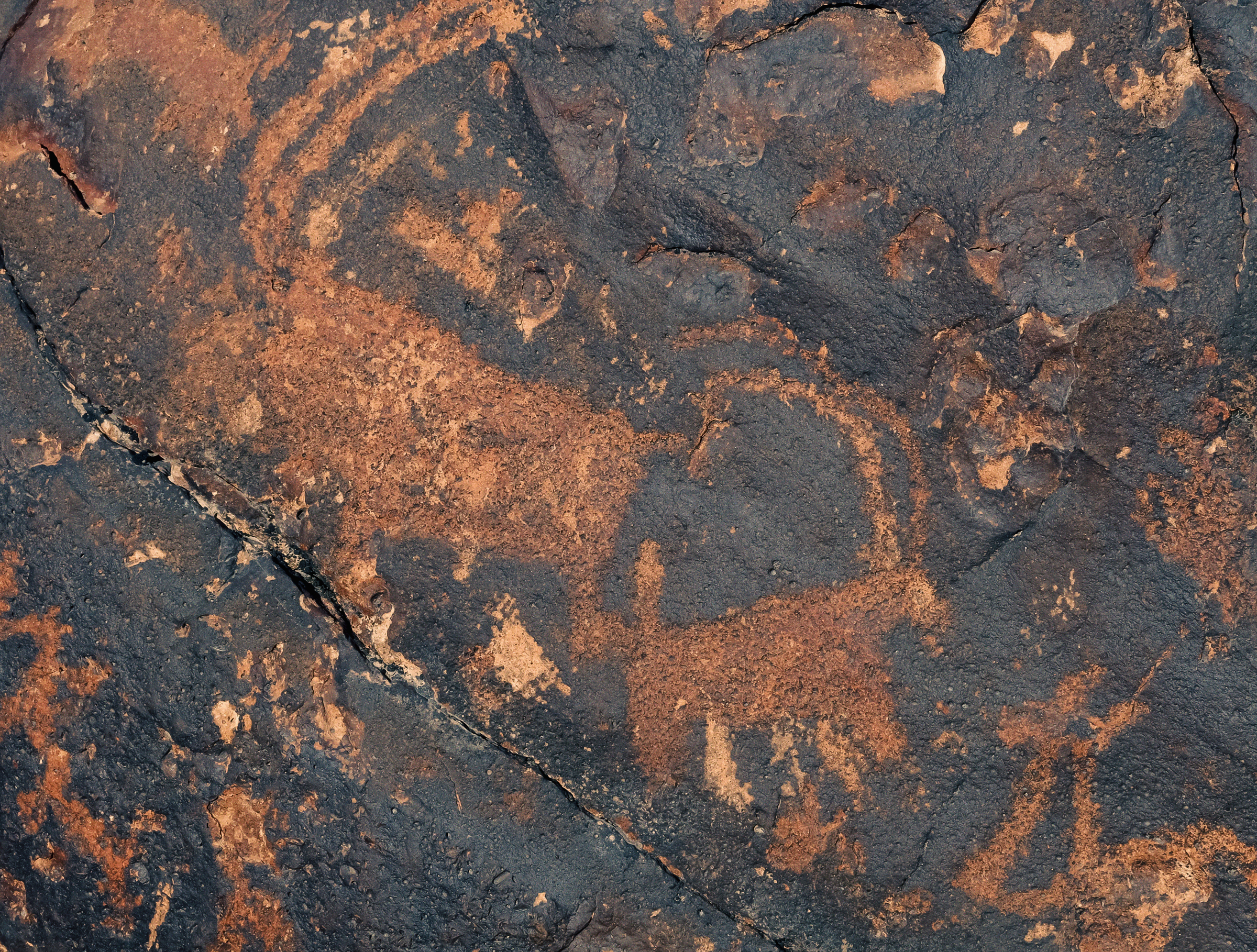
with contrasting forms
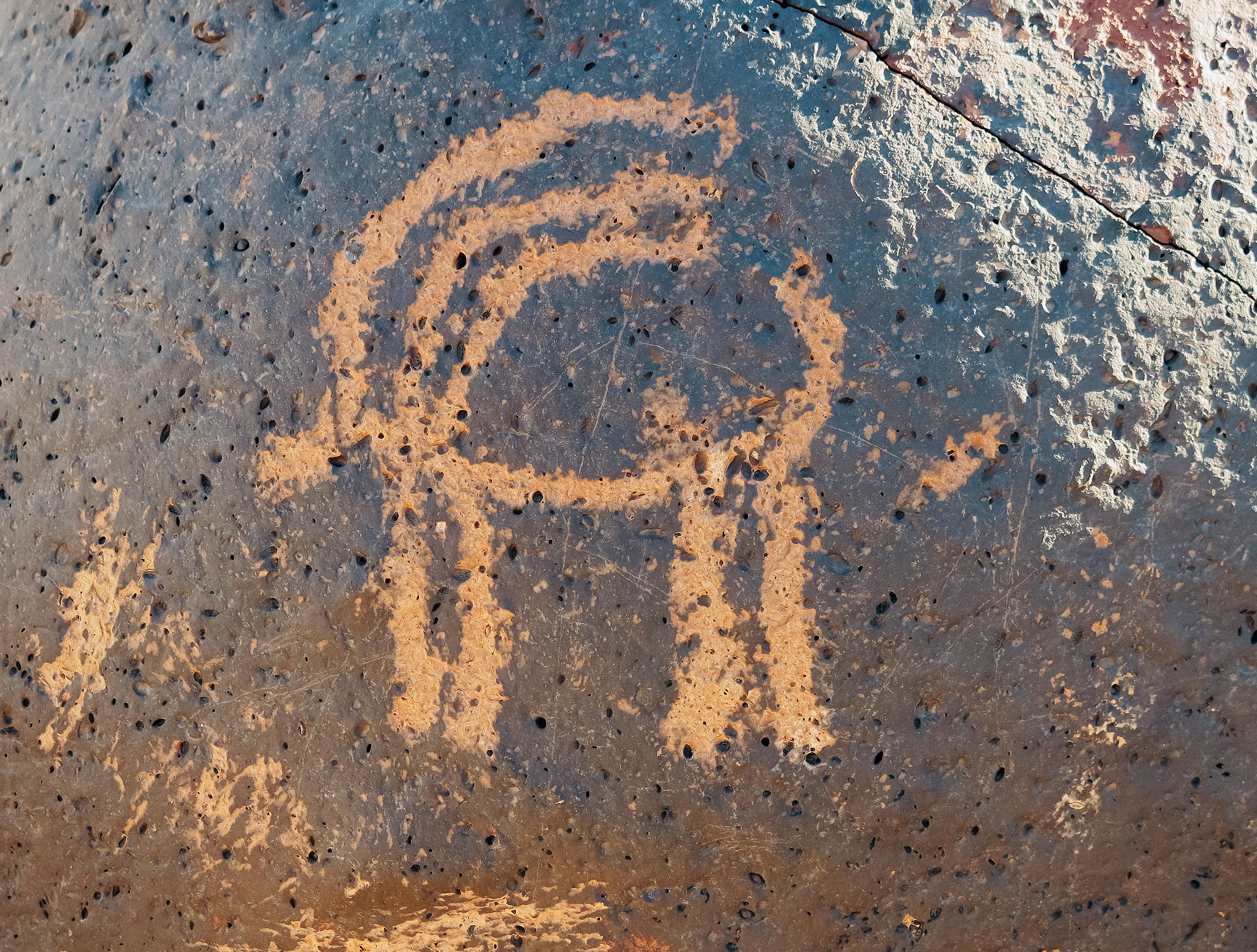
large curved horns
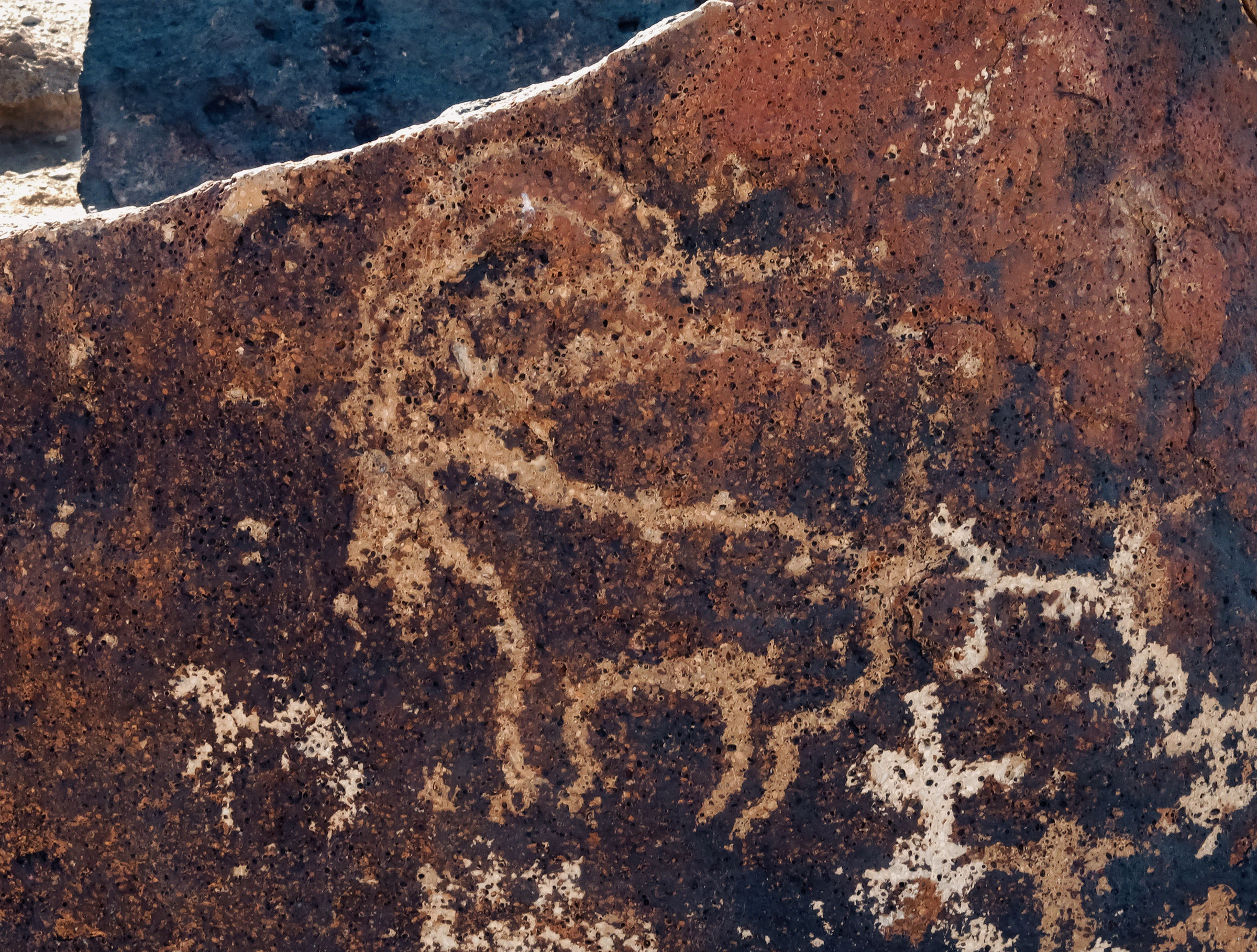
ibex petroglyph
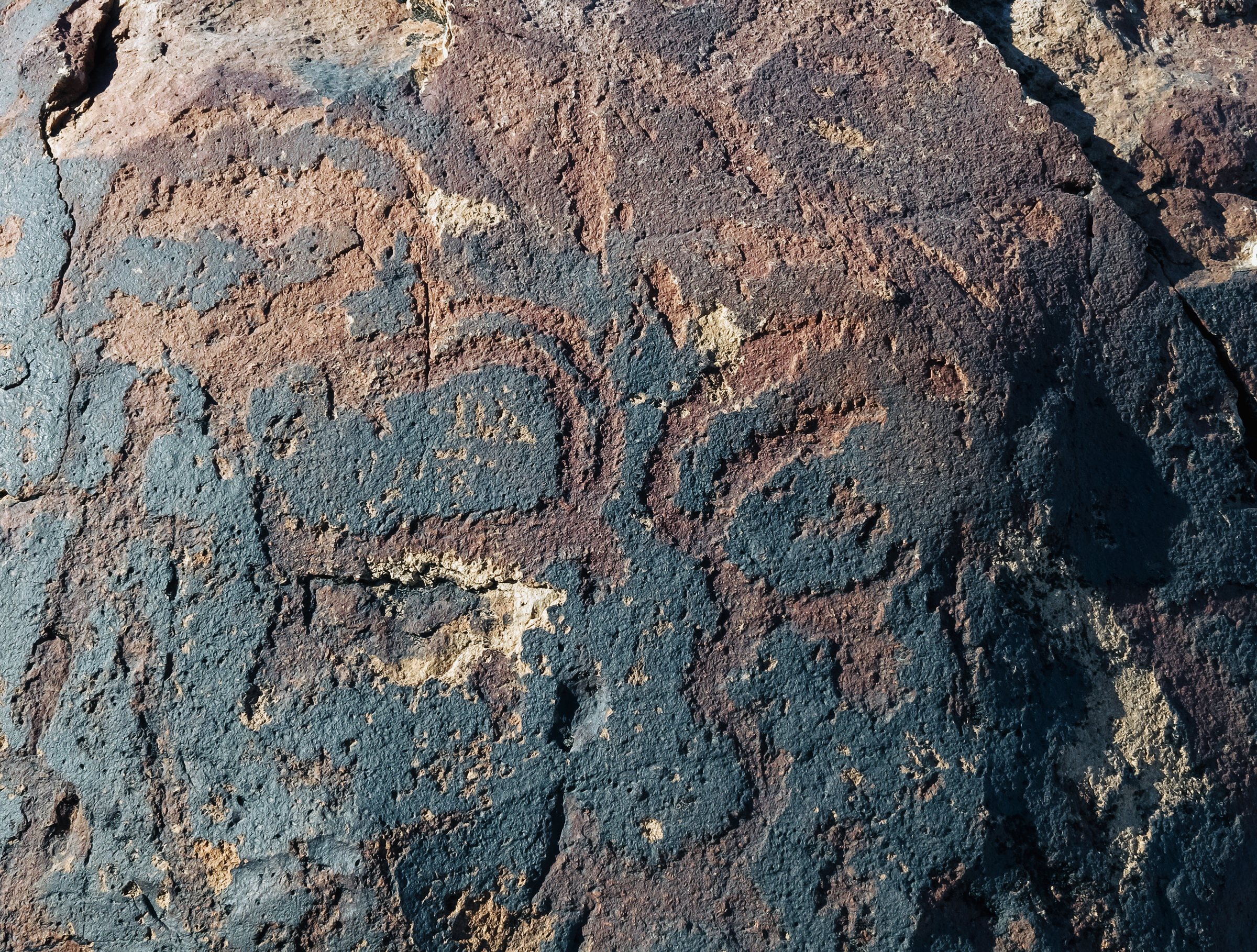
close in colour to the surrounding rock
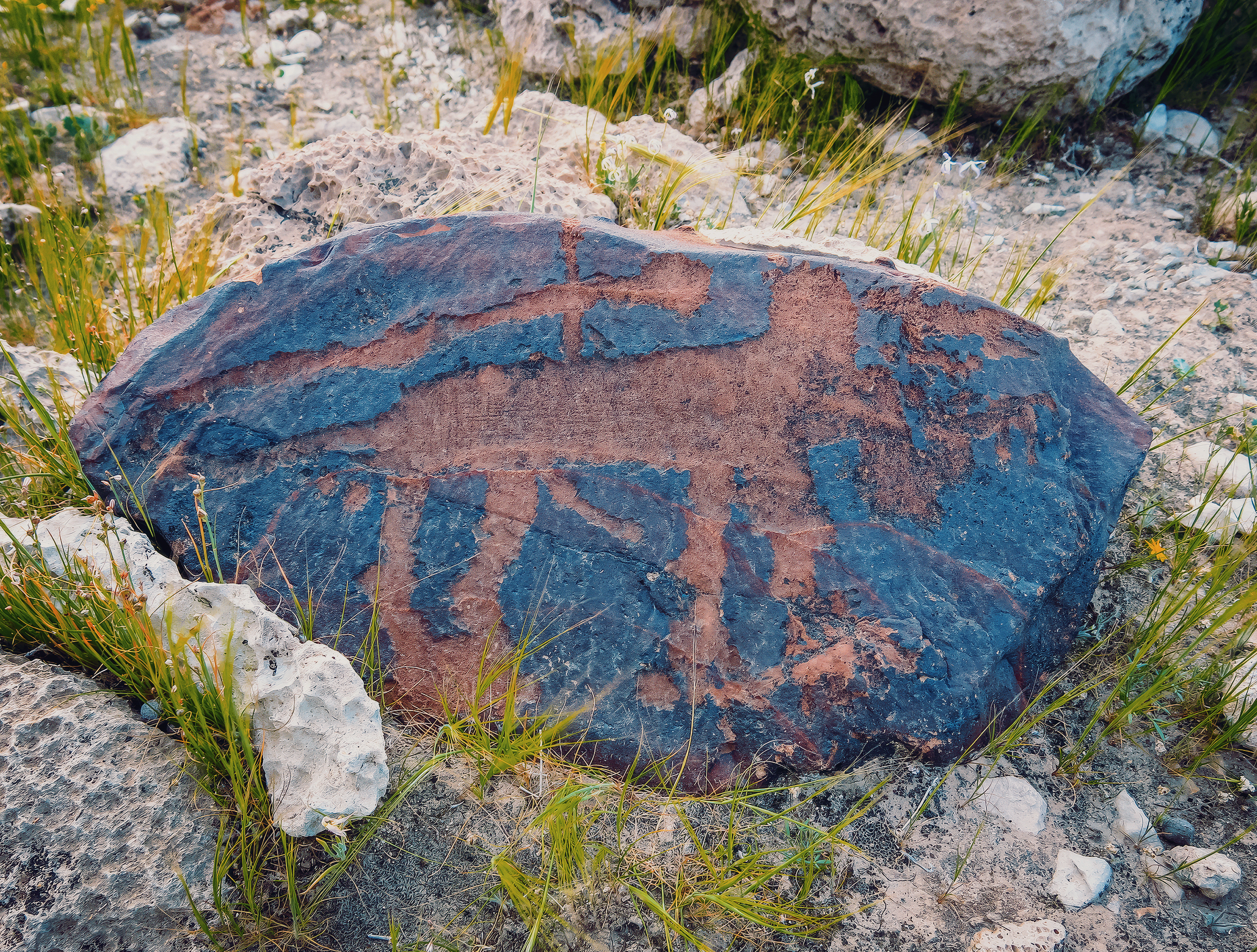
an exceptionally long tail
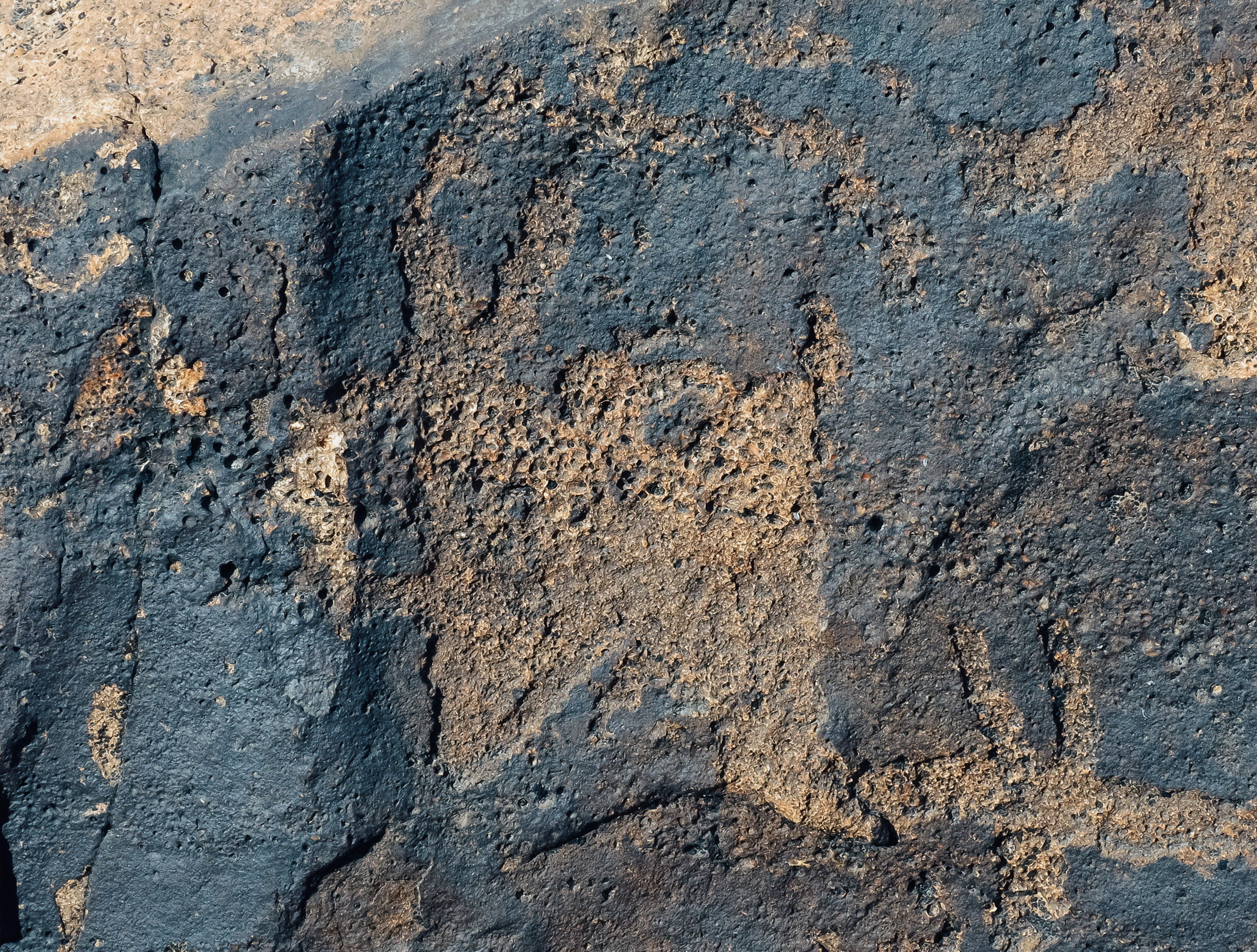
different stylistic form
Anthropomorphic figures occur in several forms, from isolated schematic figures to compositions associated with animals, geometric forms or other human figures.
Some boulders preserve dense combinations of human, animal and other imagery. These complex panels may provide important evidence for understanding relationships among motifs and different phases of engraving. Interpretations such as hunting, ritual or narrative scenes should remain cautious unless the spatial relationships between individual figures provide clear contextual evidence.
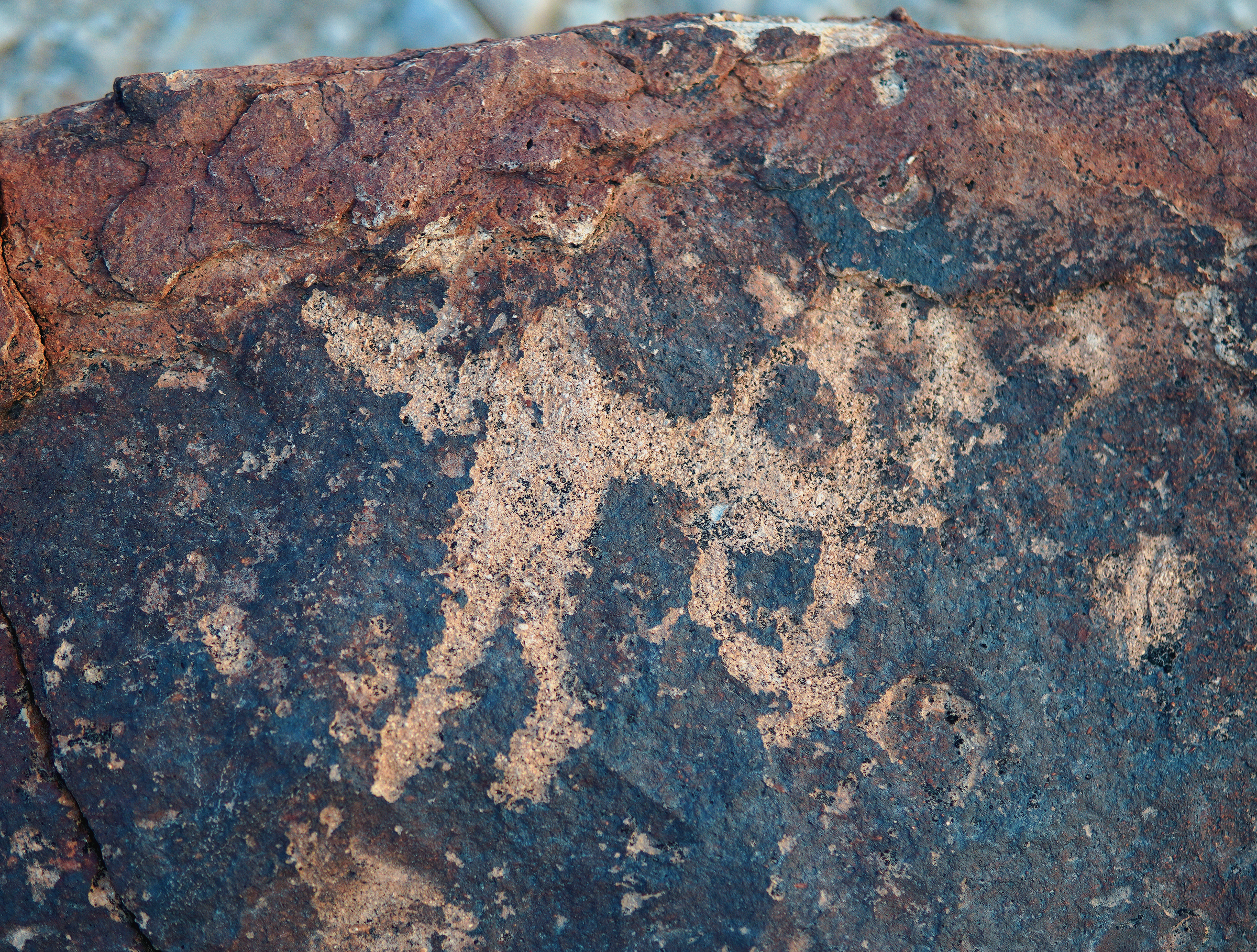
possible hunting implement
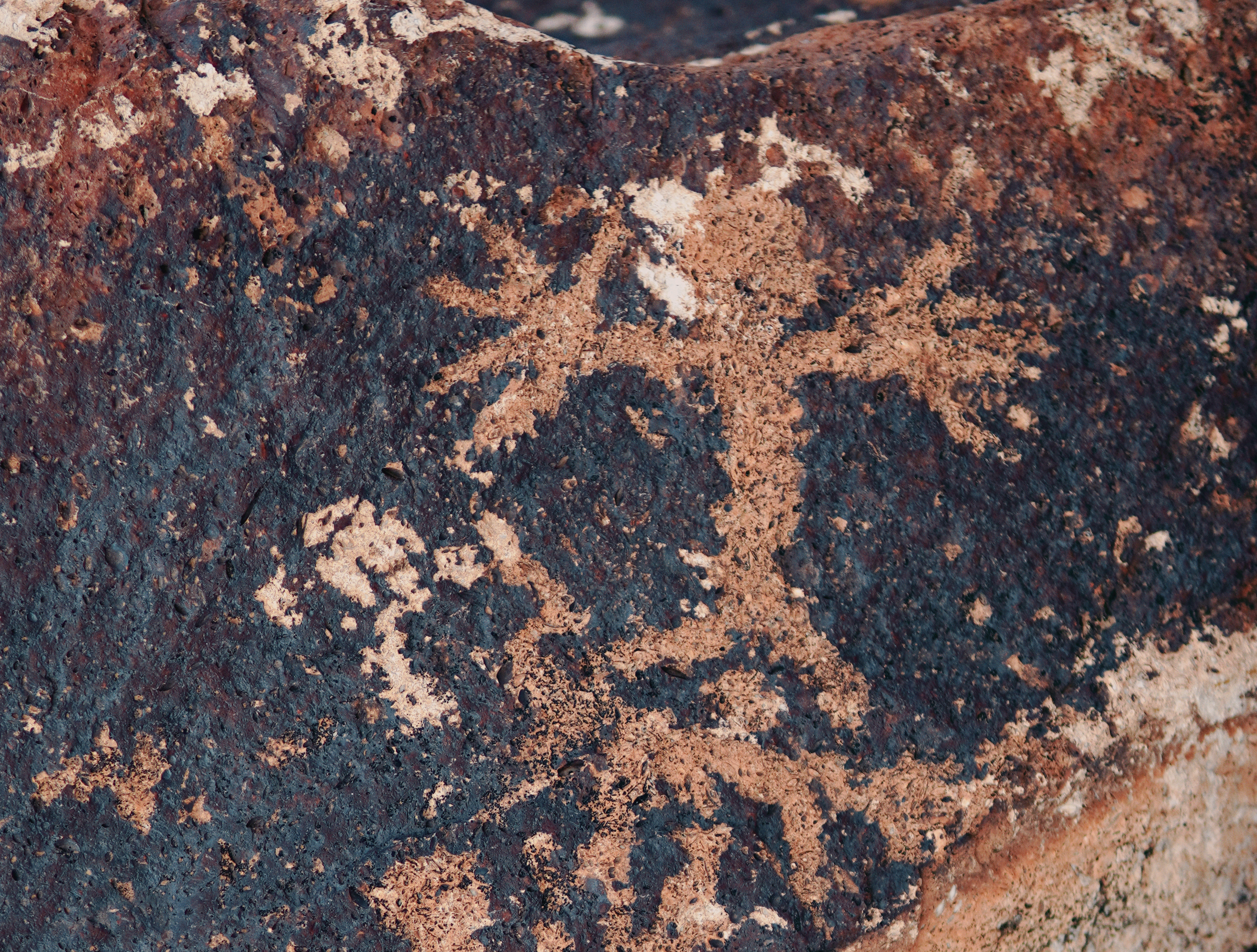
outstretched arms
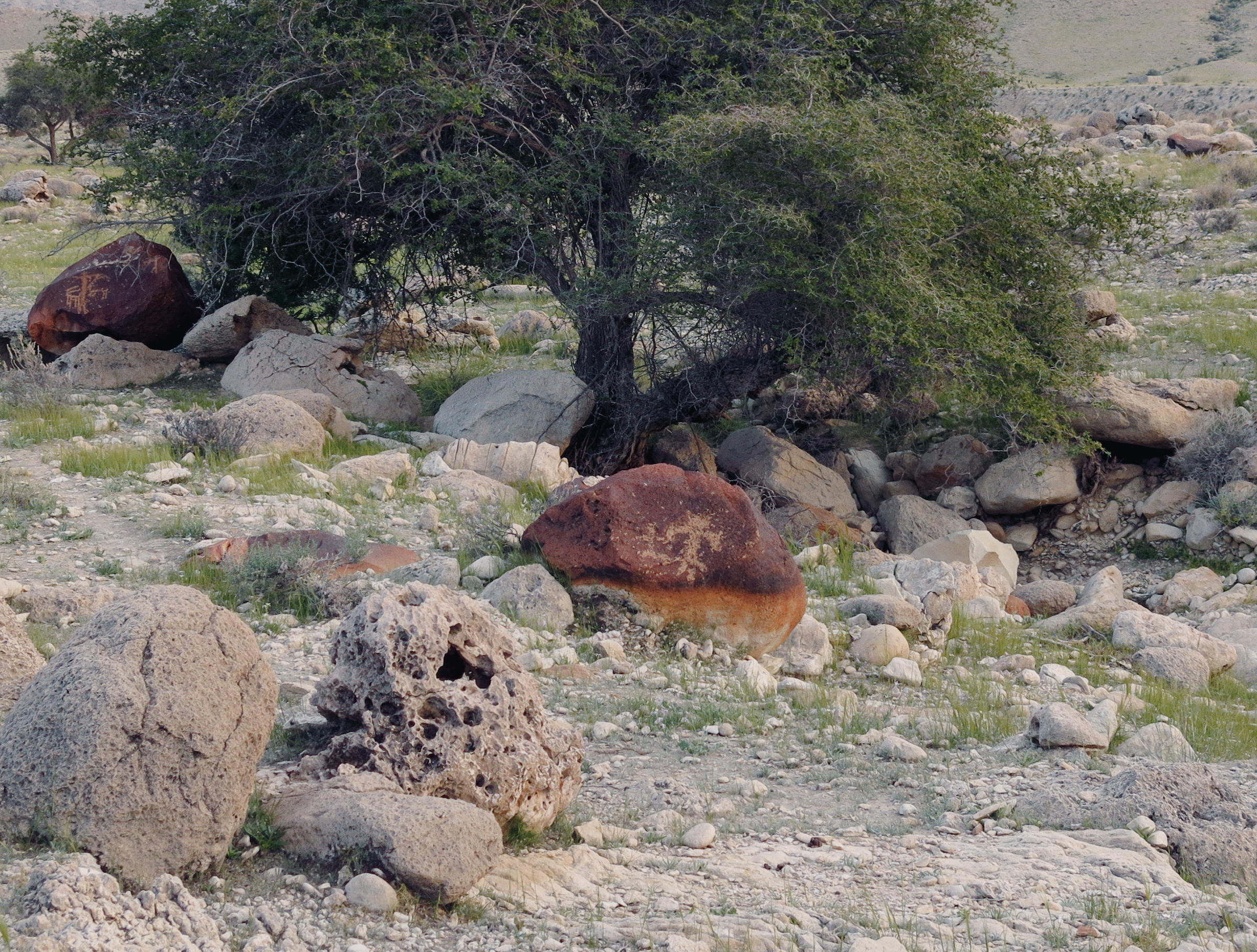
beside a native tree, Dehtal landscape
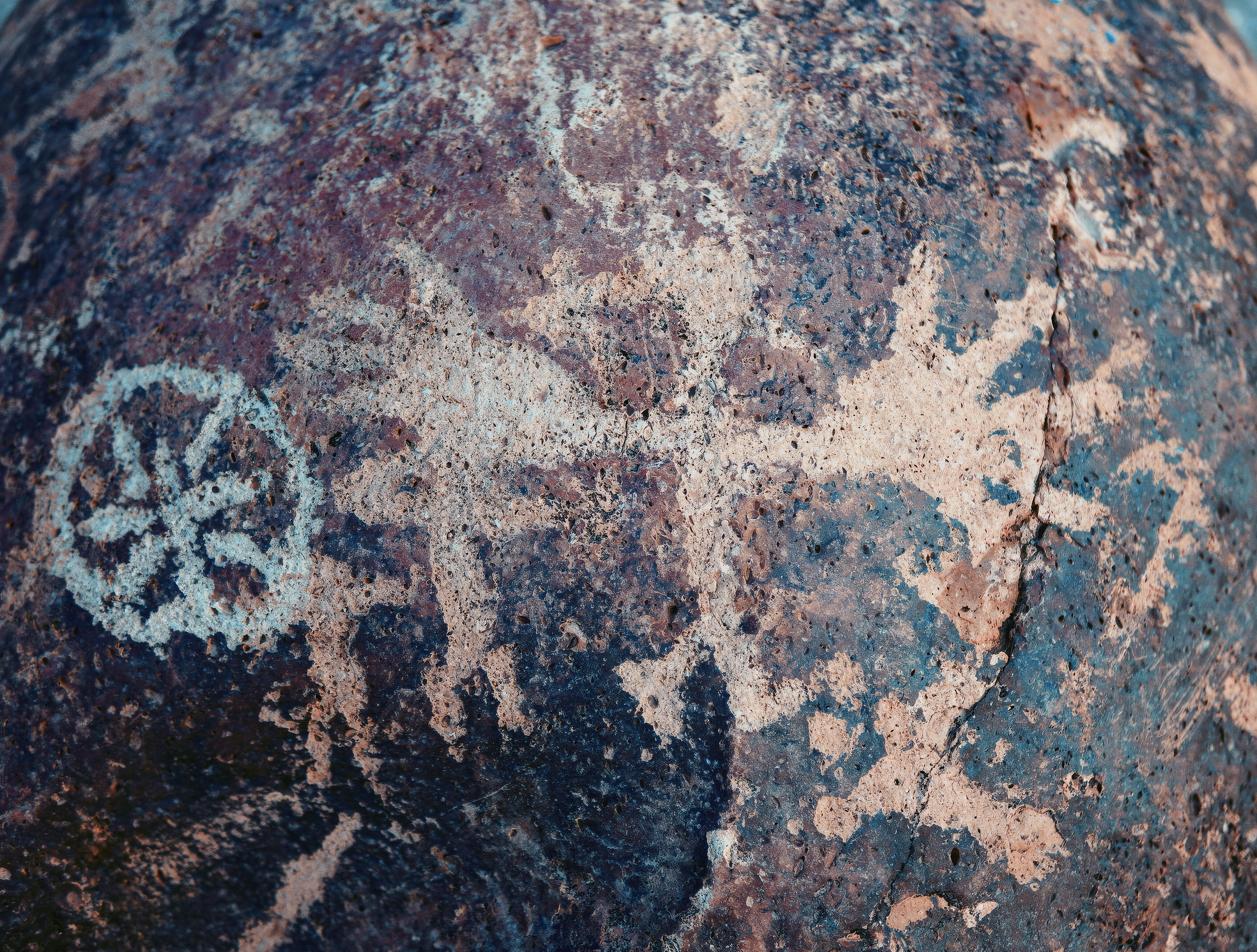
outstretched arms
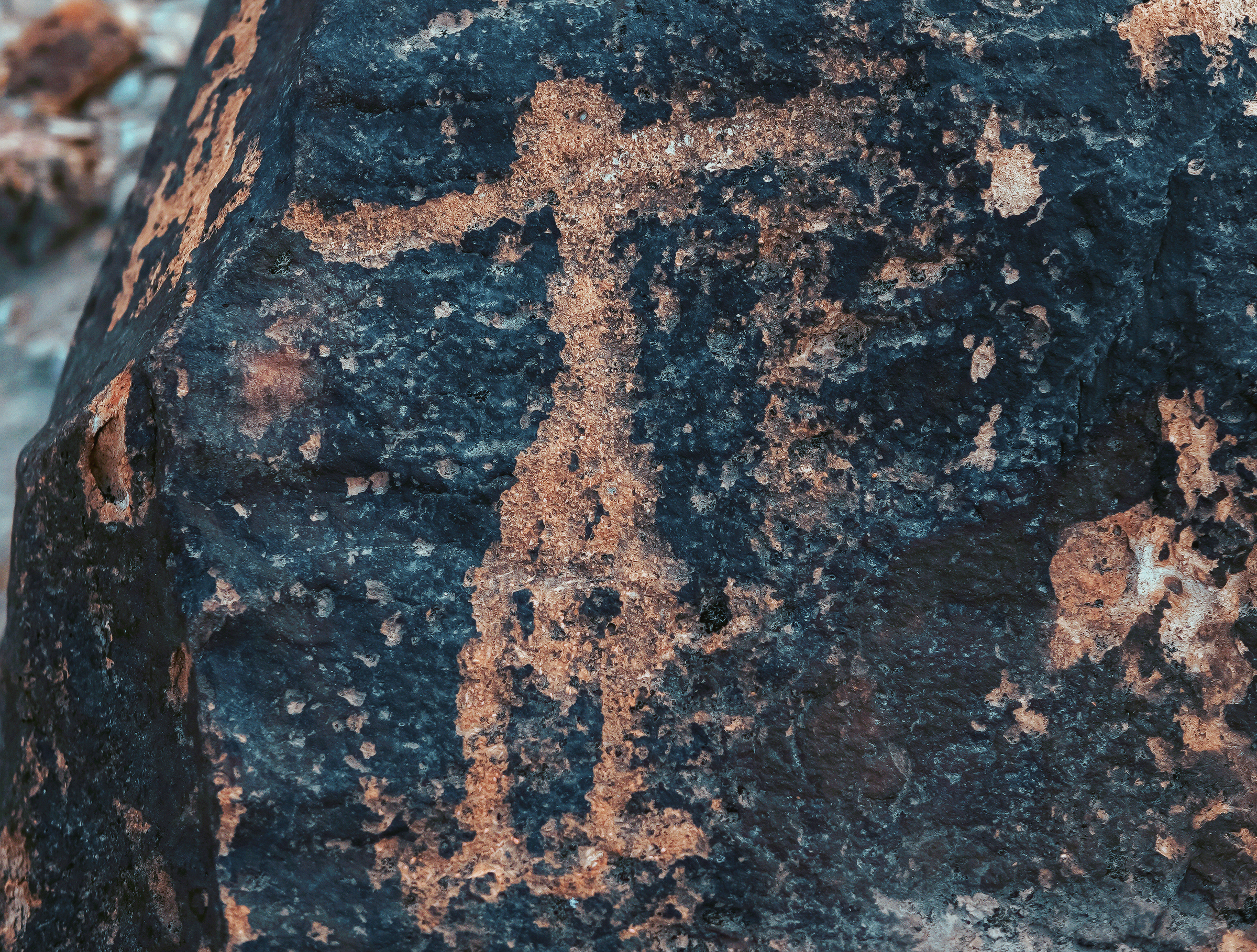
with outstretched arms
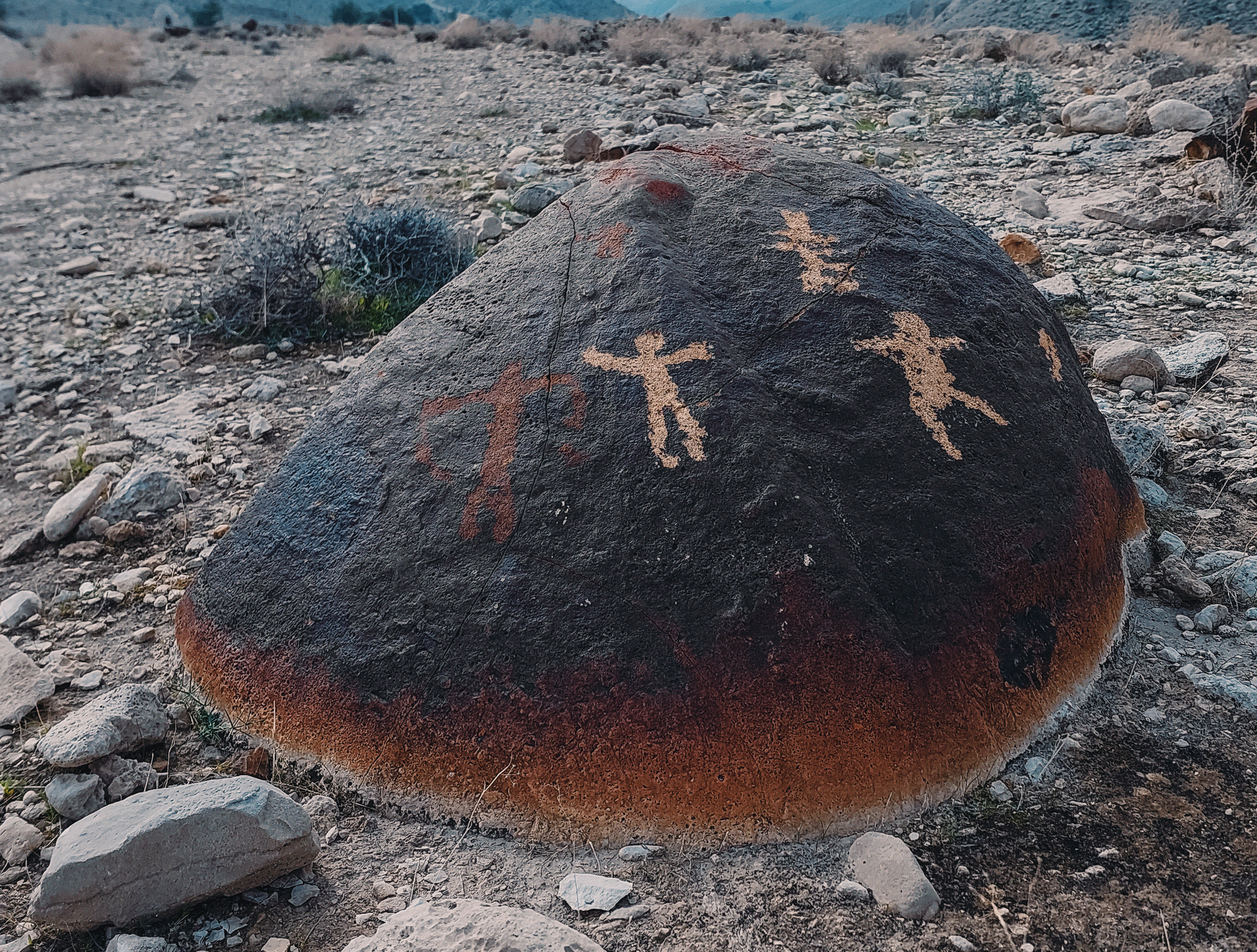
boulder with human figures
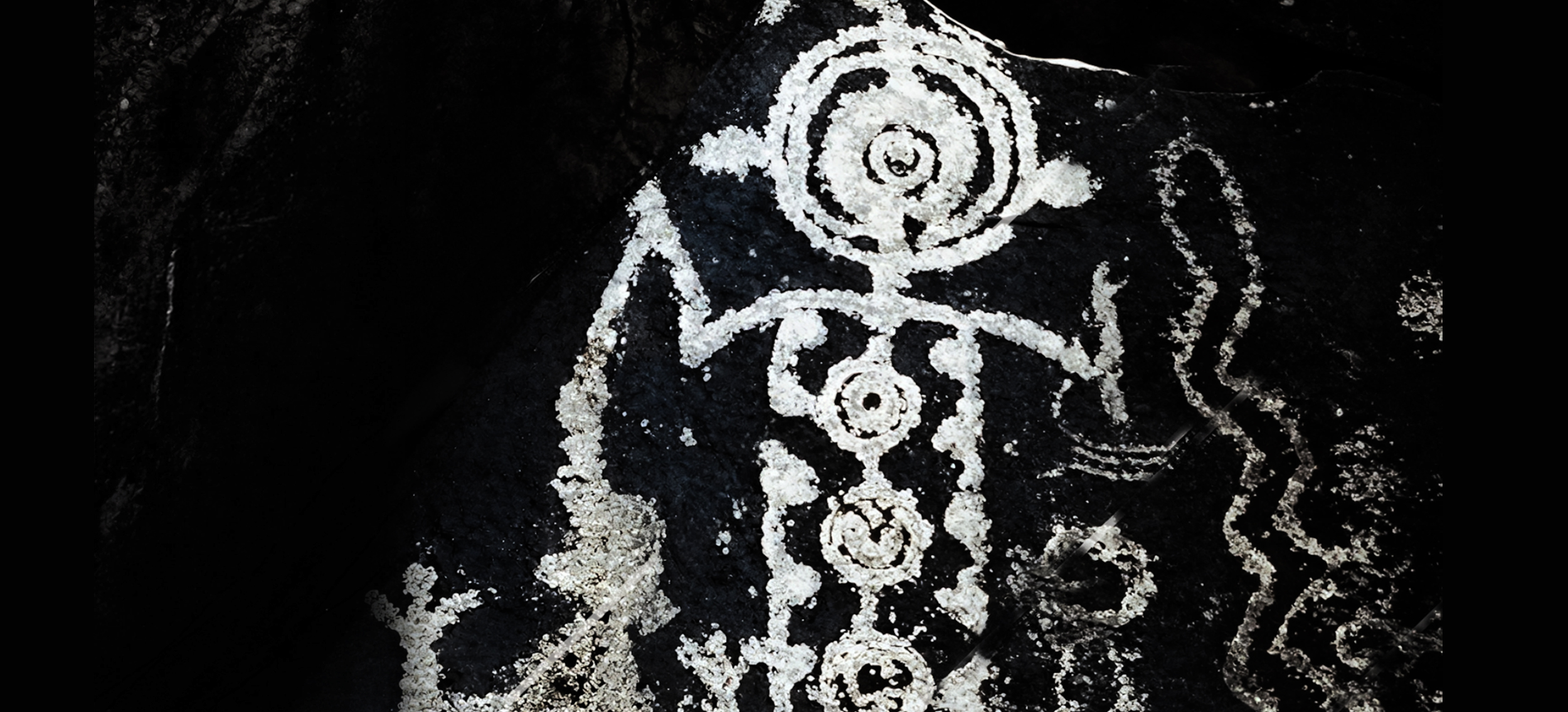
The Dehtal repertoire is not limited to humans and animals. Circular, spiral-like, arched, linear and other curvilinear forms occur both independently and within complex panels.
Their original meanings remain unknown, but they form an important part of the visual vocabulary of the site and demonstrate the diversity of imagery preserved across the landscape.
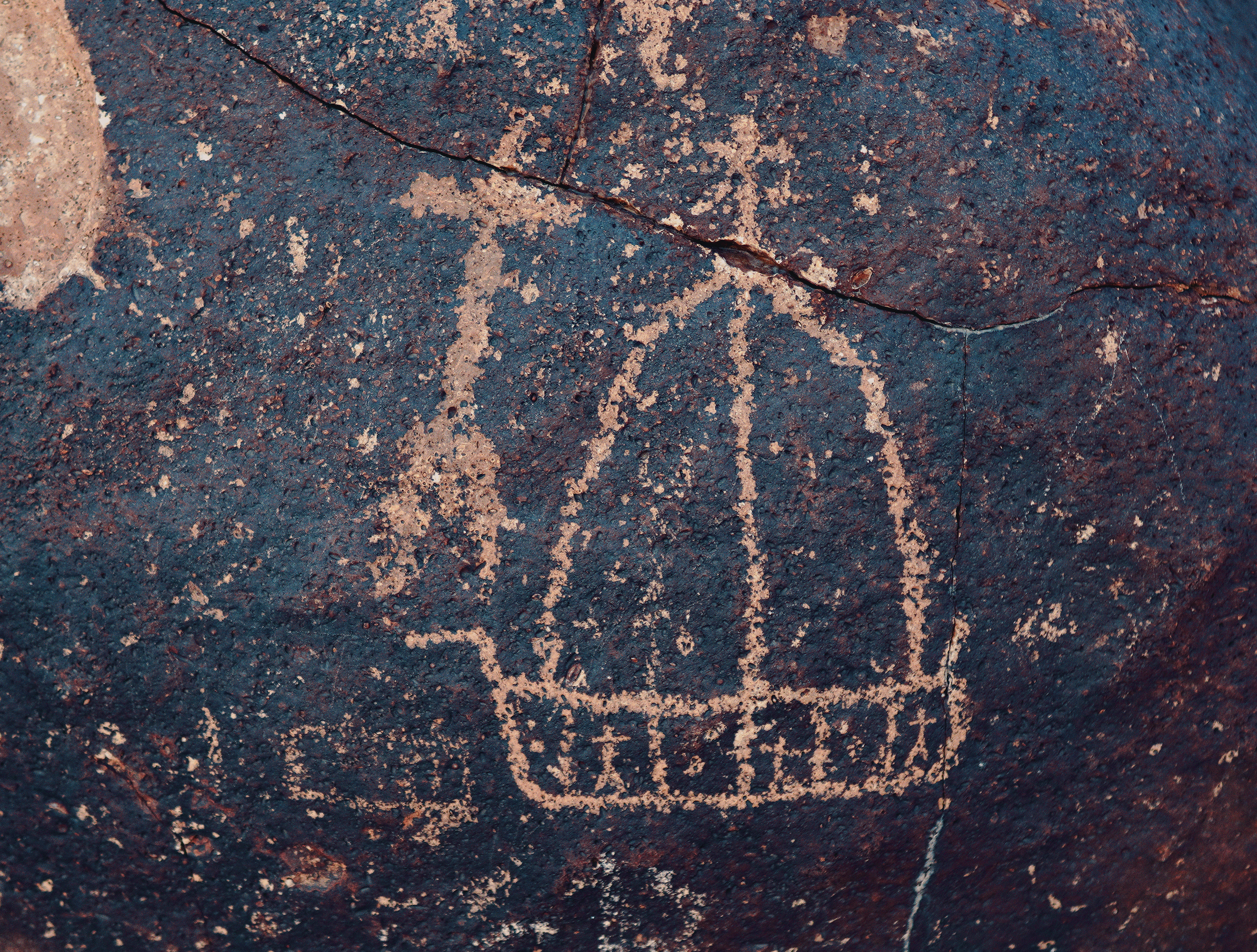
One of the most distinctive aspects of the Dehtal assemblage is a small group of images interpreted as boats or ships. Five examples have so far been identified and documented.
The presence of several examples means that these images can be considered as a small group within the Dehtal repertoire rather than as a single exceptional motif.
Their occurrence is particularly noteworthy given Dehtal's position in southern Iran, within the northern hinterland of the Persian Gulf, and raises questions for future research concerning relationships between inland communities and the maritime world.
Their chronology, vessel type and cultural affiliation, however, should not be inferred from geography alone and require detailed comparative study with rock art and archaeological evidence from Iran, the Arabian Peninsula and the wider Persian Gulf region.
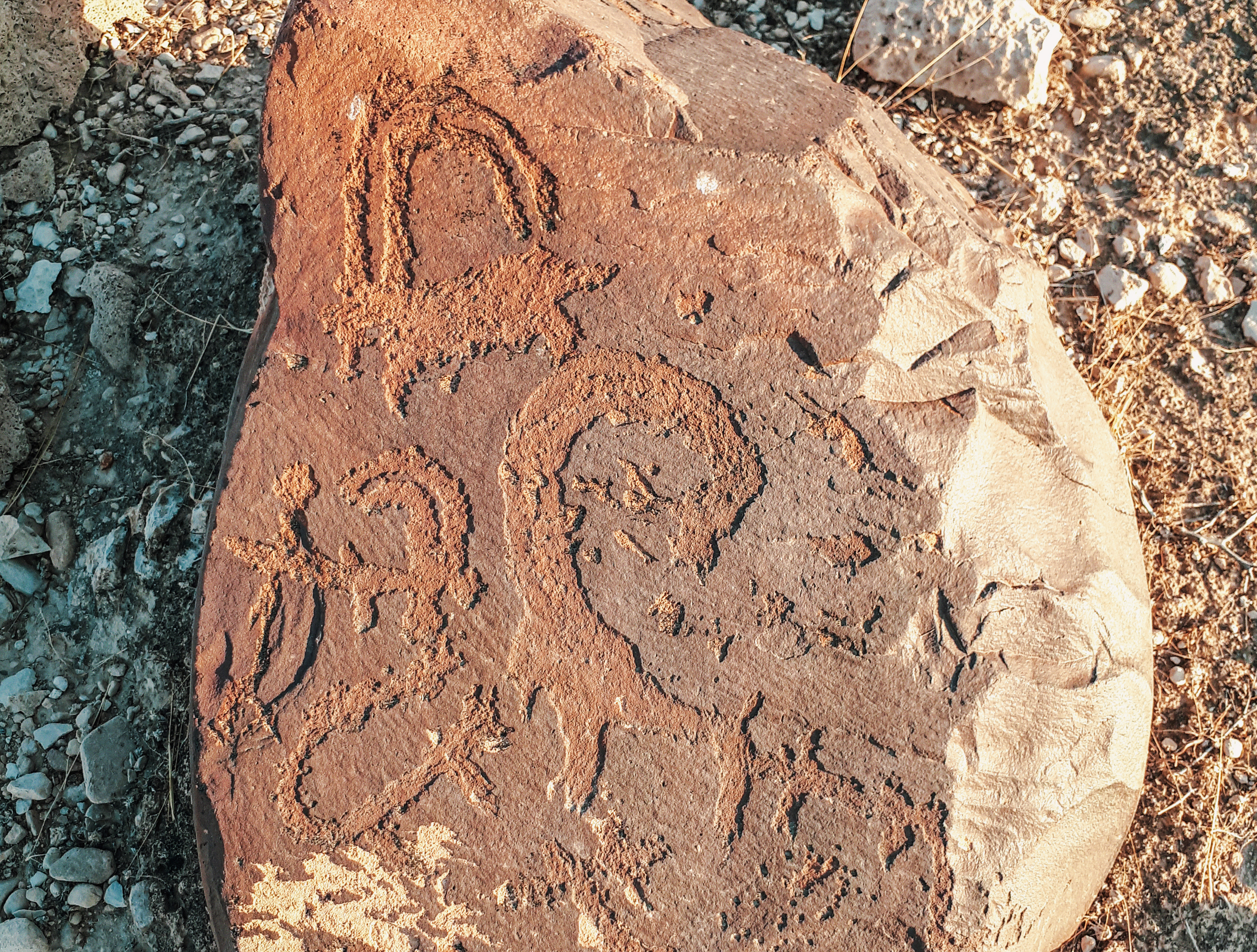
The precise chronology of the Dehtal petroglyphs remains unresolved.
Differences in patination, weathering, engraving technique and superimposition indicate that the assemblage was probably not produced in a single period. Some engravings have been discussed within broadly prehistoric contexts, while later marks and inscriptions show continued attention to some boulders.
Secure dates should not be assigned to individual motifs without appropriate archaeological or scientific evidence. Future study of superimposition, patination, engraving technology, spatial distribution and suitable scientific dating approaches may help establish a more detailed chronological framework.
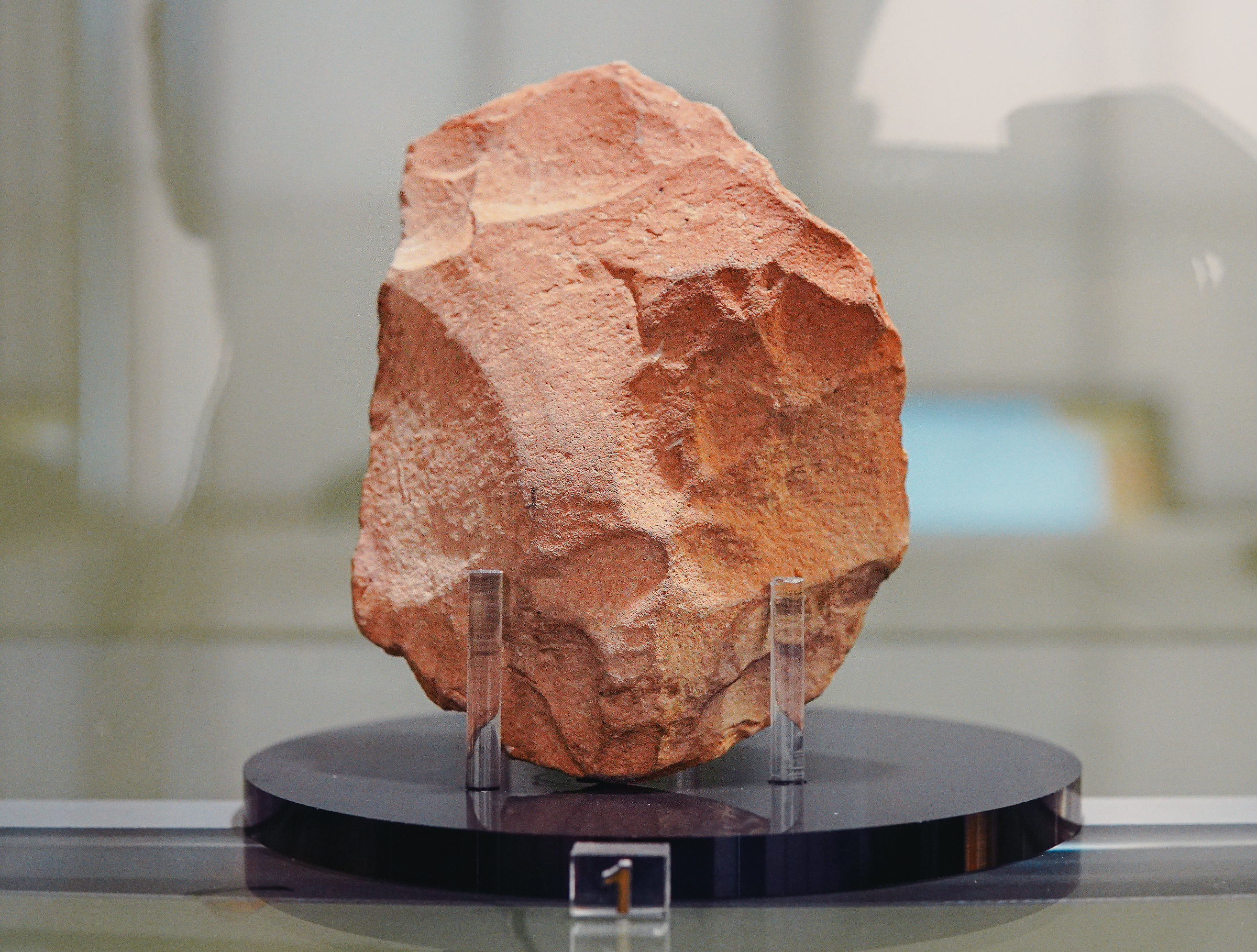
Dehtal first attracted attention through its rock art, but archaeological investigations have since revealed a much deeper history of human activity in the landscape.
Research by Fereidoun Biglari and colleagues documented Lower Palaeolithic evidence associated with Acheulean technology, including a handaxe, a massive scraper, a large flake, a flake core, and large boulder cores bearing substantial flake-removal scars. Locally available sandstone and fossiliferous limestone were used as raw materials.
More recent research by Sepehr Zarei has expanded this picture, documenting giant cores, large flakes and Large Cutting Tools (LCTs), including handaxes, cleavers and massive scrapers. Giant cores bearing flake scars exceeding 50 cm provide further evidence for large-scale flake production and tool manufacture within the Dehtal landscape.
Together, these studies place Dehtal within wider discussions of the Large Flake Acheulean in Southwest Asia. The availability of suitable raw materials, together with seasonal water sources, may have contributed to repeated hominin activity in this landscape during the Lower–Middle Pleistocene.
Dehtal’s position in southern Iran, between the Arabian Peninsula and the Indian subcontinent, further increases its significance for understanding Acheulean hominin dispersals across this part of Asia.
These discoveries have transformed the archaeological perception of Dehtal. A landscape initially recognised primarily for its petroglyphs is now also an important locality for investigating early human presence, technological behaviour and Pleistocene dispersals in southern Iran.
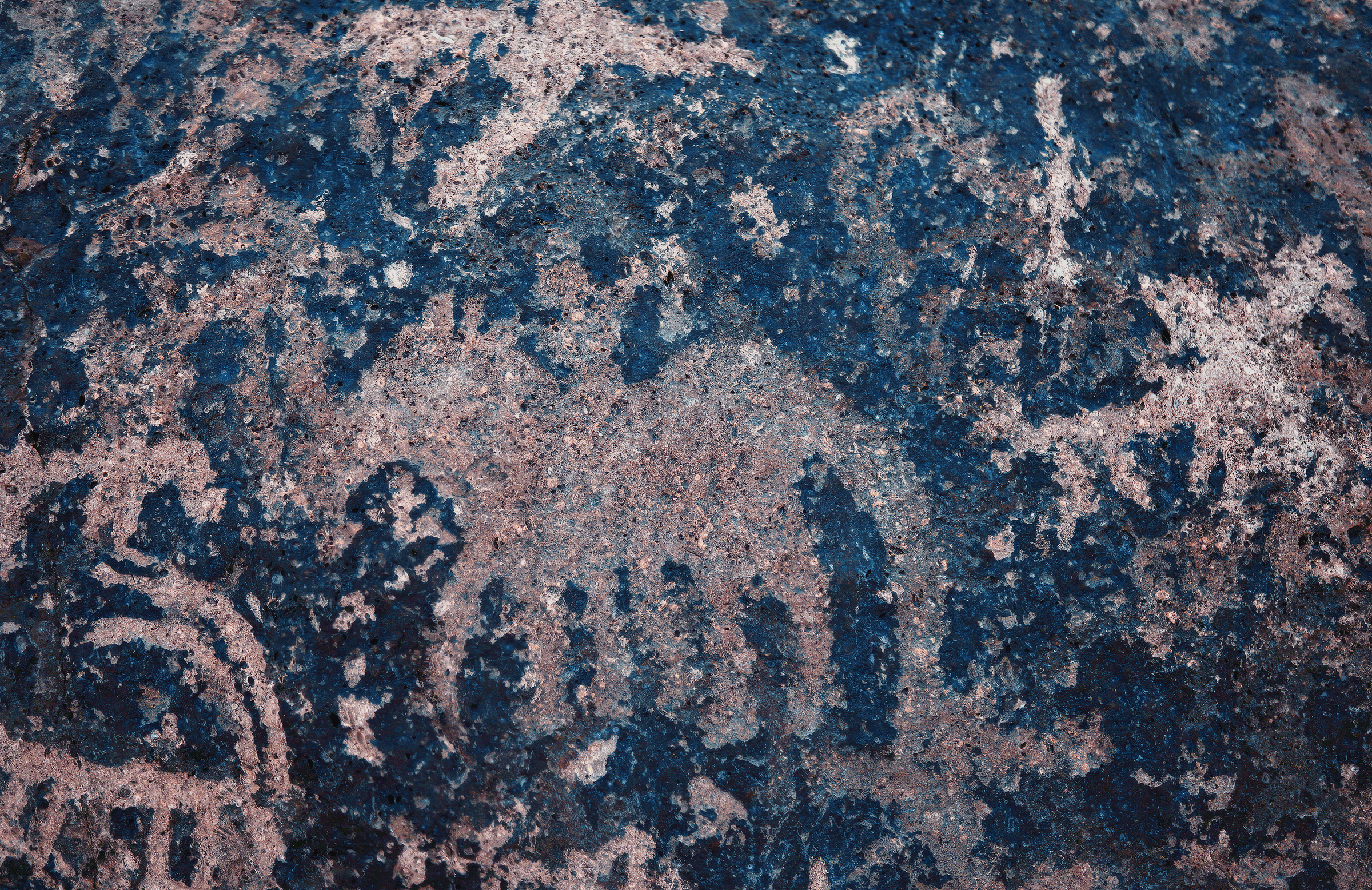
One of the most compelling aspects of Dehtal is the repeated human engagement with stone and landscape across very different periods.
During the Lower Palaeolithic, locally available stone was selected and worked for tool production. In much later periods, the dark surfaces of boulders across the same broader landscape became surfaces for images and signs.
This does not imply direct cultural continuity between Acheulean toolmakers and the creators of the petroglyphs. Rather, it demonstrates the archaeological depth of a landscape that attracted human activity in very different periods and for very different purposes.
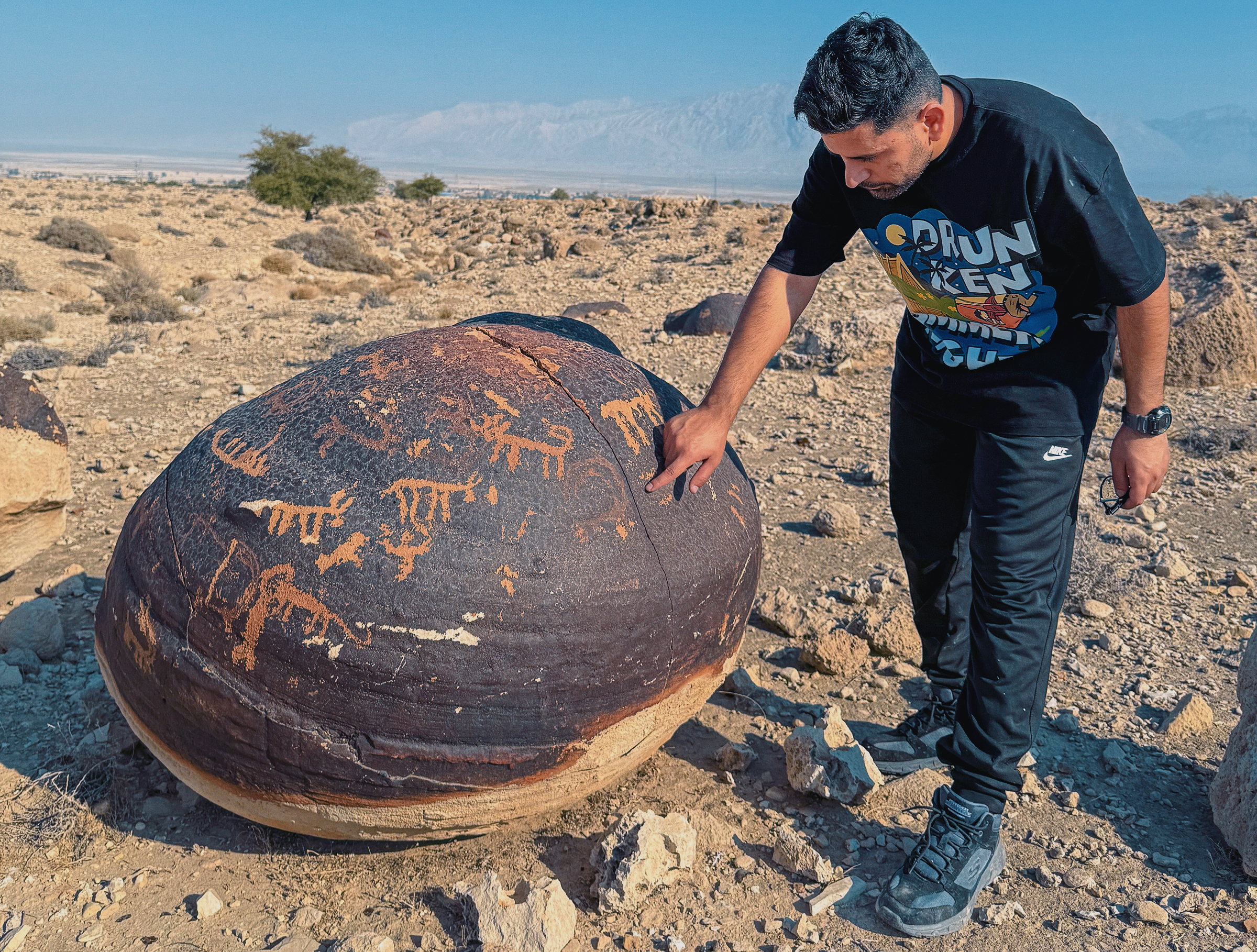
Photographic documentation of Dehtal has developed over several years into an extensive archive of individual motifs, complete panels, decorated boulders, surface details and landscape views.
Recording the site at different scales is essential. Close views document engraving technique and motif detail; complete-boulder photographs establish physical context; and wider landscape images show the relationship between the engravings, plain, drainage systems, valleys and mountains.
As an exposed open-air archaeological landscape, Dehtal is affected by weathering, erosion, seasonal water movement and flash flooding. Human activities, including construction, road development, disturbance or displacement of boulders and deliberate damage, can create additional pressures.
Long-term photographic recording, archaeological mapping and careful monitoring are therefore important for conservation. Public presentation of the site should also balance accessibility with protection, particularly where the disclosure of precise locations could increase the vulnerability of individual panels.

The site has been presented in international rock-art contexts through activities associated with the Centro Camuno di Studi Preistorici (CCSP) in Valcamonica, Italy.
In 2022, an international collaborative publication by Sebastian Lacerda de Lima Filho, Ibrahim Rafiei and Mohammad Naserifard addressed the study, dissemination and preservation of Dehtal's rock-art heritage.
In 2023, publication of the Acheulean research by Fereidoun Biglari and colleagues added a major Lower Palaeolithic dimension to the archaeology of the landscape.
The development of a dedicated Dehtal section within the Bradshaw Foundation - Iran Rock Art Archive provides an opportunity to bring these different dimensions together and make the site's photographic and archaeological documentation more accessible to an international audience.
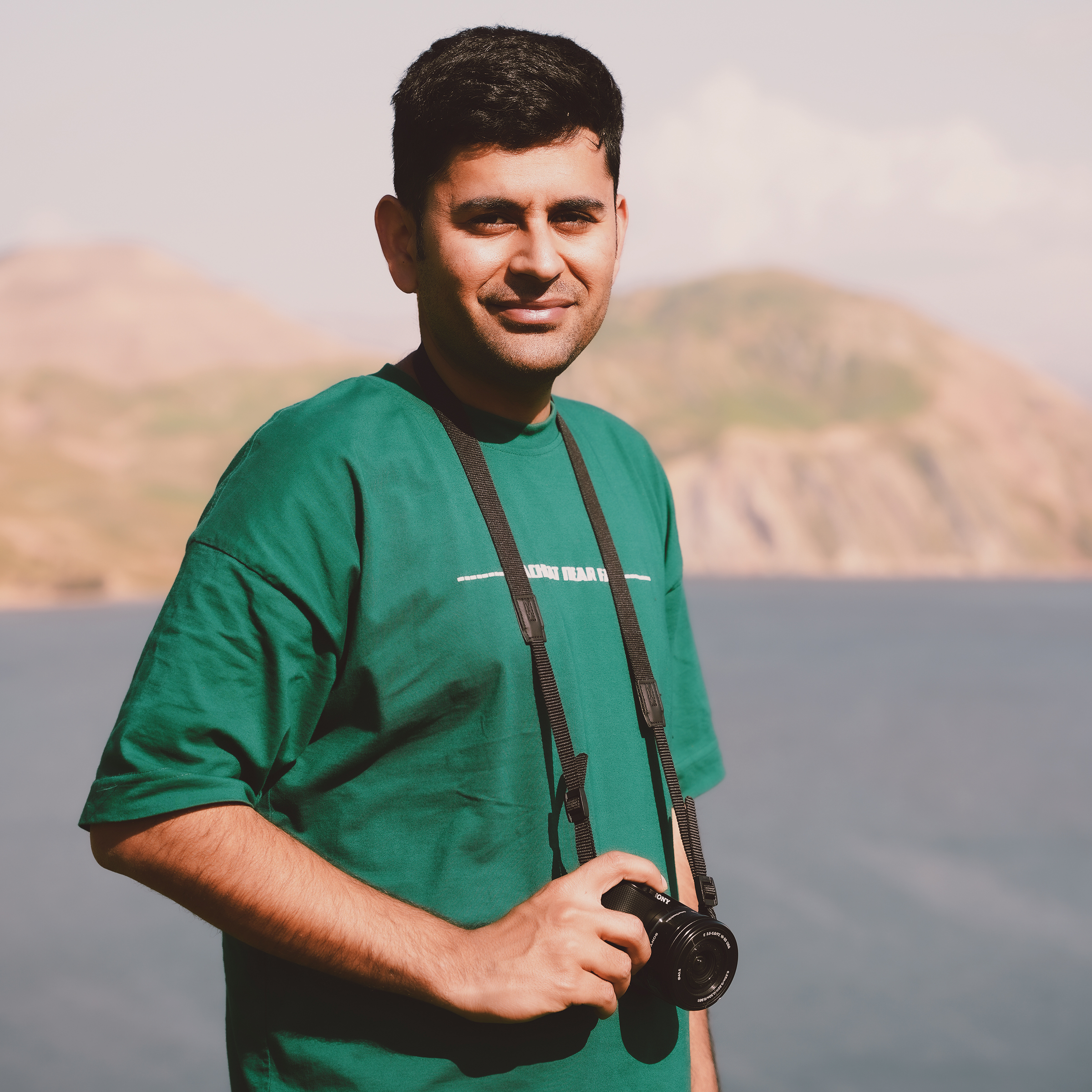
Ibrahim Rafiei is a photographer and independent researcher from Dehtal village in Hormozgan Province, southern Iran. His work is rooted in a long-term personal and visual engagement with the landscape in which he grew up.
For several years, Rafiei has been photographing and documenting the Dehtal petroglyphs, engraved boulders, archaeological features and surrounding landscape, building an extensive visual archive that records the site at multiple scales - from individual motifs and surface details to complete panels, boulders and wider environmental context.
Photography is central to his approach. Rather than treating the petroglyphs as isolated images, his work seeks to document their relationship with place, geology, light, scale and the broader archaeological landscape. Part of this documentation has been published as the photographic book Dehtal Petroglyphs.
Alongside his photographic work, Rafiei has participated in international rock-art activities, including projects and symposia associated with the Centro Camuno di Studi Preistorici (CCSP) in Valcamonica, Italy, and has contributed to collaborative research and heritage documentation concerning Dehtal.
His long-term aim is to create a durable visual record of Dehtal, support its conservation, and introduce the archaeological heritage of his home landscape to a wider international audience.
- Biglari, F., Dashtizadeh, A., Zarei, S., Amini, S. & Ghasimi, T. (2023). Dehtal, Evidence of the Large Flake Acheulean at the North of the Persian Gulf, Iran. Parseh Journal of Archaeological Studies, 7(24), 7–24. DOI: 10.30699/PJAS.7.24.7
- Lacerda de Lima Filho, S., Rafiei, I. & Naserifard, M. (2022). Por uma arqueologia colaborativa internacional: os trabalhos de cooperacao cientifica para estudo e divulgacao do patrimonio rupestre da comunidade de Dehtal, regiao de Bastak, provincia de Hormozgan, sul do Iran. Tarairiu Magazine, 1(19), 109-122.
- Rafiei, I. (2021). Open-air Petroglyph Site in Southern Iran. International rock-art symposium material, Centro Camuno di Studi Preistorici (CCSP), Valcamonica, Italy.
- Rafiei, I. Dehtal Petroglyphs. Photographic book.
- Zarei, S. (2025). Giant Cores and Large Flake Production at Dehtal: An Acheulean Site in the Northern Hinterland of Persian Gulf, Iran. Journal of Iran National Museum, 3(1), e724189. DOI: 10.22034/jinm.2025.2058491.1104