One important and very common feature of
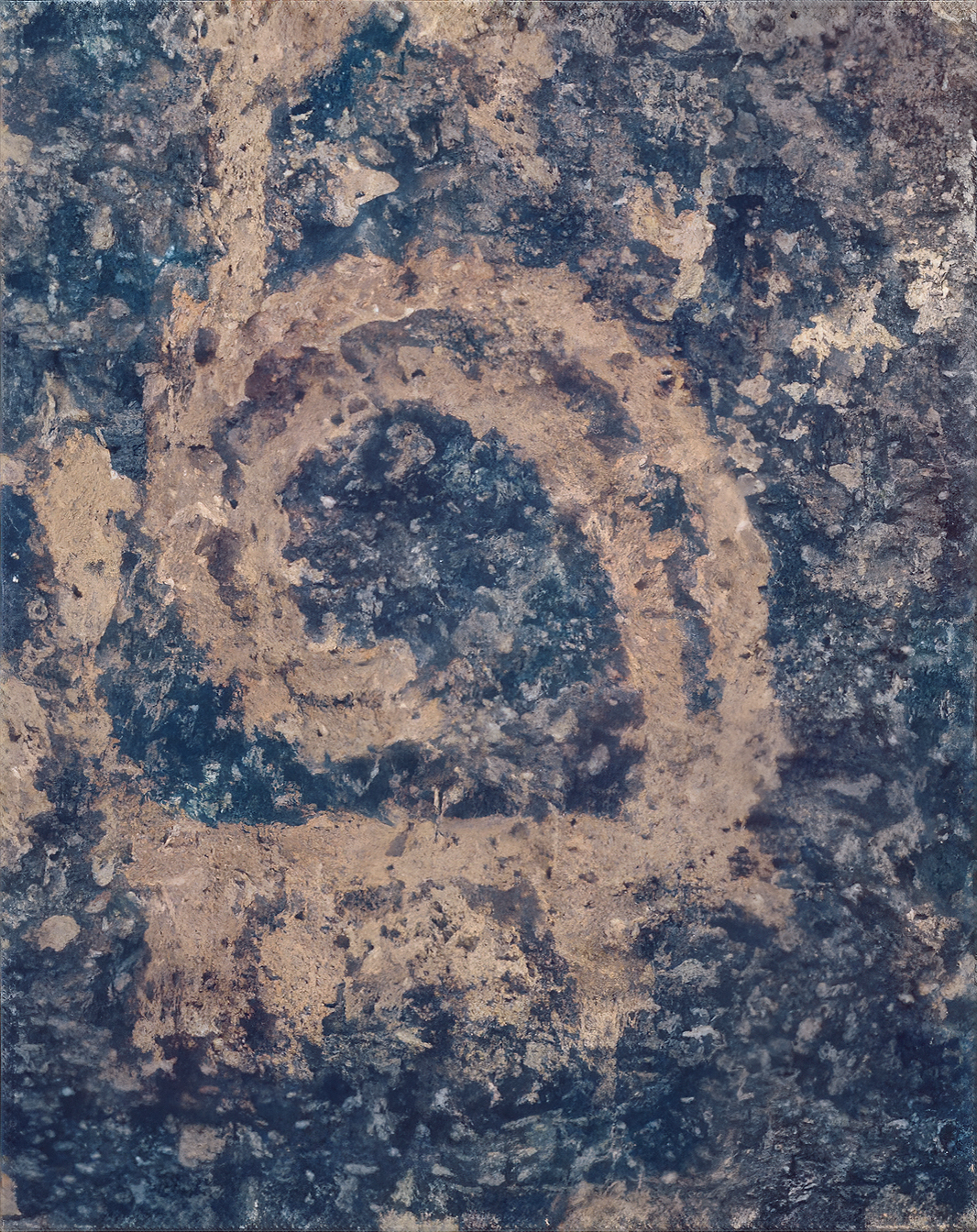
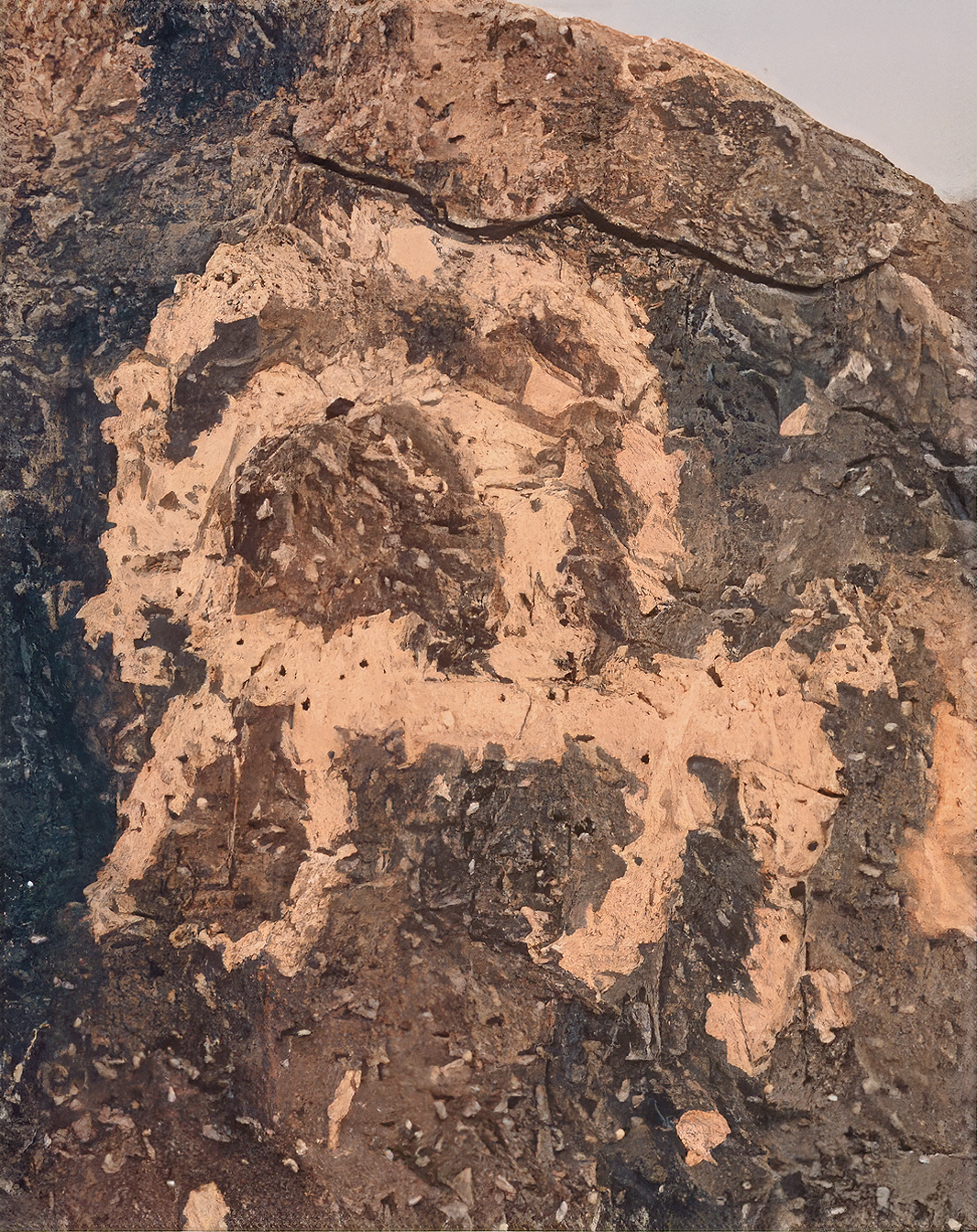
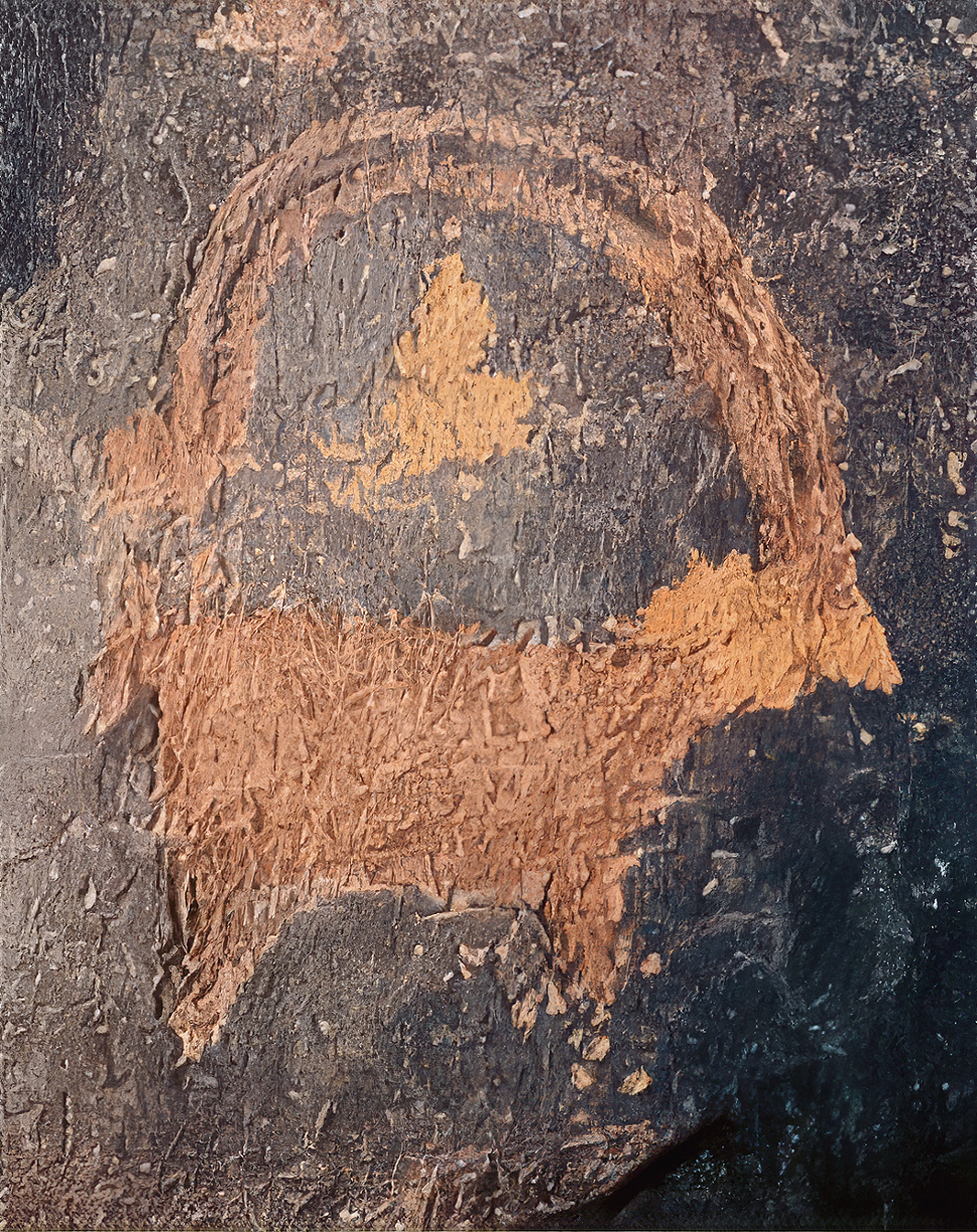
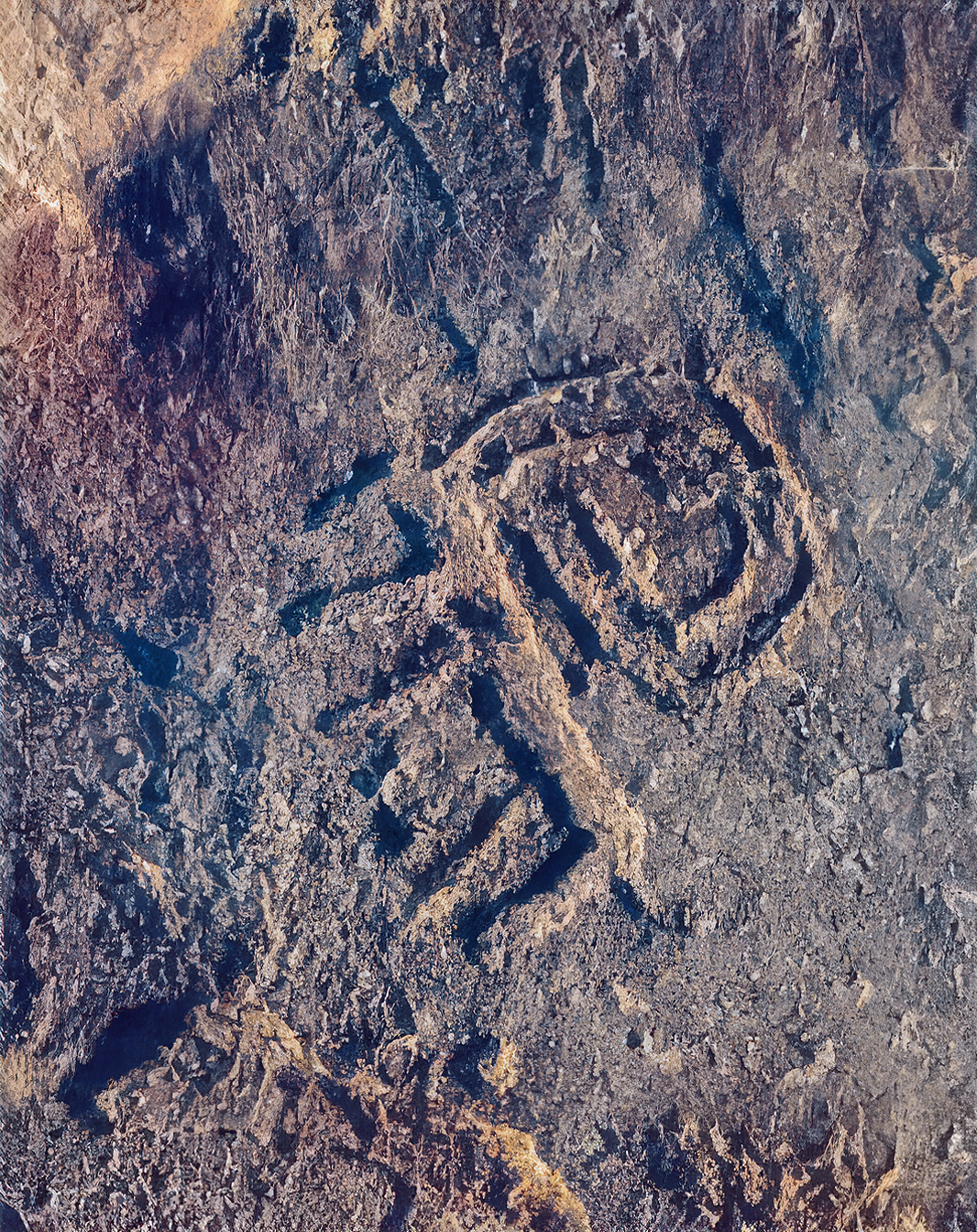
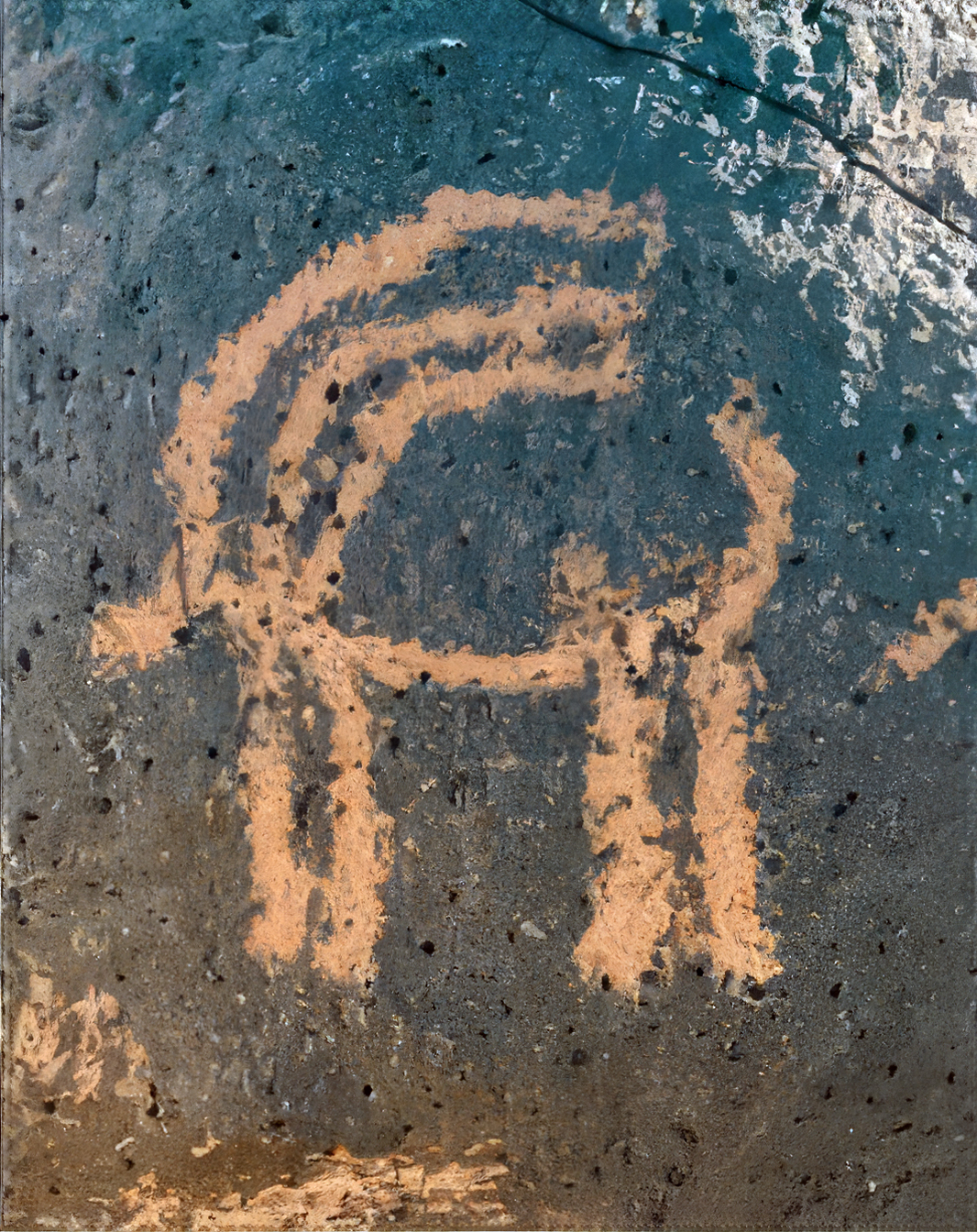
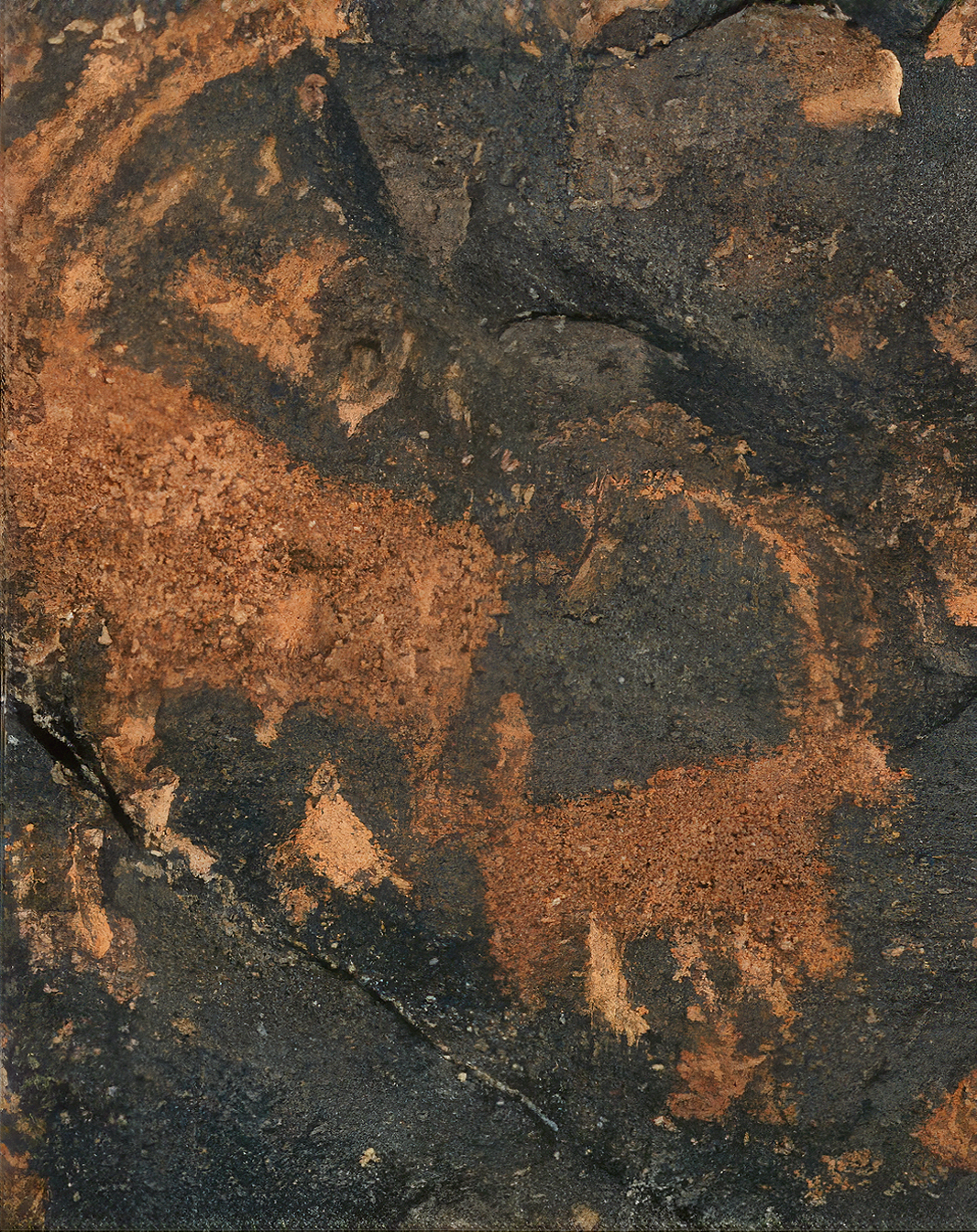
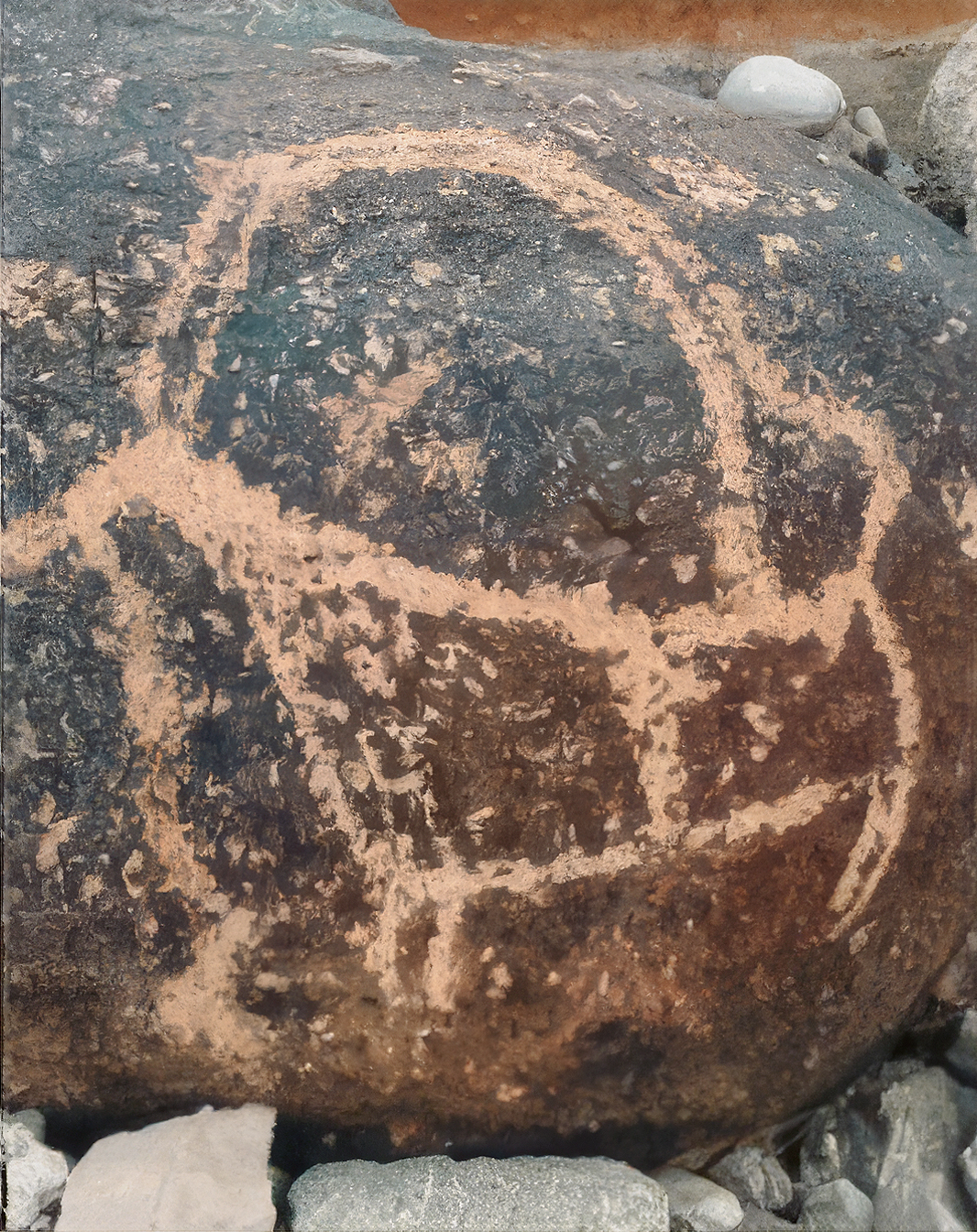
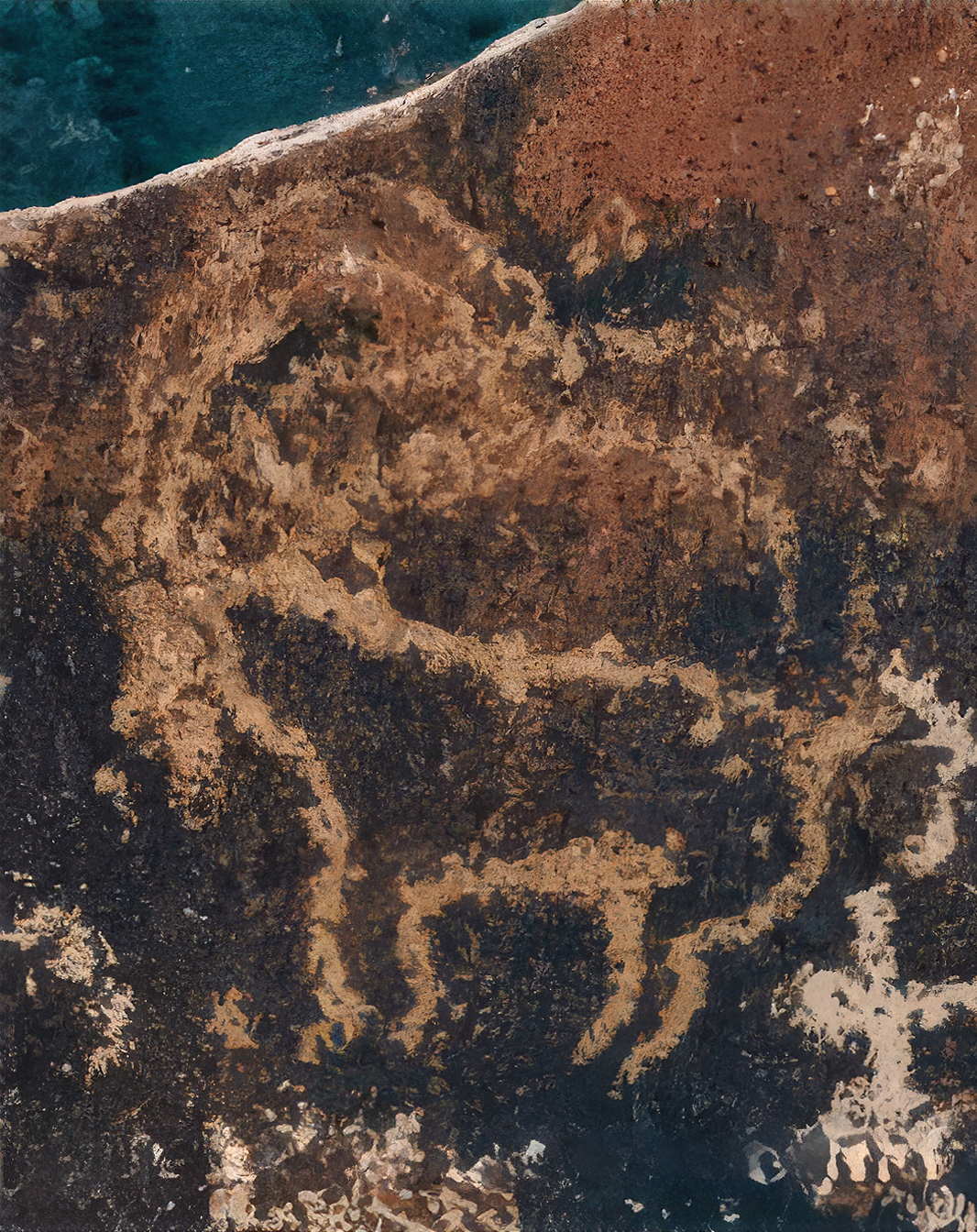
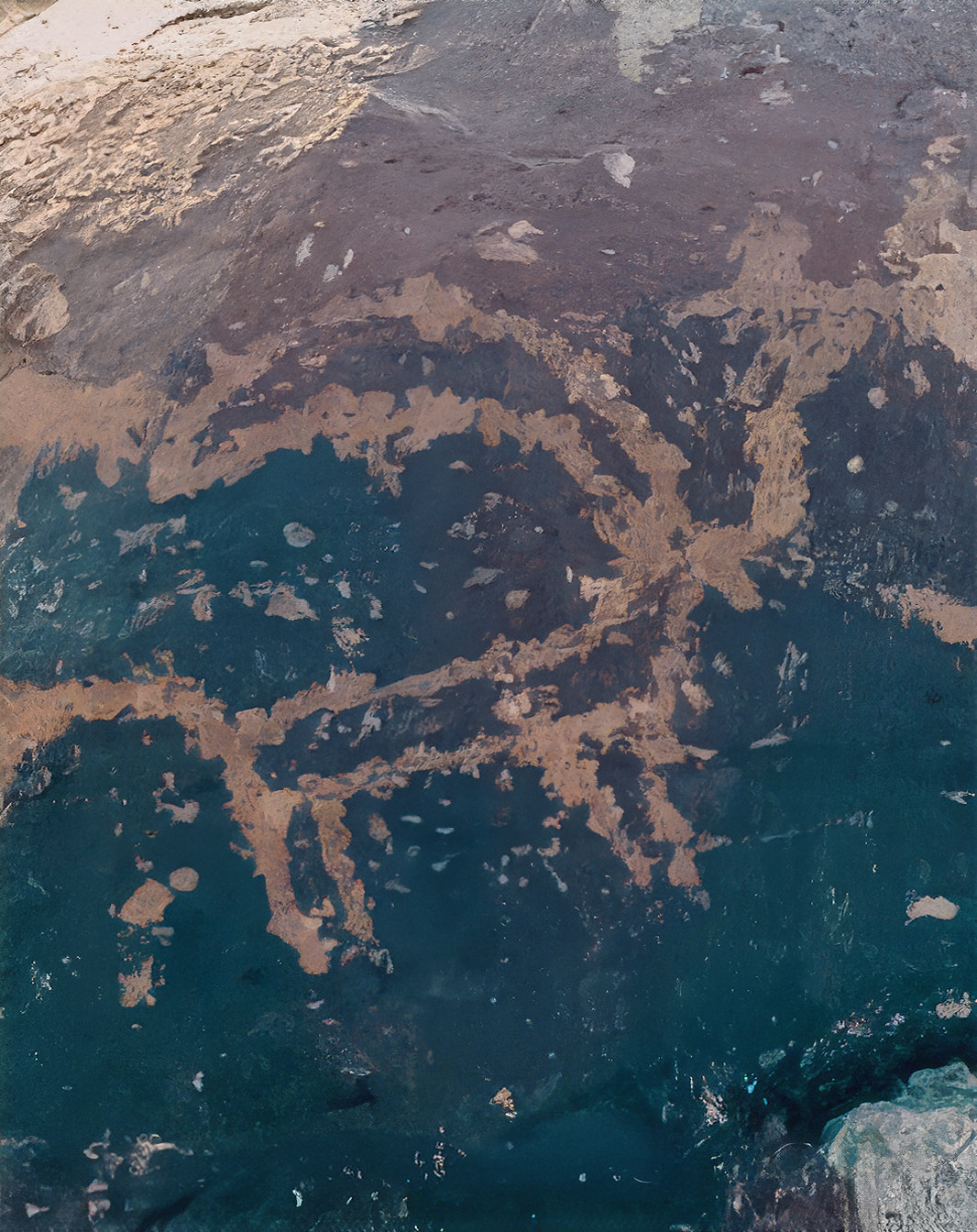
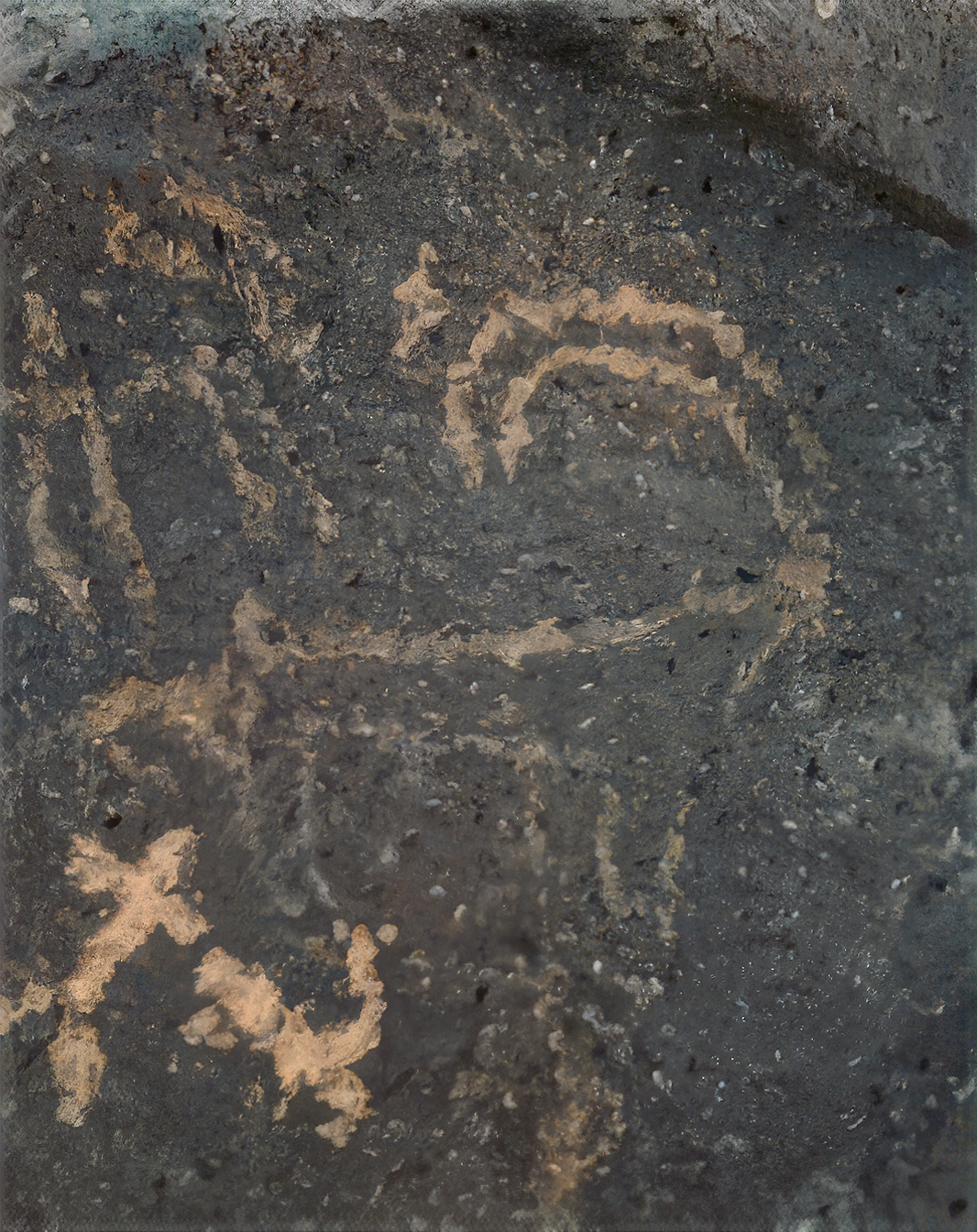
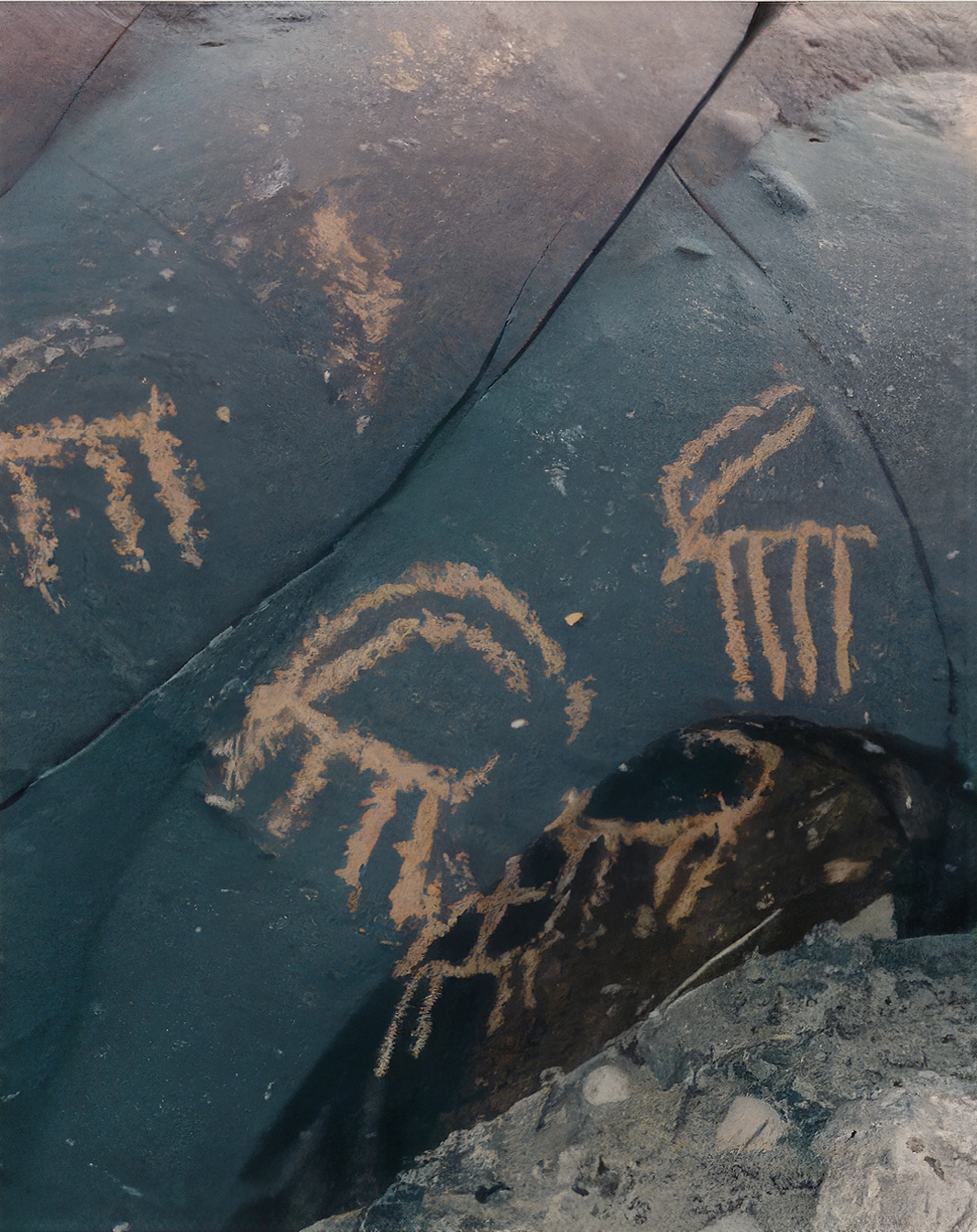
rock art in Iran is the “ibex” depiction, which is reported all over the country (e.g. Farhady, 1998; Ghasrian, 2009; Naserifard, 2016). Depictions of caprines, particularly the ibex, have been present in the art of Iran for thousands of years from prehistory up to the recent Islamic centuries. It is an important and very common feature of rock art of the region.
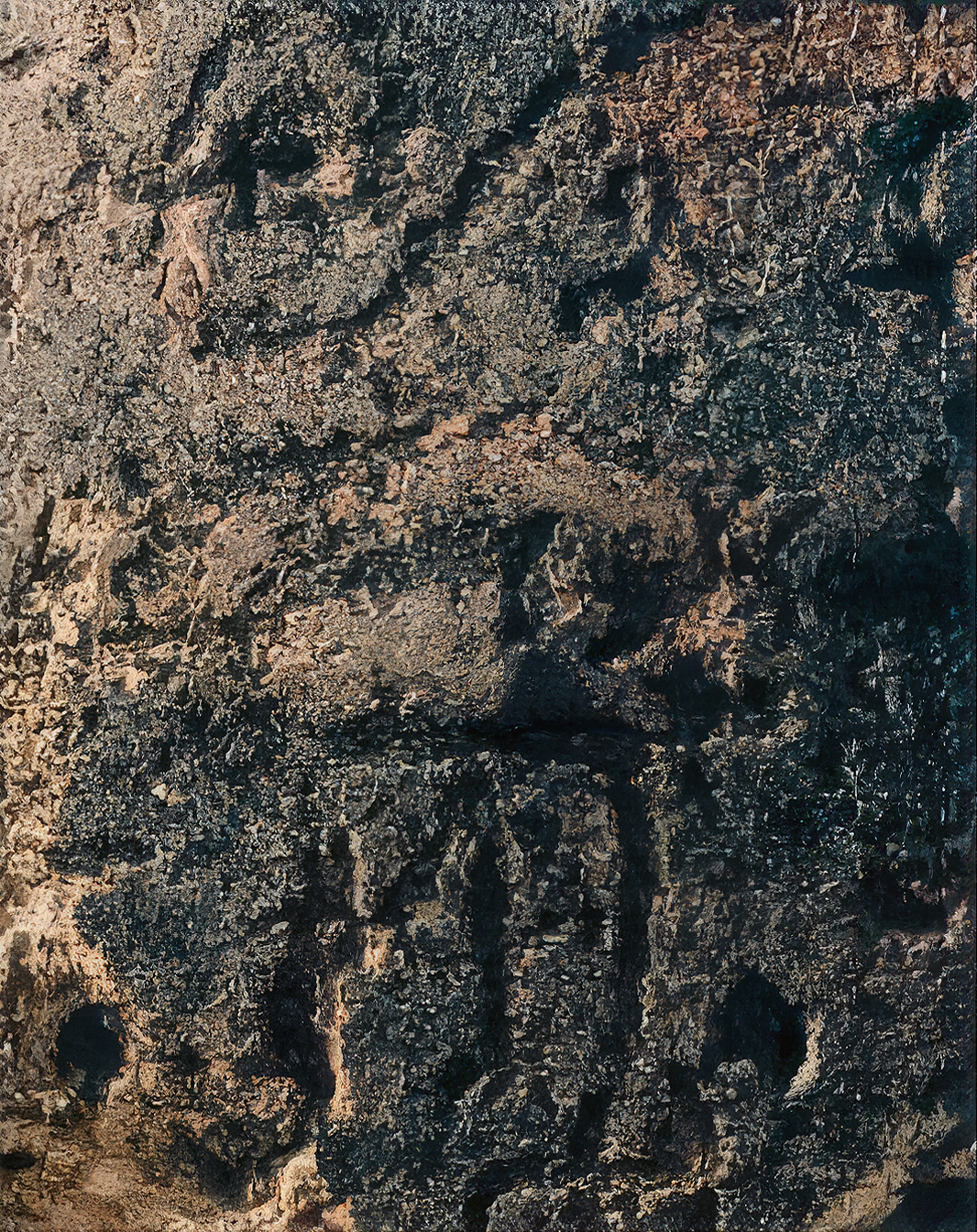
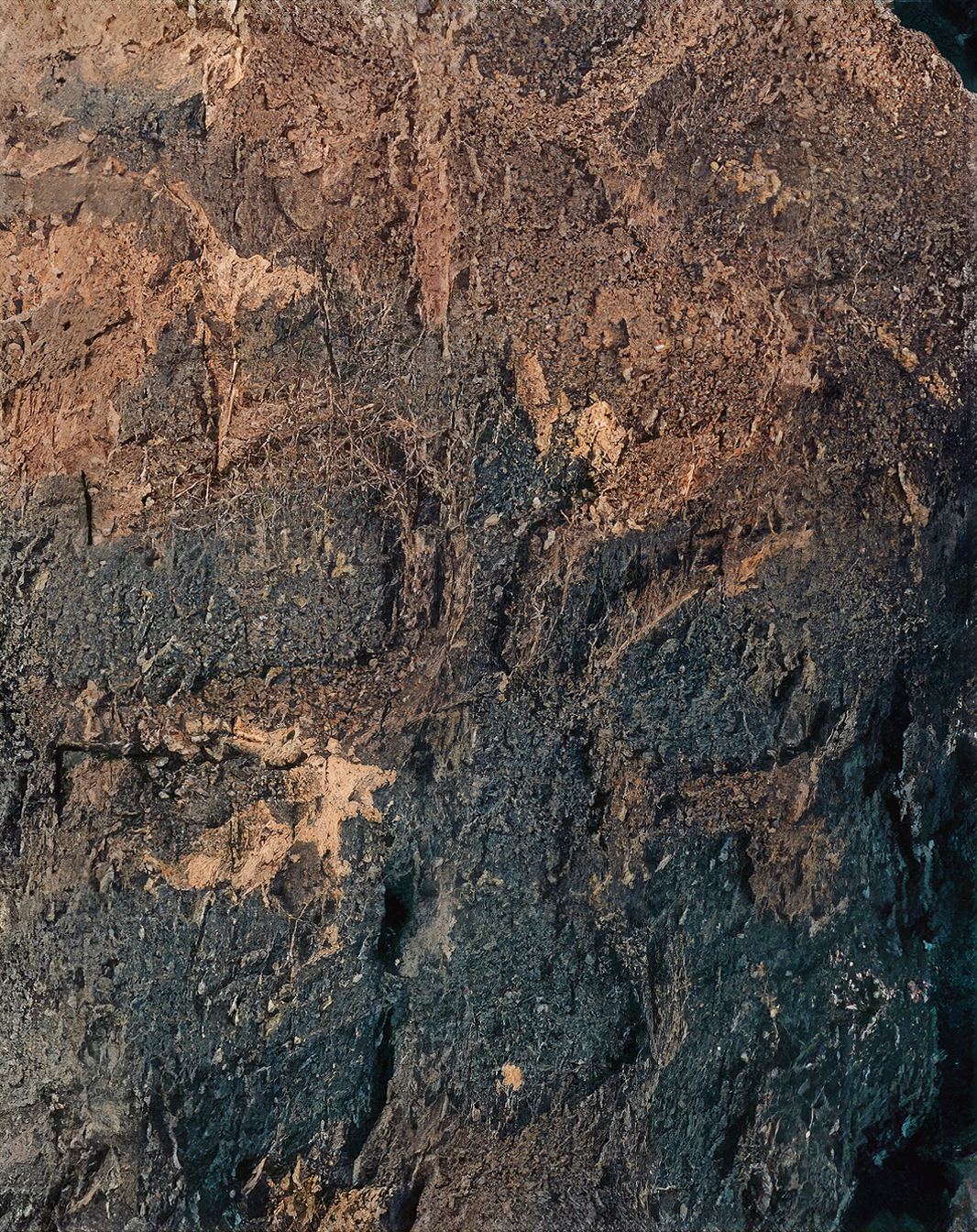
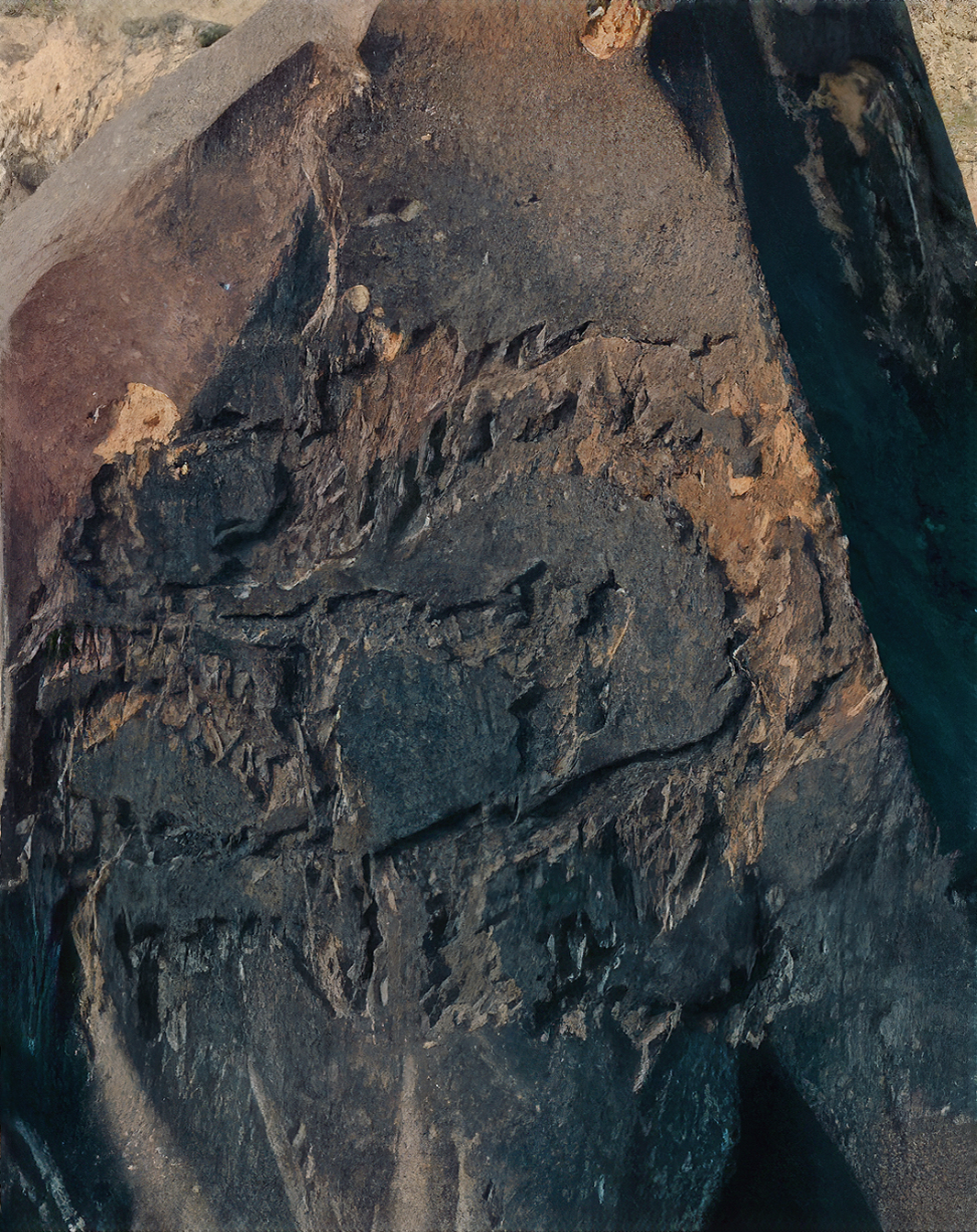
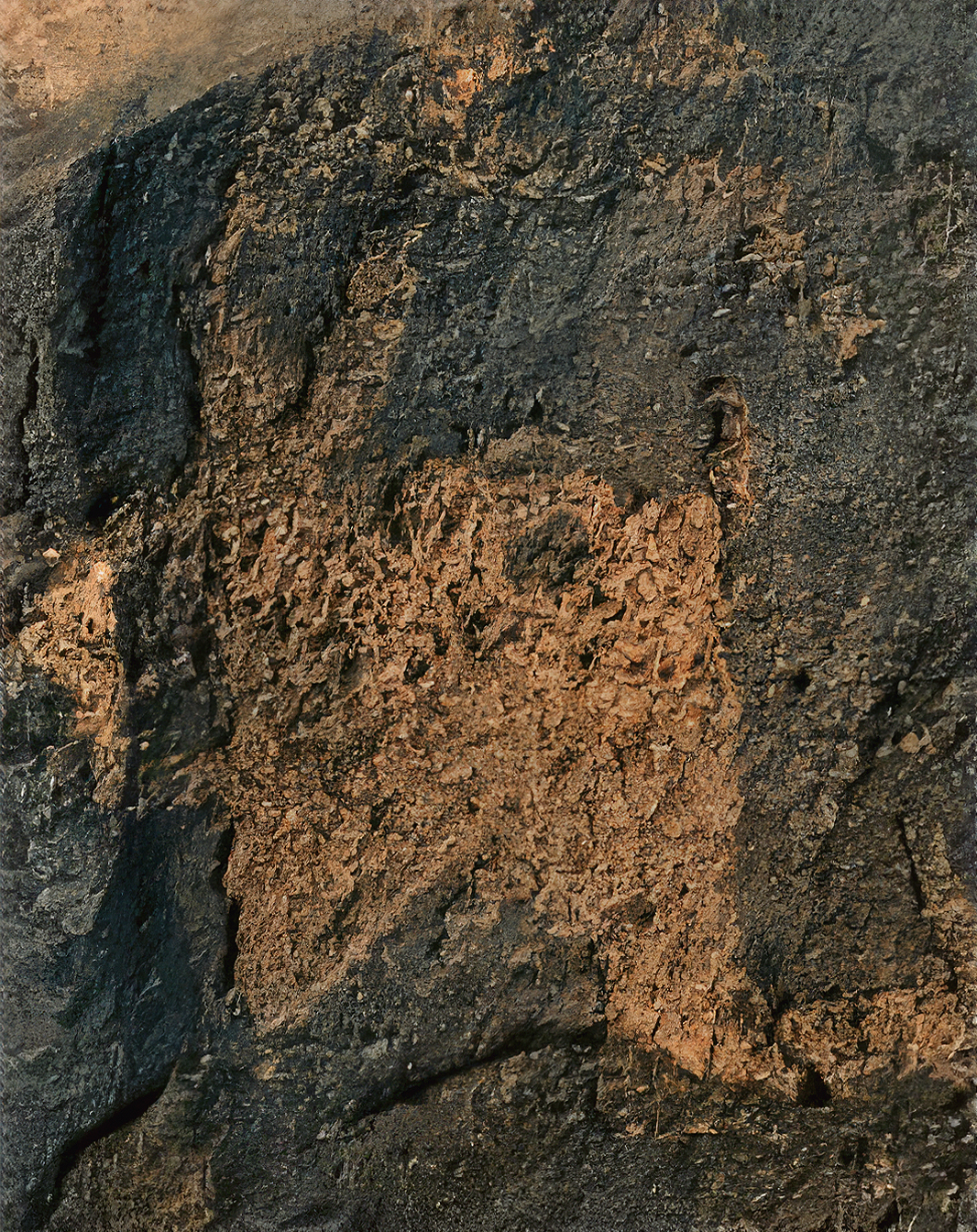
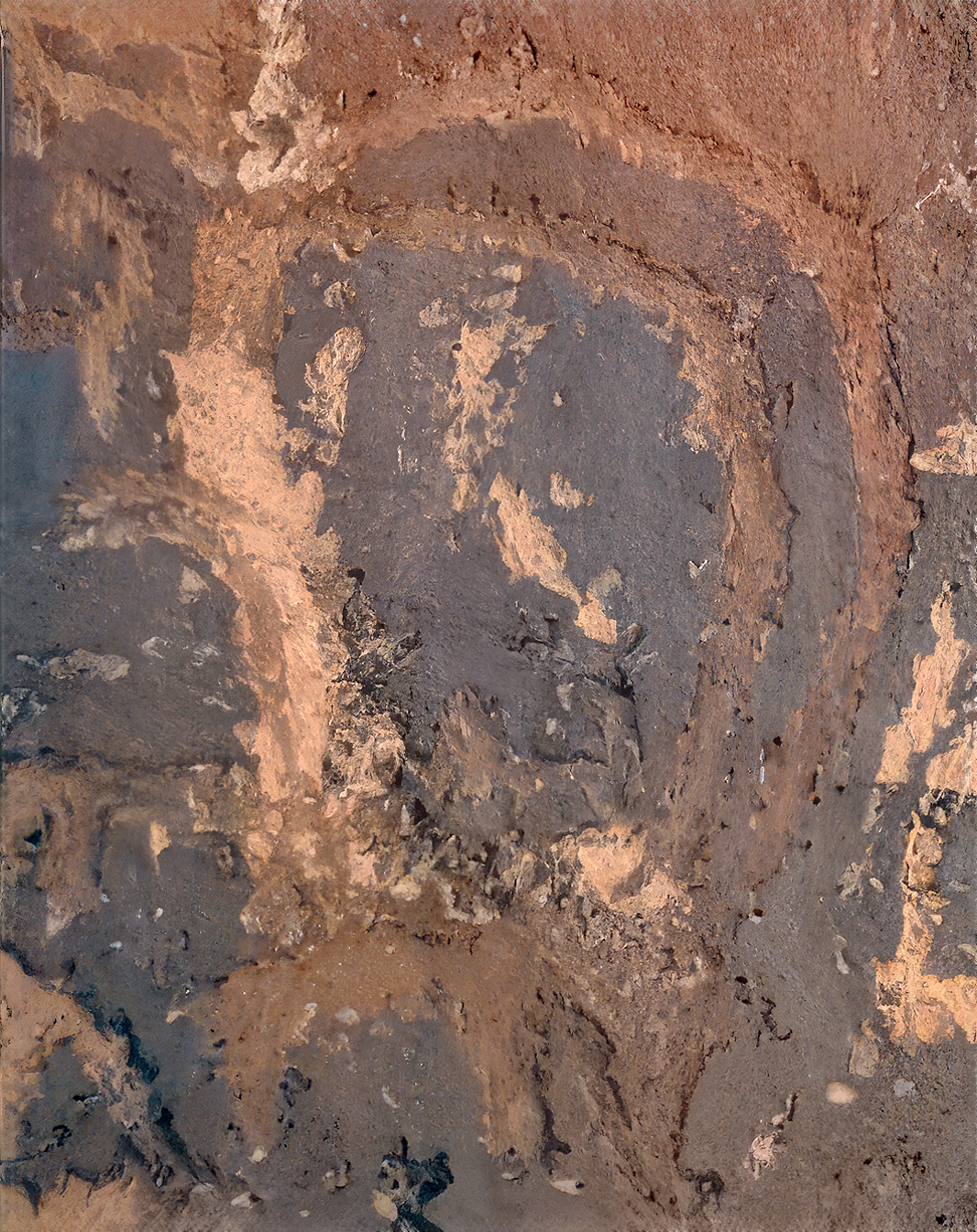
Ibrahim Rafiei is a photographer and independent researcher from Dehtal village in Hormozgan Province, southern Iran. For several years, Ibrahim Rafiei has been photographing and documenting the Dehtal petroglyphs, engraved boulders, archaeological features and surrounding landscape, building an extensive visual archive that records the site at multiple scales - from individual motifs and surface details to complete panels, boulders and wider environmental context.
One important and very common feature of
rock art in Iran is the “ibex” depiction, which is reported all over the country (e.g. Farhady, 1998; Ghasrian, 2009; Naserifard, 2016). Depictions of caprines, particularly the ibex, have been present in the art of Iran for thousands of years from prehistory up to the recent Islamic centuries. It is an important and very common feature of rock art of the region.
Ibrahim Rafiei is a photographer and independent researcher from Dehtal village in Hormozgan Province, southern Iran. For several years, Ibrahim Rafiei has been photographing and documenting the Dehtal petroglyphs, engraved boulders, archaeological features and surrounding landscape, building an extensive visual archive that records the site at multiple scales - from individual motifs and surface details to complete panels, boulders and wider environmental context.
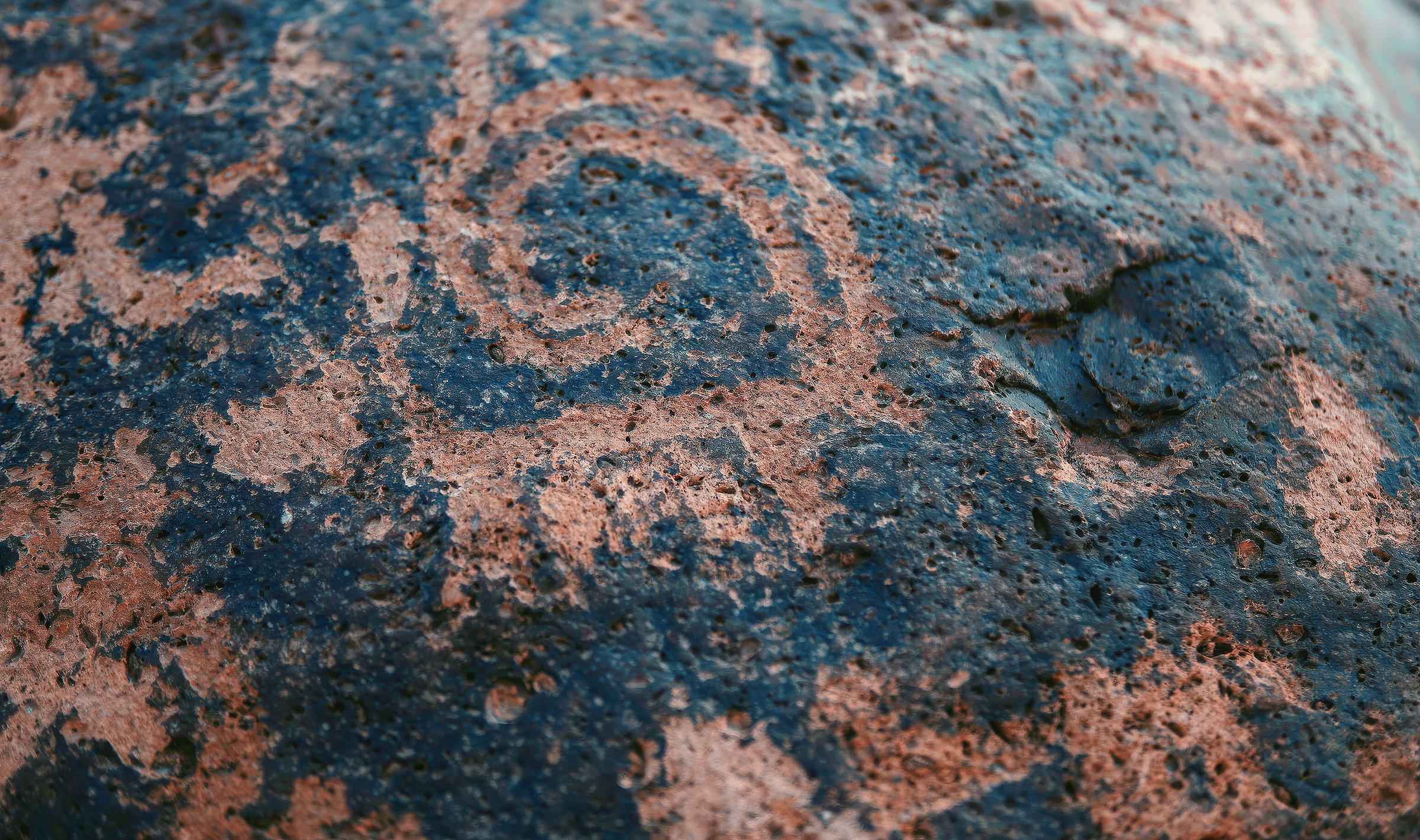
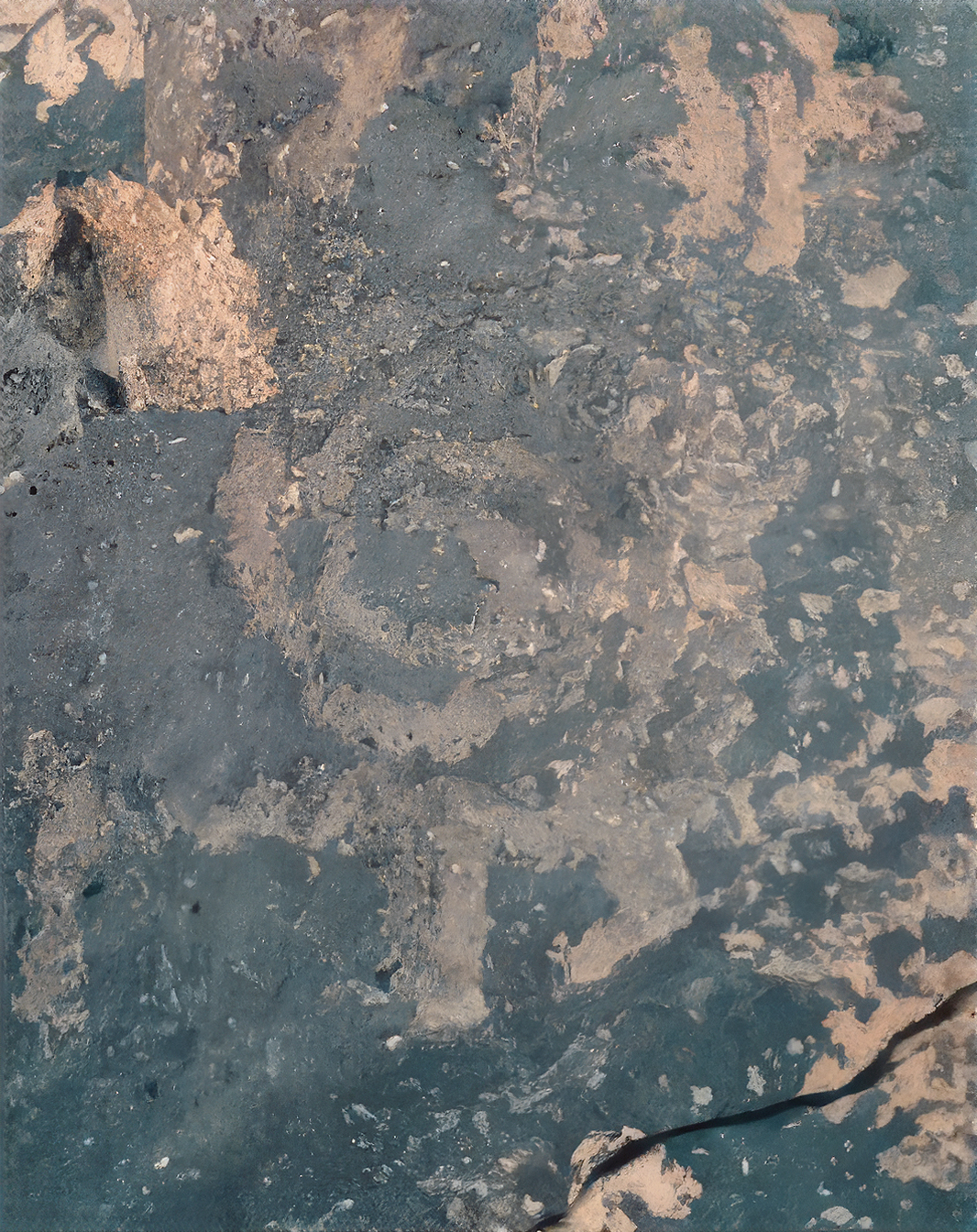
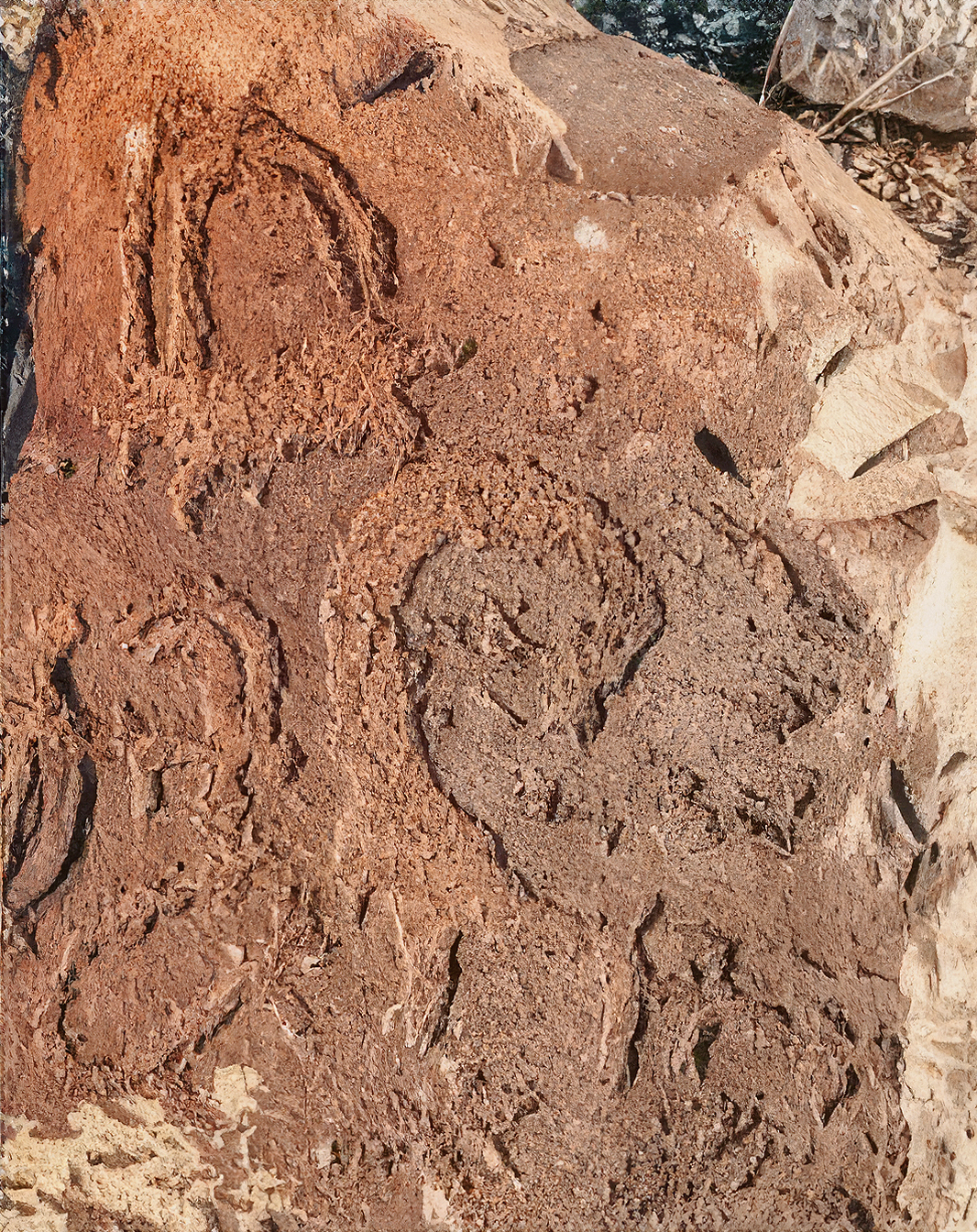
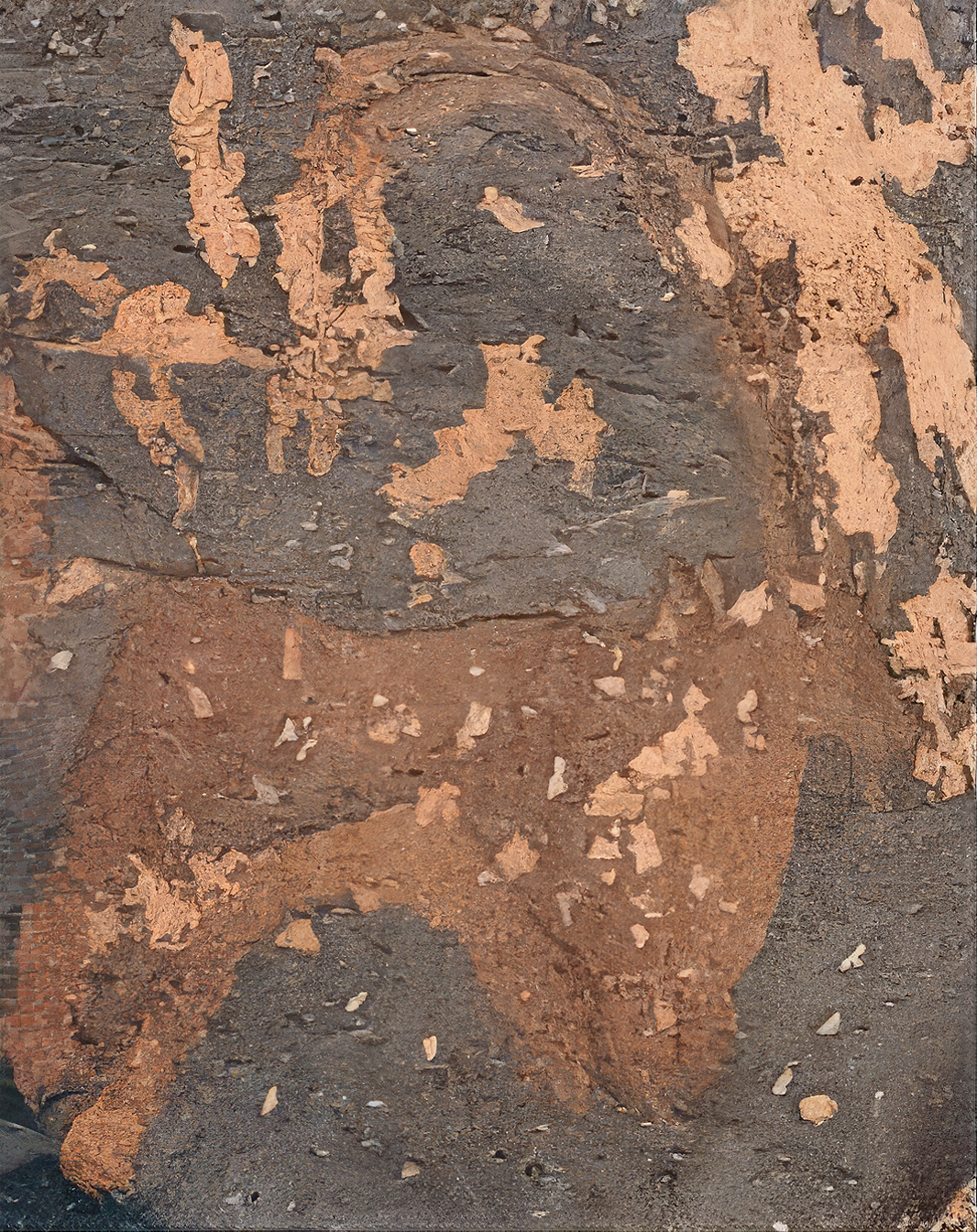
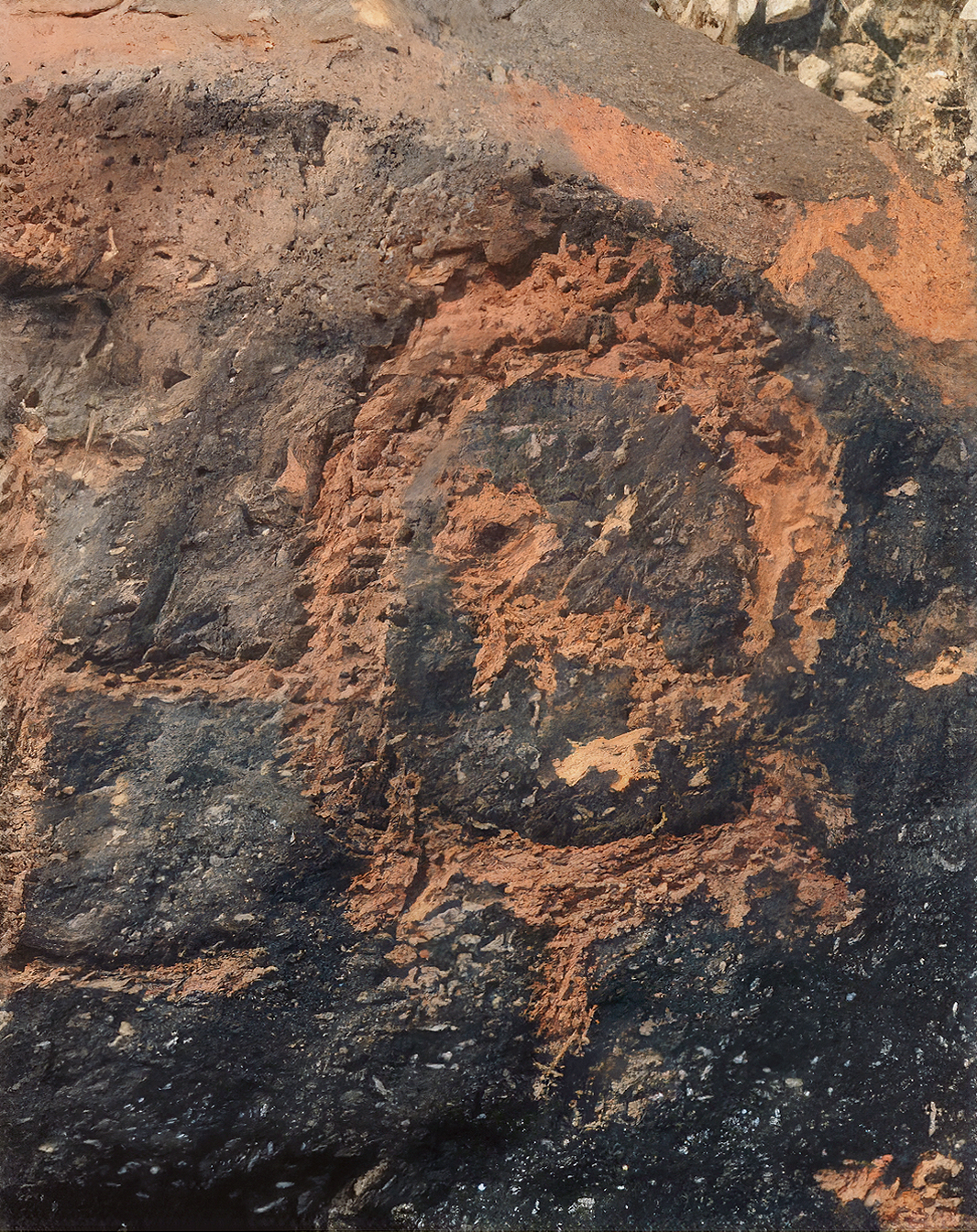
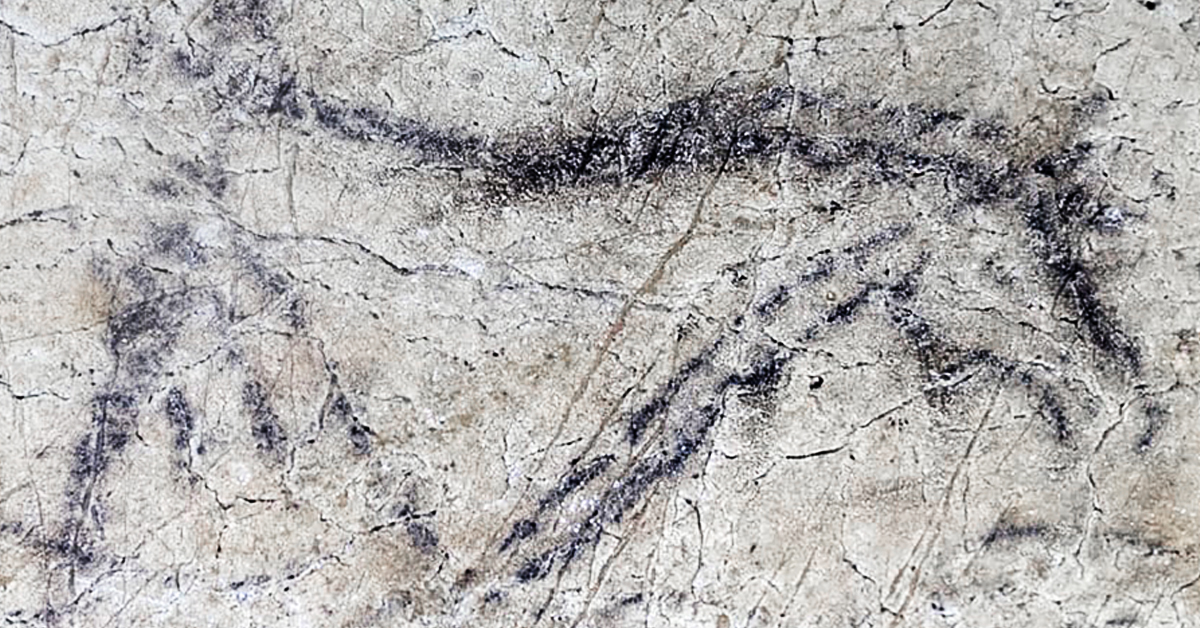
Depiction of an Ibex in rock art from Dehtal lies in the western Hormozgan Province
© Ibrahim Rafiei / Dehtal Petroglyphs
Dehtal lies in western Hormozgan Province in the Bastak region of southern Iran, between the southern Zagros and the Persian Gulf. The archaeological landscape extends from the plain south of the present village towards neighbouring valleys and foothills. Animal representations form one of the most diverse components of the Dehtal rock art. Documented figures include ibex, horses, dogs, donkeys, scorpions, snakes and other animals.
Among these, ibex are by far the most frequent animal motif and constitute one of the defining elements of the Dehtal repertoire. They occur in different forms and styles, both as isolated figures and in association with other animals, anthropomorphic figures and additional motifs.