

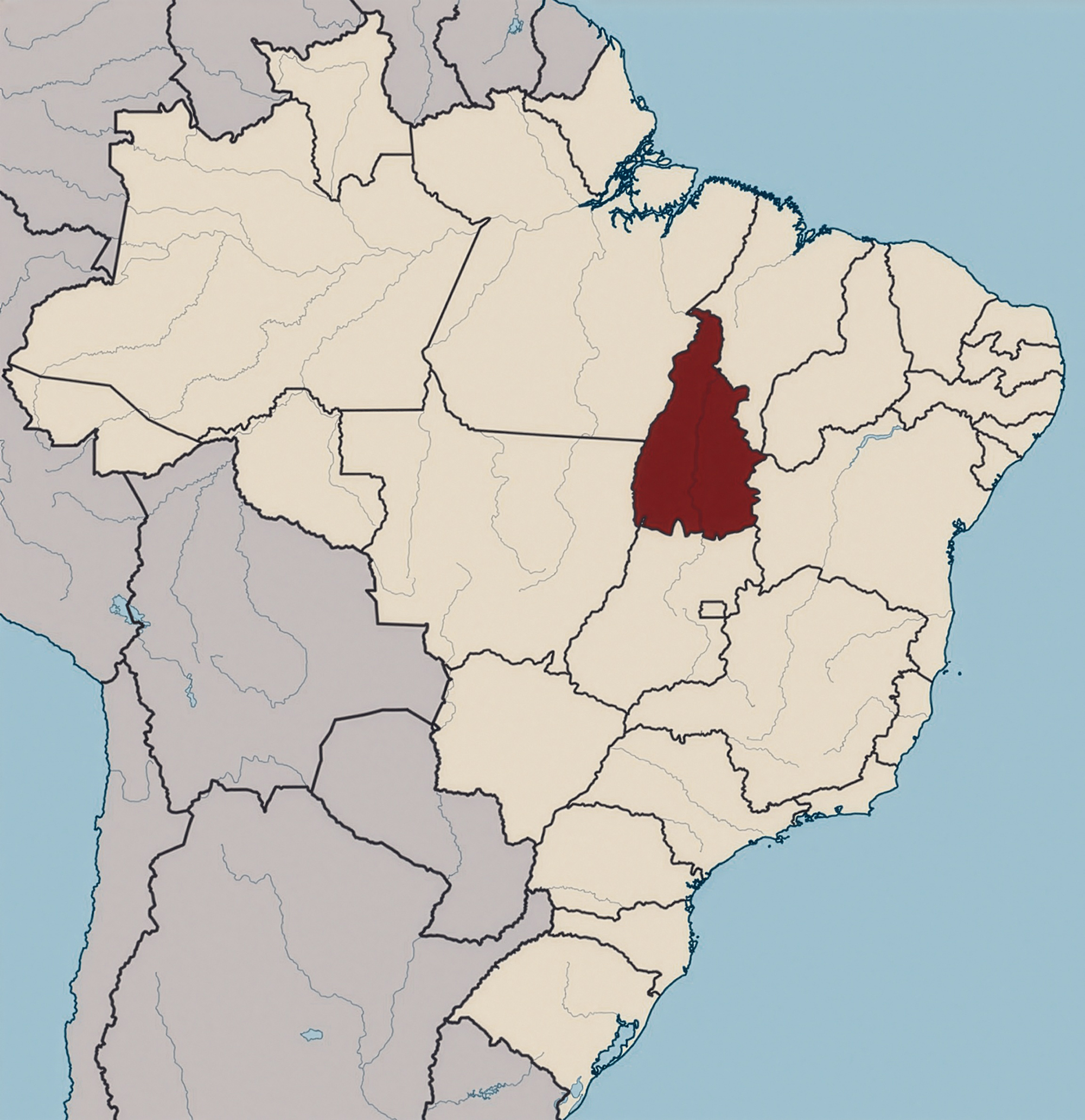
'2,000-Year-Old Rock Art Discovered in Central Brazil' - reports that researchers from Brazil’s National Institute of Historic and Artistic Heritage (IPHAN) have identified rock engravings that may date as far back as 2,000 years at 16 archaeological sites in Jalapão, the eastern region of the state of Tocantins.
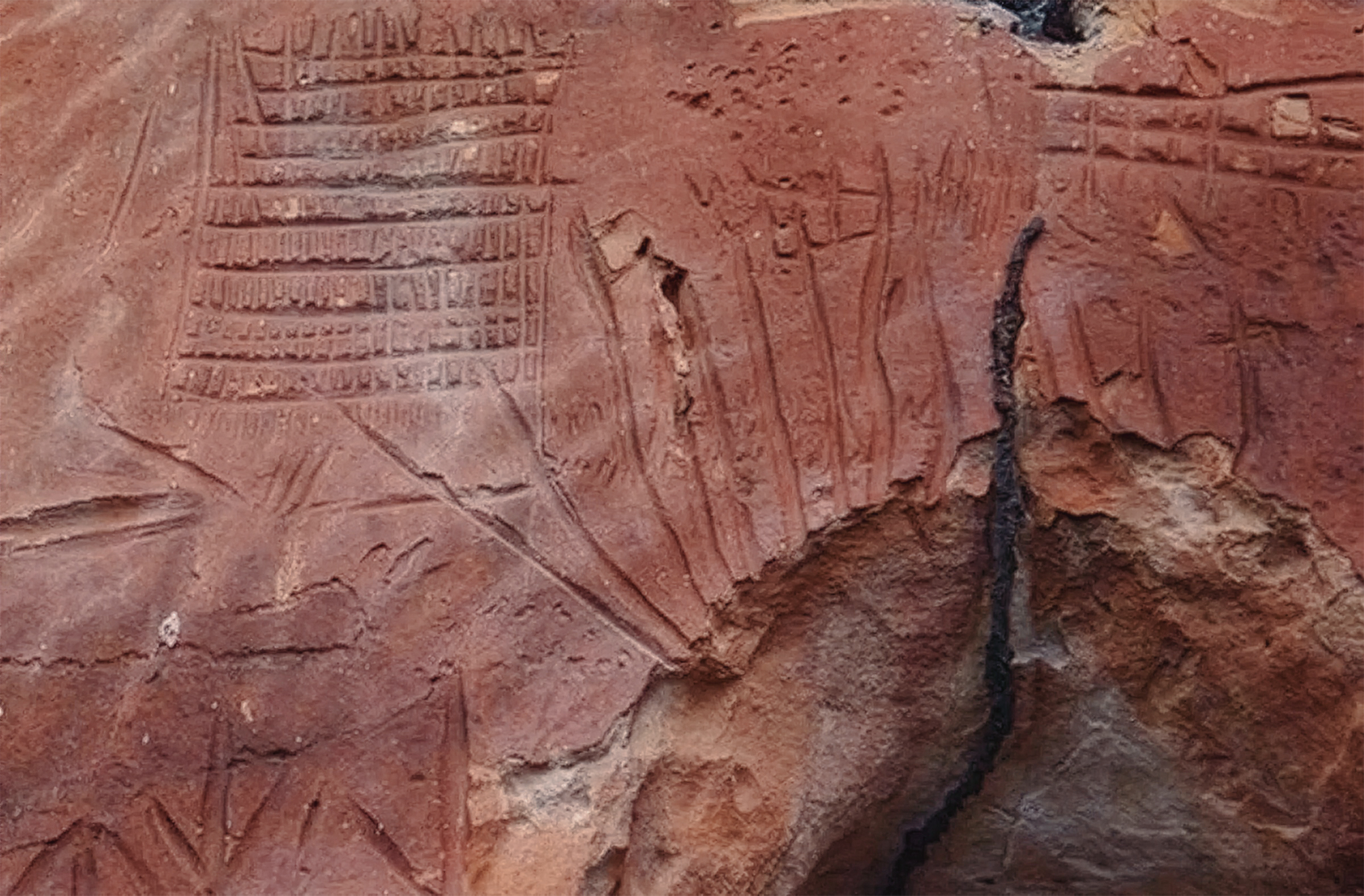
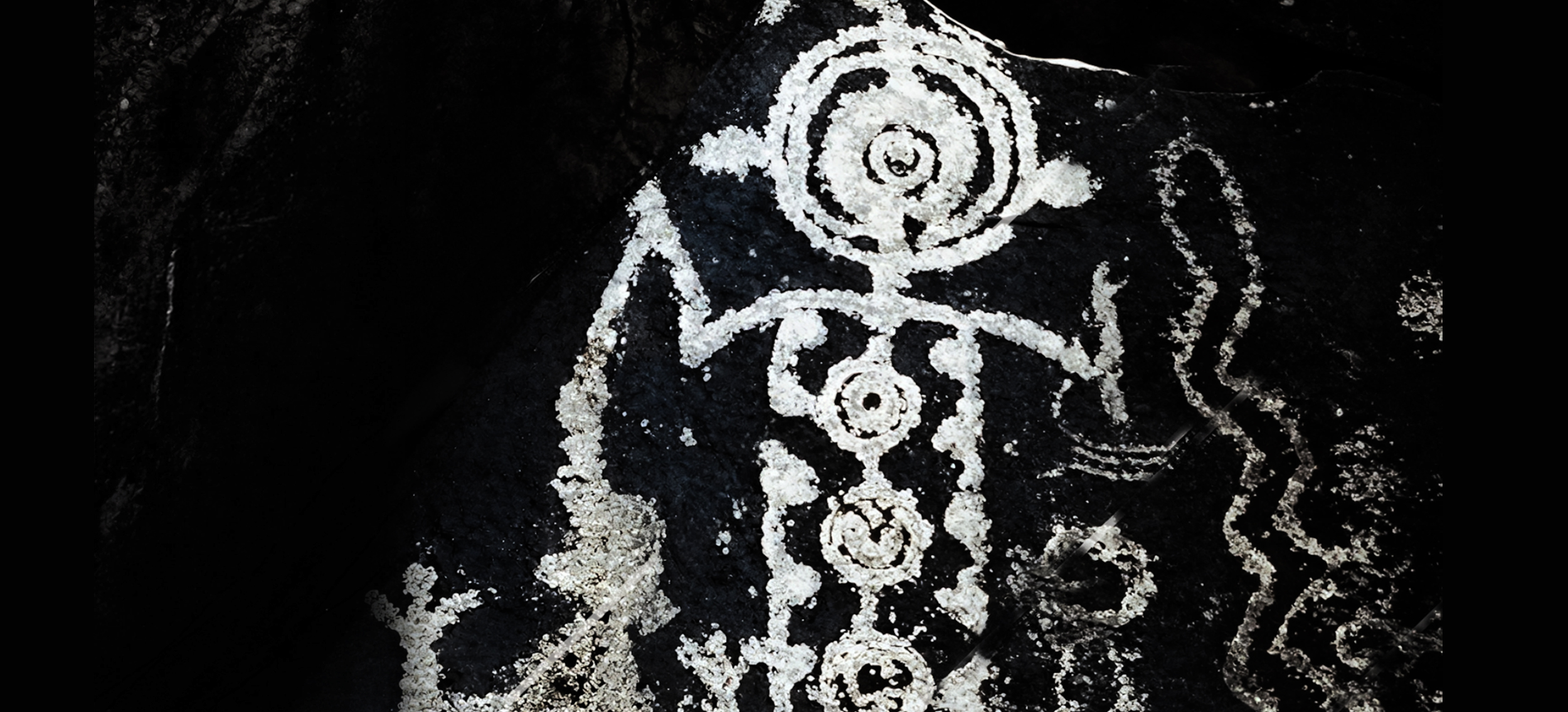
The researchers have found evidence for human occupation in the area that dates to some 12,000 years ago. At some of the sites, which are close to each other along the same rock face, they also found a smaller number of paintings in red pigments. The artworks depict human footprints, tracks of animals such as wild pigs and deer, and figures.
“Among the symbols engraved and painted on the rocks, human footprints stand out, footprints of animals such as deer and wild pigs, and figures that resemble celestial bodies,” said Iphan archaeologist Rômulo Macedo.
IPHAN archaeologist Rômulo Macedo explains that "In addition to the relationship of proximity, what connects these sites is the recurrence of the symbols represented, demonstrating that the creators of the rock records, especially the engravings, shared the same belief system." He added that the techniques used to make the paintings, as well as the subjects represented, suggest that the paintings are of a different date than the engravings and may have been created by a different culture.
It is noted that it is unclear who made the rock art and what the purpose was for the rock art. Interpretations have included recording time, myth portrayal, communicating with spirits, or marking out territory.
The proximity of the rock art sites leads Researchers to believe both the location and recurrence of symbols suggest the creators of the rock art shared the same belief system. Other theories propose hat the paintings are older than the engravings and were possibly made by a different cultural group. Ongoing research on the rock art will aim to bring clarity to questions surrounding the art.
Although there is evidence of humans occupying Jalapão as far back as 12,000 years, little is known about such groups prior to their contact with Europeans in the 15th and 16th centuries. It is likely, however, that they were drawn to the Cerrado’s rich biome, the eco-region still the most biodiverse savanna in the world.
The discovery was announced by the National Historic and Artistic Heritage Institute (Iphan) following expeditions led by Macedo over the past two years to find new sites in the region.









Bradshaw Foundation
7 July 2026