

Neanderthals were the world’s first artists - reports on recent research which has shown that engravings in a cave in La Roche-Cotard, France, which has been sealed for thousands of years were actually made by Neanderthals. This research was performed by Basel archaeologist Dorota Wojtczak together with a team of researchers from France and Denmark.
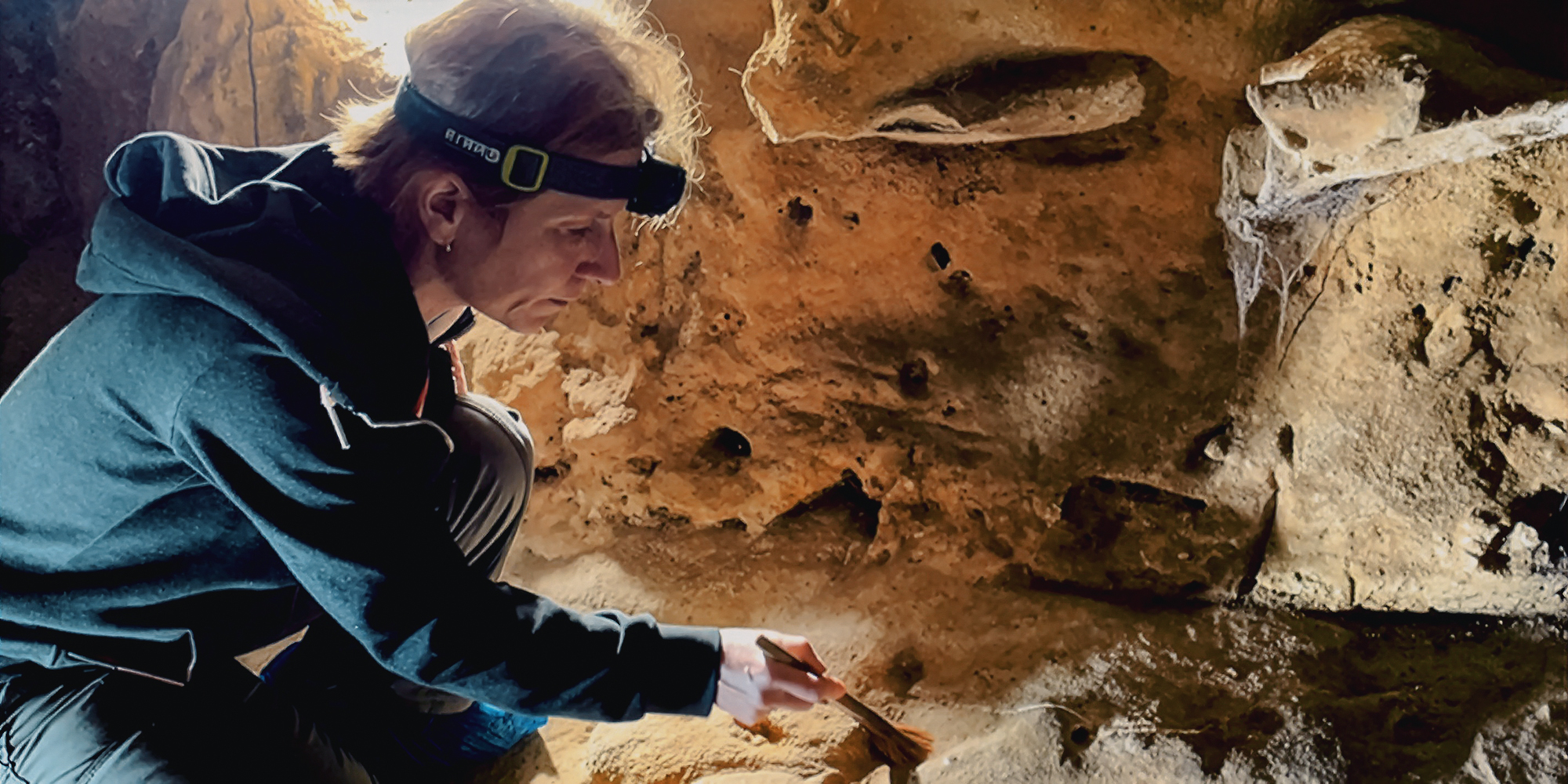
When the French archaeologist Jean-Claude Marquet entered the La Roche-Cotard cave in the Loire Valley for the first time in 1974, he suspected that the fine lines on the wall could be of human origin. But he also found scrapers and other retouched pieces - Mousterian stone artifacts - that suggested the cave had been used by Neanderthals. Who made the marks? Fearing he would be unable to provide sufficient scientific evidence to prove his hypothesis, Marquet left the cave untouched for almost 40 years.
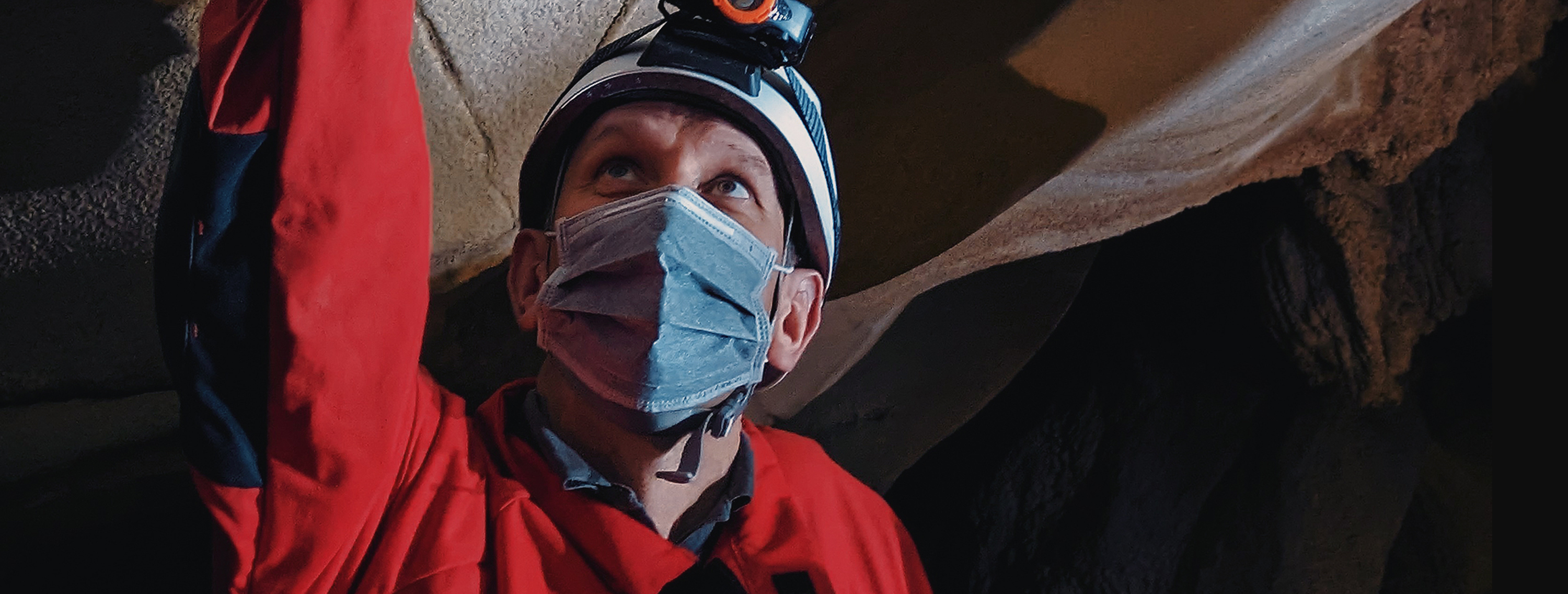
Together with an international team, he made another attempt in 2016. This time he was accompanied by Dr. Dorota Wojtczak from Integrative Prehistoric and Archaeological Science (IPAS) at the Department of Environmental Sciences of the University of Basel, who specializes in archaeological use-wear analysis. Wojtczak explained “Our task was to use modern methods to prove the human origin of these wall engravings.” The researchers recently published their findings in the journal PLOS ONE.
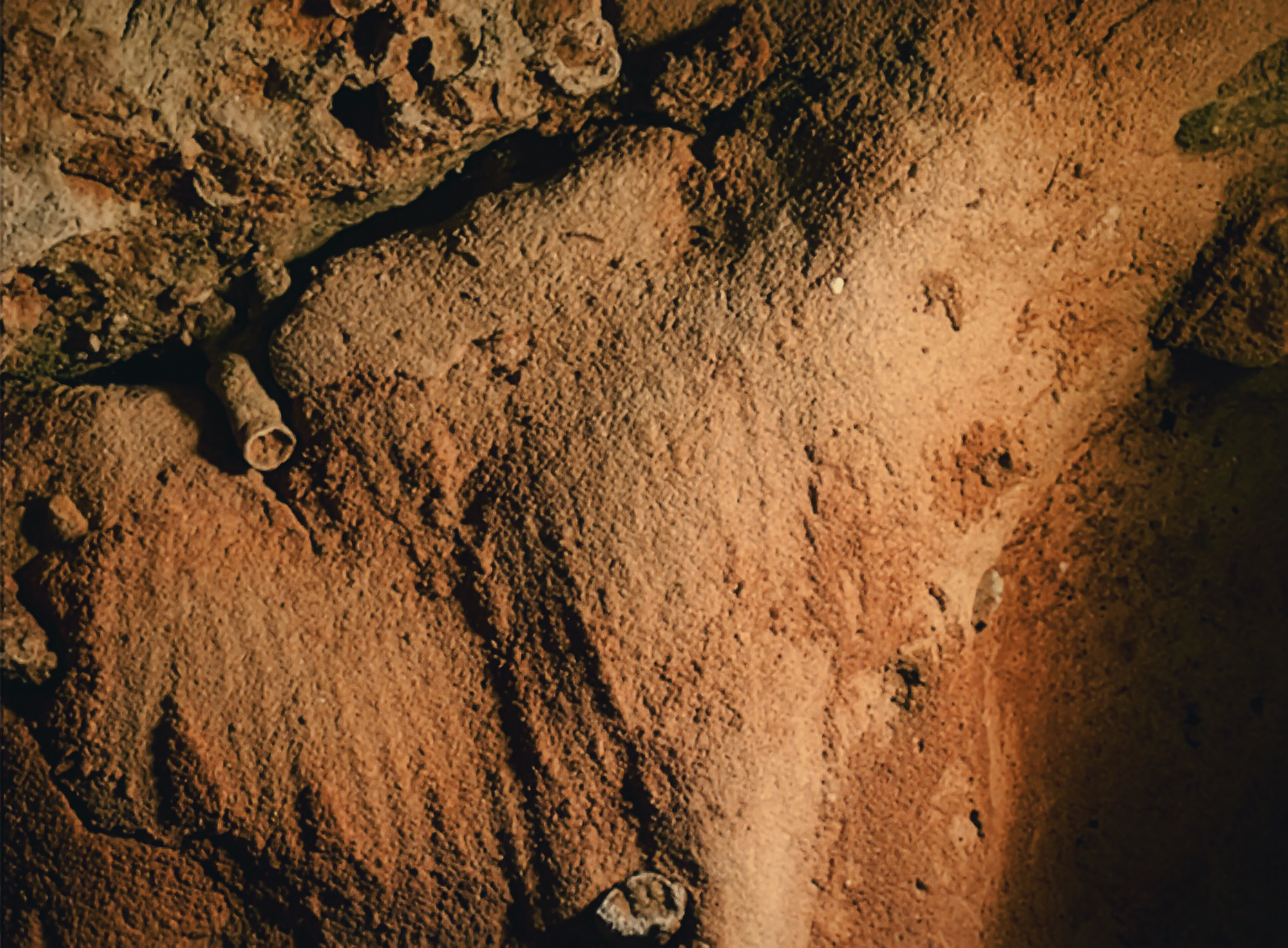
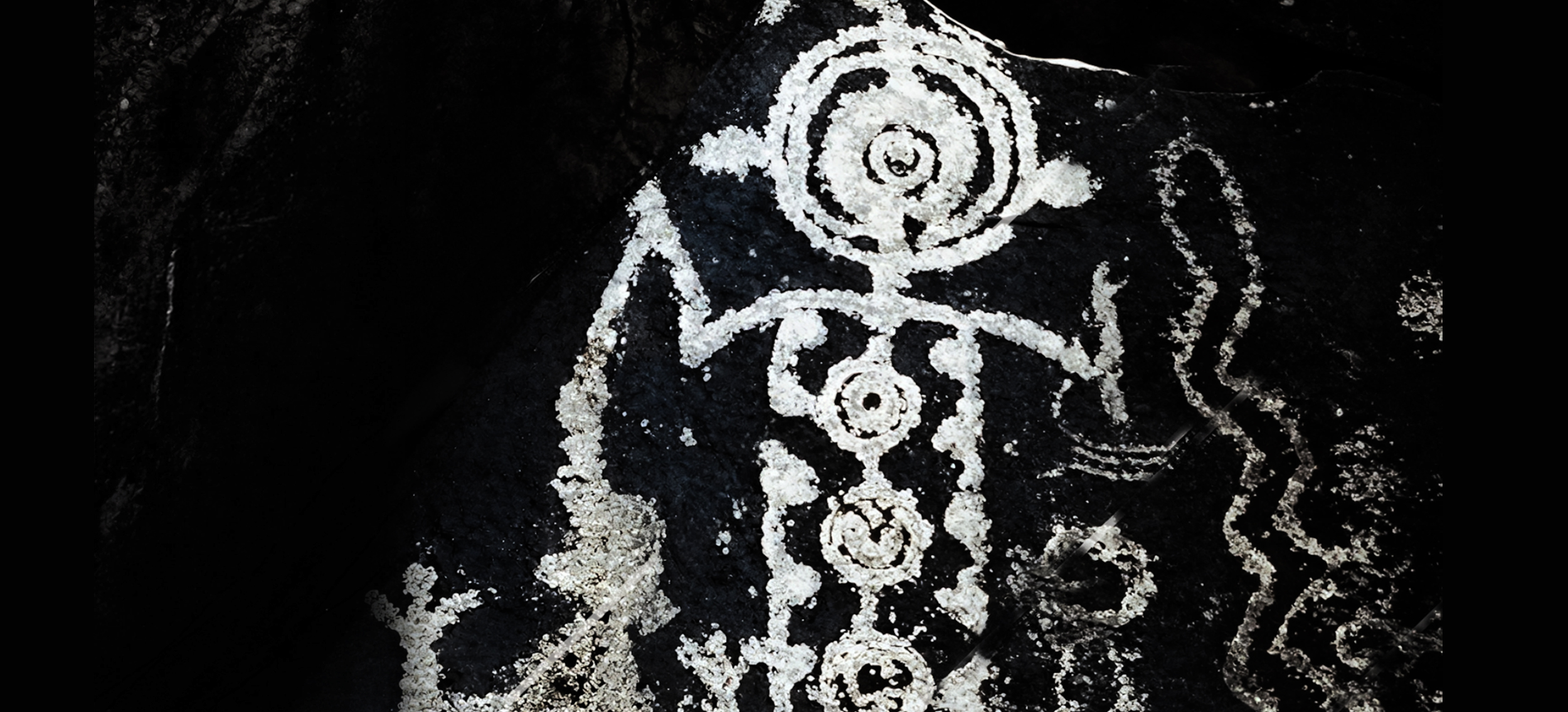
First with photos and drawings and later with a 3D scanner, the marks in the tuff rock of the cave wall were meticulously recorded. In her laboratory in Basel, Wojtczak compared these samples from the cave with tuff she had worked on experimentally with wood, bone and stone tools, as well as with her hands - “This research clearly showed that the cave marks were not made with tools, but by scratching with human fingers,” says Wojtczak.
At the same time, examination of cave sediment by researchers from Denmark showed that the cave must have been sealed off by mud residues from the Loire and soil sediments for over 50,000 years before being rediscovered. This makes the La Roche-Cotard cave system a very special location – a veritable “time capsule”. “At this time, 50,000 years ago, there were no modern humans in Europe, only Neanderthals,” says Wojtczak. The wall marks and artifacts can therefore only come from these early humans.
While the clear geometric shapes with parallel and triangular lines suggest that these marks were not scribbled on the wall by chance, the researcher does not know what they represent. “But they could only have been made by someone who proceeded with planning and understanding,” she says. And whether it was “art” as such, or a form of recording-keeping, is a matter of interpretation.
The chamber of La Roche-Cotard that has been explored so far is just one part of an entire cave system. The researcher hopes to gain further insight into the Neanderthals’ activities, particularly from Chamber 4, which is still largely covered by sediment.









Bradshaw Foundation
15 October 2026
Bradshaw Foundation
7 July 2026