British Isles Prehistory Archive IntroductionThe British Isles was first inhabited by people who crossed over the land bridge from the European mainland. Traces of modern humans - Homo sapiens - date from about 30,000 years ago. |
![]() |
||||
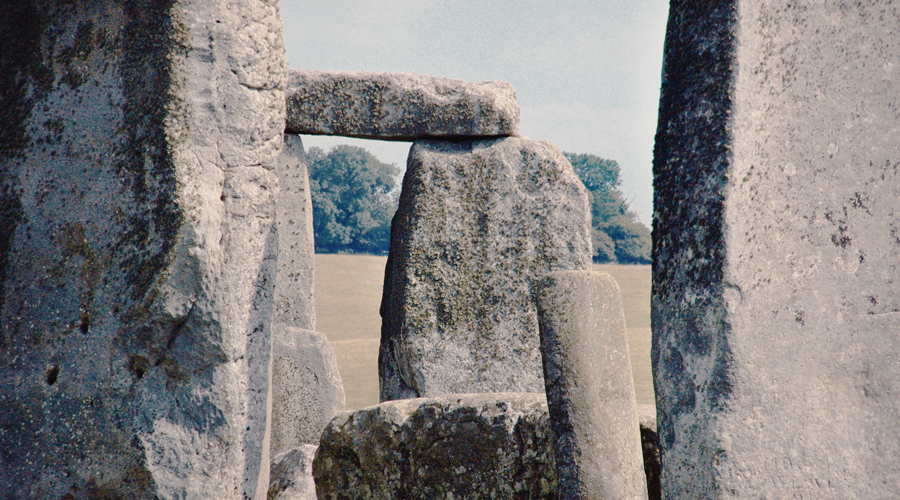
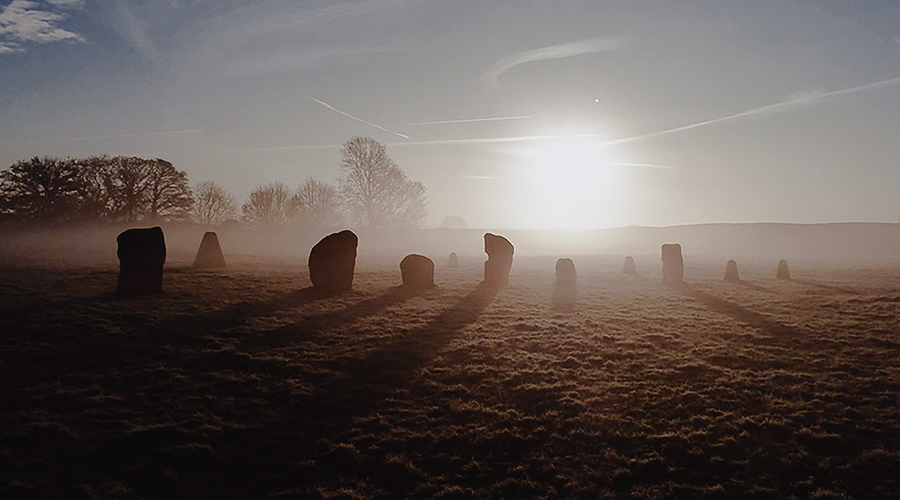
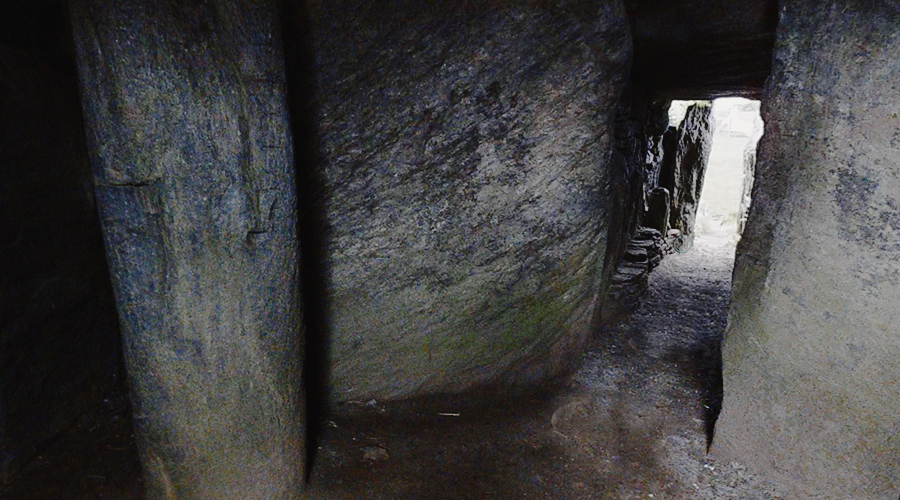
StonehengePerhaps the most prestigious megalithic monument of Europe is Stonehenge, the stone circle presiding on the rolling hills of Salisbury Plain in Wiltshire, England. |
![]() |
||||
The British MuseumFounded in 1753 as the first national public museum in the world. The British Museum in London has a remarkable collection of manmade objects - from early tools to great works of art. |
![]() |
||||
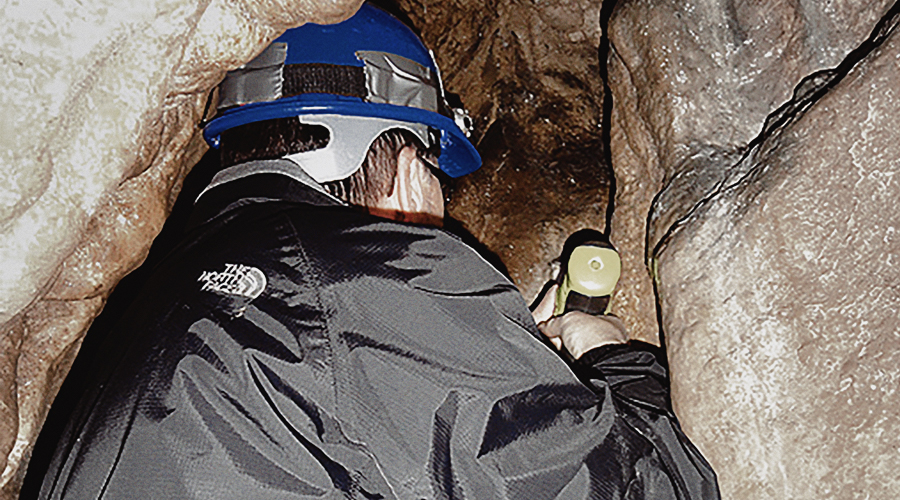
The Prehistory of the Mendip Hills - New SectionThe Mendip Hills have numerous prehistoric sites; Palaeolithic, Mesolithic, Neolithic, Iron Age, and Bronze Age. Britain's oldest skeleton, was found in Gough's Cave, part of the Cheddar caves. |
![]() |
||||
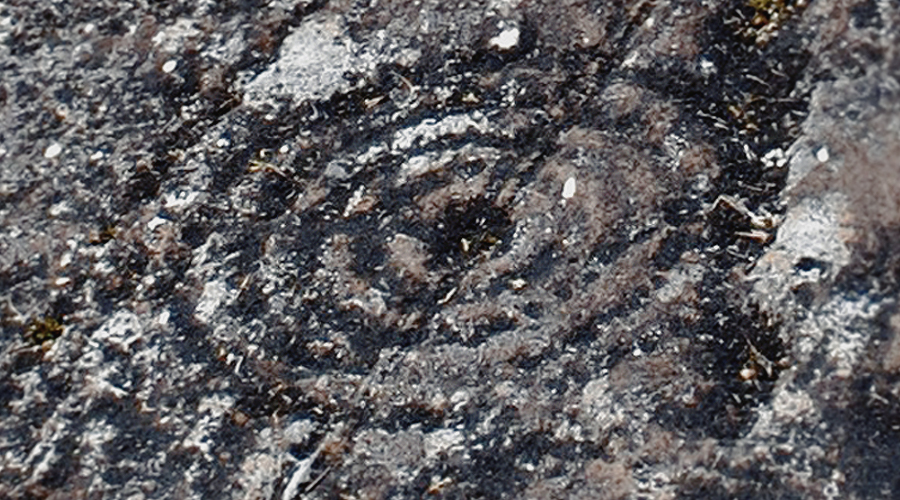
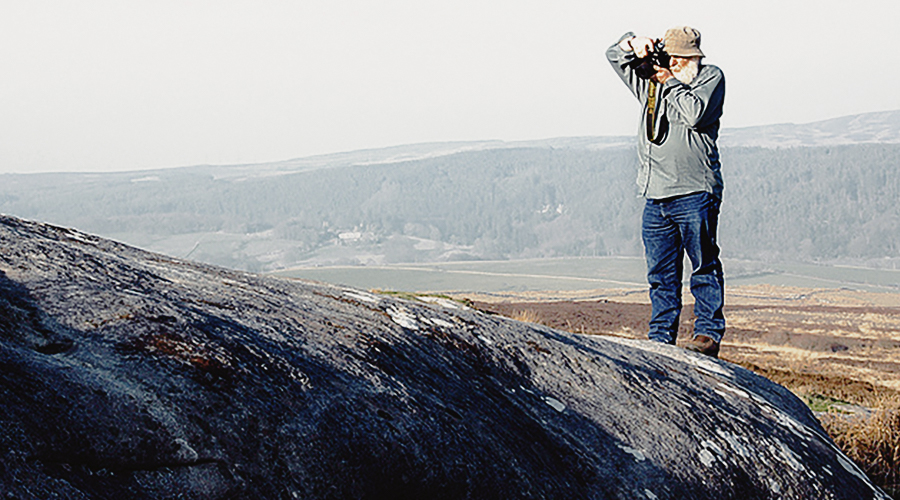
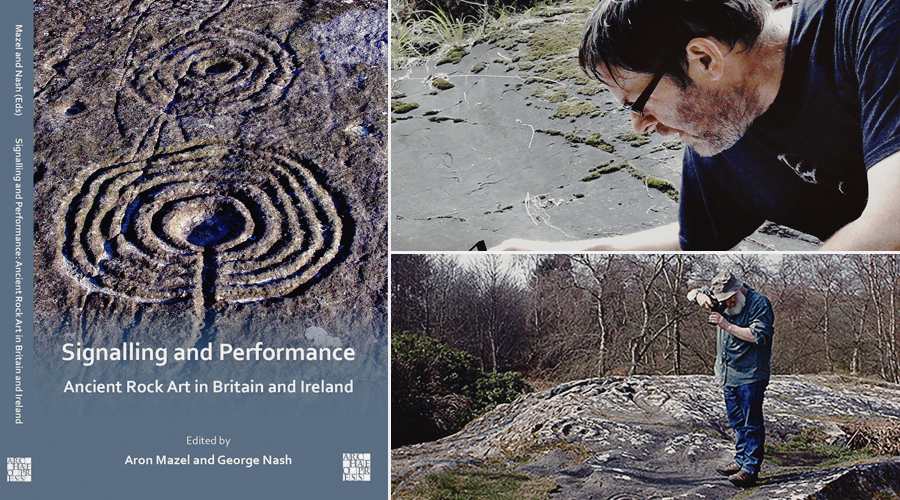
The Rock Art of Northumberland - New SectionNorthumberland harbours well over a thousand examples of ancient occupation in the form of rock art, made by Neolithic and Early Bronze Age people between 6000 and 3500 years ago. |
![]() |
||||
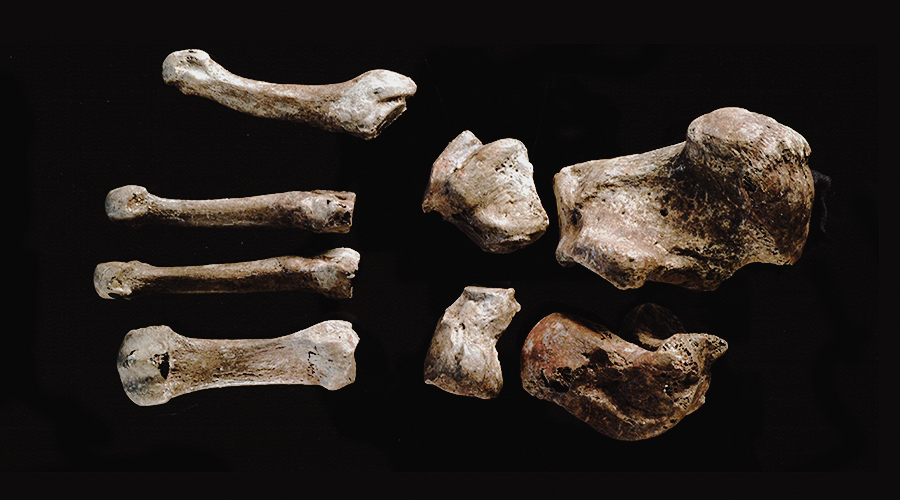
The Red Lady of PavilandThe oldest known buried remains in Britain are 29,000yrs old, 4,000yrs older than previously thought. Findings show that burials were taking place in Europe much earlier than previously believed. |
![]() |
||||
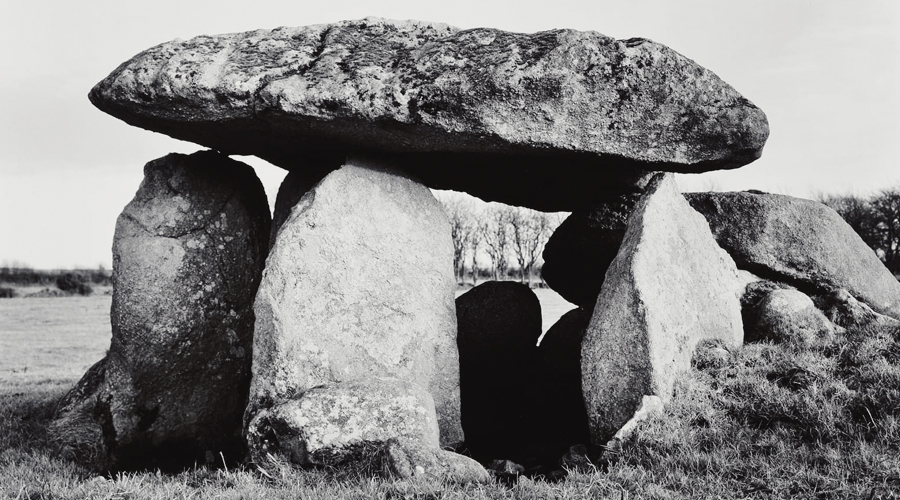
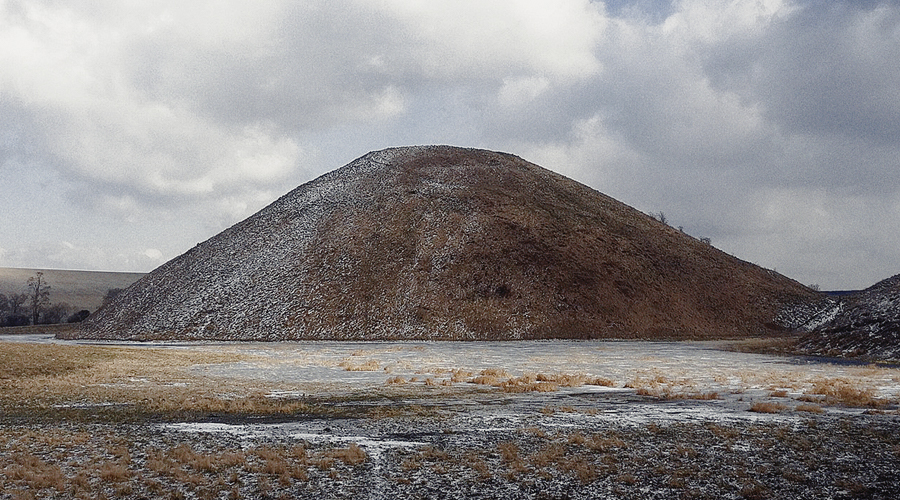
Megaliths of the British IslesIn 'Megaliths', Paul Caponigro explores the various configurations of the prehistoric monuments - from standing stones, tumuli, and cairns to circles, alignements and the enigmatic dolmens. |
![]() |
||||
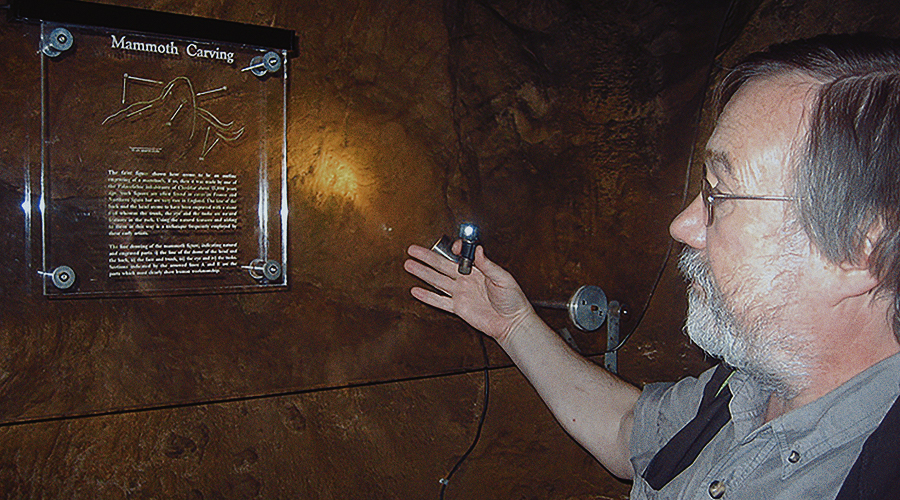
Rock Art Carving on the Gower PeninsulaA carving of a speared reindeer in South Wales may be one of Britain's oldest examples of rock art. It is believed to have been created by a Ice Age hunter-gatherer more than 14,000 years ago. |
![]() |
||||
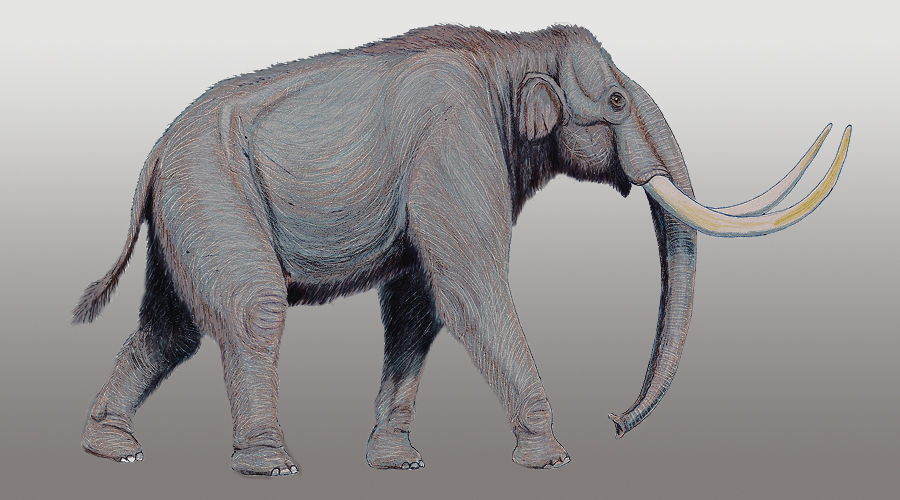
Stone Age Mammoth Abattoir in East AngliaAn extraordinary collection of mammoth remains and flint tools unearthed in a Norfolk quarry may be evidence of the first Neanderthal hunting camp discovered in Britain. |
![]() |
||||