The Great Murals of Baja California |
Bradshaw Foundation |
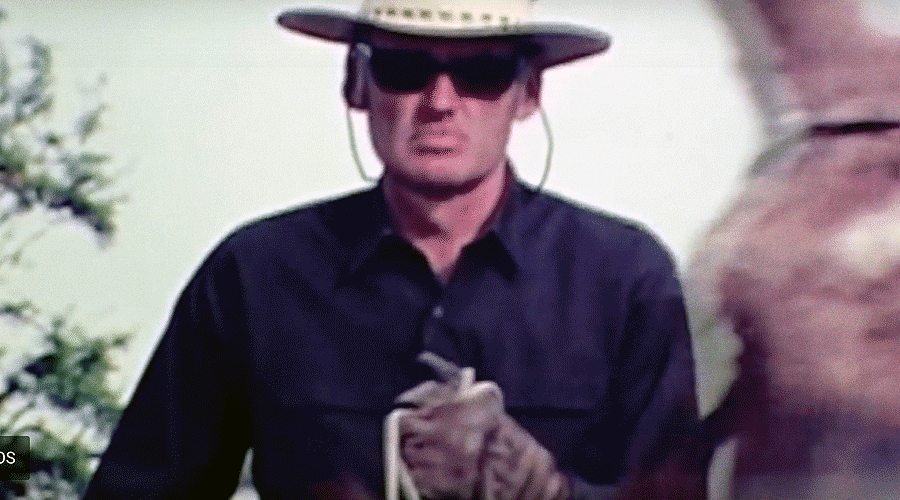
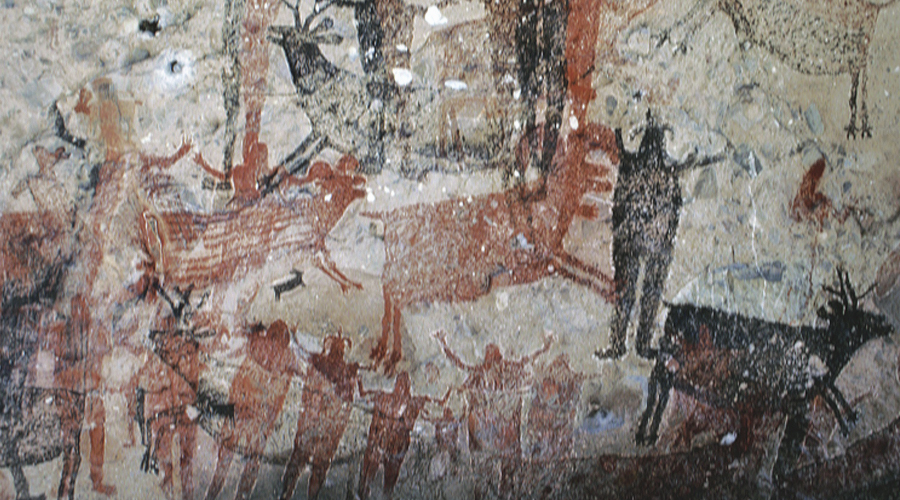
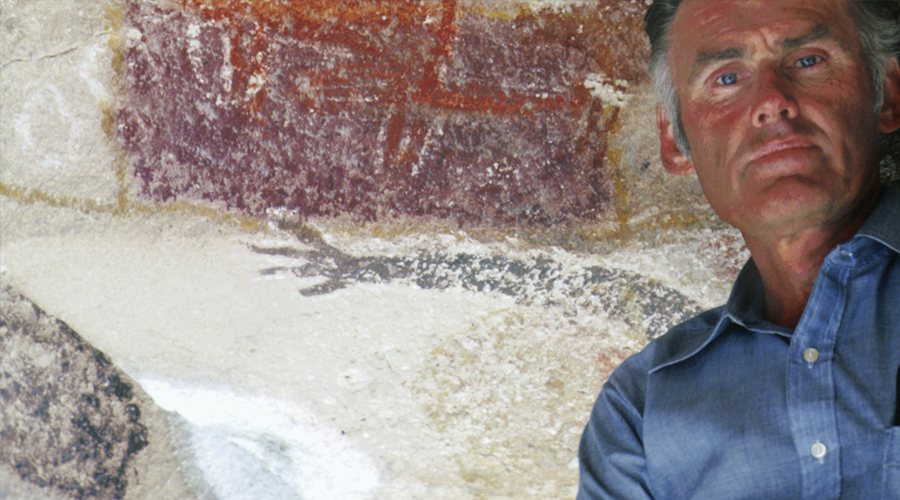
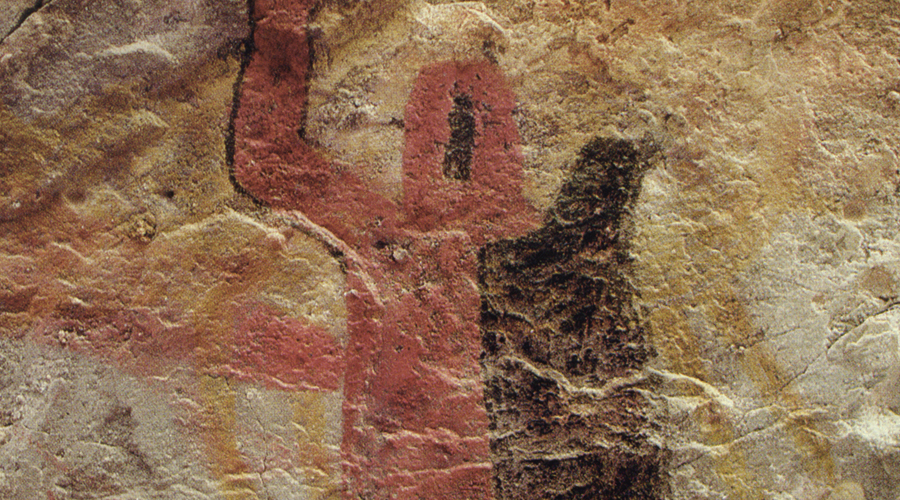
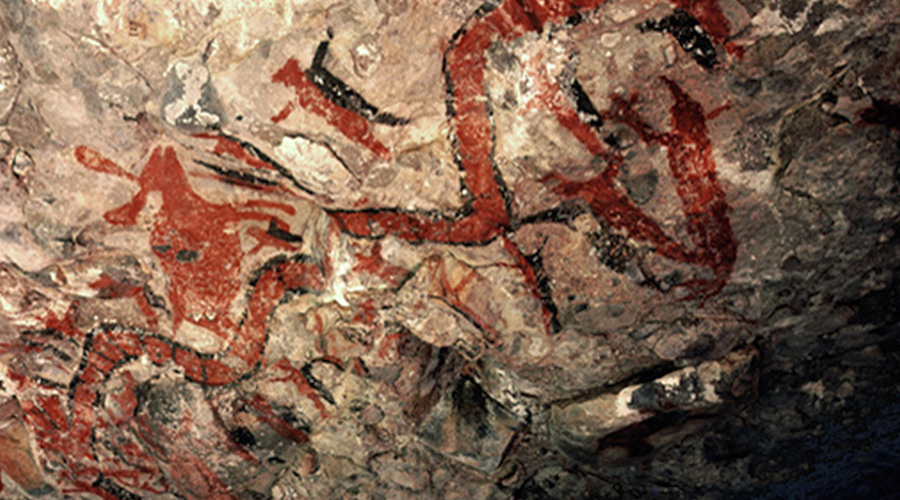
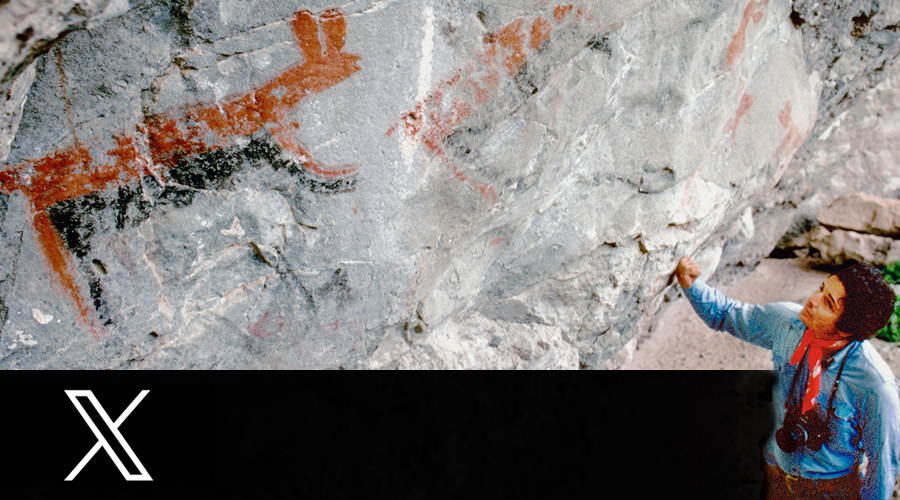
The Great Murals of Baja California represent one of the corner-stones of the Bradshaw Foundation's American Rock Art Archive. Firstly, the scale and execution of the paintings of animals and humans are unmatched in the New World. Secondly, these cave paintings, whose origins remain mysterious to this day, rank with those of Europe, Africa and Australia. The rock art was revealed to the ‘modern world’ in the 1960's by the author Erle Stanley Gardner in conjunction with Dr. Clement Meighan. We concentrate here on the next chapter of the story, and the fascinating journey of exploration, discovery and documentation carried out by the author Harry W. Crosby in early 1970's.
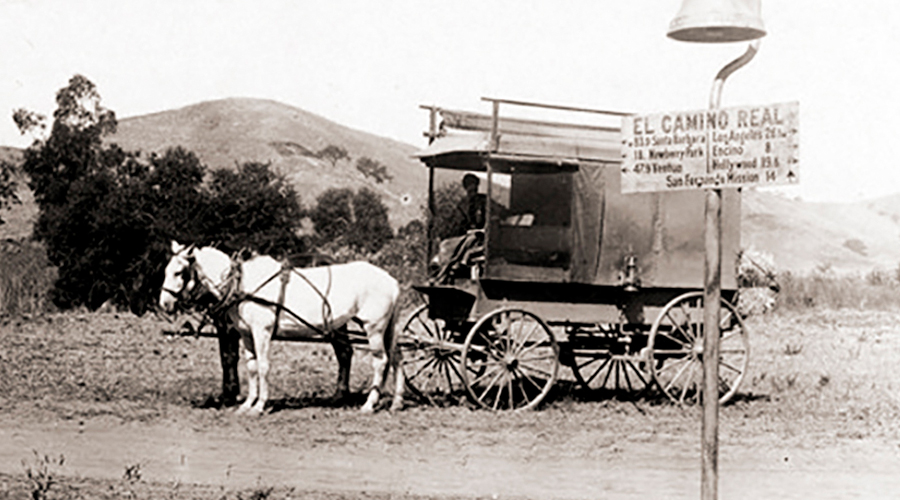
| Our view of this rock art phenomenon is based on The Cave Paintings of Baja California - Discovering the Great Murals of an Unknown People, Sunbelt Publications, 1997. The book is a wonderful account of a quest to find and know the cave paintings, and it begins with the contributions of a string of characters, who, over the course of 250 years, through their insights, courage, and sense of adventure, have brought this highly individual form of parietal art to the world's attention: from Padre Miguel del Barco and Francisco Clavijero to Leon Diguet; from Erle Stanley Gardner to Dr Clement Meighan; from Tacho Arce to Harry W. Crosby. |
|
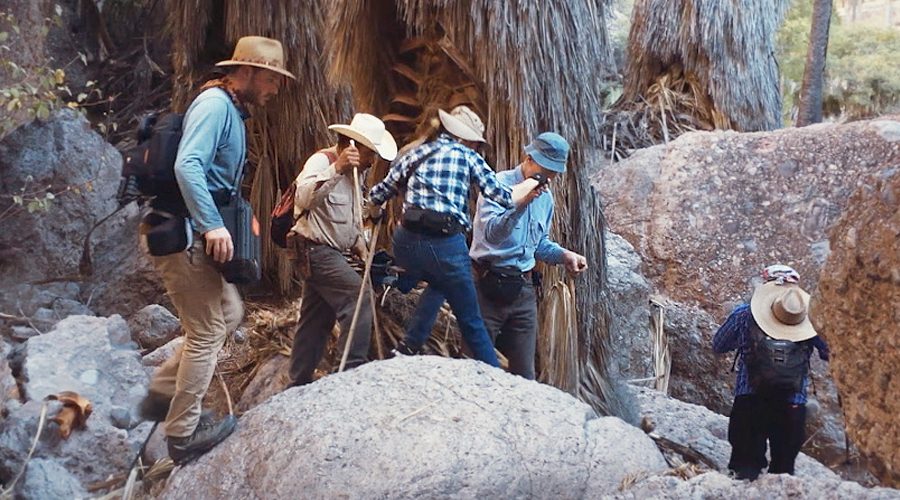
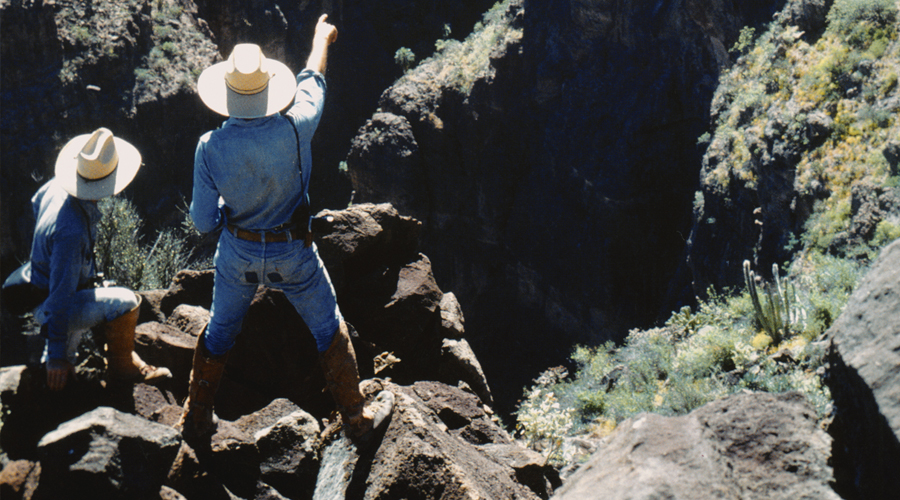
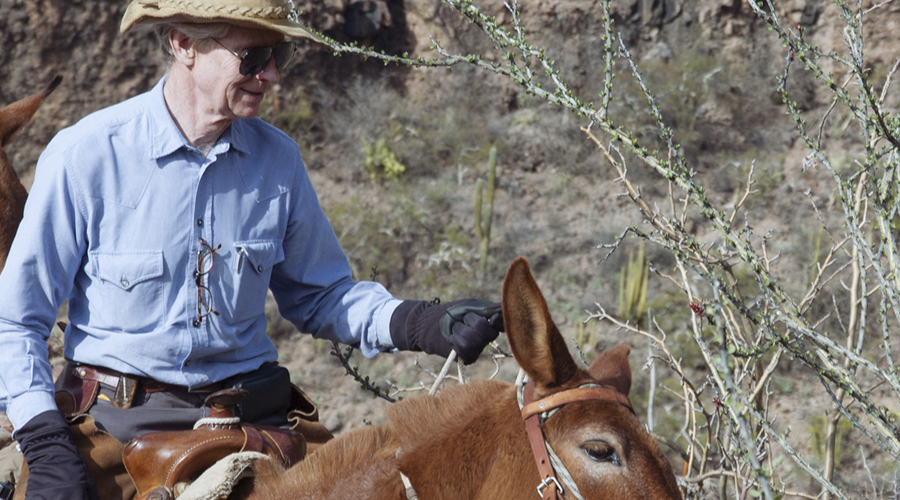
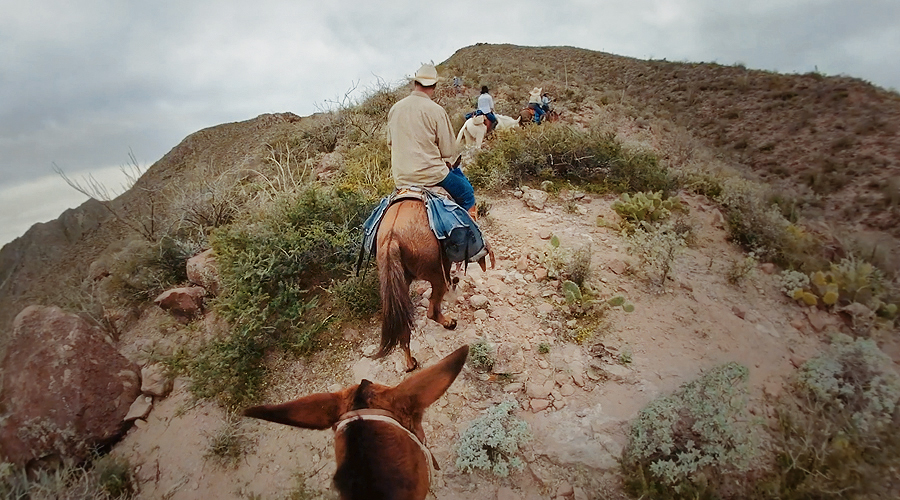
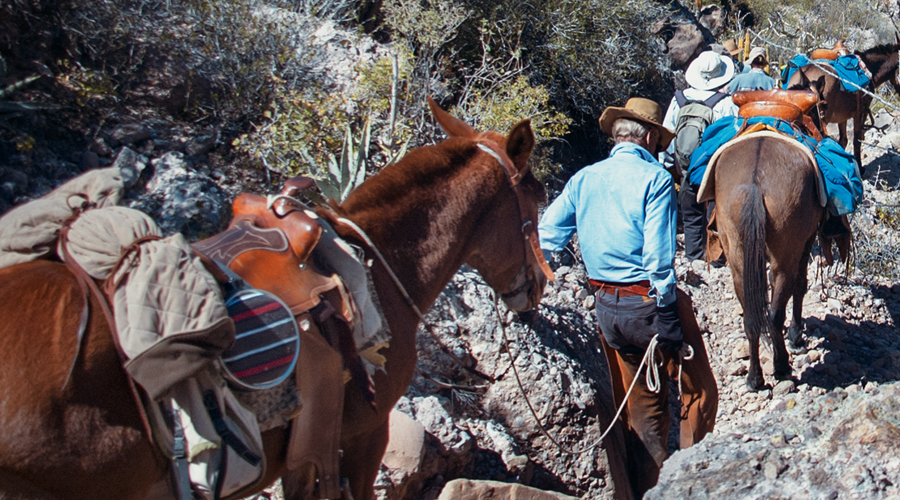
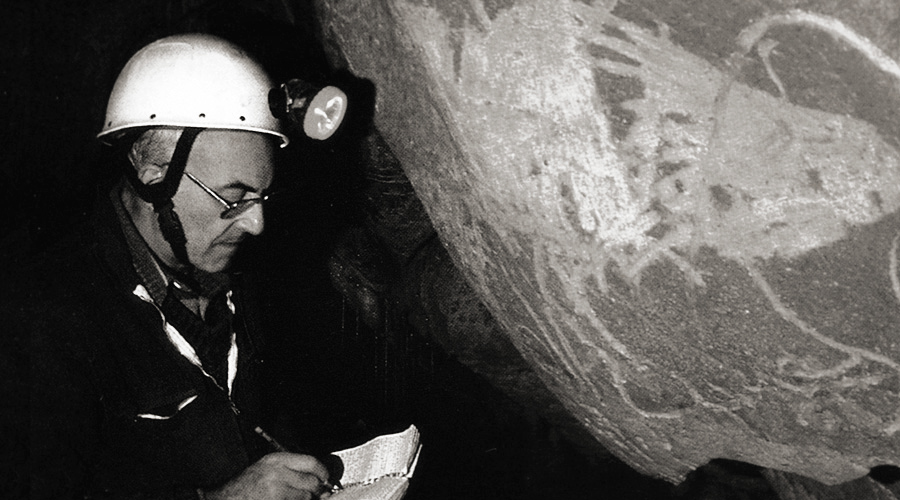
Our aim in this section, created in collaboration with the author, is to offer a glimpse of this world and its rock art, with the hope that the viewer will be inspired to learn more of them and their discovery. The Cave Paintings of Baja California reveals Crosby’s adventures during a systematic search which required over nine months during a four year period. Guided by local ranchers, he traveled by mule and pack burros more than 1000 miles through the remote mountains of central Baja California. On this journey, the author visited over 200 previously undisclosed rock shelters painted in what he dubbed The Great Mural style. Crosby succeeds in presenting this veritable treasure trove with beautiful photography - cave paintings are notoriously difficult to photograph - and notably insightful observations and interpretations. The Great Murals are highly significant. They are very sophisticated.
| They are also very large. There is clearly considerable aesthetic content - the modern eye devours the style and colour [as would have the ancient eye, I'm sure] - but the cave paintings would almost certainly have been grounded in a complex cognitive system of beliefs, a system that is yet to be decoded. Some suggest the probability that the paintings were created in the context of shamanic rituals among hunter-gatherers of the mid-peninsula. | ![]() |
![]() La Angostura de San Juan |
![]() San Gregorio I |
![]() La Candelaria I |
Recent chronometric dating of the paintings indicates they were created approximately 7000 years BP, before the present. [The whole question of archaeology has, at present, very few answers. I have it on the word of Lucero Gutiérrez, INAH’s chief in the field, that there has been virtually no material uncovered in the vicinity of the painted places which can be reliably associated with the paintings or the painters. Rock shelters tend to attract tenants in all ages, for obvious reasons, but we need more evidence to equate any of their leavings with the art. The dating referred to above does not rule out the idea of some primordial “Comondú Culture”, but it does virtually eliminate any possibility of a connection with the three cultures found by the Spaniards.] In 1993, the Sierra de San Francisco appeared on UNESCO's World Heritage List.
I strongly recommend Crosby's publication, and I urge our viewers to support the Foundation and the Instituto Nacional de Antropología e Historia in pursuing all necessary measures to ensure the preservation of these unique and irreplaceable cave paintings.
Peter Robinson, Editor
Bradshaw Foundation